


Introduction
Ocean exploration has always been one of the most challenging fields in science and industry. Due to extreme pressure, low visibility, and unpredictable underwater conditions, traditional human diving is limited in both depth and safety. In recent years, underwater robots have become a breakthrough technology that is transforming how we explore, study, and utilize the ocean.
These intelligent machines are now widely used in marine research, offshore engineering, environmental monitoring, and resource exploration. With high precision, strong adaptability, and remote control capabilities, underwater robots are becoming an essential tool for modern deep-sea operations.
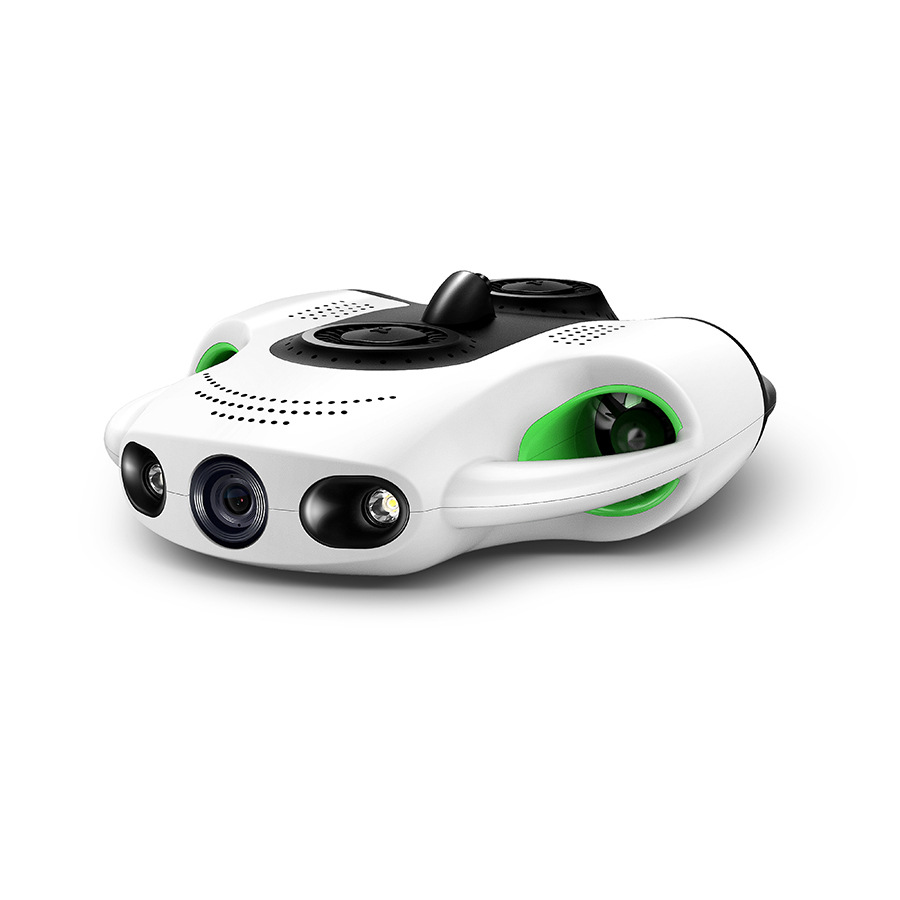
What Is an Underwater Robot?
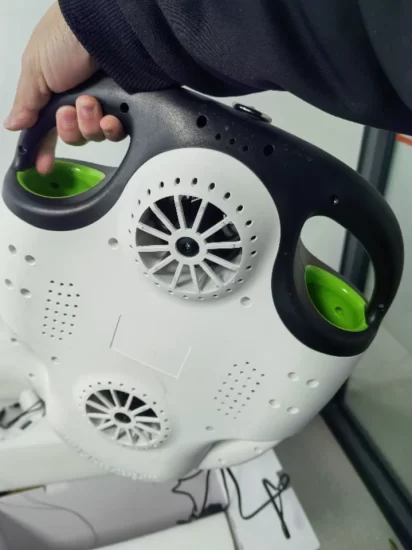
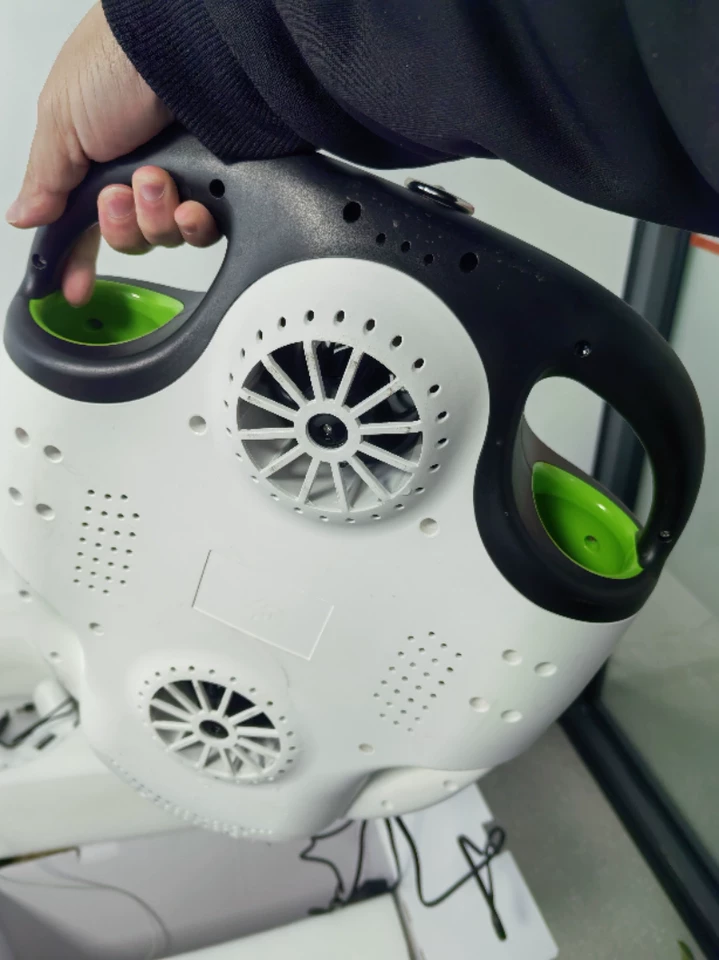
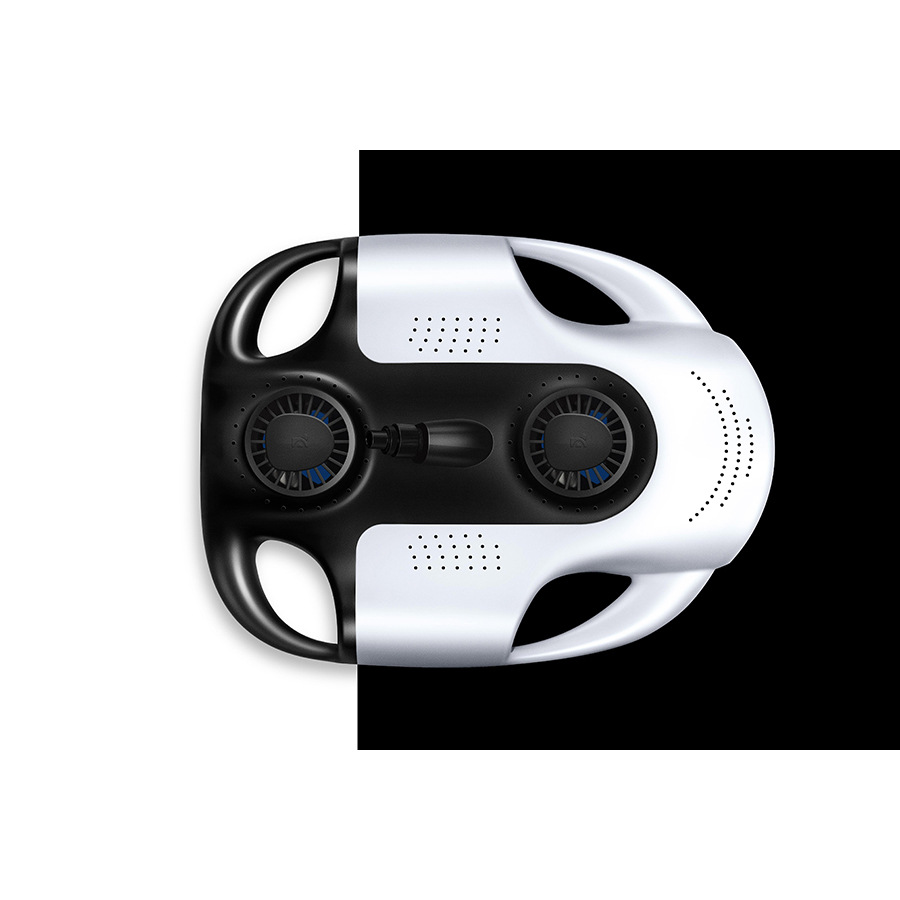
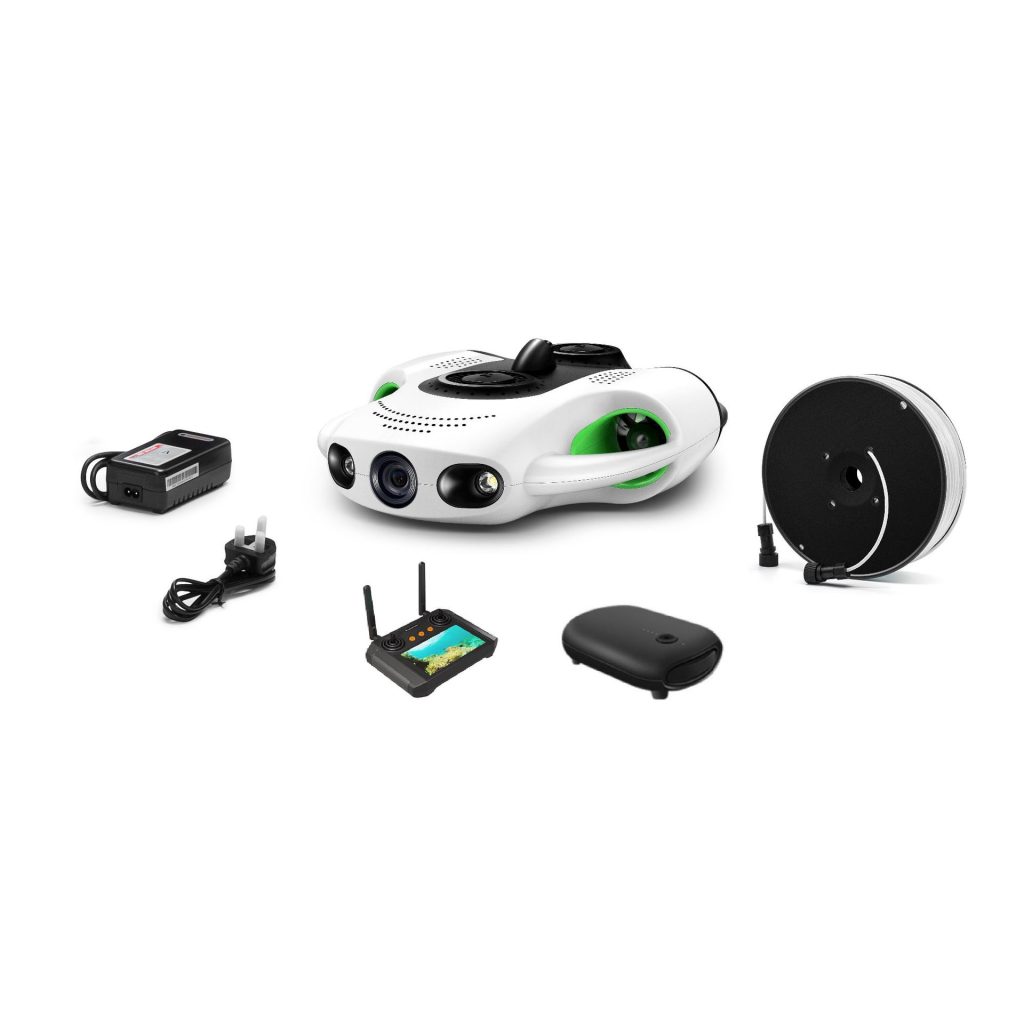
An underwater robot is an unmanned robotic system designed to operate beneath the water surface. It can be remotely controlled or operate autonomously using pre-programmed instructions and sensors.
There are mainly two types:
- ROV (Remotely Operated Vehicle): Controlled by operators through a cable connection.
- AUV (Autonomous Underwater Vehicle): Works independently without real-time human control.
Both types are equipped with cameras, sonar systems, sensors, and robotic arms to perform complex underwater tasks.
Key Applications in Ocean Exploration
1. Deep-Sea Scientific Research
Underwater robots allow scientists to explore deep ocean zones that are impossible or dangerous for humans. They collect data on:
- Marine biodiversity
- Ocean temperature and salinity
- Seafloor geology
- Hydrothermal vents and ecosystems
This helps researchers better understand climate change and marine life evolution.
2. Offshore Oil and Gas Industry
In the energy sector, underwater robots are essential for inspecting offshore platforms, pipelines, and drilling equipment. They help to:
- Detect leaks or damage
- Perform structural inspections
- Reduce the need for human divers
- Improve operational safety
This significantly reduces maintenance costs and operational risks.
3. Marine Environmental Monitoring
Protecting marine ecosystems is increasingly important. Underwater robots are used to monitor:
- Water pollution levels
- Plastic waste distribution
- Coral reef health
- Oil spill impacts
They provide real-time data that supports environmental protection policies and disaster response.
4. Search and Rescue Operations
In emergency situations such as shipwrecks or missing objects underwater, underwater robots can quickly locate targets using sonar and high-definition cameras. They are especially useful in:
- Accident investigations
- Sunken ship recovery
- Black box retrieval
- Flood disaster response
Their ability to operate in dangerous conditions makes them invaluable for rescue teams.
5. Marine Engineering and Construction
Large underwater construction projects require precise monitoring and inspection. Underwater robots assist in:
- Bridge foundation inspections
- Dam structure analysis
- Underwater welding inspection
- Cable and pipeline installation support
This improves engineering accuracy and reduces human risk.
Advantages of Underwater Robots
High Safety
They eliminate the need for human divers in dangerous deep-sea environments.
Strong Adaptability
They can operate under extreme pressure, low temperature, and poor visibility.
High Precision
Equipped with advanced sensors and imaging systems, they provide accurate real-time data.
Cost Efficiency
They reduce long-term labor and operational costs in marine projects.
Continuous Operation
Unlike humans, robots can work for long hours without fatigue.
Technology Behind Modern Underwater Robots
Modern underwater robots integrate several advanced technologies:
- Sonar imaging systems for navigation and obstacle detection
- HD underwater cameras for real-time visual feedback
- AI-based control systems for autonomous decision-making
- Robotic manipulators for sampling and repairs
- Pressure-resistant materials for deep-sea durability
These technologies make them highly reliable in complex underwater environments.
Future Development Trends
The future of underwater robotics is moving toward:
- Full AI autonomy
- Greater diving depth capability
- Enhanced real-time data transmission
- Smaller, more portable designs
- Integration with satellite and cloud systems
As technology advances, underwater robots will play a larger role in global ocean exploration and resource development.
Conclusion
Underwater robots are revolutionizing ocean exploration by providing safe, efficient, and intelligent solutions for deep-sea operations. From scientific research to industrial applications, their impact is expanding rapidly across multiple industries.
As innovation continues, these intelligent systems will become even more powerful, helping humanity unlock the mysteries of the deep ocean while ensuring safety and sustainability.
FAQ
Q1: What is the main purpose of underwater robots?
They are used for exploring, inspecting, and working in underwater environments where humans cannot safely operate.
Q2: How deep can underwater robots go?
Some advanced models can reach depths of several thousand meters, depending on design and pressure resistance.
Q3: Are underwater robots expensive?
Costs vary widely depending on features, but they are generally more cost-effective than human diving operations in the long term.
Q4: Can underwater robots work automatically?
Yes, AUVs can operate autonomously using pre-programmed routes and AI systems.
Q5: What industries use underwater robots the most?
Main industries include marine research, oil and gas, environmental monitoring, and underwater construction.


No comments yet