



Introduction
Flying in extreme outdoor environments requires more than just speed and control. Harsh terrain, unpredictable weather, and complex landscapes demand a drone that is both durable and highly adaptable. An all terrain FPV drone is specifically designed to handle these challenging conditions, providing reliable performance in environments where standard drones may struggle.
Whether navigating rocky mountains, dense forests, deserts, or coastal areas, all terrain FPV drones offer the strength and stability needed for demanding missions. This article explores their key features, advantages, and real-world applications.
What Is an All Terrain FPV Drone?
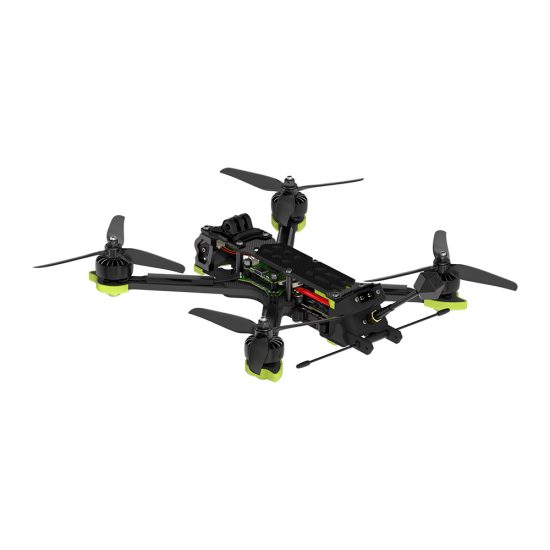
An all terrain FPV drone is a rugged unmanned aerial vehicle built to operate across a wide range of environmental conditions and surfaces.
These drones typically include:
- Reinforced frame structure
- Weather-resistant components
- Powerful motor systems
- Stable flight control
- Durable propellers
They are designed to maintain performance regardless of terrain complexity.
Why All Terrain Capability Matters
Adaptability to Different Environments
Outdoor conditions can change rapidly. A drone that performs well across different terrains ensures consistent operation without limitations.
Reliable Performance in Harsh Conditions
From dust and sand to humidity and uneven landscapes, all terrain drones are built to withstand environmental stress.
Reduced Risk of Failure
Durable construction minimizes damage from impacts or rough landings, making these drones more reliable in the field.
Key Features of All Terrain FPV Drones
Reinforced Frame Design
Strong materials such as carbon fiber or composite structures protect the drone from impacts and harsh conditions.
High-Power Motor System
Powerful motors provide the thrust needed to handle uneven terrain, altitude changes, and wind resistance.
Stable Flight Control System
Advanced flight controllers ensure stability even in challenging environments.
Weather Resistance
Protective coatings and sealed components help the drone resist dust, moisture, and environmental damage.
Durable Propellers
Heavy-duty propellers are designed to withstand tough conditions and maintain performance.
Applications of All Terrain FPV Drones
Mountain Exploration
These drones can navigate steep and rocky areas, providing aerial views and exploration capabilities.
Forest and Jungle Monitoring
Dense vegetation requires precise control and durability, which all terrain drones provide.
Desert Operations
Dust and sand resistance make these drones suitable for desert environments.
Coastal and Marine Areas
They can operate near water and in windy coastal conditions.
Outdoor Filming
Filmmakers can capture unique footage in extreme environments without worrying about equipment limitations.
Advantages of All Terrain FPV Drones
- Strong and durable construction
- Reliable performance in harsh conditions
- Versatile for multiple environments
- Reduced maintenance needs
- Suitable for professional and recreational use
These benefits make them ideal for demanding outdoor applications.
Tips for Flying in Extreme Environments
Check Weather Conditions
Even rugged drones have limits. Always assess the environment before flying.
Inspect Equipment
Ensure all components are secure and in good condition.
Adjust Flight Style
Smooth and controlled flying improves stability in difficult conditions.
Protect the Drone After Flight
Clean and maintain the drone after exposure to dust, sand, or moisture.
Plan Safe Landing Zones
Choose stable and clear landing areas to avoid damage.
Challenges of All Terrain FPV Drones
Increased Weight
Reinforced structures may add weight, affecting flight time.
Higher Cost
Durable materials and advanced features can increase the price.
Environmental Risks
Extreme conditions still pose risks that require careful operation.
Future Trends in All Terrain Drone Technology
Innovations continue to improve all terrain FPV drones through:
- Stronger and lighter materials
- Better environmental resistance
- Enhanced flight stability systems
- Improved energy efficiency
These advancements will further expand their capabilities.
Conclusion
All terrain FPV drones are built for performance in the most challenging environments. Their durability, adaptability, and reliable operation make them essential tools for outdoor exploration, industrial applications, and creative filming.
For users who need a drone that can handle extreme conditions, an all terrain FPV drone offers the perfect combination of strength and performance.
FAQ
Q1: What makes a drone suitable for all terrain use?
Durable construction, powerful motors, and environmental resistance are key factors.
Q2: Can all terrain drones handle extreme weather?
They can handle challenging conditions, but extreme weather should still be avoided.
Q3: Are all terrain drones heavier than standard drones?
They may be slightly heavier due to reinforced materials.
Q4: Who should use all terrain FPV drones?
They are ideal for professionals and enthusiasts who operate in harsh environments.


No comments yet