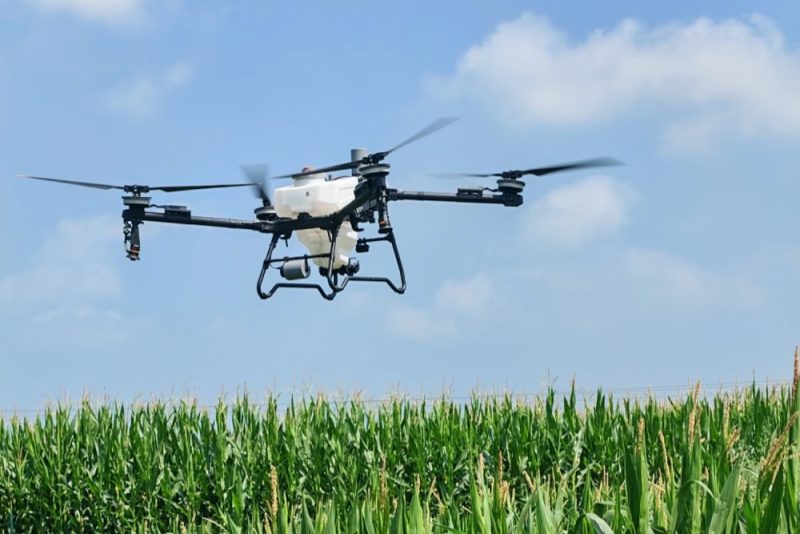



The agricultural drone market is expanding rapidly as farms, agricultural contractors, crop protection companies, and equipment distributors look for more efficient ways to spray crops and apply agricultural products.
For distributors and agricultural equipment companies, purchasing standard products is not always enough. Many businesses want to sell agricultural drones under their own brand, customize packaging, develop market-specific configurations, or build a long-term product line.
This is where agricultural drone OEM and ODM services become important.
OEM and ODM can help importers and distributors develop a differentiated agricultural drone business while working with an experienced manufacturer. However, buyers need to understand the difference between OEM and ODM, minimum order quantities, customization options, costs, quality control, intellectual property, testing, packaging, and after-sales support before starting a project.
This guide explains how global buyers can evaluate agricultural drone OEM and ODM opportunities with Chinese manufacturers.
1. What Is Agricultural Drone OEM?
OEM stands for Original Equipment Manufacturer.
In an OEM arrangement, the manufacturer produces equipment according to the buyer’s specifications or branding requirements.
Depending on the manufacturer’s capabilities, OEM services may include:
-
Brand logo
-
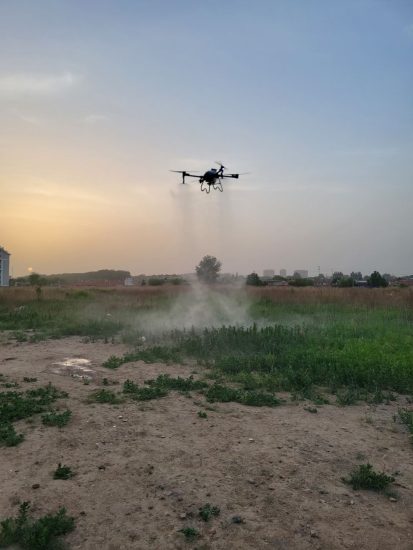
Product labels
-
Packaging
-
User manuals
-
Color options
-
Accessories
-
Spare-parts packages
-
Product configuration
-
Certain hardware modifications
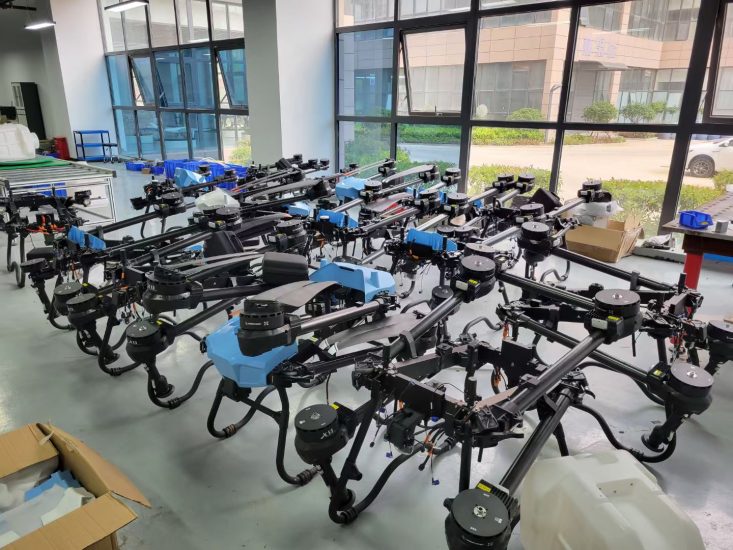
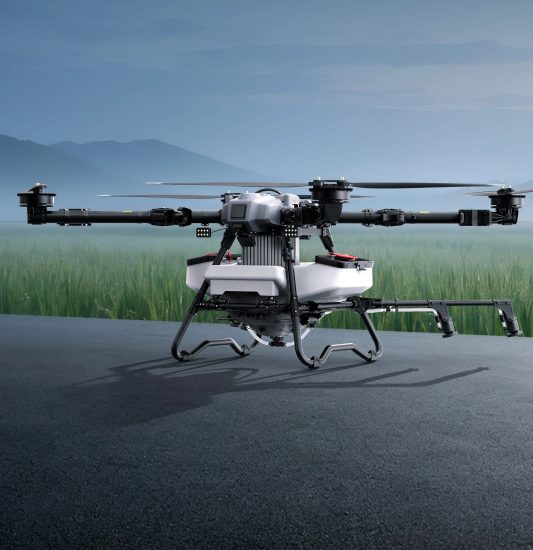
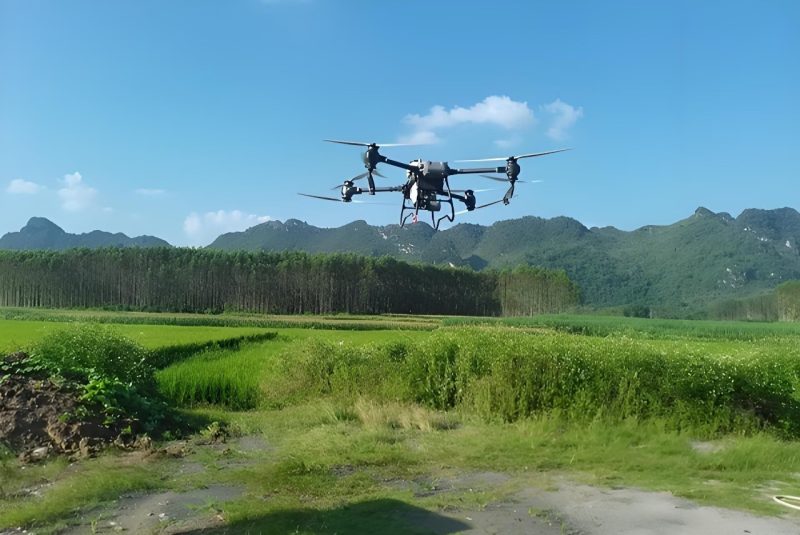
For example, a distributor may purchase an agricultural spraying drone from a Chinese manufacturer and sell it under its own agricultural equipment brand.
The manufacturer handles production, while the distributor develops the local market and sells the product.
2. What Is Agricultural Drone ODM?
ODM stands for Original Design Manufacturer.
With ODM, the manufacturer generally provides an existing product platform or design that can be adapted for the buyer.
The buyer may request changes to:
-
Appearance
-
Branding
-
Packaging
-
Accessories
-
Product configuration
-
Software interface
-
Functional requirements
ODM can be useful for companies that want a differentiated product but do not have their own engineering team.
Instead of developing an agricultural drone completely from zero, the buyer can work from an existing technical platform.
3. OEM vs ODM: What’s the Difference?
The simplest distinction is:
OEM = Manufacture according to the buyer’s requirements.
ODM = Manufacturer provides a design or platform that can be customized for the buyer.
Feature |
OEM |
ODM |
|---|---|---|
Manufacturer |
Produces product |
Designs and produces product |
Buyer design |
May provide specifications |
Usually starts from existing platform |
Customization |
Flexible |
Usually based on available options |
Development |
Can require more engineering |
Often faster |
Initial cost |
May be higher |
Often lower |
Development time |
Potentially longer |
Usually shorter |
Suitable for |
Established brands |
New brands and distributors |
The exact meaning of OEM and ODM can vary between suppliers, so buyers should always clarify the scope of customization in writing.
4. Why Do Distributors Choose Agricultural Drone OEM?
Private-label agricultural drones can help distributors build their own brand instead of selling identical products under a generic manufacturer name.
Potential advantages include:
-
Brand recognition
-
Better market differentiation
-
Customized packaging
-
Local-language manuals
-
Consistent product identity
-
Long-term product positioning
-
Greater control over marketing
For example, a distributor could develop a complete agricultural equipment portfolio under one brand, including:
-
Agricultural spraying drones
-
Drone batteries
-
Chargers
-
Spare parts
-
Spraying accessories
-
Agricultural equipment
This can create a more consistent customer experience.
5. Why Is ODM Attractive to New Agricultural Drone Brands?
Developing a completely new agricultural drone requires substantial technical resources.
It may involve:
-
Mechanical engineering
-
Electronics
-
Flight control
-
Software
-
Battery engineering
-
Communication systems
-
Spraying technology
-
Testing
-
Certification
For a new distributor, developing all of these systems independently may be expensive and time-consuming.
ODM can provide a faster route to market by using an existing manufacturer platform.
The distributor can focus more resources on:
-
Branding
-
Sales
-
Distribution
-
Local service
-
Marketing
-
Customer relationships
6. What Can Be Customized?
OEM/ODM customization depends on the manufacturer.
Common options may include:
Branding
-
Logo
-
Product name
-
Model number
-
Labels
-
Serial-number format
Packaging
-
Cartons
-
Protective cases
-
Foam inserts
-
Shipping labels
-
Product packaging design
Documentation
-
User manuals
-
Quick-start guides
-
Warranty cards
-
Safety instructions
-
Local-language documentation
Accessories
-
Batteries
-
Chargers
-
Nozzles
-
Spare parts
-
Transport cases
Product Configuration
Depending on the project, customization may include selected technical components or configuration options.
However, buyers should never assume that every component can be customized.
Ask the manufacturer for a clear list of available options.
7. Can the Agricultural Drone Appearance Be Customized?
Some manufacturers offer appearance customization, but the cost and MOQ may be higher than simple logo printing.
Appearance customization may involve:
-
Color
-
Housing design
-
Branding
-
Product markings
-
Protective components
A completely new mold or structural design can require engineering and tooling investment.
Therefore, if you are launching a new brand, starting with an existing product platform and customizing the branding may be more economical than developing a completely new body.
8. Can the Software Be Customized?
Software is an important part of modern agricultural drones.
Depending on the manufacturer, customization may involve:
-
App branding
-
User interface
-
Language
-
Flight-planning functions
-
Data display
-
Product naming
-
Operational settings
However, software customization can be significantly more complicated than changing a logo or package.
Ask the manufacturer:
-
What software components can be customized?
-
Who owns the software?
-
Can the interface support local languages?
-
Are software updates included?
-
Is cloud connectivity required?
-
Can the software be used in your target market?
Get these details in writing before signing an OEM/ODM agreement.
9. What Is the MOQ for Agricultural Drone OEM?
MOQ means Minimum Order Quantity.
The MOQ depends on the type of customization.
A manufacturer may accept a small quantity for:
-
Standard products
-
Logo printing
-
Simple packaging
But a higher MOQ may be required for:
-
New appearance
-
New tooling
-
Software development
-
Custom electronics
-
Special packaging
-
New product development
Ask for separate MOQ requirements for each customization level.
For example:
Standard product MOQ
Logo customization MOQ
Packaging customization MOQ
Technical customization MOQ
This gives you a much clearer picture of the project.
10. How Much Does Agricultural Drone OEM Cost?
OEM costs depend on the scope of the project.
Potential costs include:
-
Product price
-
Logo setup
-
Packaging design
-
Tooling
-
Engineering
-
Software development
-
Sample production
-
Testing
-
Certification
-
Documentation
-
Spare parts
A simple private-label project may require relatively limited customization.
A completely customized agricultural drone can require substantially more development investment.
Therefore, don’t ask only:
“How much is OEM?”
Instead, provide a detailed customization specification and ask the manufacturer to break down the costs.
11. Start With a Sample
Before placing a large OEM order, consider ordering a sample.
The sample can help you evaluate:
-
Product quality
-
Flight performance
-
Spraying performance
-
Battery performance
-
Packaging
-
Branding
-
Software
-
User experience
For a new distributor, the sample can also be used for:
-
Local demonstrations
-
Dealer presentations
-
Customer testing
-
Trade exhibitions
-
Marketing content
A successful sample stage can significantly reduce the risk of a large production order.
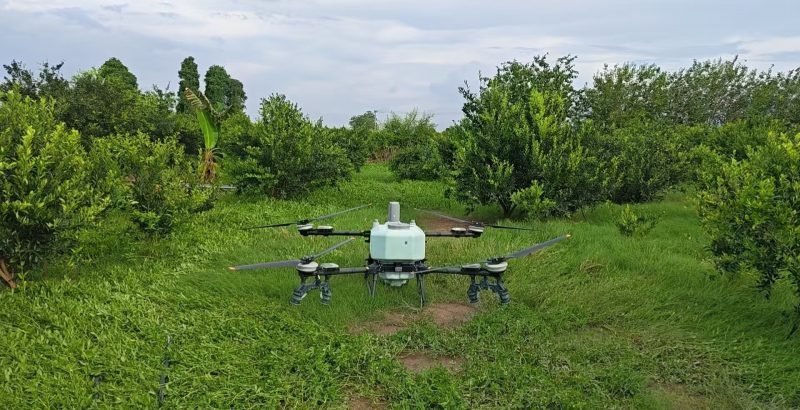
12. Test the Product in the Target Market
Agricultural conditions vary between countries.
Your local market may have different:
-
Crops
-
Weather
-
Terrain
-
Field sizes
-
Agricultural practices
-
Regulations
A drone that works well in one country may require different operational settings in another.
Before launching an OEM product, consider conducting local field testing.
Evaluate:
-
Flight stability
-
Spraying consistency
-
Battery performance
-
Operator experience
-
Application efficiency
-
Software usability
Local testing provides practical information that laboratory specifications cannot fully replace.
13. Check Certification Requirements
One of the most important OEM considerations is regulatory compliance.
Different countries may have requirements related to:
-
Drone registration
-
Radio equipment
-
Batteries
-
Chargers
-
Electromagnetic compatibility
-
Importation
-
Agricultural chemical application
-
Pilot qualifications
Do not assume that certificates from the manufacturer’s home market automatically satisfy your local requirements.
Before production, determine:
Which party is responsible for certification?
Which documents must be supplied?
Who pays certification costs?
Who owns the certificates?
These details should be clearly defined in the OEM agreement.
14. Protect Your Brand and Intellectual Property
Brand protection is important when working with overseas manufacturers.
If you are developing your own agricultural drone brand, consider protecting:
-
Brand name
-
Logo
-
Product packaging
-
Product manuals
-
Software
-
Product designs
-
Marketing materials
Trademark registration in your target market may also be important.
Your OEM contract should clearly define how your branding and proprietary materials can be used.
For custom engineering projects, clarify ownership of:
-
Drawings
-
CAD files
-
Software
-
Firmware
-
Product designs
-
Tooling
-
Custom components
The more customized the project, the more important these agreements become.
15. Quality Control for OEM Agricultural Drones
OEM products require a clear quality-control process.
A typical process may include:
Incoming Component Inspection
↓
Production and Assembly
↓
Electrical Testing
↓
System Testing
↓
Flight Testing
↓
Spraying Testing
↓
Final Inspection
↓
Packaging
The exact process depends on the manufacturer and product.
As a distributor, you should ask for the manufacturer’s quality-control procedures and agree on important acceptance criteria before mass production.
16. Consider Pre-Shipment Inspection
For larger OEM orders, an independent pre-shipment inspection can provide additional protection.
Inspection may cover:
-
Product quantity
-
Appearance
-
Labels
-
Packaging
-
Accessories
-
Battery quantity
-
Serial numbers
-
Basic functions
-
Selected technical requirements
A third-party inspection is not a replacement for your own quality system, but it can provide an additional layer of verification.
17. OEM Packaging Is More Important Than It Looks
Packaging protects the product during international transportation and also affects brand perception.
Consider:
-
Outer carton
-
Protective foam
-
Transport case
-
Product labels
-
Shipping marks
-
User manuals
-
Accessories organization
Agricultural drones contain delicate electronic and mechanical components.
Packaging should therefore be designed for international transportation rather than only showroom presentation.
18. Spare Parts Should Be Part of the OEM Strategy
A distributor should not focus only on the initial drone order.
Prepare a spare-parts plan that may include:
-
Propellers
-
Motors
-
Pumps
-
Nozzles
-
Filters
-
Batteries
-
Chargers
-
Landing components
-
Electronic components
A local spare-parts inventory can reduce customer downtime.
It can also help the distributor build a stronger after-sales service reputation.
19. Warranty Terms Must Be Clear
Before signing an OEM agreement, clarify:
-
Warranty period
-
Covered components
-
Battery warranty
-
Motor warranty
-
Controller warranty
-
Repair procedures
-
Replacement procedures
-
Shipping responsibility
-
Warranty exclusions
The warranty should be documented rather than based only on verbal promises.
20. After-Sales Support Is Critical
Agricultural drones are technical products.
Your customers may need support with:
-
Installation
-
Flight operation
-
Battery management
-
Spraying settings
-
Software
-
Maintenance
-
Troubleshooting
Ask whether the manufacturer can provide:
-
Technical manuals
-
Training videos
-
Remote technical support
-
Product training
-
Troubleshooting guides
-
Spare-parts support
-
Software updates
If you are building a local distribution network, consider requesting technical training for your own service team.
21. How to Build a Long-Term OEM Partnership
A successful OEM relationship should not be based only on price.
Discuss:
-
Annual sales targets
-
Product roadmap
-
New model development
-
Territory
-
Distribution policy
-
Pricing structure
-
Spare parts
-
Warranty
-
Technical support
-
Marketing materials
-
Product updates
A long-term relationship allows both sides to plan inventory and product development more effectively.
22. Questions to Ask an Agricultural Drone OEM Manufacturer
Before starting an OEM project, ask:
-
What OEM services do you provide?
-
What ODM products are currently available?
-
What is the MOQ?
-
What customization options are available?
-
Can you customize the logo?
-
Can you customize packaging?
-
Can you customize the user manual?
-
Can the software interface be customized?
-
Can the product appearance be customized?
-
What are the sample costs?
-
What are the development costs?
-
How long does sample production take?
-
How long does mass production take?
-
What quality-control procedures are used?
-
What certifications are available?
-
Who is responsible for additional certification?
-
What is the warranty?
-
How are spare parts supplied?
-
What technical support is provided?
-
Who owns custom designs and development results?
23. OEM Agricultural Drone Buyer Checklist
Category |
Key Question |
|---|---|
Product |
Which model will be customized? |
Payload |
20L, 30L, 40L or other capacity? |
Branding |
Can the logo be customized? |
Packaging |
Can packaging be private-labeled? |
Software |
What interface options are available? |
MOQ |
What is the minimum order? |
Sample |
Can a sample be produced? |
Cost |
What development fees apply? |
Quality |
What inspection process is used? |
Certification |
Which documents are available? |
IP |
Who owns custom designs? |
Warranty |
What is covered? |
Spare parts |
How are replacements supplied? |
Training |
Is technical training available? |
Lead time |
How long does production take? |
Shipping |
Which Incoterms are available? |
FAQ
What is the difference between agricultural drone OEM and ODM?
OEM generally means the manufacturer produces a product according to the buyer’s requirements or branding. ODM generally means the manufacturer provides an existing design or platform that can be customized for the buyer.
What is the typical MOQ for agricultural drone OEM?
There is no universal MOQ. Simple logo or packaging customization may require less quantity, while technical development, tooling, and major product changes may require larger orders.
Can I sell an agricultural drone under my own brand?
Depending on the agreement with the manufacturer, you may be able to sell customized agricultural drones under your own brand. Branding, trademark rights, product ownership, and distribution terms should be clearly documented.
Can the drone software be customized?
Some manufacturers provide software customization, but the available options vary. Ask specifically about interface, language, branding, flight functions, updates, and software ownership.
Should I order a sample before bulk production?
Yes. A sample allows you to evaluate the product and customization before committing to mass production.
Who should pay for certification?
This depends on the commercial agreement and destination-market requirements. Certification responsibility and costs should be agreed upon before production.
Can I request exclusive distribution rights?
Some manufacturers may offer regional or market-based distribution agreements, depending on order volume, annual sales targets, and commercial conditions.
Final Advice for Agricultural Drone Distributors
OEM and ODM can provide a strong opportunity for distributors that want to establish their own agricultural drone brand.
However, successful OEM cooperation requires more than adding a logo to a drone.
A professional project should cover:
Product Selection → Customization → Sample → Testing → Certification → Mass Production → Quality Control → Packaging → Shipping → Spare Parts → Training → After-Sales Service
For new distributors, starting with an existing agricultural drone platform and making controlled customization can often be faster and less risky than developing a completely new drone.
For established agricultural equipment companies, deeper OEM or ODM cooperation may provide greater product differentiation.
The most important step is to choose a manufacturer that can support your business beyond the initial shipment.
A reliable agricultural drone OEM partner should provide stable production, clear specifications, consistent quality, technical support, spare parts, reasonable MOQ, transparent OEM costs, and long-term cooperation.
Before signing an OEM agreement, confirm every important commercial and technical detail in writing.
The goal is not simply to put your logo on an agricultural drone.
The goal is to build a reliable agricultural drone product that your customers can trust and your business can sell for years.
THE END


No comments yet