



Morning: Preparing for the Flight
Today I decided to take my FPV drone out for a full day of flying practice. The weather was calm, with light wind and clear skies—perfect conditions for both freestyle flying and testing performance.
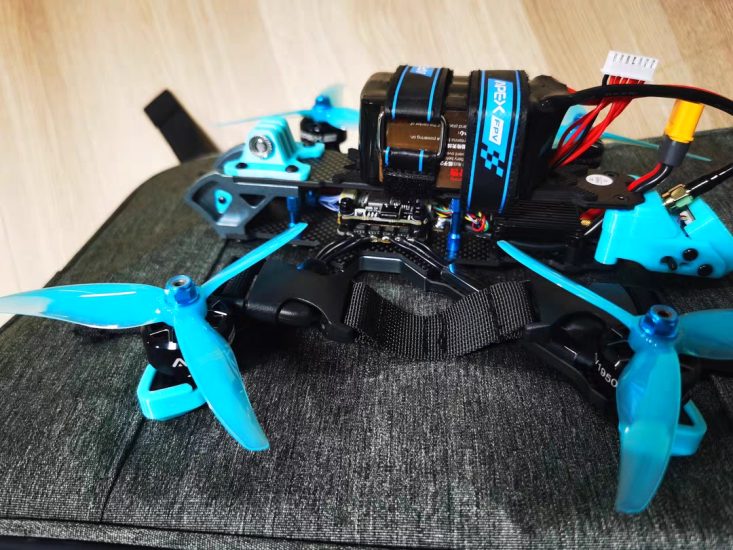
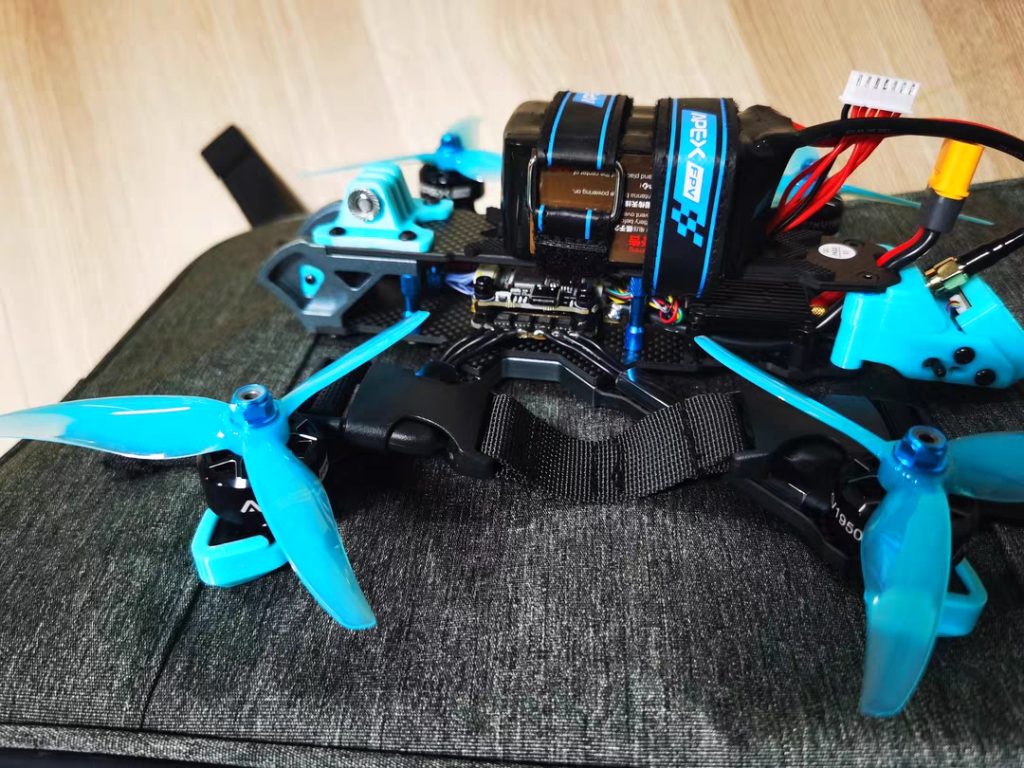
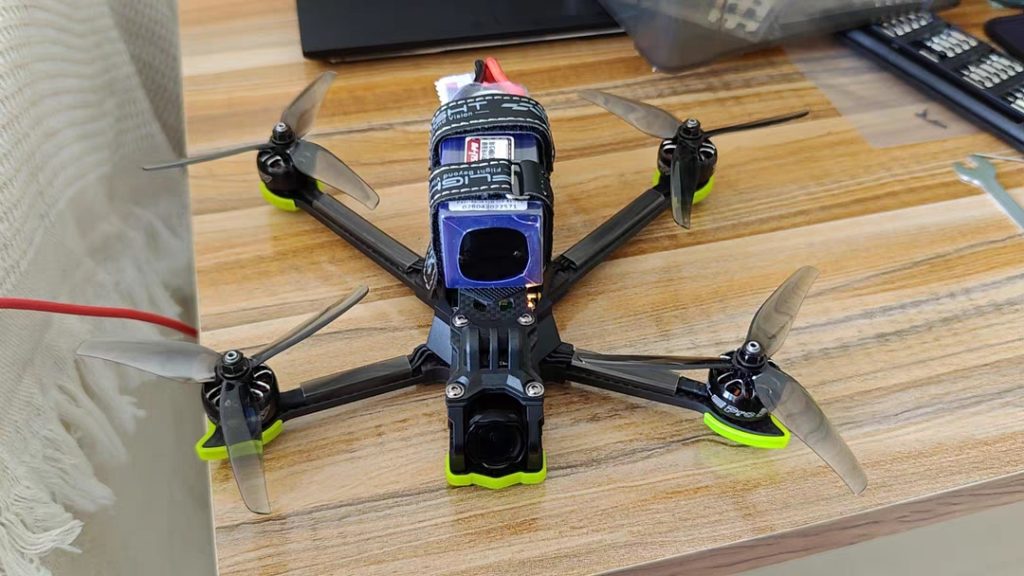
Before leaving, I carefully checked all the equipment:
- Fully charged batteries
- Clean and undamaged propellers
- Stable camera connection
- Secure frame structure
Preparation is always important. A small issue on the ground can become a big problem in the air, especially with FPV flying.
I packed everything into my backpack and headed to a wide open field where I could fly freely without obstacles.
Late Morning: First Takeoff
After arriving at the location, I set up my FPV goggles and controller. The field was quiet, with no people around, which made it ideal for practice.
The moment I powered on the drone, I could feel the excitement building. Once everything was connected, I slowly increased the throttle and lifted off.
The first flight felt smooth and stable. The drone responded quickly, and the FPV view gave me a strong sense of immersion—as if I was flying in the sky myself.
I spent the first few minutes doing basic movements:
- Hovering
- Slow forward flight
- Gentle turns
This helped me warm up and get comfortable with the controls.
Midday: Practicing Freestyle Moves
As I gained confidence, I started practicing freestyle maneuvers. I increased the speed and began trying more dynamic movements.
Some of the maneuvers I practiced included:
- Quick turns
- Small dives
- Basic flips
At first, my control was not perfect. I made a few mistakes and had to adjust my timing and throttle control. But with each attempt, I improved slightly.
One of the best moments was when I successfully completed a smooth dive followed by a clean pull-up. Watching it through the FPV goggles felt incredibly satisfying.
Afternoon: Testing Speed and Control
In the afternoon, I focused on testing the speed and responsiveness of the drone.
I pushed the throttle higher and let the drone accelerate across the open field. The speed was impressive, and the control remained stable even during fast movement.
I also practiced:
- Long straight flights
- Fast turns
- Low-altitude flying
Flying at low altitude gave a strong sense of speed and required precise control. It was challenging but very exciting.
Late Afternoon: Battery Management and Break
After several flights, I noticed the battery levels dropping. FPV flying, especially at high speed, consumes a lot of power.
I decided to take a short break and review my flights mentally. Managing battery usage is important to avoid unexpected power loss during flight.
During the break, I also checked the drone:
- Motors temperature
- Propeller condition
- Frame stability
Everything was still in good condition, so I continued flying.
Evening: Smooth Cinematic Flying
As the sun began to set, the lighting became softer and more cinematic. I switched my flying style from aggressive to smooth and controlled.
I focused on capturing clean and steady movements:
- Slow forward motion
- Wide turns
- Gentle altitude changes
This type of flying required patience and precision. It felt completely different from high-speed flying but equally rewarding.
The golden light made the entire scene look beautiful, and the FPV view was truly immersive.
Final Flight: Ending the Day
For the final flight of the day, I combined everything I practiced:
- Smooth takeoff
- Controlled speed
- Simple freestyle moves
- Clean landing
This last flight felt the most confident and balanced. Compared to the morning, my control had clearly improved.
When I finally powered down the drone, I felt a strong sense of accomplishment.
Reflection
Today’s FPV flying session taught me several important lessons:
- Practice improves control and confidence
- Smooth flying is just as important as speed
- Preparation and equipment checks are essential
- Battery management cannot be ignored
FPV flying is not just about speed or tricks—it is about control, awareness, and continuous improvement.
Conclusion
Spending a full day flying an FPV drone is both exciting and educational. From basic practice to freestyle and cinematic flying, every session offers new experiences and opportunities to improve.
Whether you are a beginner or an experienced pilot, consistent practice and careful preparation will help you become a better FPV drone pilot.
Today was a great day of flying, and I look forward to the next session.


No comments yet