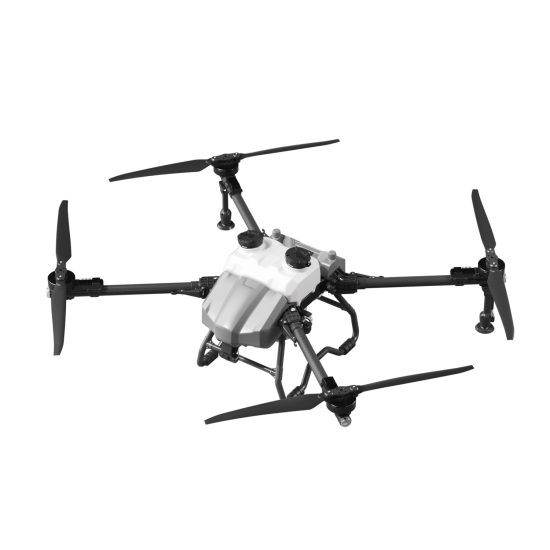


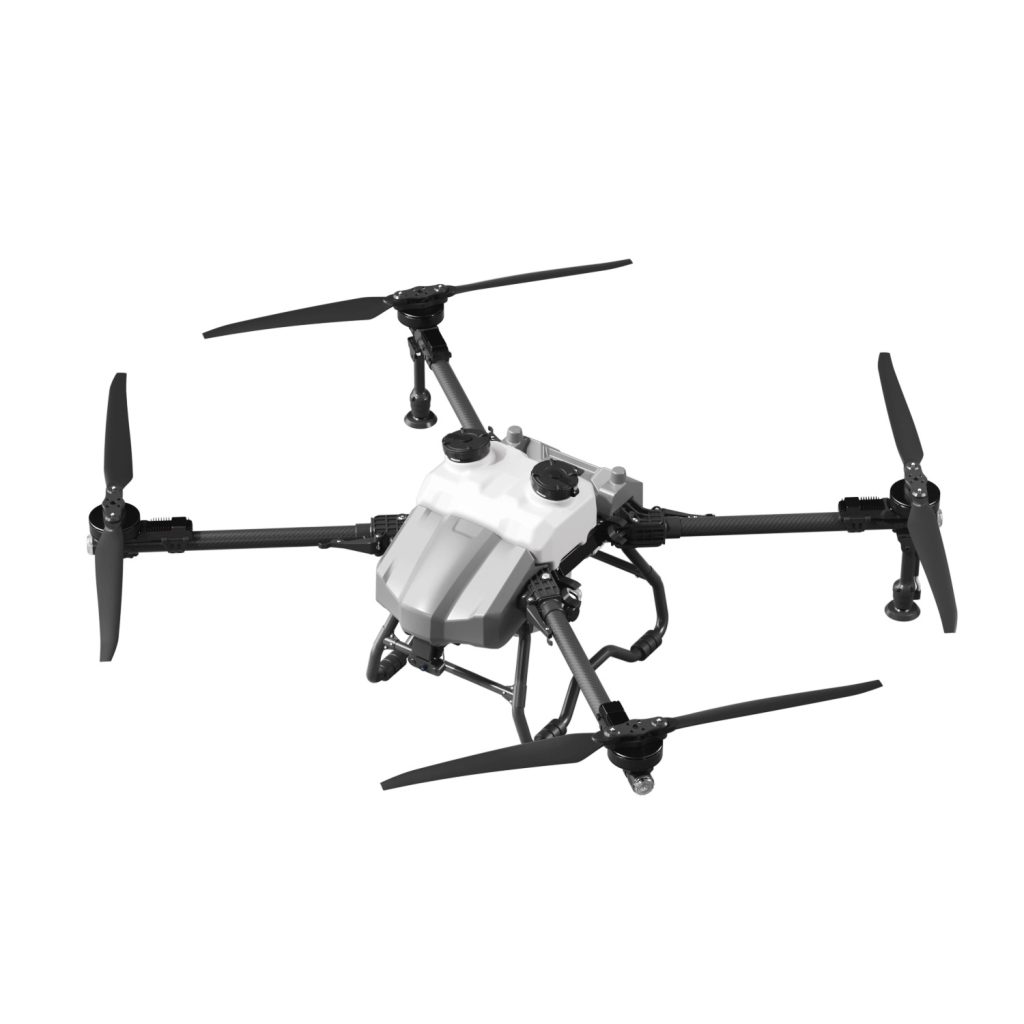

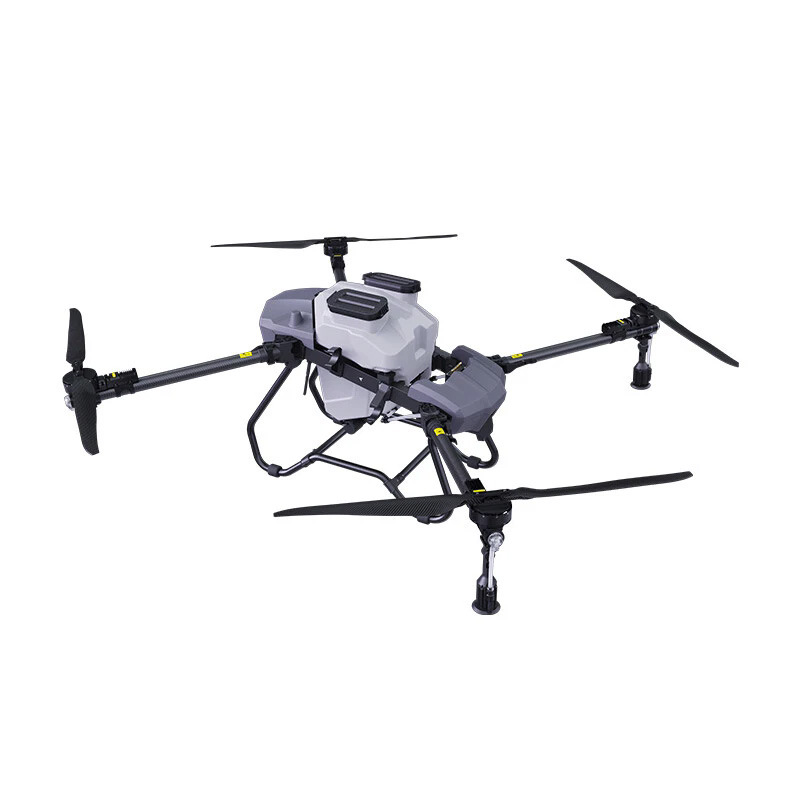
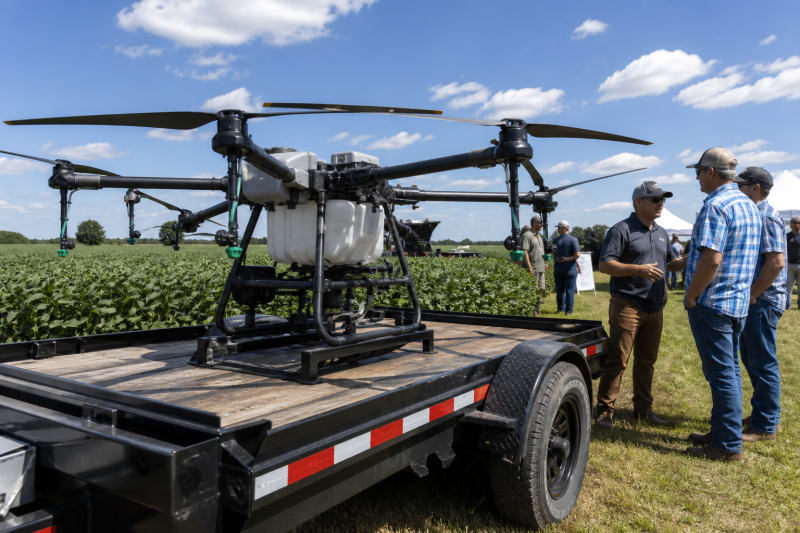
Agricultural spraying drones have transformed modern farming by improving efficiency, reducing labor costs, and increasing crop protection. However, many farmers and drone operators find that their drones do not perform as expected. Poor spraying quality, short flight time, and frequent maintenance issues can reduce productivity and increase operating costs.
If your agricultural drone is not delivering the results you expected, here are seven common problems and practical solutions.
1. Uneven Spray Coverage
Problem
Some areas receive too much pesticide while others are missed, leading to poor pest control and wasted chemicals.
Solution
- Calibrate the spraying system regularly.
- Use high-quality nozzles with uniform droplet sizes.
- Maintain a consistent flight speed and altitude.
- Replace worn or blocked nozzles immediately.
Uniform spraying improves crop health and reduces chemical waste.
2. Short Flight Time
Problem
The drone needs frequent battery changes, reducing daily productivity.
Solution
- Use intelligent lithium batteries with proper maintenance.
- Avoid flying in extreme temperatures.
- Charge batteries with the recommended smart charger.
- Reduce unnecessary payload weight.
Keeping batteries in good condition extends flight time and improves efficiency.
3. Low Spraying Efficiency
Problem
The drone covers fewer hectares than expected.
Solution
- Optimize flight routes using automatic mission planning.
- Select the correct spray width for the crop.
- Match flight speed with spray flow rate.
- Choose a drone with a larger tank if working on large farms.
Efficient route planning can significantly improve daily coverage.
4. Frequent Signal Loss
Problem
The drone disconnects from the remote controller during operation.
Solution
- Check antenna positioning before each flight.
- Avoid flying near communication towers or strong interference sources.
- Update the flight controller firmware.
- Maintain visual line of sight whenever possible.
Reliable communication improves operational safety.
5. Poor Obstacle Avoidance
Problem
The drone struggles to avoid trees, utility poles, or uneven terrain.
Solution
- Use drones equipped with radar and vision sensors.
- Enable terrain-following mode.
- Plan flight routes before spraying.
- Keep obstacle avoidance systems clean and properly calibrated.
Advanced obstacle detection reduces accidents and equipment damage.
6. High Maintenance Costs
Problem
Frequent repairs increase the overall cost of ownership.
Solution
- Perform routine inspections after every operation.
- Replace worn parts before failure.
- Clean the spraying system after each use.
- Purchase drones from manufacturers that provide spare parts and technical support.
Preventive maintenance reduces downtime and extends equipment life.
7. Choosing the Wrong Drone
Problem
The drone does not match the farm size or crop requirements.
Solution
Before purchasing, evaluate:
- Farm size
- Crop type
- Tank capacity
- Battery performance
- Payload
- Flight stability
- After-sales service
- Availability of spare parts
Selecting the right model from the beginning helps avoid unnecessary expenses.
How to Improve Overall Drone Performance
To maximize efficiency:
- Schedule regular maintenance.
- Use genuine spare parts.
- Update software and firmware.
- Train operators properly.
- Monitor battery health.
- Store equipment in a clean and dry environment.
These practices improve reliability and reduce long-term operating costs.
Frequently Asked Questions
Why is my agricultural drone spraying unevenly?
Common causes include blocked nozzles, incorrect flight altitude, inconsistent speed, or poor calibration.
How often should I maintain my spraying drone?
A basic inspection should be completed before and after every flight, with more comprehensive maintenance performed according to the manufacturer’s recommendations.
How can I increase daily spraying capacity?
Optimize flight routes, use larger-capacity batteries, prepare multiple battery sets, and ensure the spraying system is correctly calibrated.
What features should I look for in a new agricultural drone?
Look for GPS navigation, automatic route planning, terrain following, obstacle avoidance, intelligent battery management, and reliable after-sales support.
Where can I find a reliable agricultural drone manufacturer?
Choose a manufacturer with experience in OEM and ODM production, strict quality control, global export experience, technical support, and a dependable spare parts supply.
Conclusion
Most agricultural drone performance problems can be solved through proper maintenance, correct operation, and selecting equipment that matches your farming needs. Investing in a reliable spraying drone with advanced technology not only improves efficiency but also reduces labor costs, minimizes pesticide waste, and increases crop productivity.
Looking for a high-performance agricultural spraying drone? Contact us today to learn more about our professional agricultural drone solutions, request a quotation, and discover how we can help grow your business.


No comments yet