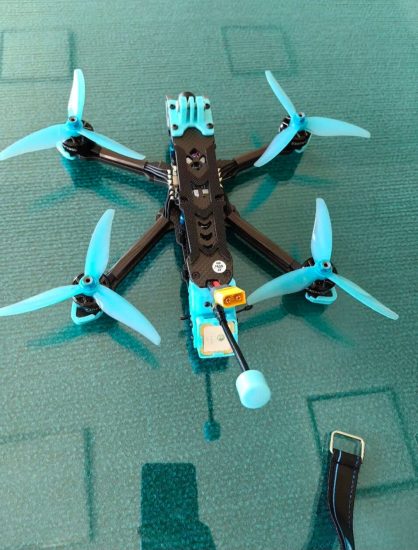



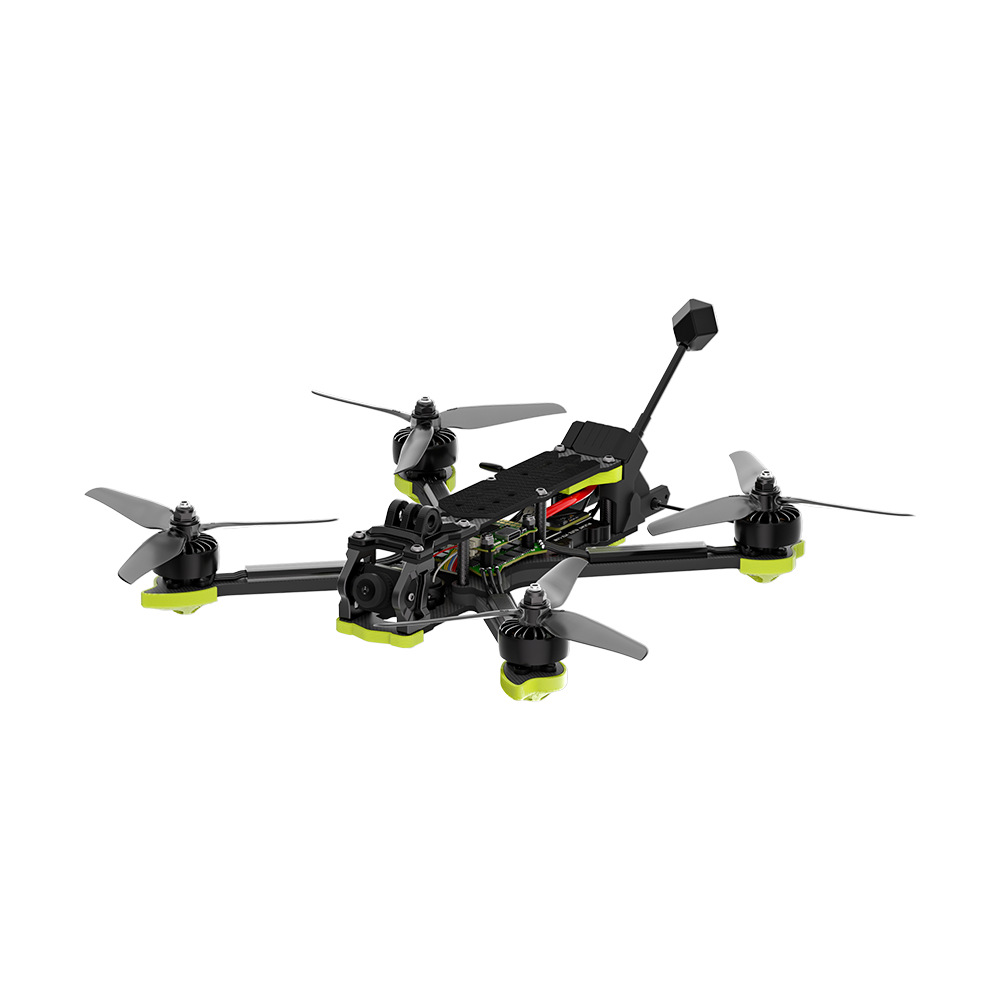

FPV drone signal loss is one of the most frustrating and potentially expensive problems pilots face. Whether you are flying for recreation, racing, aerial photography, industrial inspection, or long-range exploration, a lost signal can lead to interrupted flights, emergency landings, crashes, or even complete loss of the aircraft.
Many pilots assume signal loss is caused by a defective drone or radio system. In reality, signal problems usually result from a combination of equipment setup, environmental conditions, antenna installation, power management, and flight habits.
This guide explains the most common reasons FPV drones lose signal and provides practical solutions to improve flight reliability and safety.
Understanding FPV Drone Signal Loss
An FPV drone typically relies on two separate communication systems:
-
Radio control link
-
Video transmission link
The radio control system allows the pilot to control the aircraft, while the video system sends real-time footage back to the goggles or monitor.
Signal loss can affect either system independently or both simultaneously.
Common symptoms include:
-
Frozen video feed
-
Screen static
-
Delayed control response
-
Telemetry loss
-
Unexpected failsafe activation
-
Automatic return-to-home events
Identifying which system is failing is the first step toward solving the problem.
Poor Antenna Installation
One of the most overlooked causes of signal loss is incorrect antenna placement.
Even high-quality transmission equipment can perform poorly if antennas are installed incorrectly.
Common mistakes include:
-
Antennas blocked by carbon fiber frames
-
Bent antenna elements
-
Loose antenna connectors
-
Antennas positioned too close to electronic components
-
Damaged antenna cables
Proper antenna positioning can dramatically improve both control range and video quality.
A well-installed antenna system often provides greater improvement than simply increasing transmission power.
Flying Behind Obstacles
Radio waves do not travel equally through all objects.
Large obstacles can weaken or block signals, including:
-
Buildings
-
Hills
-
Dense forests
-
Steel structures
-
Concrete walls
-
Industrial facilities
Many pilots experience signal problems not because they are flying too far away but because the aircraft is flying behind physical barriers.
Maintaining a clear line of sight between the drone and the ground station significantly improves signal reliability.
Electromagnetic Interference
Modern environments contain numerous wireless devices that can interfere with FPV systems.
Potential interference sources include:
-
Cellular towers
-
Wi-Fi networks
-
Power stations
-
Communication equipment
-
Industrial machinery
-
High-voltage transmission lines
Flying in crowded urban environments often creates more signal challenges than flying in remote open areas.
If signal quality consistently degrades in a specific location, interference may be the cause.
Low-Quality Antennas
Many pilots invest heavily in radios, receivers, and video transmitters while using low-quality antennas.
The antenna is a critical component of the communication system.
A poor antenna can cause:
-
Reduced range
-
Weak penetration
-
Unstable video feed
-
Inconsistent signal strength
Upgrading to high-quality antennas is often one of the most cost-effective improvements available.
Incorrect Antenna Orientation
FPV antennas have optimal operating angles.
When antennas are pointed incorrectly, signal strength may decrease significantly.
Examples include:
-
Ground station antennas pointed away from the aircraft
-
Receiver antennas mounted parallel to each other
-
Video antennas obstructed by batteries
-
Antennas folded against the frame
Proper antenna orientation helps maintain stronger communication links throughout the flight.
Insufficient Receiver Placement
The receiver location inside the drone affects signal performance.
Poor placement can result in signal blockage from:
-
Batteries
-
Electronic speed controllers
-
Flight controllers
-
Carbon fiber components
Receivers should be installed in areas with minimal interference and adequate antenna exposure.
Professional drone builders pay careful attention to receiver placement during assembly.
Power Supply Problems
Signal systems require stable electrical power.
Voltage fluctuations can cause:
-
Receiver reboots
-
Video transmitter instability
-
Telemetry interruptions
-
Temporary signal drops
Potential causes include:
-
Aging batteries
-
Damaged power cables
-
Poor solder joints
-
Overloaded power systems
Checking the electrical system is an essential part of troubleshooting signal-related issues.
Flying Beyond System Capabilities
Every communication system has practical operating limits.
Some pilots exceed these limits by:
-
Flying too far away
-
Flying at excessive altitude
-
Entering signal-blocking terrain
-
Using equipment outside its intended range
Long-range operations require carefully matched components and realistic flight planning.
A drone capable of flying 20 kilometers physically may not maintain a stable communication link under all conditions.
Damaged Components
Physical damage is another common cause of signal problems.
After crashes or hard landings, inspect:
-
Antennas
-
Receiver modules
-
Transmitter units
-
Coaxial cables
-
Connectors
Small cracks or loose connections can significantly reduce performance.
Routine inspections help identify issues before they become serious problems.
Flight Controller Configuration Issues
Incorrect configuration can create behavior that appears to be signal loss.
Examples include:
-
Improper failsafe settings
-
Incorrect receiver protocols
-
Telemetry misconfiguration
-
Firmware compatibility issues
Regular software checks and proper setup procedures help eliminate configuration-related problems.
Weather Conditions
Environmental conditions can affect communication performance.
Factors include:
-
Heavy rain
-
Dense fog
-
High humidity
-
Strong atmospheric interference
Although modern systems are highly capable, adverse weather can still reduce effective signal range.
Pilots conducting critical missions should always consider weather conditions before takeoff.
Best Practices for Reliable FPV Signal Performance
To maximize reliability:
Use Quality Components
Reliable radios, receivers, transmitters, and antennas provide a strong foundation.
Perform Pre-Flight Inspections
Check all antennas, connectors, and cables before every flight.
Monitor Signal Strength
Watch telemetry data and signal indicators throughout the mission.
Avoid Excessive Risk
Do not push equipment beyond its tested limits.
Maintain Firmware
Keep flight controllers, receivers, and transmitters properly updated and configured.
Test Before Long-Range Missions
Conduct short-range verification flights before attempting extended operations.
Why Commercial Operators Need Reliable Signal Systems
Businesses using FPV drones for inspection, surveying, agriculture, security, or cinematography cannot afford communication failures.
Reliable signal systems provide:
-
Increased operational safety
-
Better mission completion rates
-
Reduced equipment losses
-
Higher productivity
-
Improved data collection quality
Commercial users often choose customized FPV platforms with optimized communication systems specifically designed for their operating environments.
Conclusion
FPV drone signal loss is rarely caused by a single issue. Most communication problems result from a combination of antenna installation, equipment quality, environmental interference, power management, and operational practices.
By understanding how radio and video systems work together, pilots can identify weaknesses in their setup and make informed improvements. Proper antenna placement, quality components, stable power systems, and careful flight planning remain the most effective ways to reduce signal loss and achieve safer, more reliable FPV operations.
FAQ
Why does my FPV video freeze while control still works?
This usually indicates a problem with the video transmission system rather than the radio control link. Antenna placement, interference, or transmitter issues are common causes.
Can a damaged antenna cause signal loss?
Yes. Even minor damage to an antenna or coaxial cable can significantly reduce signal strength and transmission quality.
Does increasing transmitter power always improve range?
Not always. Antenna quality, antenna placement, interference, and environmental conditions often have a greater impact than transmitter power alone.
Why do I lose signal when flying behind buildings?
Buildings, concrete structures, and metal objects can block or weaken radio signals, reducing communication reliability.
How can I improve FPV signal reliability?
Use quality antennas, maintain proper antenna orientation, perform regular equipment inspections, monitor signal strength, and avoid flying beyond the practical limits of your communication system.
THE END



No comments yet