


M
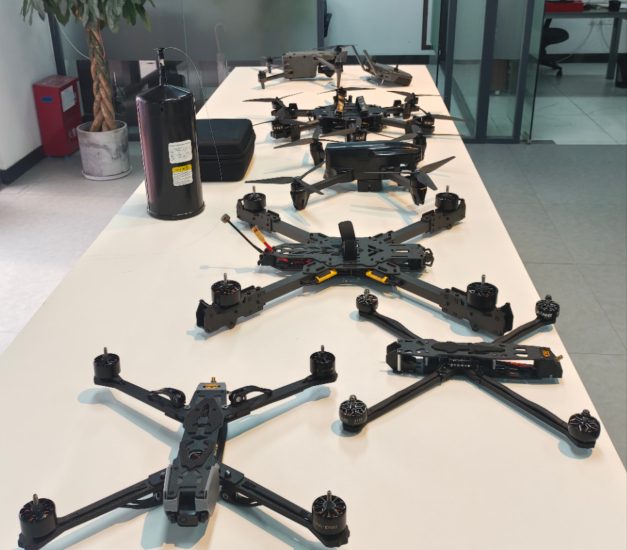
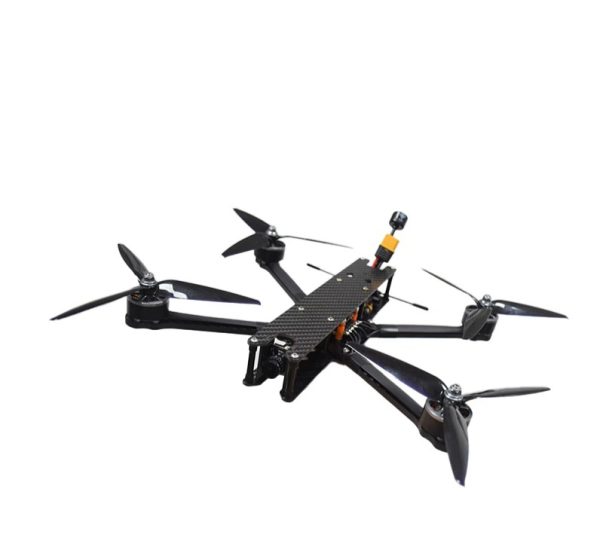
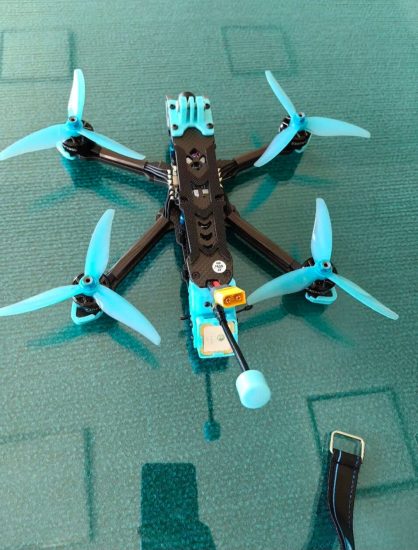
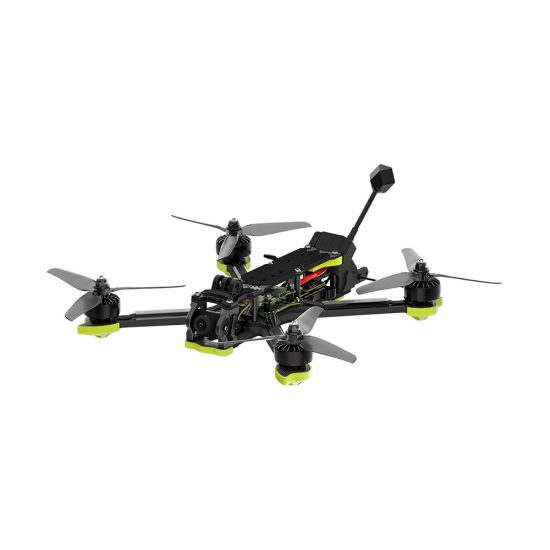
In the realm of remote-controlled aviation, the evolution from simple line-of-sight flying to immersive First Person View (FPV) has been nothing short of revolutionary. Yet, as technology marches forward, the standard for what constitutes a premium flight experience continues to rise. Today, the gold standard is defined by the convergence of high-definition imaging and instantaneous data delivery. The HD FPV drone with real-time video transmission is not just a device; it is a high-performance RC quadcopter engineered for those who refuse to compromise on visual fidelity, whether their goal is breathtaking aerial photography or competitive racing.
The Revolution of Real-Time Video Transmission
For years, FPV pilots operated in a world of “standard definition.” While functional, older analog systems often suffered from “static,” interference, and a lack of clarity that made precise navigation challenging. The advent of real-time video transmission technology has changed the game entirely. By utilizing advanced digital protocols, modern HD FPV drones transmit a clean, crisp, and interference-free signal directly to the pilot’s goggles or monitor.
The term “real-time” is critical here. In high-stakes scenarios—be it a timed race or a complex photographic sweep—latency is the enemy. High-performance transmission systems minimize the delay between the camera capturing an image and the pilot seeing it, often reducing lag to mere milliseconds. This synchronization creates a seamless link between human intention and machine execution, allowing for maneuvers that were previously impossible due to the “guesswork” of older technologies.
Uncompromising Aerial Photography
While speed and racing often dominate the conversation around FPV, the inclusion of an HD camera transforms these quadcopters into powerful tools for aerial photography. Unlike traditional camera drones that hover passively, an HD FPV drone allows the photographer to become part of the action. You aren’t just pointing a lens from afar; you are flying through the shot.
The high-definition capabilities mean that every detail is preserved. Whether you are capturing the jagged edge of a mountain cliff, the intricate patterns of a forest canopy, or the dynamic energy of an urban landscape, the footage is stable, vibrant, and ready for professional editing. The ability to see exactly what the camera sees in HD while in flight allows for “in-the-moment” composition, ensuring that the resulting photography is both technically sound and artistically compelling.
Built for High Performance
Underneath the sleek exterior of these quadcopters lies a powerhouse of engineering. To support HD transmission and high-speed flight simultaneously requires a robust architecture. These drones typically feature high-discharge Lithium Polymer (LiPo) batteries that provide the necessary voltage to keep both the motors and the video transmitter running at peak efficiency.
The flight controllers in these models are equipped with advanced gyroscopes and accelerometers, processing thousands of data points per second to maintain stability even when executing aggressive racing lines. The combination of a rigid carbon fiber frame and responsive brushless motors ensures that the drone remains agile and precise, providing a platform that is as reliable for a photographer waiting for the perfect light as it is for a racer navigating a gate at 70 miles per hour.
The Dual-Threat: Racing and Imaging
What makes this category of drone so compelling is its versatility. It is a “dual-threat” machine.
-
For the Racer: The HD feed provides a competitive edge. You can spot the apex of a turn or the entrance to a gate with pinpoint accuracy. The clarity of the real-time video reduces eye strain during long sessions and increases reaction times.
-
For the Creator: The drone doubles as a high-speed cinema rig. You can capture “FPV cinema” style videos—those sweeping, dynamic shots that have become popular in commercials and films—without needing a separate, slower camera drone.
The User Experience: Seeing is Believing
Flying an HD FPV drone is an exercise in immersion. The moment the goggles power on and the HD feed clicks into place, the pilot is transported. The colors are vivid, the contrast is sharp, and the sense of depth is profound. This high-fidelity visual data helps the brain process the drone’s speed and altitude more effectively, leading to smoother flying and fewer crashes. It bridges the gap between the physical world and the digital feed, creating a sensory experience that is both futuristic and deeply satisfying.
Future-Proofing Your Hobby
Investing in a drone with HD real-time transmission is a step toward future-proofing your hobby. As the FPV community grows, the demand for high-quality content increases. Whether you plan to stream your flights online, compete in organized events, or simply share your adventures with friends and family, having an HD system ensures that your content stands out. It is a commitment to quality that pays dividends in performance and enjoyment.
Conclusion
The HD FPV drone with real-time video transmission represents the pinnacle of current RC quadcopter technology. It successfully merges the need for speed with the desire for beauty, offering a platform that excels in both racing and aerial photography. By providing a clear, instantaneous window into the world of flight, it empowers pilots to push their limits and capture the world in ways they never thought possible. It is more than a machine; it is your eyes in the sky, delivering clarity, performance, and the ultimate flying experience.
Frequently Asked Questions (FAQ)
1. What is the difference between HD recording and HD real-time transmission?
HD recording refers to the quality of the video saved onto the drone’s memory card (e.g., 4K or 1080p). Real-time transmission is the quality of the video streamed to your goggles. While the recording might be 4K, the live feed is often streamed in 720p or 1080p to ensure low latency.
2. Does real-time video transmission have a long range?
Yes, high-performance digital transmission systems can maintain a clear, HD signal for several kilometers in open environments. However, local regulations and safety considerations should always dictate how far you fly.
3. Will the video quality degrade if I fly behind trees or buildings?
While digital HD systems are more resistant to interference than older analog systems, physical obstructions like thick trees or concrete walls can still weaken the signal. It is best to maintain a clear line of sight between the drone and the antenna.
4. Is this drone suitable for professional aerial photography?
Absolutely. The stability of the quadcopter combined with the high-definition camera capabilities makes it suitable for professional-grade shoots, especially for dynamic “action” or “cinematic” footage that traditional slow-flying drones cannot capture.
5. How does weather affect the performance of an HD FPV drone?
Like all RC aircraft, high winds can affect handling. However, the high-performance motors in these quadcopters are designed to handle moderate breezes. Rain and moisture should be avoided as they can damage the electronics and the camera lens.
6. Can I switch between HD and a lower resolution for more speed?
Some advanced systems allow you to adjust the transmission settings. Lowering the resolution or frame rate can sometimes reduce latency further, which is preferred by competitive racers, while photographers usually stick to the highest resolution available.
7. What kind of maintenance does the camera and transmission system require?
Maintenance is minimal. It is recommended to regularly check for firmware updates for the video transmitter and goggles. Keeping the camera lens clean from dust and smudges is also crucial for maintaining HD image quality.
THE END



No comments yet