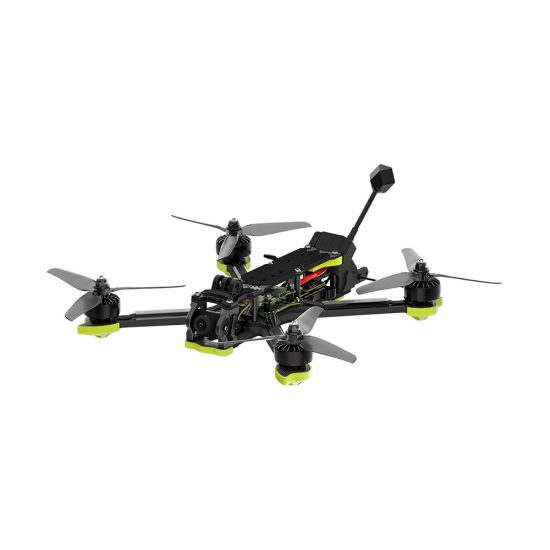


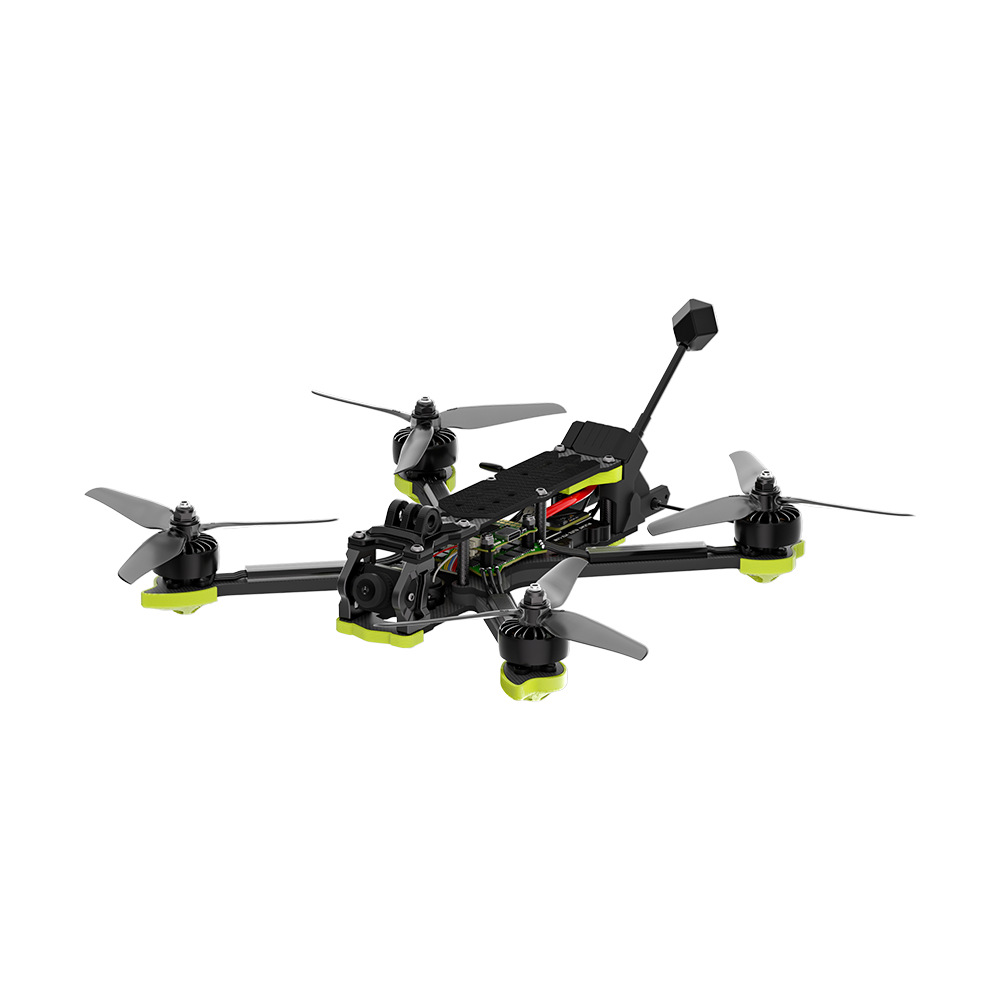
For many enthusiasts, the idea of flying a drone conjures images of vast, open fields, sweeping landscapes, and high-altitude photography. However, the soul of First Person View (FPV) flight often lies in the intricate, the immediate, and the accessible. Welcome to the world of the mini FPV drone—a portable, first-person view RC quadcopter designed specifically for the art of indoor flight. This isn’t merely a scaled-down version of an outdoor racer; it is a precision instrument engineered to bring the thrill of immersive aviation into your living room, office, or garage, regardless of the weather outside.
The Rise of the Micro-Aviator
The mini FPV drone represents a shift in the RC hobby. While large drones require significant space and planning, the mini quadcopter thrives on spontaneity. Its compact size means that a rainy Tuesday afternoon no longer grounds your flying ambitions. You can take off from your kitchen table, weave through a hallway, and dive under a coffee table, all while wearing FPV goggles that transport you into a world where everyday objects become towering obstacles and thrilling race gates.
Portability: Your Pocket-Sized Passport to Flight
One of the most significant advantages of this class of drone is its portability. Traditional FPV setups often require bulky backpacks and multiple cases for the drone, batteries, and goggles. In contrast, a mini FPV drone is designed for the minimalist. These quadcopters are lightweight enough to fit in the palm of your hand or slip into a small compartment of a laptop bag. This “take anywhere” capability ensures that you are never without your fix of adrenaline. Whether you are traveling for work, visiting friends, or simply moving from room to room, your drone is ready to deploy at a moment’s notice.
Real-Time Video Transmission: The Window to Your World
The heart of the FPV experience is the video transmission system. In a mini drone designed for indoor flight, the quality and latency of this transmission are paramount. Because indoor environments often involve close proximity to walls and furniture, the pilot needs a crystal-clear, instantaneous feed to navigate safely. Modern mini FPV drones utilize advanced 5.8GHz analog or digital transmission systems that deliver a real-time view with virtually zero lag. This immediacy is what allows pilots to perform “split-S” maneuvers in a narrow corridor or thread the needle through a narrow doorway. The camera, often protected by a durable canopy, acts as your eyes, capturing the rich textures of your indoor environment in a way that feels incredibly lifelike.
Mastering the Indoor Environment
Flying indoors presents a unique set of challenges and rewards. Without the wind to contend with, pilots can focus entirely on precision and control. The mini FPV drone excels in this environment due to its agility and responsiveness.
-
Proximity Flying: Indoors, you can fly inches away from surfaces. This “proximity flying” is a discipline in itself, requiring intense concentration and a steady hand. The reward is a visual experience that is far more intense than outdoor flying, as the ground and walls rush past your goggles at high speed.
-
Micro-Aerobatics: Despite their small size, these quadcopters are capable of incredible aerobatic feats. Barrel rolls, power loops, and flips can be executed in spaces no larger than a walk-in closet. The high thrust-to-weight ratio of modern mini drones means they can change direction almost instantaneously, making them the perfect tool for practicing complex 3D maneuvers.
The Technology Behind the Tiny Titan
Don’t let the size fool you; the engineering inside a mini FPV drone is sophisticated. These devices often feature “Brushless” or high-efficiency “Brushed” motors that spin at tens of thousands of RPMs. They are equipped with high-capacity Lithium Polymer (LiPo) batteries that provide a potent burst of energy, though flight times are typically shorter (around 4 to 7 minutes) due to the high power draw.
To compensate for this, the portable nature of the kit allows pilots to carry multiple batteries. Swapping a battery takes only seconds, ensuring that the downtime between flights is minimal. Additionally, many mini drones feature “Propeller Guards” or “Cages” that not only protect the drone from crash damage but also prevent damage to your home and injury to spectators.
The Learning Curve: From Living Room to Championship
For many professional FPV pilots, the journey began in a living room with a toy-grade or mini quadcopter. The confined space forces a pilot to develop fine motor skills and a deep understanding of throttle control. Because mistakes happen close to the ground and at lower speeds, the consequences of a crash are usually minimal. This makes the mini FPV drone an exceptional trainer. By mastering the art of indoor flight, you build the muscle memory required to handle larger, faster drones outdoors.
The Social Aspect of Indoor FPV
There is a unique camaraderie that develops when flying indoors with friends. Setting up a “gate” course in a basement or a large living room turns a casual evening into a competitive event. Spectators can watch the live feed on a monitor while the pilot wears the goggles, creating a shared experience that is both tense and exhilarating. It transforms a solitary hobby into a social gathering, bringing people together through a shared love of technology and flight.
Conclusion: The Freedom of the Indoor Sky
The mini FPV drone for indoor flight is more than just a gadget; it is a testament to how far technology has come. It offers a portable, immersive, and endlessly entertaining way to explore the world from a bug’s-eye view. With real-time video transmission providing a clear window into your surroundings, you can push the limits of your piloting skills without ever leaving the house. So, clear the furniture, charge your batteries, and prepare to discover the vast potential of the indoor skies. The world is smaller than you think, and with a mini FPV drone, it is infinitely more exciting.
Frequently Asked Questions (FAQ)
1. Is it safe to fly a mini FPV drone indoors?
Yes, mini FPV drones are generally safe for indoor flight, especially models equipped with propeller guards or a protective frame (ducts). However, we recommend flying in open areas of the house initially to avoid fragile items like vases or televisions.
2. How does real-time video transmission work without Wi-Fi?
Most FPV drones use a dedicated radio frequency (typically 5.8GHz) to transmit video directly from the drone’s camera to the goggles. This creates a private, low-latency connection that does not rely on the internet or local Wi-Fi networks.
3. Can I fly this drone outside?
While designed for indoor use, many mini drones can be flown outdoors in calm weather. However, their light weight makes them susceptible to wind, so outdoor flights should be limited to wind-free days and enclosed areas.
4. What is the average flight time for a portable mini FPV drone?
Due to their small size and high power output, flight times usually range from 4 to 8 minutes. Their portability allows you to carry several spare batteries, extending your total flight time significantly.
5. Do I need a lot of space to fly indoors?
Not necessarily. One of the benefits of a mini quadcopter is that it can be flown in relatively small spaces, such, as a single room or a hallway. As your skills improve, you can navigate tighter spaces with greater confidence.
6. Is the video feed from the drone recorded?
The real-time video is displayed in the goggles for flying. If you wish to record your flights, many mini drones come with a built-in DVR (Digital Video Recorder) in the goggles or an SD card slot on the drone itself to save the footage.
7. How durable are these portable quadcopters?
They are built to be highly durable. The frames are usually made from flexible polypropylene or carbon fiber, allowing them to absorb the shock of minor crashes. Replacement parts like propellers are cheap and easy to install, making repairs straightforward.
THE END



No comments yet