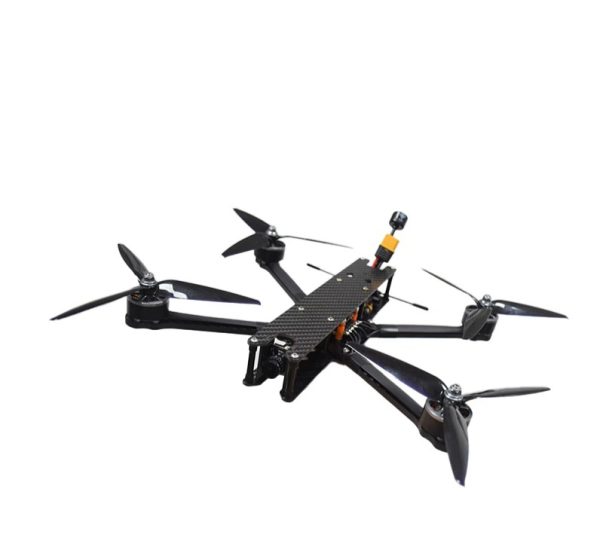




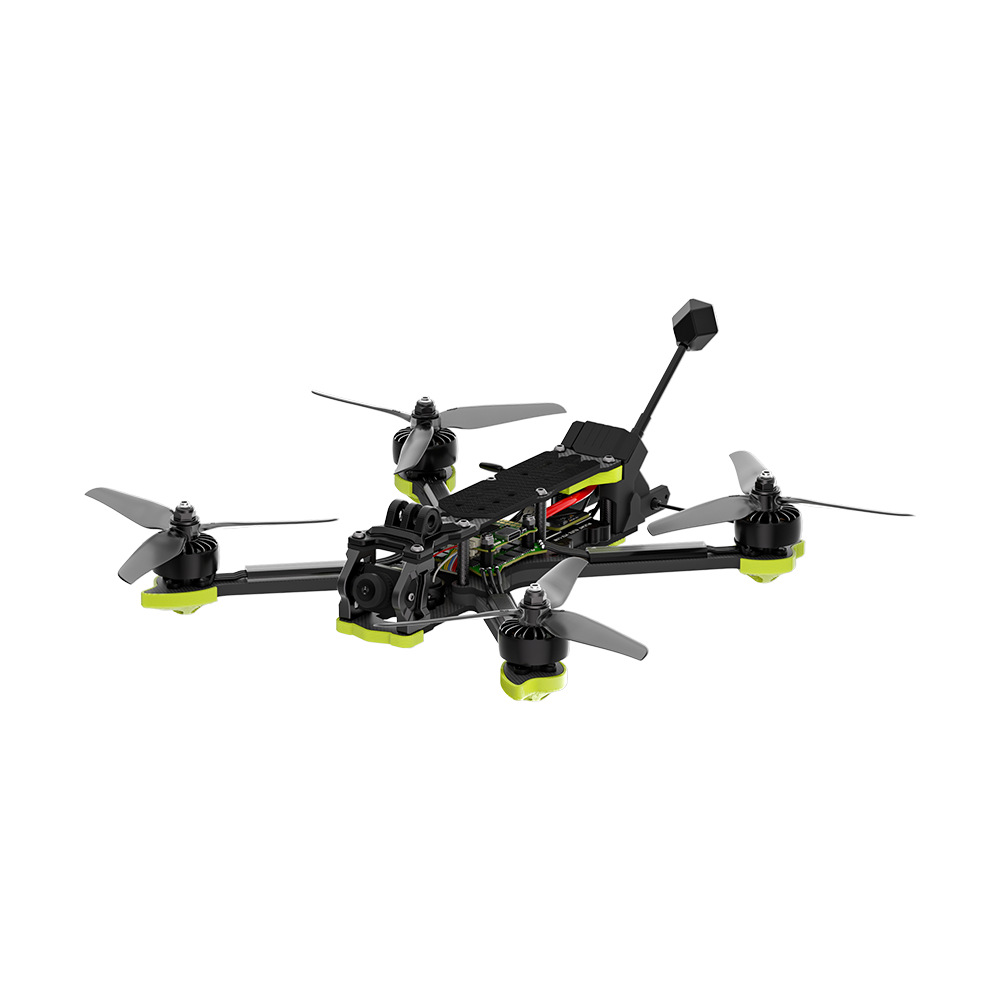
As drone technology evolves at a breakneck pace, global aviation authorities are continuously updating their frameworks to ensure airspace safety. Whether you are operating a consumer quadcopter for aerial photography or managing a fleet of heavy-duty industrial drones for enterprise operations, understanding compliance is no longer optional—it is a strict legal requirement.
Operating a drone without proper registration or entering restricted airspace can result in severe penalties, heavy fines, or the confiscation of equipment. This guide breaks down the essential steps to ensure your drone operations remain completely legal, safe, and hassle-free.
The Core Pillars of Drone Compliance
To achieve full compliance before your propellers even turn, you must address three primary regulatory pillars:
1. Drone Registration (The Identity)
Most countries require any drone weighing over 249 grams to be registered with the local civil aviation authority. Upon registration, you are issued a unique registration number that must be physically labeled on the aircraft. For enterprise and heavy commercial drones, the registration requirements are even stricter, often requiring manufacturing serial numbers and proof of airworthiness.
2. Pilot Certification (The License)
While casual hobbyists flying lightweight drones under 249g enjoy fewer restrictions, flying for commercial purposes or operating heavier aircraft requires a formal pilot license or certificate. This involves passing a written test covering:
- National airspace classifications
- Aviation weather basics
- Emergency procedures and safety protocols
3. Remote ID (The Digital License Plate)
A major shift in recent drone regulations globally is the mandatory implementation of Remote ID. This technology acts as a digital license plate, broadcasting the drone’s identity, location, and altitude via radio frequencies or cellular networks while in flight. Ensure your drone hardware supports built-in Remote ID or is equipped with a certified external module.
Step-by-Step Guide to Legal Flight Authorization
Before taking off, especially in urban environments or controlled airspaces, follow this standard operational workflow:
- Step 1: Consult Digital Airspace Charts. Always use official civil aviation apps or approved third-party mapping software to check your location. Identify nearby airports, military zones, temporary flight restrictions (TFRs), and critical infrastructure.
- Step 2: Apply for Airspace Authorization. If your commercial project falls within controlled airspace (e.g., near a city center or a low-altitude corridor), you must submit a digital flight plan. Specify your exact flight time, maximum altitude, and operational radius to obtain a digital waiver.
- Step 3: Conduct Pre-Flight Compliance Checks. Verify that your Remote ID is broadcasting correctly, your registration sticker is visible, and you possess your digital or physical pilot credentials on-site.
Frequently Asked Questions (FAQ)
Q1: Do I need to register a mini drone that weighs exactly 249 grams?
A: Generally, no. In many major jurisdictions, drones weighing under 250g are exempt from standard registration and pilot licensing if flown strictly for recreational purposes. However, if you attach accessories (like a heavy propeller guard or a secondary camera) that push the take-off weight over 249g, or if you use it for commercial work, you must register it.
Q2: What happens if I fly a drone without a Remote ID?
A: Operating a drone that requires Remote ID without a functioning broadcast system is a direct regulatory violation. It can result in significant monetary fines from aviation authorities and, in commercial sectors, can completely invalidate your liability insurance coverage in the event of an accident.
Q3: How high can I legally fly my drone?
A: In most standard open categories worldwide, the maximum legal altitude for drone operations is 120 meters (approximately 400 feet) above ground level (AGL). Flying higher requires special waivers and coordination with local air traffic control to avoid interfering with manned aircraft.
Q4: Can I fly my drone over crowds or moving vehicles?
A: Flying directly over unprotected assemblies of people or moving traffic is highly restricted or prohibited in most drone frameworks due to safety risks. To do this legally, you typically need an advanced commercial permit, a drone equipped with a certified parachute recovery system, and strict risk-mitigation protocols.
Q5: How do I handle compliance if I am importing a drone for a specific enterprise project?
A: Ensure the manufacturer provides standard wireless compliance certificates (such as FCC or CE markings). Once the hardware arrives, register the drone under your local commercial entity and ensure the firmware is updated to broadcast the correct local Remote ID protocols.



No comments yet