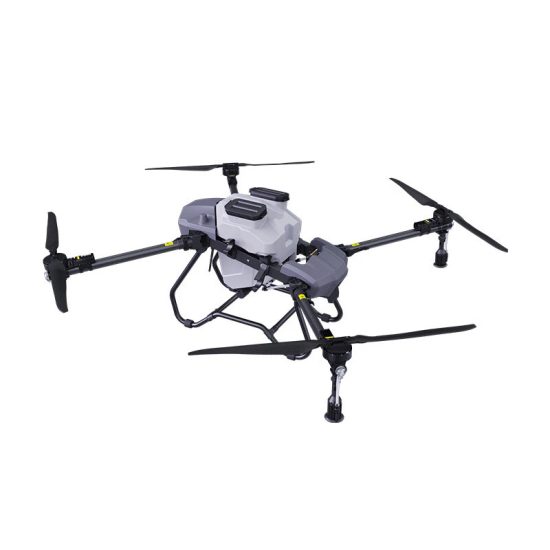


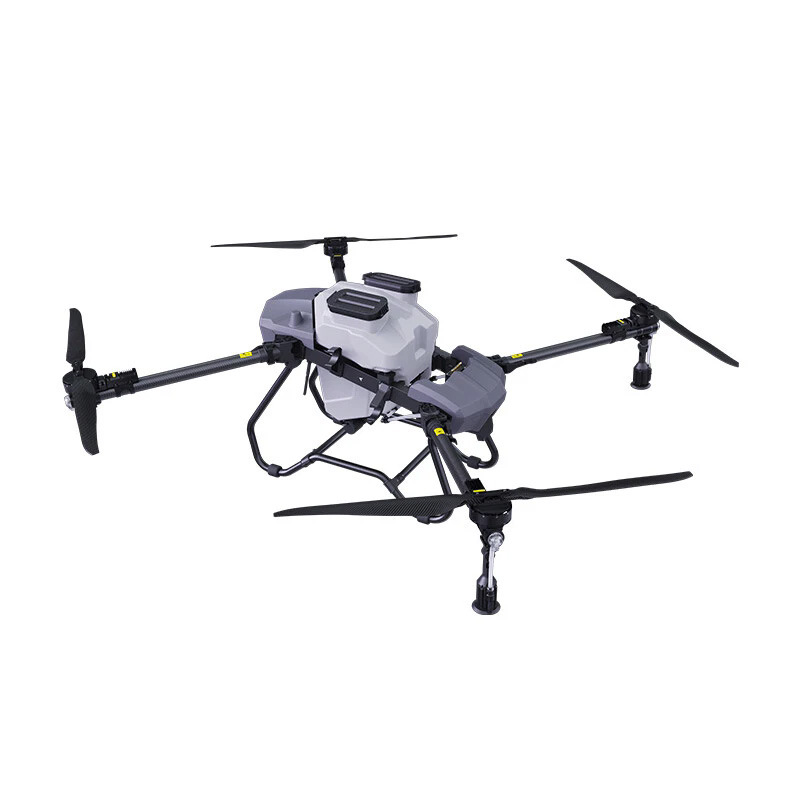
Agricultural drones are changing modern farming by making crop protection faster, more accurate, and more efficient. However, many farmers and agricultural businesses still ask an important question:
“Which crops can be sprayed with agricultural drones?”
The answer is: agricultural drones can be used for a wide range of crops, including field crops, fruit trees, vegetables, and specialty plantations. The best drone configuration depends on crop type, field conditions, and spraying requirements.
This guide explains the main crop applications of agricultural spraying drones and their benefits.
1. Rice Farming
Rice is one of the most common crops using agricultural drones.
Drones can help with:
- Pesticide spraying
- Fungicide application
- Fertilizer spraying
- Growth regulator application
Benefits:
- Works well in muddy fields where machinery cannot enter
- Reduces labor requirements
- Improves spraying uniformity
- Protects crops during critical growth stages
2. Wheat and Corn
Large-scale wheat and corn farms benefit greatly from drone spraying.
Applications include:
- Pest control
- Disease prevention
- Foliar fertilizer spraying
- Crop nutrition management
Advantages:
- Covers large areas quickly
- Reduces tractor damage to crops
- Improves chemical application efficiency
3. Cotton
Cotton farming requires multiple crop protection operations throughout the growing season.
Agricultural drones can be used for:
- Insecticide spraying
- Disease control
- Plant growth regulator application
Drone spraying helps farmers reach large cotton fields with less labor and lower operating costs.
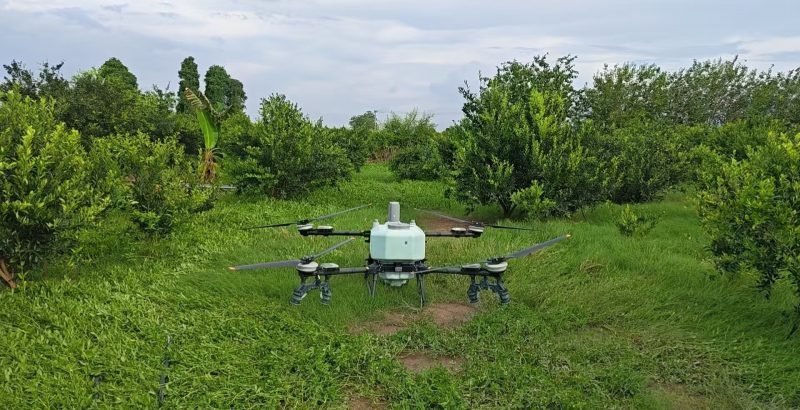
4. Fruit Orchards
Fruit trees are ideal applications for agricultural drones.
Common orchard applications:
- Apple orchards
- Orange groves
- Mango plantations
- Grape farms
- Citrus farms
Advantages:
- Reaches high tree canopies
- Provides better coverage
- Reduces manual spraying risks
- Saves water and chemicals
For orchard operations, drones with powerful spray pressure and terrain-following technology are recommended.
5. Tea Plantations
Tea farms often have difficult terrain and large planting areas.
Agricultural drones can help with:
- Pest management
- Disease prevention
- Nutrient spraying
Benefits:
- Works on slopes and uneven terrain
- Reduces worker exposure to chemicals
- Improves plantation management efficiency
6. Vegetable Crops
Vegetable growers use drones for precision spraying on:
- Tomatoes
- Potatoes
- Onions
- Lettuce
- Peppers
- Cucumbers
Benefits include:
- Accurate pesticide application
- Reduced chemical waste
- Faster field coverage
7. Sugarcane
Sugarcane fields often cover large areas, making traditional spraying expensive.
Drones provide:
- Efficient pest control
- Fertilizer application
- Growth management
Large-capacity drones can significantly improve productivity for commercial plantations.
8. Coffee Plantations
Coffee farms, especially those located in mountainous regions, benefit from drone technology.
Applications:
- Fungicide spraying
- Pest control
- Plant nutrition
Advantages:
- Accesses difficult terrain
- Reduces manual labor
- Improves farm safety
9. Soybean and Other Field Crops
Agricultural drones are also widely used for:
- Soybeans
- Peanuts
- Sunflowers
- Rapeseed
- Other commercial crops
They help farmers manage:
- Diseases
- Insects
- Nutrient deficiencies
Why Choose Agricultural Drones for Crop Spraying?
1. Higher Efficiency
A professional agricultural drone can cover large farmland areas in a short time, reducing spraying time compared with manual methods.
2. Lower Labor Costs
Labor shortages are a major challenge in agriculture. Drones reduce dependence on manual spraying teams.
3. Precise Application
Modern drones use:
- GPS positioning
- RTK technology
- Intelligent route planning
- Automatic flow control
These systems improve spraying accuracy.
4. Reduced Chemical Usage
Precision spraying helps:
- Reduce pesticide waste
- Lower environmental impact
- Improve crop management
5. Access Difficult Areas
Drones can operate in:
- Mountains
- Wet fields
- Large plantations
- Uneven terrain
where traditional equipment may struggle.
How to Choose the Right Agricultural Drone for Different Crops?
Consider these factors:
Crop Height
Low crops:
- Rice
- Wheat
- Vegetables
High crops:
- Fruit trees
- Sugarcane
- Orchards
High crops may require stronger spraying systems.
Farm Size
Small farms:
- 10L–20L drones
Medium farms:
- 20L–30L drones
Large farms:
- 40L–70L drones
Terrain Conditions
For complex terrain, choose drones with:
- RTK positioning
- Terrain radar
- Obstacle avoidance
- Stable flight control
FAQ: Agricultural Drone Crop Applications
Can agricultural drones spray fruit trees?
Yes. Drones are widely used for citrus, apple, mango, grape, and other orchards.
Can drones spray rice fields?
Yes. Rice is one of the most common crops for agricultural drone spraying.
Are agricultural drones suitable for small farms?
Yes. Small and medium-capacity drones can provide affordable solutions for smaller farms.
Can drones spray fertilizer as well as pesticides?
Yes. Many agricultural drones support both liquid spraying and granular fertilizer spreading.
Can agricultural drones work on mountain farms?
Yes. Their ability to fly over uneven terrain makes them suitable for plantations and remote agricultural areas.
Conclusion
Agricultural drones can be used for almost all major crop types, from rice and wheat to orchards, vegetables, and plantations. By improving spraying accuracy, reducing labor costs, and increasing farming efficiency, drones are becoming an essential tool for modern precision agriculture.
Choosing the right agricultural drone depends on your crop type, farm size, terrain, and spraying requirements. Working with an experienced agricultural drone manufacturer can help you find the best solution for your farming needs.


No comments yet