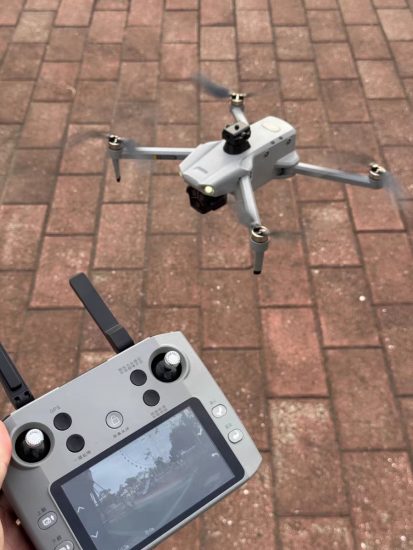


![Image [1]-What to Look for When Buying a Drone for Professional Aerial Filming-msoen](https://www.msoen.com/wp-content/uploads/2025/12/705be9ca8a203751-768x1024.jpg)
![Image [2]-What to Look for When Buying a Drone for Professional Aerial Filming-msoen](https://www.msoen.com/wp-content/uploads/2025/12/c134edd9b8203751-768x1024.jpg)
![Image [3]-What to Look for When Buying a Drone for Professional Aerial Filming-msoen](https://www.msoen.com/wp-content/uploads/2025/12/a6d15c5d90203343-768x1024.jpg)
![Image [4]-What to Look for When Buying a Drone for Professional Aerial Filming-msoen](https://www.msoen.com/wp-content/uploads/2025/12/a2749201af203343-768x1024.jpg)
![Image [5]-What to Look for When Buying a Drone for Professional Aerial Filming-msoen](https://www.msoen.com/wp-content/uploads/2025/12/6f55cfd782203343-768x1024.jpg)
![Image [6]-What to Look for When Buying a Drone for Professional Aerial Filming-msoen](https://www.msoen.com/wp-content/uploads/2025/12/47dc5571e6203750-768x1024.jpg)
Professional aerial filming is no longer limited to big-budget movie productions. Today, independent filmmakers, content creators, real estate agents, travel vloggers, and small production teams use drones to capture stunning cinematic shots that once required helicopters and expensive rigs.
But not every drone is suitable for professional work. Many people make the mistake of choosing a drone based on marketing claims rather than real-world performance. If you want consistent, high-quality footage that looks polished and professional, you need to know what truly matters.
This guide explains the most important factors to consider when buying a drone for professional aerial filming—so you can make a smart investment that supports your creative goals.
1. Image Quality Is the Foundation of Professional Footage
Professional filming starts with image quality. While many drones advertise high resolution, true quality comes from a combination of factors.
Sensor Size and Dynamic Range
A larger sensor typically produces:
- Better low-light performance
- Smoother color transitions
- Less digital noise
- Greater dynamic range
Dynamic range is especially important in aerial filming because you often capture bright skies and dark landscapes in the same frame.
Color Profiles and Bit Depth
Professional drones usually support flat or log color profiles. These preserve more detail and allow greater flexibility in color grading.
If you want cinematic results, your drone should offer:
- Flat or log color modes
- High bitrate recording
- Smooth tonal transitions
Lens Quality
A sharp lens with minimal distortion is essential. Poor lenses create soft edges, warping, and unnatural lines—especially noticeable in wide aerial shots.
2. Stabilization Makes or Breaks Your Footage
No matter how good your camera is, shaky footage looks amateur.
A professional aerial filming drone must have a high-quality 3-axis gimbal that stabilizes movement in all directions.
A good gimbal:
- Smooths out vibrations
- Keeps the horizon level
- Absorbs sudden movements
- Allows controlled tilt and pan
Stable footage saves time in post-production and gives your videos a polished look.
3. Flight Performance and Control Precision
Professional filming requires precise movements.
Your drone should respond smoothly to control input, allowing you to:
- Move slowly and steadily
- Execute clean turns
- Maintain consistent speed
- Hover accurately
Look for drones with:
- Advanced GPS positioning
- Vision-based stabilization
- Multiple flight modes
These features help you maintain stable framing even in challenging environments.
4. Intelligent Flight Modes for Cinematic Shots
Smart flight features can dramatically improve your workflow.
Subject Tracking
Keeps your subject centered while the drone follows automatically.
Waypoints
Allows you to pre-program a flight path, useful for repeatable shots.
Orbit Mode
Creates smooth circular movements around a subject.
Automated Reveals
Perfect for cinematic introductions.
These tools reduce the need for complex manual control and allow you to focus on creativity.
5. Battery Performance and Power Management
Professional shoots often require multiple takes, location changes, and long setup times.
Real-world flight time is usually shorter than advertised due to:
- Wind
- Cold temperatures
- High-speed flying
- Camera load
For serious filming, you should:
- Carry at least three batteries
- Use smart charging systems
- Avoid pushing batteries to zero
Good battery management prevents rushed shoots and lost footage.
6. Portability and Setup Speed
Professional work doesn’t always mean big equipment.
Many filmmakers prefer compact drones because they:
- Are easy to carry
- Set up quickly
- Draw less attention
- Fit into backpacks
However, larger drones often provide:
- Better wind resistance
- Larger sensors
- More stable flight
Your choice depends on how and where you shoot.
7. Safety Systems Are Not Optional
When filming professionally, you’re often flying near people, buildings, vehicles, or nature.
Your drone should include:
- Obstacle avoidance sensors
- Automatic braking
- Emergency landing systems
- Signal-loss return
These features protect both your equipment and your reputation.
8. Transmission Quality and Range
Professional filming requires a reliable video feed.
Look for drones with:
- Low-latency transmission
- Strong signal stability
- Long-range capability
- High-resolution live preview
A clear live feed helps you frame shots accurately and avoid obstacles.
9. Ergonomics and Controller Design
Long filming sessions demand comfort.
A professional controller should:
- Feel natural in your hands
- Have customizable buttons
- Provide precise joystick response
- Include a bright display
If the controller feels awkward, it will limit your performance.
10. Flying Techniques for Cinematic Footage
Even the best drone won’t help if your flying technique is poor.
Move Slowly
Cinematic footage feels calm and deliberate.
Combine Motions
Forward movement + gentle sideways motion = depth.
Use Altitude Changes
Subtle ascents and descents add emotion.
Avoid Sudden Stops
Ease in and out of movements.
11. Composition Principles for Aerial Filmmaking
Aerial composition follows the same principles as ground-based filmmaking.
Leading Lines
Roads, rivers, bridges, and coastlines guide the viewer’s eyes.
Frame Your Subject
Use natural elements like trees or cliffs.
Balance the Shot
Avoid cluttered or chaotic scenes.
12. Lighting and Timing
Lighting determines mood.
Golden Hour
Soft shadows and warm tones.
Cloudy Days
Dramatic skies and soft contrast.
Avoid Harsh Midday Light
Unless you want a documentary look.
13. Pre-Flight Planning
Professional pilots always plan ahead.
Check:
- Weather conditions
- Wind speed
- Restricted areas
- Takeoff zones
Planning prevents mistakes.
14. Post-Production Workflow
Professional footage is refined in editing.
Color Correction
Fix exposure and white balance.
Color Grading
Create mood and consistency.
Stabilization
Fix micro-jitters.
Sound Design
Adds emotional depth.
15. Mistakes That Hurt Professional Results
Avoid:
- Flying too high
- Overusing automated modes
- Ignoring wind
- Not practicing manual control
16. Long-Term Reliability
A professional drone should:
- Have replaceable parts
- Receive firmware updates
- Offer stable performance
- Last for years
Final Thoughts
Choosing a drone for professional aerial filming is about more than specs. It’s about how the drone performs in real-world conditions, how it supports your creative workflow, and how reliable it is over time.
The right drone becomes a storytelling tool, not just a camera in the sky.


No comments yet