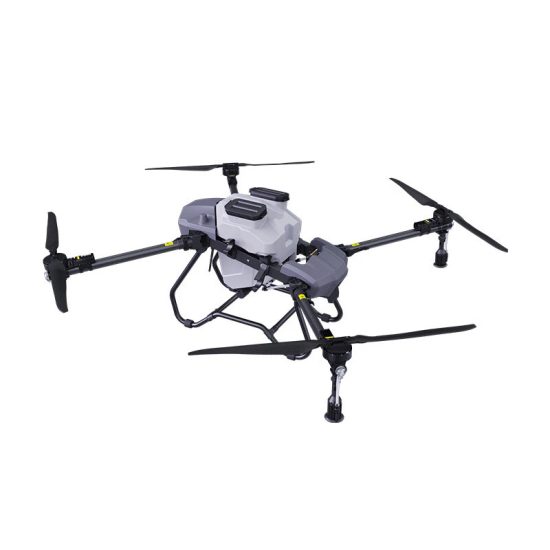


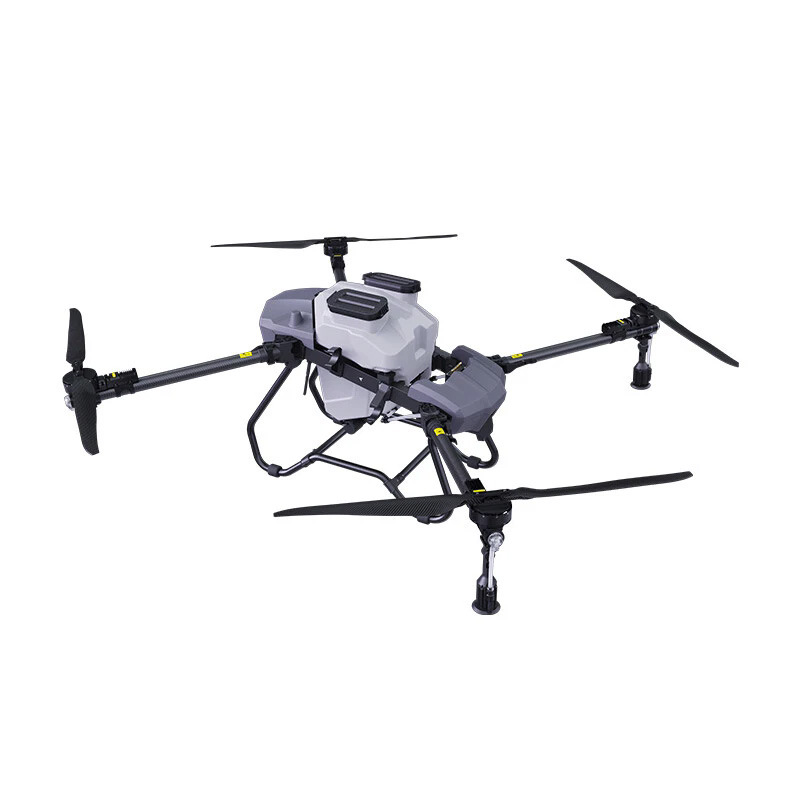
What Problems Can Smart Farming Drones Solve for Modern Agriculture?
Agriculture has always faced challenges such as labor shortages, rising production costs, inefficient crop management, and unpredictable weather conditions. As farms become larger and the demand for higher productivity increases, traditional farming methods are no longer enough to meet modern agricultural needs.
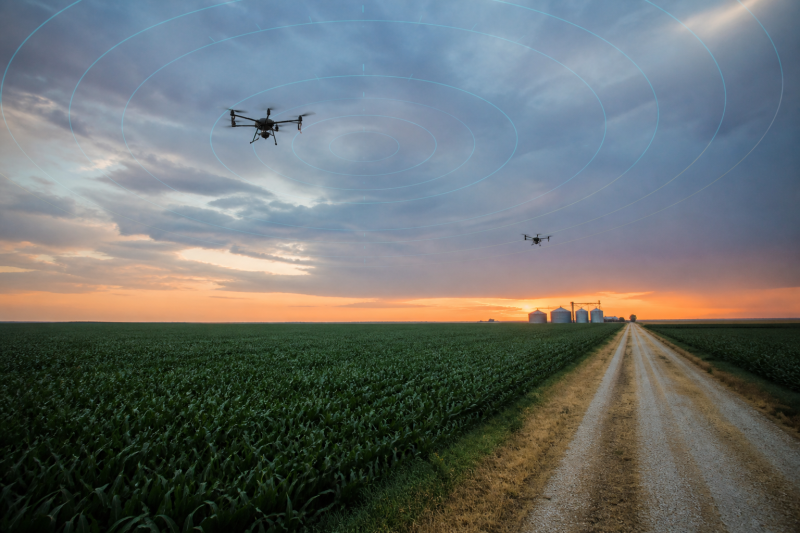
Smart farming drones provide an innovative solution by combining automation, precision technology, and data-driven management. These advanced agricultural tools help farmers improve efficiency, reduce costs, and achieve more sustainable crop production.
1. Solve the Problem of Agricultural Labor Shortages
One of the biggest challenges in modern agriculture is the shortage of skilled workers.
Traditional farming operations such as pesticide spraying and fertilizer application require significant manpower. During busy seasons, farmers may struggle to find enough workers, causing delays in crop protection.
Smart farming drones help solve this problem by automating many agricultural tasks.
Benefits include:
- Reducing dependence on manual labor
- Allowing one operator to manage large areas
- Reducing physical workload
- Improving farming efficiency
With drone technology, farmers can complete important operations faster and more easily.
2. Solve Inefficient Crop Spraying Problems
Traditional spraying methods often have several disadvantages:
- Uneven chemical distribution
- High pesticide consumption
- Slow operation speed
- Difficulty reaching certain areas
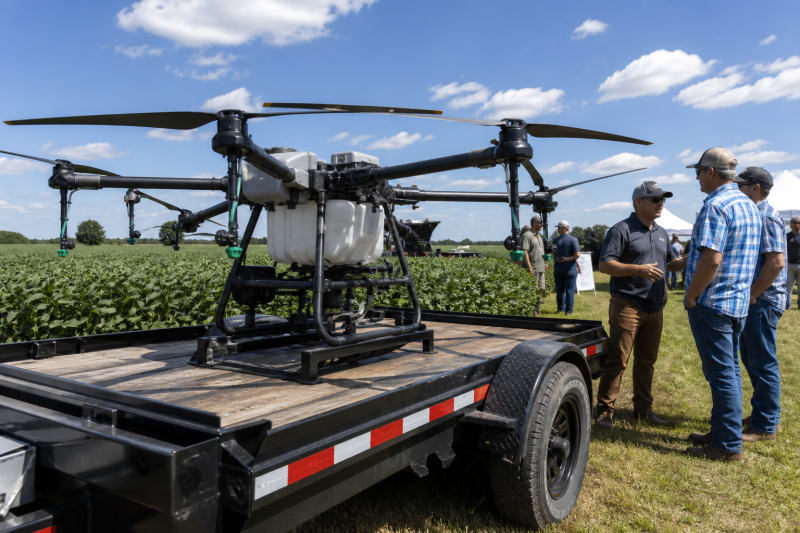
Smart agricultural drones use precision spraying systems to improve application accuracy.
Advanced features include:
- GPS positioning
- Automatic route planning
- Intelligent spray control
- Adjustable spray volume
These technologies ensure crops receive more accurate treatment while reducing chemical waste.
3. Reduce Farming Operation Costs
Rising agricultural costs affect farm profitability.
Smart farming drones help farmers reduce expenses in several ways:
Lower Labor Costs
Automated spraying reduces the need for large spraying teams.
Lower Chemical Costs
Precision spraying avoids excessive pesticide and fertilizer use.
Lower Equipment Costs
Compared with traditional agricultural machinery, drones are easier to transport, maintain, and operate.
By reducing unnecessary expenses, farmers can improve their return on investment.
4. Improve Crop Protection Results
Early and accurate crop protection is important for maintaining high yields.
Smart drones allow farmers to quickly respond to:
- Pest outbreaks
- Crop diseases
- Nutrient deficiencies
- Weed problems
Because drones can operate quickly and accurately, farmers can protect crops at the right time and improve overall production quality.
5. Support Precision Agriculture Development
Modern agriculture is moving toward data-based and intelligent farming.
Smart farming drones can work together with digital agriculture systems to collect valuable information.
Applications include:
- Field monitoring
- Crop growth analysis
- Spraying management
- Farm operation planning
This helps farmers make better decisions based on real field conditions.
6. Operate in Challenging Farming Environments
Many agricultural areas are difficult for traditional machines to access.
Smart drones can work in:
- Mountain farms
- Rice fields
- Orchards
- Large plantations
- Uneven farmland
Because drones fly above crops, they can complete operations without damaging plants or soil.
7. Improve Environmental Sustainability
Agriculture needs to become more environmentally friendly.
Smart farming drones help achieve sustainable farming by:
- Reducing chemical overuse
- Minimizing resource waste
- Improving application efficiency
- Reducing fuel consumption
More accurate farming practices help protect soil, water, and the surrounding environment.
8. How to Choose the Right Smart Farming Drone?
When selecting an agricultural drone, farmers should consider:
Payload Capacity
Choose the right tank size according to farm scale and application requirements.
Battery Performance
Long-lasting intelligent batteries improve working efficiency.
Flight Control System
Stable navigation ensures accurate operation.
Product Reliability
A professional agricultural drone should provide:
- Durable design
- Easy maintenance
- Spare parts availability
- Technical support
Manufacturer Experience
An experienced supplier can provide better product quality and long-term service.
FAQ About Smart Farming Drones
Q1: What problems can agricultural drones solve?
Agricultural drones can solve labor shortages, slow spraying speed, high chemical costs, and inefficient crop management problems.
Q2: Are smart farming drones suitable for small farms?
Yes. Small farms can use drones to improve spraying accuracy and reduce labor requirements.
Q3: Can drones improve crop yields?
Drones do not directly increase yields, but they help farmers manage crops more efficiently, which can contribute to healthier crops and better production results.
Q4: What crops can smart farming drones be used for?
They are commonly used for:
- Rice
- Wheat
- Corn
- Cotton
- Fruit trees
- Vegetables
- Tea plantations
Smart farming drones are transforming modern agriculture by solving key problems such as labor shortages, high operating costs, and inefficient crop protection.
Through automation, precision spraying, and intelligent management, drones help farmers achieve faster operations, lower expenses, and more sustainable agricultural production.
For farms looking to improve efficiency and prepare for the future of agriculture, investing in professional smart farming drone technology is becoming an increasingly valuable choice.


No comments yet