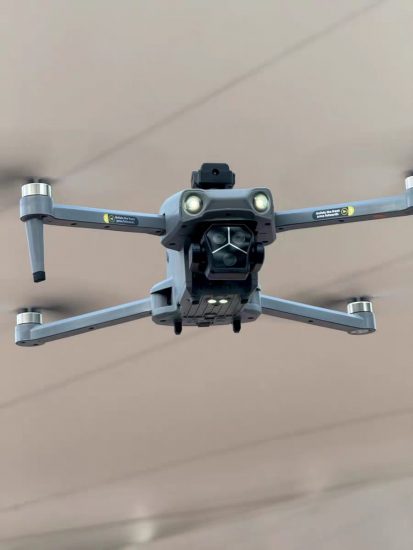


 Manufacturing professional drones is far more complex than assembling flying machines. As a drone manufacturer, our work sits at the intersection of engineering, industry demand, and real-world application. Every UAV we produce must perform reliably—not in theory, but in fields, factories, mountains, and farms across the world.
🧠 Engineering Starts with the End User
The first step in drone manufacturing is not production—it is understanding how the drone will be used.
Different industries require different UAV capabilities:
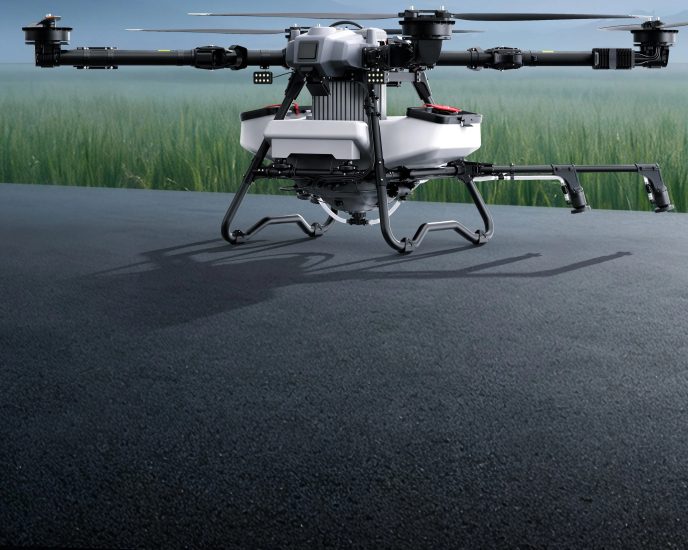
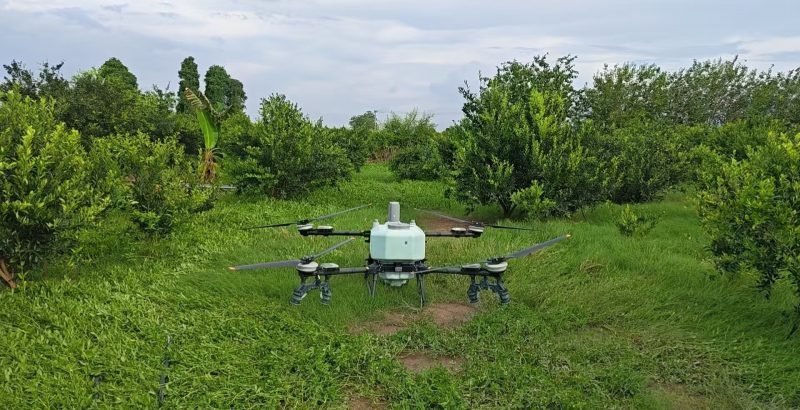
- Agriculture demands stable low-altitude flight and precise spraying systems
- Industrial inspection requires long endurance and high-definition imaging
- Mapping and surveying need accurate positioning and data consistency
By starting with the end user, we design drones that solve problems instead of creating new ones.
⚙️ Core Components Define Drone Performance
A professional drone is only as good as its weakest component. That is why manufacturers focus heavily on core systems:
- Flight controller: the “brain” that ensures stable and intelligent flight
- Propulsion system: motors, ESCs, and propellers working in perfect balance
- Power system: high-efficiency batteries matched to flight load
- Communication system: reliable signal transmission in complex environments
Each component must work together seamlessly. Extensive bench testing and flight testing are essential before mass production begins.
🧪 Testing Is Not Optional
In professional drone manufacturing, testing is not a final step—it is a continuous process.
We conduct:
- Ground tests for vibration and heat resistance
- Hover tests for flight stability
- Load tests to verify payload capacity
- Long-duration flight tests to measure endurance
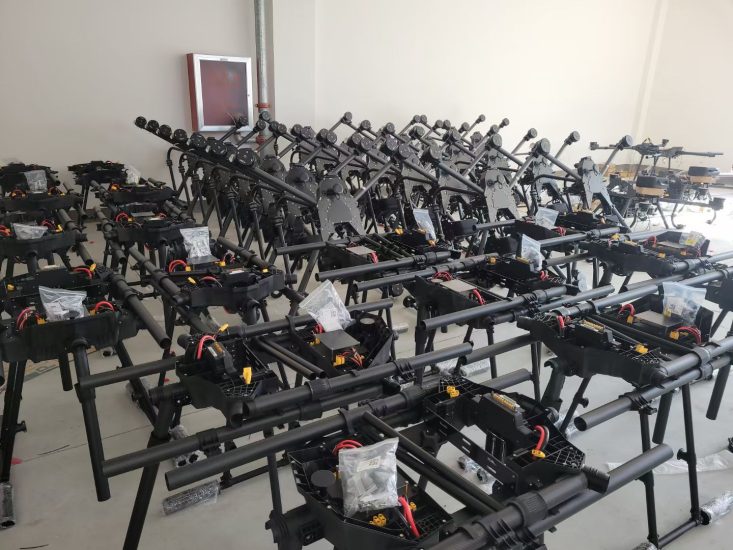
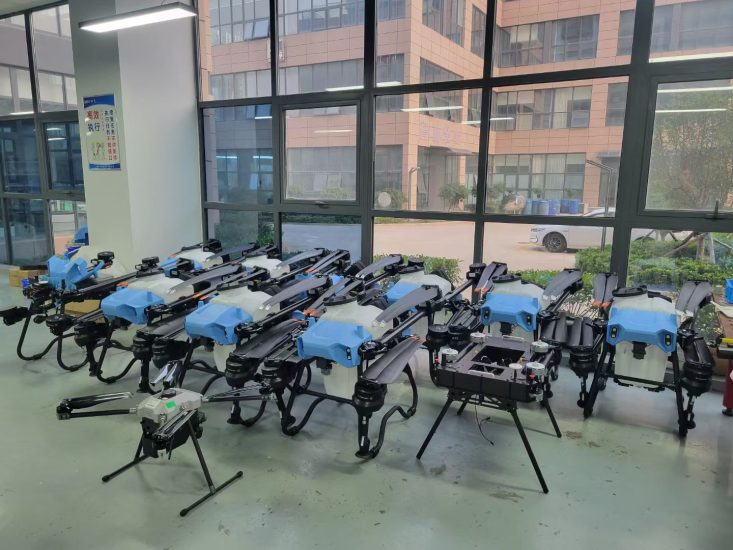
Only drones that pass all internal standards move to packaging and export. This approach significantly reduces failure rates in real-world operations.
🌱 Sustainable and Efficient Manufacturing
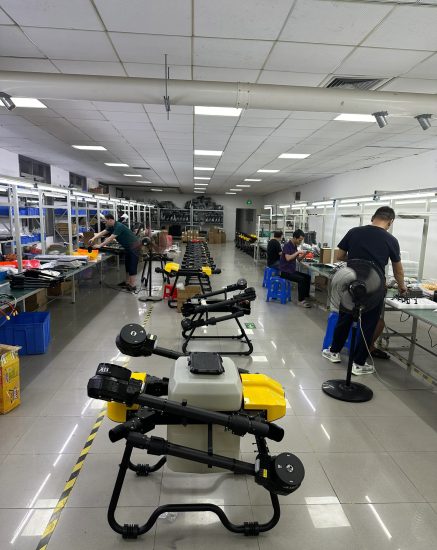
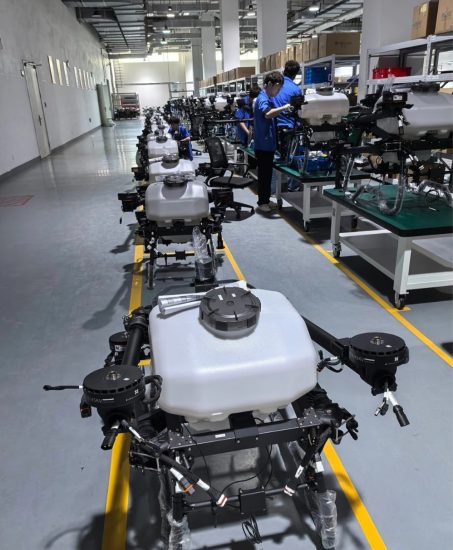
Modern drone factories are increasingly focused on efficiency and sustainability.
By optimizing material usage and improving power efficiency, manufacturers can:
- Reduce overall drone weight
- Extend flight time
- Lower energy consumption during production
Lightweight materials such as carbon fiber not only improve performance but also support environmentally responsible manufacturing goals.
🤝 Working with Distributors and Integrators
Many global buyers are not end users but distributors, system integrators, or service providers.
As a manufacturer, supporting these partners means offering:
- Flexible MOQ options
- Consistent production quality
- Custom configurations for different markets
- Technical documentation and marketing support
A strong manufacturer-distributor relationship is built on transparency and long-term cooperation.
📦 Export-Ready from Day One
Professional drones must be export-ready the moment they leave the factory.
This includes:
- Secure packaging for international transport
- Clear serial number and batch tracking
- Multilingual manuals
- Compliance with common international technical requirements
These details reduce customs delays and help buyers deploy products quickly after arrival.
🔮 The Manufacturer’s Role in the Future of UAVs
As drone applications continue to expand, manufacturers play a critical role in shaping the industry.
Future development will focus on:
- Smarter autonomous flight systems
- Better obstacle avoidance
- More efficient power management
- Modular designs for faster customization
For professional drone manufacturers, success is not measured by how many drones are produced, but by how well those drones perform in real operations.


No comments yet