



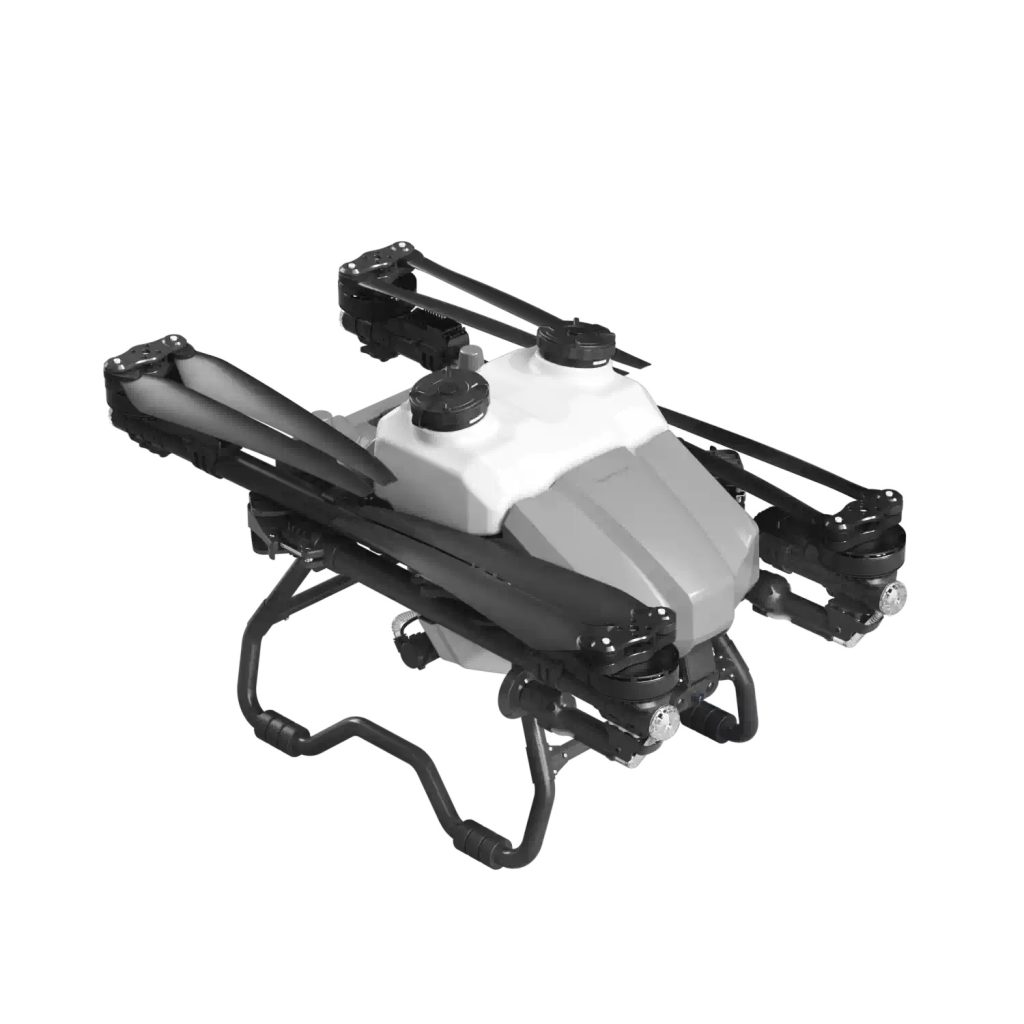
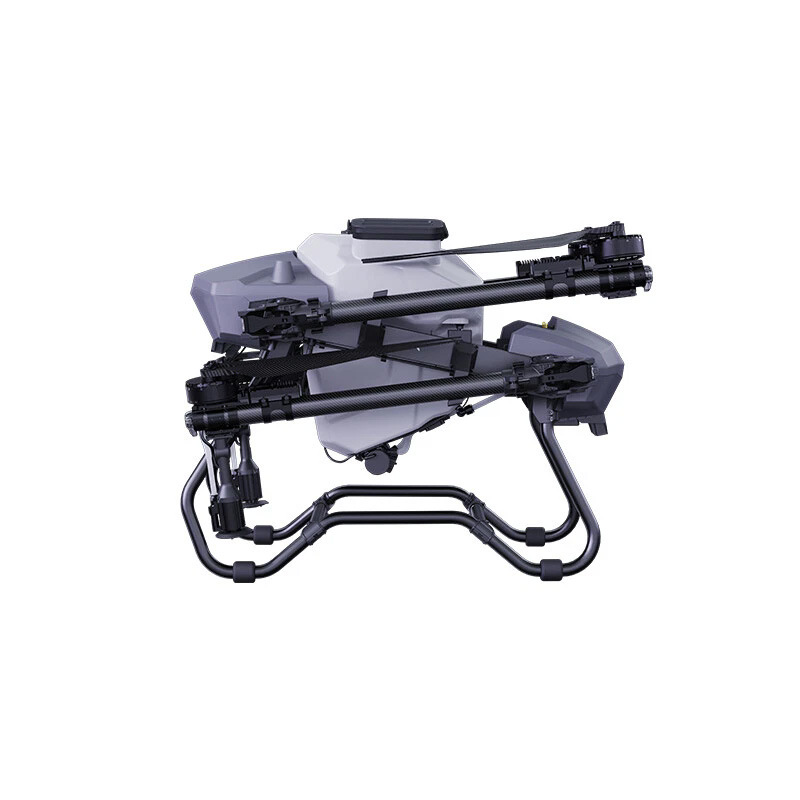
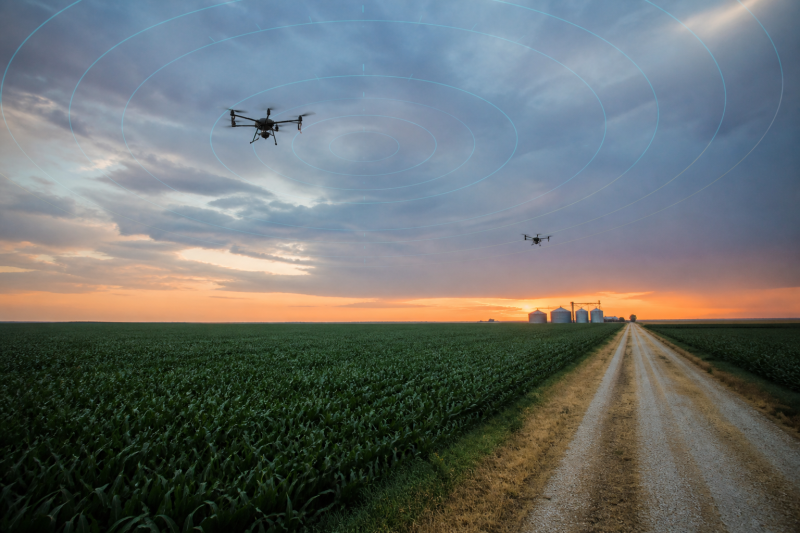
Large-scale farming requires more than traditional spraying equipment. As labor costs continue to rise and precision agriculture becomes more important, agricultural spraying drones have become one of the most effective solutions for improving productivity while reducing operating expenses.
But with hundreds of drone models available on the market, one question remains:
What is the best drone for large-scale crop spraying?
The answer depends on your farm size, crop type, spraying requirements, and long-term operating costs. This guide explains everything you need to know before investing in a professional agricultural drone.
Why Choose an Agricultural Spraying Drone?
Compared with manual spraying or traditional machinery, agricultural drones offer several advantages:
- Faster spraying speed
- Lower labor costs
- Reduced pesticide waste
- Better coverage in difficult terrain
- Precision application using GPS navigation
- Lower crop damage
- Increased operational efficiency
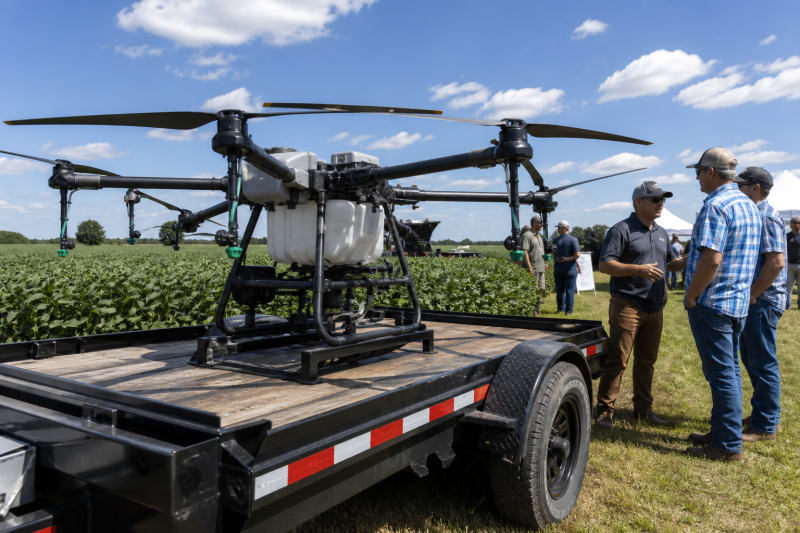
Professional drones are widely used for rice, wheat, corn, cotton, soybeans, sugarcane, orchards, tea plantations, vegetables, and many other crops.
Key Features of the Best Crop Spraying Drone
1. Large Tank Capacity
For large farms, choose drones with tanks ranging from 30L to 70L. Larger tanks reduce refill frequency and increase daily productivity.
2. High Payload
A higher payload allows the drone to carry more liquid, making it suitable for commercial farming operations and agricultural service providers.
3. Intelligent Flight Control
Look for features such as:
- GPS/RTK positioning
- Automatic route planning
- One-click takeoff and landing
- Terrain following
- Automatic return-to-home
- Smart mission management
These features improve spraying accuracy and reduce operator workload.
4. Advanced Obstacle Avoidance
Modern agricultural drones use radar and vision sensors to detect trees, poles, power lines, and other obstacles, improving flight safety.
5. Efficient Spraying System
Choose drones with:
- High-flow pumps
- Adjustable spray rates
- Multiple nozzles
- Uniform droplet distribution
- Anti-drift spraying technology
This ensures even chemical application while minimizing waste.
Which Tank Size Is Right for Your Farm?
| Farm Size | Recommended Tank Capacity |
|---|---|
| Small Farm | 20L–30L |
| Medium Farm | 30L–40L |
| Large Farm | 40L–70L |
| Commercial Spraying Service | 50L–70L |
Choosing the correct capacity improves efficiency and lowers operating costs.
Battery Performance Matters
Battery technology directly affects daily productivity.
Choose drones with:
- Intelligent lithium batteries
- Fast charging capability
- Battery health monitoring
- Quick battery replacement
- Long cycle life
Having multiple batteries allows continuous operation during busy farming seasons.
Software and Automation
Modern agricultural drones should support:
- Automatic flight planning
- Field mapping
- Waypoint navigation
- Smart obstacle avoidance
- Flight data recording
- Remote software updates
Automation increases accuracy while reducing operator errors.
Why After-Sales Service Is Important
A reliable manufacturer should provide:
- Technical support
- Operator training
- Spare parts supply
- Software upgrades
- Warranty service
- Fast global shipping
Strong after-sales support minimizes downtime and protects your investment.
How to Choose the Right Manufacturer
Before placing an order, verify that the manufacturer offers:
- OEM & ODM services
- International export experience
- Strict quality control
- Product certifications
- Professional engineering team
- Long-term spare parts availability
Buying directly from an experienced manufacturer often provides better pricing and long-term support.
Frequently Asked Questions (FAQ)
1. What is the best drone for large-scale crop spraying?
The best agricultural drone depends on your farm size, crop type, and spraying requirements. For large farms, drones with 40L–70L tanks, intelligent flight control, and advanced obstacle avoidance generally provide the highest efficiency.
2. How many hectares can an agricultural drone spray in one day?
The daily spraying capacity depends on the drone model, tank size, battery performance, weather conditions, and crop type. Professional agricultural drones can typically cover dozens to more than one hundred hectares per day under suitable operating conditions.
3. Which crops can agricultural drones spray?
Agricultural drones are suitable for spraying rice, wheat, corn, soybeans, cotton, vegetables, orchards, vineyards, tea plantations, sugarcane, and many other crops.
4. Are agricultural drones difficult to operate?
No. Most modern drones include GPS navigation, automatic route planning, terrain following, and intelligent flight control, making them easy to learn after basic training.
5. Can agricultural drones reduce pesticide costs?
Yes. Precision spraying helps reduce chemical waste, improves droplet distribution, and minimizes overspraying, which can lower pesticide usage while maintaining effective crop protection.
6. How long does an agricultural drone battery last?
Battery life varies depending on payload, weather, and operating conditions. High-quality intelligent lithium batteries are designed for repeated charging cycles and stable field performance.
7. Can I customize the drone with my own brand?
Yes. Many manufacturers provide OEM and ODM services, including custom logos, colors, packaging, software, and user manuals for distributors and wholesalers.
8. What should I consider before buying an agricultural drone?
You should compare tank capacity, payload, spraying system, battery performance, obstacle avoidance, GPS accuracy, software functions, warranty, spare parts availability, and after-sales support.
9. How often should an agricultural drone be maintained?
Routine cleaning and inspections should be performed after every operation. Motors, propellers, pumps, batteries, and nozzles should be checked regularly to ensure safe and reliable performance.
10. Why buy directly from an agricultural drone manufacturer?
Buying directly from a manufacturer often provides better pricing, professional technical support, customization options, faster spare parts supply, and more reliable long-term service.
Conclusion
The best drone for large-scale crop spraying is one that matches your farming requirements and provides reliable performance, intelligent automation, efficient spraying, and dependable after-sales support. Investing in a high-quality agricultural drone can improve productivity, reduce labor costs, minimize pesticide waste, and deliver long-term value for your farming business.
Looking for a reliable agricultural drone manufacturer? Contact us today to receive expert advice, request a competitive quotation, and discover professional drone solutions tailored to your agricultural needs.


No comments yet