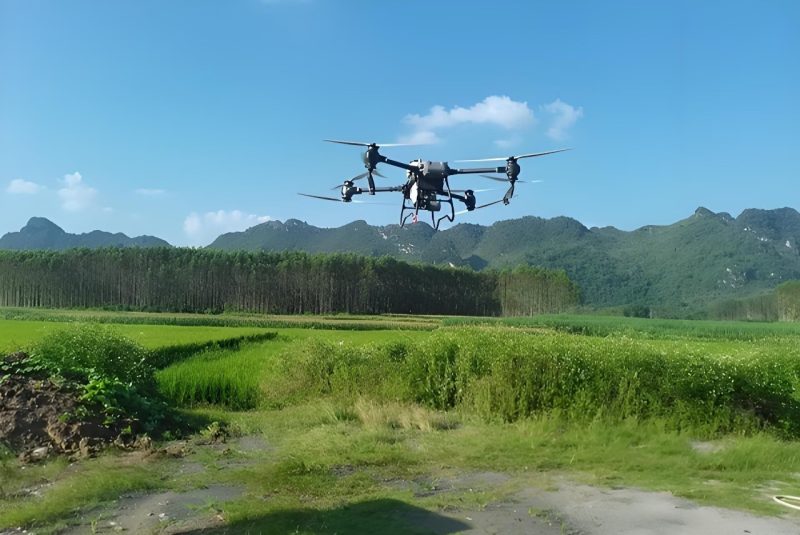




The global drone market continues to grow rapidly, and many international buyers are looking to import drones from China because of strong manufacturing capabilities, competitive pricing, and a wide range of product options.
However, importing drones from China requires careful planning. Buyers need to understand product selection, supplier evaluation, shipping requirements, customs procedures, and after-sales support before placing orders.
This guide explains the key points that international buyers should know before importing drones from China.
1. Define Your Drone Application Requirements
Before contacting suppliers, buyers should clearly understand how the drone will be used.
Different applications require different drone configurations.
Common drone applications include:
Agricultural Applications
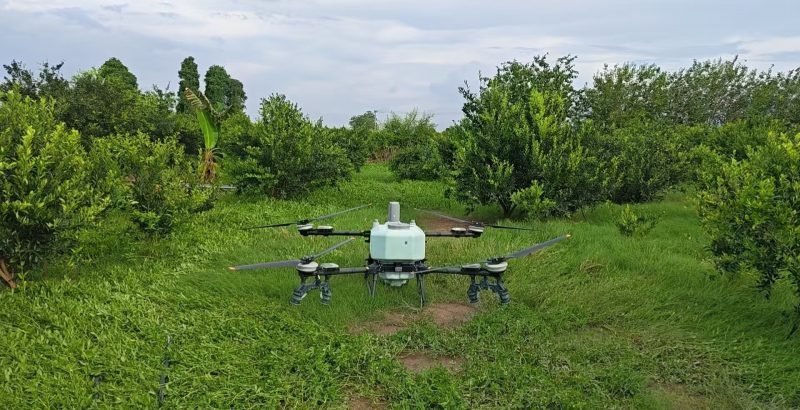
Agricultural drones are used for:
- Crop spraying
- Fertilizer spreading
- Farm monitoring
- Precision agriculture
Industrial Applications
Industrial drones can support:
- Inspection
- Mapping
- Surveying
- Infrastructure monitoring
Commercial Applications
Commercial drones are used for:
- Photography
- Video production
- Professional services
Knowing your application helps you choose the right drone type and avoid purchasing unsuitable equipment.
2. Choose a Reliable Chinese Drone Supplier
Selecting the right supplier is one of the most important steps when importing drones.
Buyers should evaluate:
Manufacturing Experience
Check whether the supplier has:
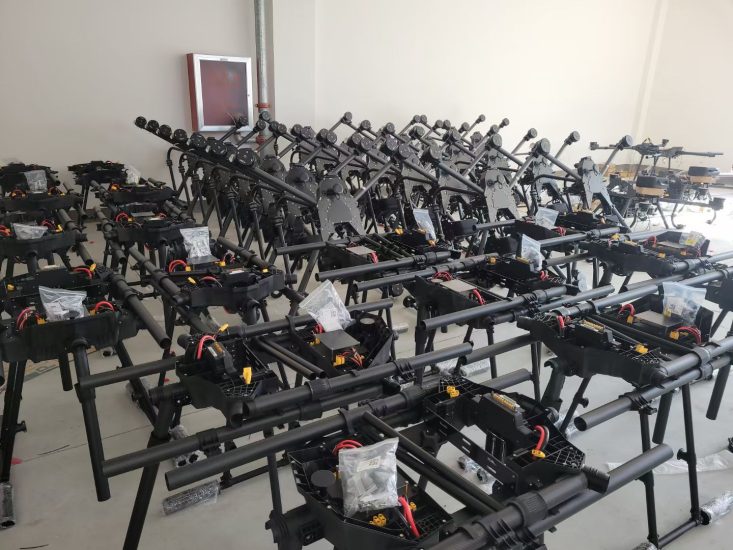
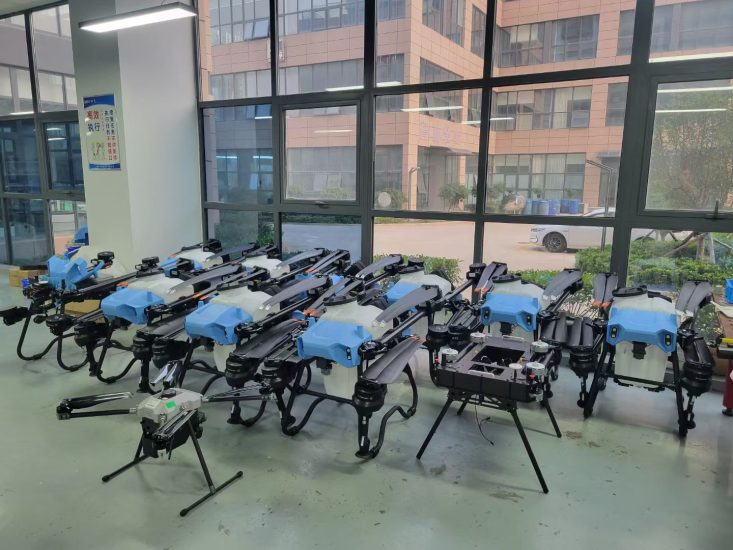
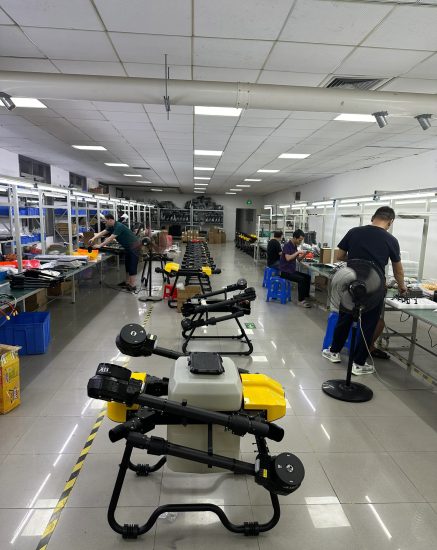
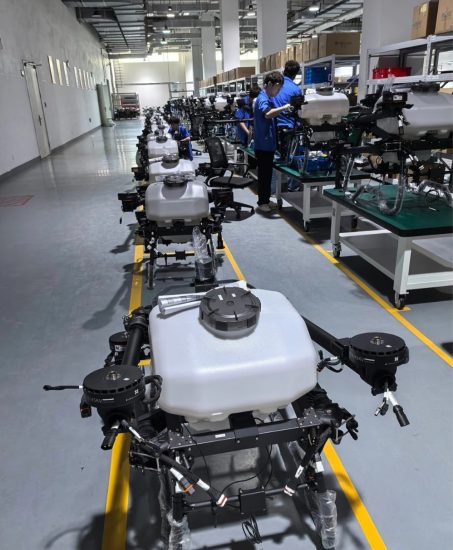
- Professional production facilities
- Experienced engineers
- Quality control procedures
- Stable production capacity
Product Information
A reliable supplier should provide:
- Technical specifications
- Product manuals
- Testing information
- Product videos
- Operation guidance
Customer Support
Good suppliers should offer:
- Fast communication
- Technical assistance
- Spare parts support
- Warranty policies
3. Check Drone Quality and Performance
Before placing a large order, buyers should carefully review product performance.
Important factors include:
Flight Stability
A quality drone should provide:
- Accurate positioning
- Stable flight control
- Reliable navigation
- Good environmental adaptability
Battery Performance
Battery systems affect working efficiency.
Consider:
- Flight duration
- Charging time
- Battery safety
- Replacement availability
Hardware Quality
Check components such as:
- Motors
- Sensors
- Controllers
- Cameras
- Spraying systems
High-quality components improve product reliability.
4. Understand Drone Import Regulations
Different countries have different regulations for drone imports.
Before purchasing, buyers should check:
- Local drone registration requirements
- Import permits
- Frequency regulations
- Safety standards
- Product certification requirements
Understanding local regulations helps avoid customs delays or compliance problems.
5. Pay Attention to Lithium Battery Shipping
Many drones use lithium batteries, which require special transportation arrangements.
International buyers should consider:
- Battery packaging requirements
- Shipping methods
- Transportation restrictions
- Required documents
Professional logistics planning helps ensure smooth delivery.
6. Request Samples Before Bulk Orders
For first-time cooperation, ordering samples is recommended.
Sample testing allows buyers to evaluate:
- Actual drone performance
- Product quality
- User experience
- Packaging condition
Testing samples can reduce purchasing risks and help buyers confirm whether the supplier meets expectations.
7. Understand OEM and Customization Options
Many international buyers want to sell drones under their own brands.
OEM services may include:
- Custom logo
- Customized packaging
- User manual design
- Software language changes
- Product configuration adjustments
OEM cooperation helps distributors create unique products for their local markets.
8. Calculate Total Import Costs
The purchase price is only one part of the total cost.
Buyers should consider:
- Product cost
- Shipping fees
- Customs duties
- Taxes
- Insurance
- Spare parts
- After-sales service costs
Calculating total expenses helps buyers make better purchasing decisions.
9. Plan After-Sales Support
Drone products require ongoing maintenance and technical support.
Before importing, buyers should confirm:
- Warranty period
- Spare parts supply
- Repair support
- Technical training
Reliable after-sales service improves customer satisfaction and protects long-term business growth.
Frequently Asked Questions (FAQ)
Q1: Why do buyers import drones from China?
China has a mature drone manufacturing supply chain, competitive production costs, advanced technology, and flexible customization options.
Q2: How can I find a reliable drone supplier in China?
Buyers should evaluate factory capability, product quality, export experience, technical support, and customer feedback.
Q3: Can I import agricultural drones with batteries?
Yes, but lithium battery transportation requires proper packaging, documents, and suitable shipping arrangements.
Q4: Should I test drone samples before ordering?
Yes. Sample testing helps verify product quality, performance, and supplier reliability before bulk purchasing.
Q5: Can Chinese manufacturers provide private label drone products?
Yes. Many manufacturers offer OEM and private label services for international distributors and brands.
Conclusion
Importing drones from China can provide international buyers with access to competitive products and advanced technology. However, successful importing requires careful supplier selection, quality evaluation, logistics planning, and compliance preparation.
By working with a reliable drone manufacturer and understanding the complete purchasing process, global buyers can reduce risks and build successful drone businesses in their local markets.


No comments yet