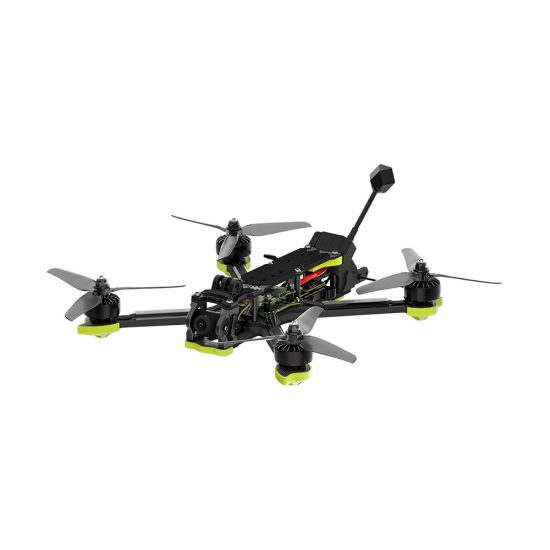


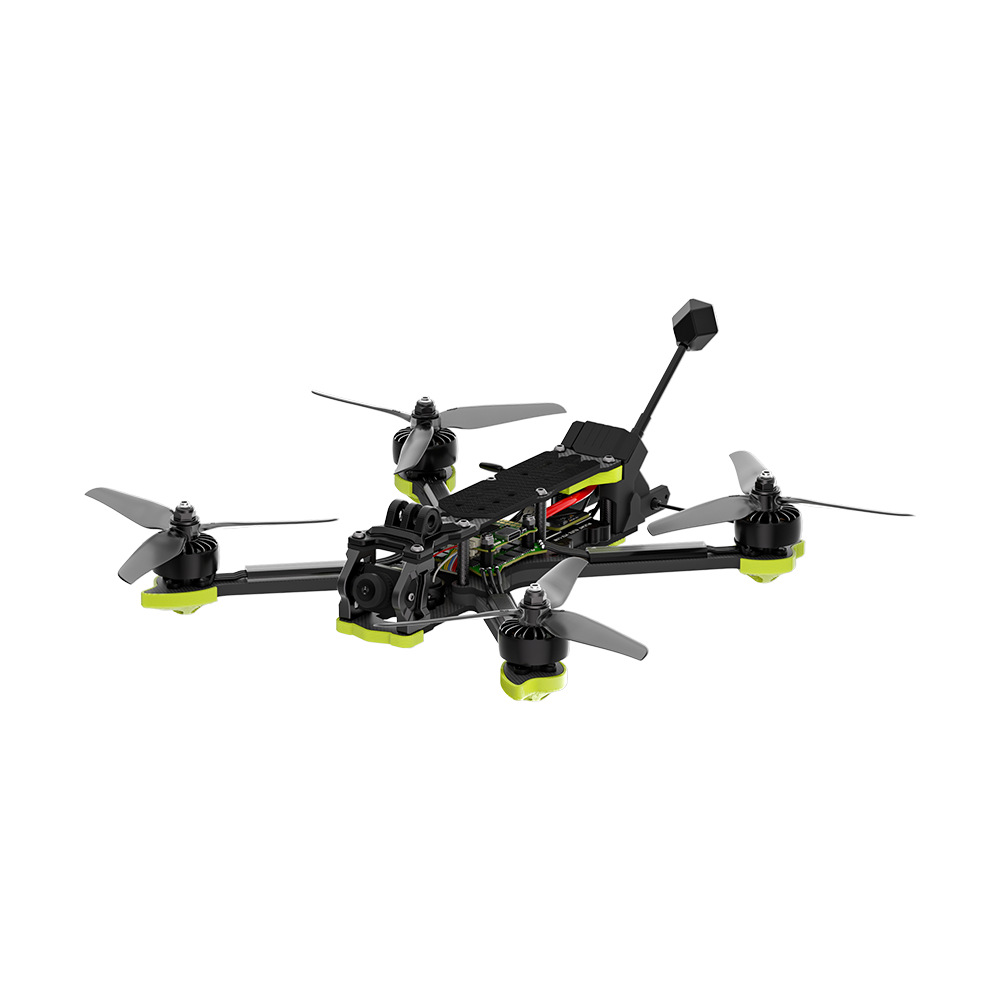
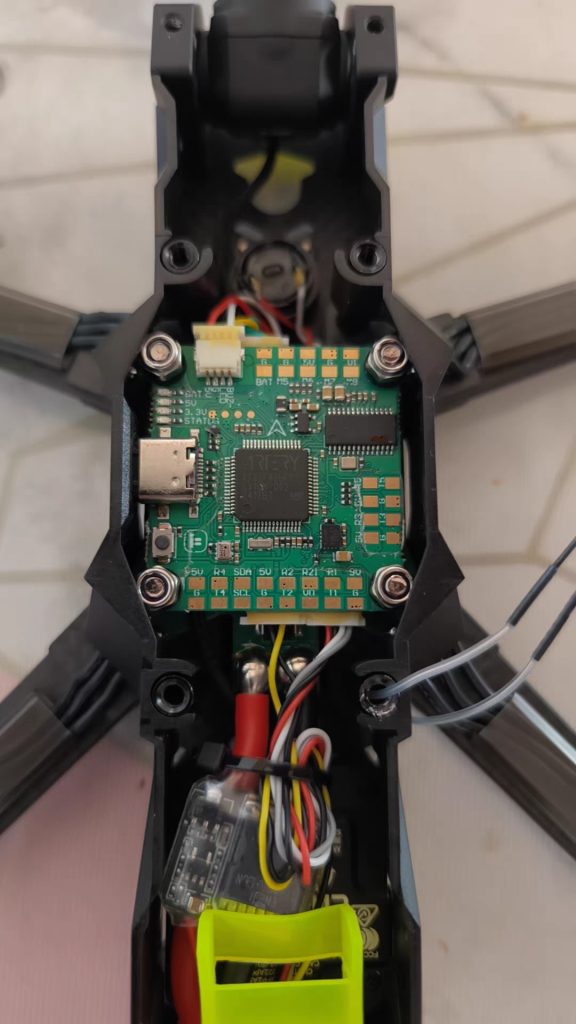


As cities grow larger and more complex, maintaining public safety, monitoring infrastructure, and ensuring efficient urban management have become increasingly challenging. Traditional patrol methods, such as ground vehicles and fixed surveillance systems, often struggle to provide full coverage and real-time awareness. Urban patrol drones have emerged as a transformative solution, offering mobility, intelligence, and efficiency in modern city operations.
Urban patrol drones are now widely used in smart cities, public safety systems, municipal management, and infrastructure monitoring. Their ability to operate autonomously, capture real-time data, and cover large areas makes them a critical component of future urban governance.
What Are Urban Patrol Drones?
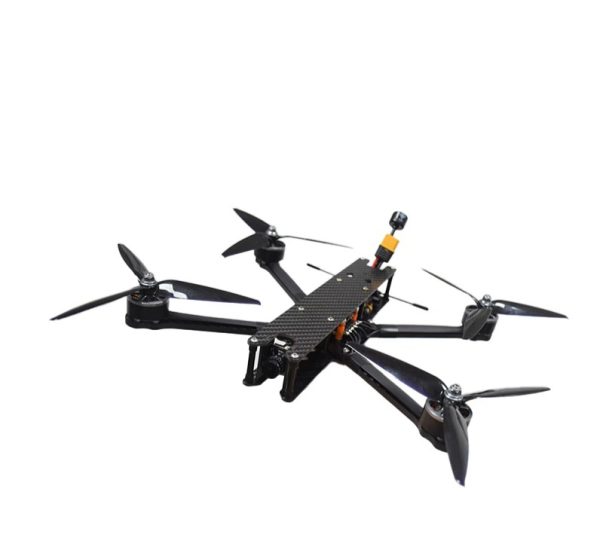
Urban patrol drones are unmanned aerial vehicles designed to conduct surveillance, monitoring, and patrol tasks within urban environments. Equipped with advanced sensors, cameras, and communication systems, these drones provide continuous aerial oversight of city areas.
Unlike traditional surveillance systems, urban patrol drones are mobile and flexible. They can fly over streets, buildings, parks, and industrial zones, delivering real-time data to control centers and enabling rapid response to incidents.
How Urban Patrol Drones Work
Urban patrol drones operate through a structured and intelligent workflow:
1. Patrol Planning
City authorities define patrol routes, coverage zones, and operational schedules. These can include routine patrols or event-based missions.
2. Autonomous Flight
The drone follows a predefined route using GPS or GNSS navigation systems. Advanced obstacle avoidance allows safe operation in dense urban environments.
3. Real-Time Data Collection
During flight, the drone captures high-resolution video, thermal images, and environmental data.
4. Data Transmission
Information is transmitted in real time to monitoring centers, where operators analyze the situation.
5. Incident Response
If abnormal activity is detected, alerts are generated, and response teams are deployed.
Core Technologies Behind Urban Patrol Drones
High-Definition Cameras
These cameras provide clear, detailed images for monitoring and analysis.
Thermal Imaging Systems
Thermal sensors enable detection of heat signatures, useful for night patrols and emergency situations.
GNSS Navigation
Precise positioning ensures accurate route following and reliable operation.
AI-Based Analytics
Artificial intelligence enables automatic detection of unusual behavior, object tracking, and pattern recognition.
Obstacle Avoidance Sensors
Advanced sensors help drones navigate safely around buildings, trees, and other urban obstacles.
Secure Communication Systems
Encrypted communication ensures that transmitted data remains secure and protected.
Advantages of Urban Patrol Drones
Comprehensive Coverage
Drones can monitor large urban areas more efficiently than ground patrols.
Real-Time Monitoring
Live video feeds provide immediate situational awareness.
Rapid Deployment
Drones can be launched quickly to respond to incidents or emergencies.
Cost Efficiency
They reduce the need for extensive manpower and expensive infrastructure.
Enhanced Safety
Drones reduce risks to personnel by handling dangerous surveillance tasks.
Continuous Operation
With proper scheduling, drones can provide 24/7 monitoring.
Applications in Urban Environments
Public Safety Patrol
Urban patrol drones monitor streets, parks, and public spaces to deter crime and enhance safety.
Traffic Monitoring
They provide real-time traffic data, helping manage congestion and respond to accidents.
Event Security
Drones are used to monitor large gatherings, ensuring crowd safety and efficient management.
Infrastructure Inspection
They inspect roads, bridges, buildings, and utilities for maintenance and safety.
Environmental Monitoring
Urban drones track pollution levels, heat distribution, and green space conditions.
Emergency Response
They assist in disaster situations by providing aerial assessments and guiding rescue teams.
Comparison with Traditional Patrol Methods
| Feature | Traditional Patrol | Drone Patrol |
|---|---|---|
| Coverage Area | Limited | Extensive |
| Response Speed | Moderate | Fast |
| Cost | High | Lower |
| Flexibility | Low | High |
| Safety | Risky | Safer |
Challenges and Limitations
Despite their advantages, urban patrol drones face several challenges:
Regulatory Restrictions
Urban airspace is often regulated, limiting where and how drones can operate.
Privacy Concerns
Public concerns about surveillance and data privacy must be addressed.
Weather Conditions
Wind, rain, and fog can impact flight performance and data quality.
Battery Limitations
Limited flight time requires efficient scheduling and charging strategies.
Cybersecurity Risks
Ensuring secure data transmission is critical to prevent unauthorized access.
Best Practices for Urban Patrol Drone Deployment
To maximize effectiveness, operators should follow these best practices:
- Define clear patrol routes and objectives
- Ensure compliance with local regulations
- Use AI systems for automated detection
- Maintain equipment regularly
- Train operators thoroughly
- Implement strong data security measures
Future Trends in Urban Patrol Drones
Autonomous Patrol Systems
Future drones will operate with minimal human intervention, increasing efficiency.
AI-Driven Decision Making
Advanced AI will improve detection accuracy and reduce false alarms.
Drone Swarm Technology
Multiple drones will coordinate to provide comprehensive coverage.
Extended Flight Capabilities
Improved batteries will allow longer patrol durations.
Integration with Smart City Infrastructure
Drones will connect with sensors, cameras, and control systems for unified management.
Importance of Urban Patrol Drones
Urban patrol drones play a vital role in modern city management. Their ability to provide real-time, accurate, and wide-area monitoring enhances public safety and operational efficiency.
By integrating drones into urban systems, cities can improve response times, reduce risks, and manage resources more effectively. These advantages are essential for building smarter and safer urban environments.
Conclusion
Urban patrol drones have transformed how cities are monitored and protected. Their combination of mobility, intelligence, and efficiency makes them a powerful tool for modern urban challenges.
As technology continues to advance, these drones will become even more capable, offering greater autonomy, improved detection, and enhanced integration with city systems. For municipalities aiming to improve safety and efficiency, adopting drone-based patrol solutions is a forward-looking strategy.
Urban patrol drones are not just an innovation—they are a cornerstone of the future smart city ecosystem.



No comments yet