



In the world of remote-controlled flight, there exists a thrilling intersection between high-octane motorsports and cutting-edge technology. At the center of this intersection is the high-speed FPV racing drone—a marvel of engineering designed not just to fly, but to dominate the air with blistering velocity and surgical precision. Equipped with a 4K camera and built for both indoor and outdoor aerobatics, these quadcopters have revolutionized how we experience the third dimension. They are no longer mere toys; they are high-performance machines that demand respect, skill, and a thirst for adrenaline.
The Anatomy of Speed
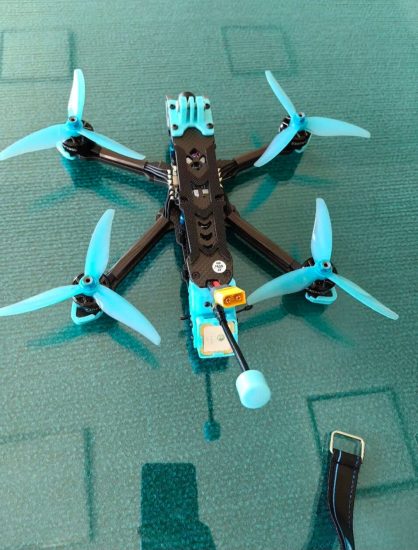
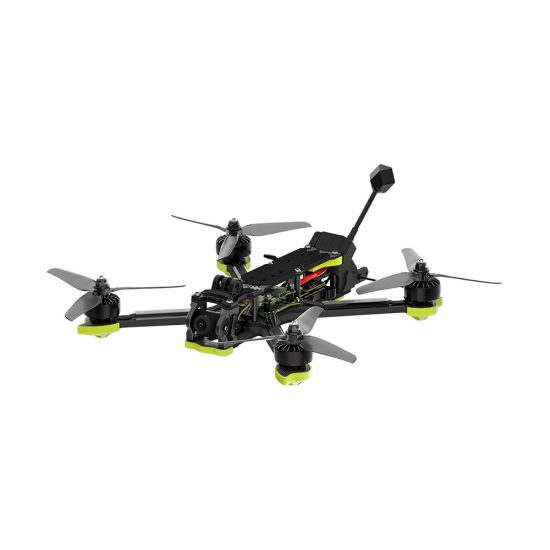
What separates a standard quadcopter from a true FPV racing drone? The answer lies in the powertrain. High-speed models utilize advanced brushless motors paired with high-pitch propellers to generate explosive thrust. Unlike casual flying drones that prioritize stability and long battery life, a racing drone is built for acceleration. These machines can go from zero to maximum velocity in the blink of an eye, allowing pilots to navigate complex race gates and tight corners with the agility of a hummingbird.
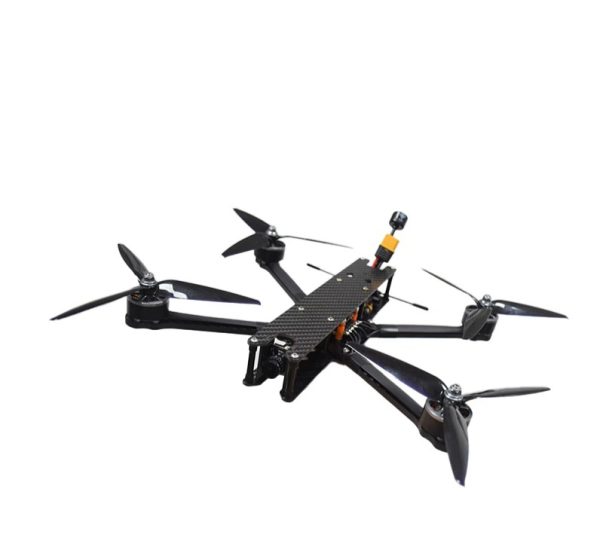
The aerodynamic design also plays a crucial role. Most high-speed FPV frames are constructed from lightweight yet durable carbon fiber. This material provides the perfect balance of rigidity and weight reduction, ensuring that the drone can withstand the inevitable crashes that come with pushing the limits of physics while remaining light enough to achieve top speeds.
The Visual Advantage: 4K Clarity in Motion
Speed is nothing without the ability to see where you are going. This is where the integrated 4K camera becomes a game-changer. In the past, FPV cameras were often low-resolution, offering a grainy view that was just good enough to avoid walls. Today’s high-speed racing drones feature crystal-clear 4K optics. This high resolution serves two purposes: first, it provides the pilot with a detailed, latency-free view of the environment, which is critical when traveling at high speeds; second, it allows the drone to capture cinematic-quality footage of the flight itself.
Imagine flying through a dense forest trail or weaving between skyscrapers—all while recording in stunning Ultra High Definition. The 4K camera captures every detail, from the texture of the leaves to the play of light on the pavement, turning your high-speed antics into a professional-grade film reel.
Indoor vs. Outdoor Aerobatics
One of the most versatile aspects of modern FPV racing drones is their adaptability.
-
Indoor Flight: When flying indoors, the environment demands precision. Tight hallways, staircases, and living rooms become complex obstacle courses. High-speed drones designed for indoor use often feature propeller guards and sensitive gyroscopes that allow for “acro” (aerobatic) mode. In this mode, pilots can perform flips, rolls, and power-loops within the confines of a single room. The instant torque response of the motors allows for movements that seem to defy gravity.
-
Outdoor Flight: Outside, the drone is free to stretch its legs. Open fields and parks become racetracks. Outdoor aerobatics involve high-altitude dives, split-S maneuvers, and high-speed passes that test the limits of both the machine and the pilot’s reflexes. The wind resistance is higher, but a well-tuned high-speed quadcopter cuts through the air like a knife.
The Thrill of the Chase
Flying a high-speed FPV drone is often compared to being a fighter pilot or a race car driver. The combination of the roaring motors (which produce a unique, high-pitched whine) and the immersive goggles creates a sensory experience that is hard to match. You don’t just watch the drone; you become the drone. Every bank, dive, and turn is felt viscerally through the controls. This level of engagement is why the FPV community is one of the most passionate niches in the tech world.
Building Skills and Reflexes
While the idea of flying at breakneck speeds might seem intimidating, the learning curve is part of the fun. Beginners start by mastering basic orientation and throttle control before moving on to “Lift-Off” simulators, which are highly recommended to practice dangerous maneuvers without risking hardware damage. As skills improve, pilots learn to read the environment, anticipate momentum, and execute flawless aerobatic sequences. It is a hobby that sharpens the mind and hones fine motor skills.
Maintenance and Upgrades
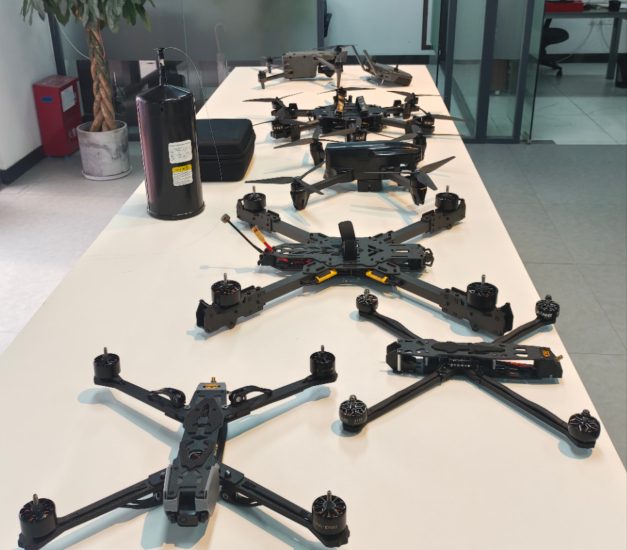
High-speed flight inevitably leads to wear and tear. However, the modular nature of these quadcopters makes them easy to repair. Most frames are designed so that if a motor arm breaks, you can simply unscrew it and replace the part without buying a whole new drone. This DIY aspect adds another layer of enjoyment for tech enthusiasts who love to tinker. Upgrading components—such as installing faster motors or higher-capacity batteries—allows pilots to continuously improve their drone’s performance.
Conclusion
The high-speed FPV racing drone with a 4K camera represents the pinnacle of personal flight technology. It offers an unparalleled blend of speed, visual fidelity, and acrobatic capability. Whether you are tearing through an indoor obstacle course or diving through outdoor race gates, the experience is nothing short of transformative. It challenges your perception, tests your reflexes, and rewards you with a sense of freedom that only a few other activities can provide. Strap in, gear up, and get ready to redefine what is possible in the world of flight.
Frequently Asked Questions (FAQ)
1. How fast can a high-speed FPV racing drone actually go?
Depending on the configuration and battery, these drones can easily reach speeds between 60 to 100 mph. Professional racing builds can even exceed 120 mph in straight-line sprints.
2. Is 4K recording available in real-time through the goggles?
While the drone records in 4K to an onboard memory card, the live feed sent to the goggles is usually optimized for low-latency (often in 720p or 1080p) to ensure smooth piloting. You can review the 4K footage after the flight.
3. Are these drones too loud for indoor use?
FPV racing drones are significantly louder than toy drones due to their high-RPM motors. While they can be flown indoors, it is advisable to use propeller guards and be mindful of neighbors or family members due to the noise level.
4. Can I perform tricks if I am a complete beginner?
It is recommended to practice in a simulator first. Once you are comfortable with the controls, you can attempt basic maneuvers. Most drones have a “Horizon” or “Angle” mode that prevents the drone from flipping completely, making it safer for novices to try light aerobatics.
5. What is the difference between indoor and outdoor propellers?
Indoor flying often uses smaller, lighter propellers (like “tri-blade” props) for better control in tight spaces. Outdoor flying typically utilizes larger, more aggressive propellers to maximize speed and thrust against wind resistance.
6. How durable is the drone during crashes?
Modern racing drones are built like tanks. They feature flexible carbon fiber frames and “soft-mount” systems for electronics to absorb impact. However, propellers and occasional motor bells are the most common parts that need replacing after a crash.
7. Do I need a special controller for high-speed FPV?
Yes, high-speed drones require a transmitter (radio controller) that supports rapid signal transmission (usually using protocols like ExpressLRS or Ghost) to ensure there is no delay between your input and the drone’s reaction.
THE END



No comments yet