




1. Introduction: The Growing Importance of Underwater Drones
Underwater drones, also known as Remotely Operated Vehicles (ROVs) or underwater robotic systems, have rapidly become essential tools across marine industries. As human diving faces increasing limitations in depth, safety, and endurance, underwater drones provide a reliable, data-driven alternative for exploration, inspection, and intervention beneath the surface.
From offshore energy inspection and aquaculture monitoring to scientific research and underwater infrastructure surveys, underwater drones enable operators to reach extreme depths, capture high-resolution imagery, and perform precision tasks in environments that were previously inaccessible or unsafe.
This article provides a comprehensive, engineering-focused analysis of underwater drones, covering core technologies, performance specifications, real-world applications, and professional selection criteria.
2. What Is an Underwater Drone?
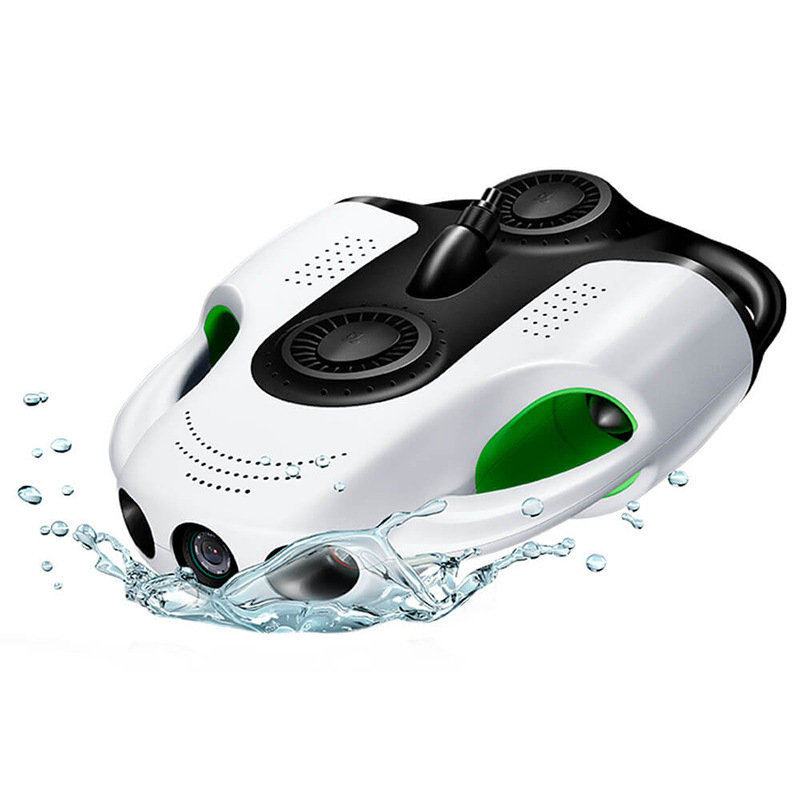
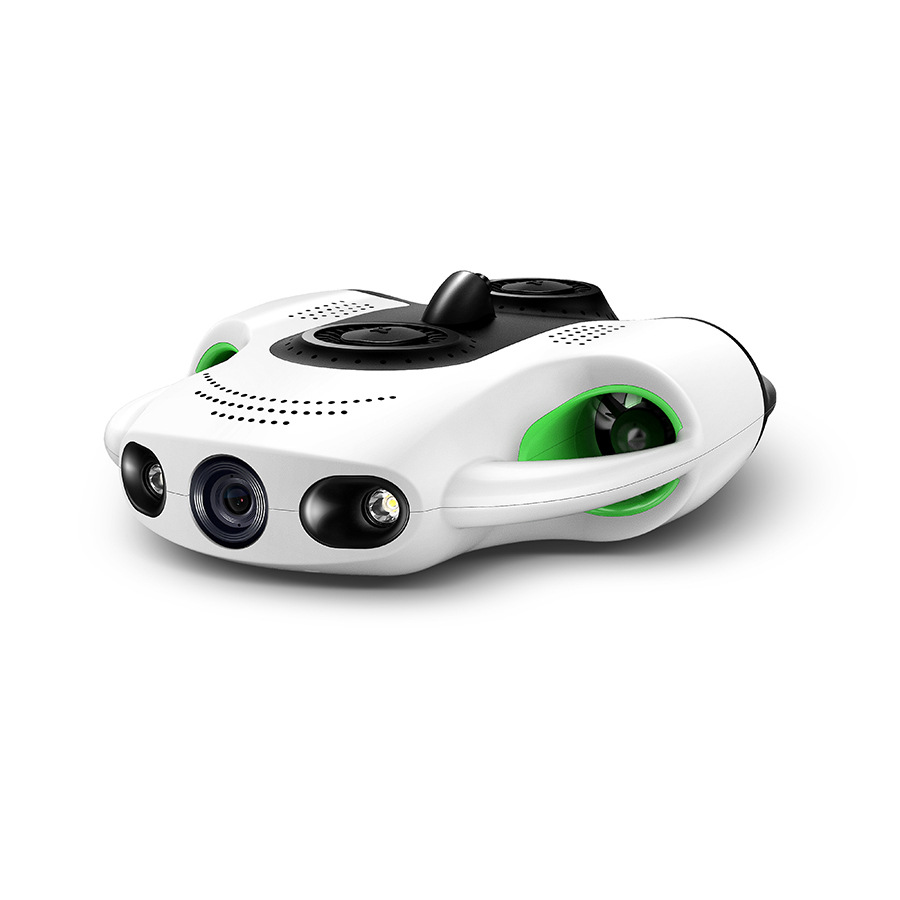
An underwater drone is an unmanned robotic system designed to operate below the water surface, controlled remotely or semi-autonomously. Unlike surface vessels or aerial drones, underwater drones must overcome challenges such as water pressure, limited visibility, signal attenuation, and hydrodynamic resistance.
Key Characteristics:
- Pressure-resistant sealed hull
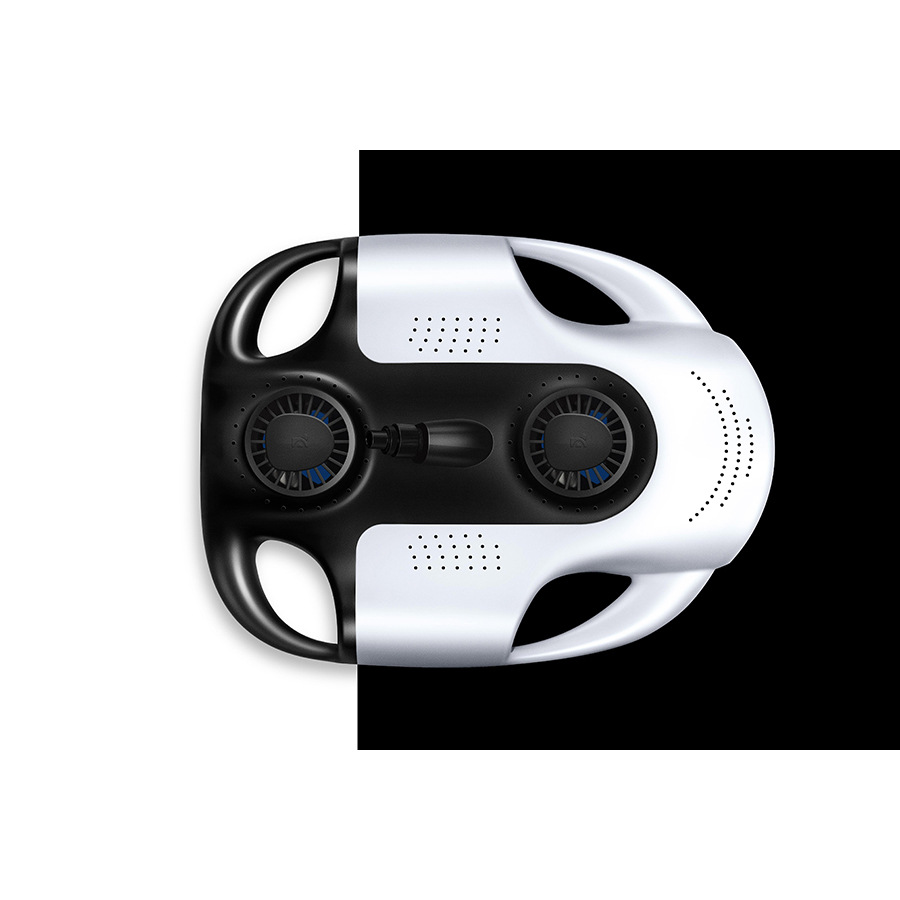
- Multi-directional thruster system
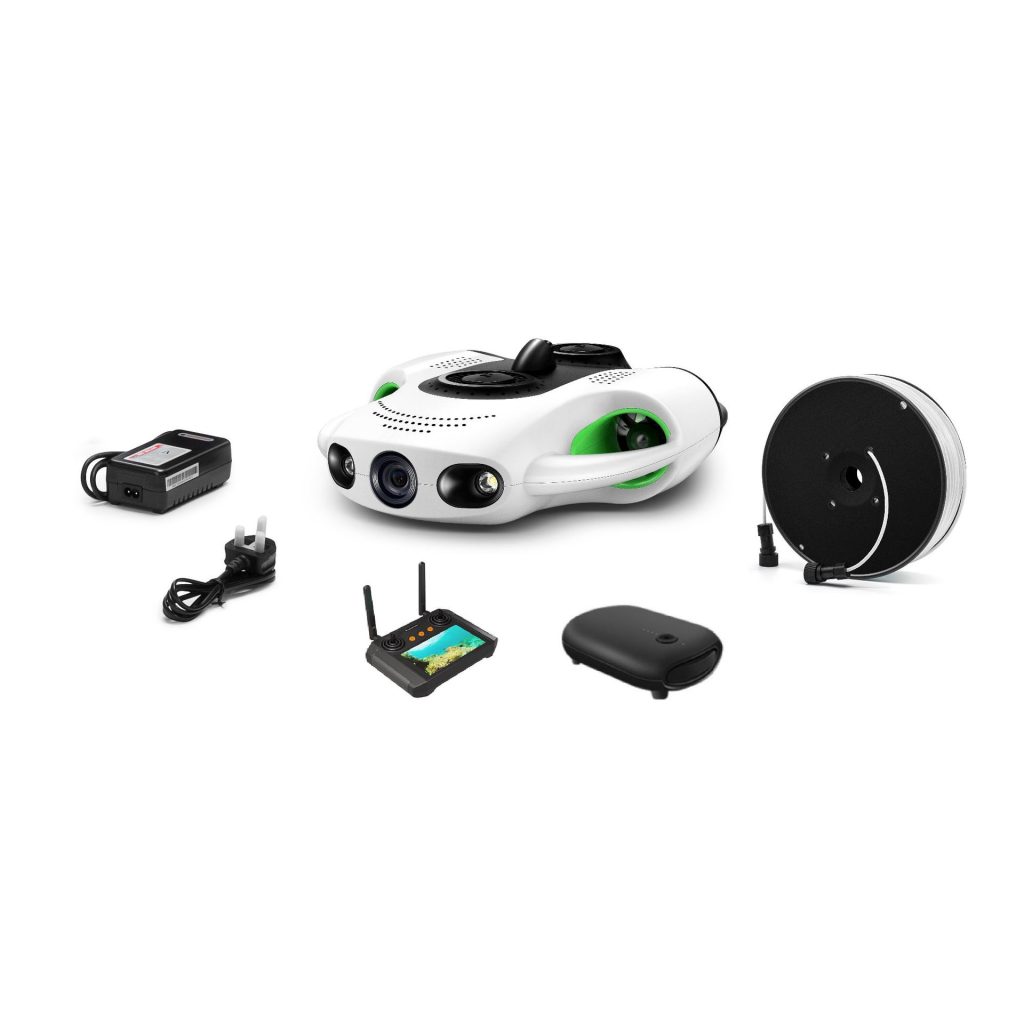
- Tethered or hybrid communication architecture
- Integrated imaging and sensor payloads
- Neutral or adjustable buoyancy control
3. Core Technologies Behind Underwater Drones
3.1 Hydrodynamic Hull Design
Hydrodynamic efficiency is critical for underwater drones. Engineers optimize hull geometry to reduce drag, improve stability, and maintain maneuverability in currents.
Common hull materials include:
- Marine-grade aluminum alloys
- Reinforced ABS or composite polymers
- Titanium for deep-sea-rated systems
These materials balance corrosion resistance, pressure tolerance, and structural integrity.
3.2 Thruster Configuration and Propulsion Systems
Thrusters are the primary drivers of underwater mobility. Most professional underwater drones use brushless DC thrusters designed for continuous submerged operation.
Typical thruster layouts include:
- 4-thruster configuration (horizontal + vertical)
- 6-thruster vectored configuration (full 6-DOF movement)
- 8-thruster configuration for high-current stability
Advanced electronic speed controllers (ESCs) allow precise thrust modulation, enabling smooth hovering and fine positional control.
3.3 Depth Rating and Pressure Resistance
Depth rating refers to the maximum operational depth an underwater drone can safely reach. Pressure increases approximately 1 atmosphere (14.7 psi) every 10 meters.
| Depth | Pressure Load |
|---|---|
| 50 m | ~6 bar |
| 100 m | ~11 bar |
| 300 m | ~31 bar |
| 1000 m | ~101 bar |
To withstand these forces, drones use:
- O-ring sealed enclosures
- Pressure-tested housings
- Vacuum leak detection systems
3.4 Power Systems and Battery Architecture
Most underwater drones rely on high-density lithium battery packs housed within pressure-resistant compartments.
Key battery specifications include:
- Voltage (V)
- Capacity (Wh)
- Discharge rate (C-rating)
- Thermal management
Runtime typically ranges from 1.5 to 6 hours, depending on payload, speed, and environmental conditions.
3.5 Communication and Control Systems
Due to radio signal attenuation in water, underwater drones primarily use tethered communication.
Common communication methods:
- Ethernet-over-tether
- Fiber-optic tether (for long-distance, high-bandwidth applications)
- Hybrid acoustic signaling (limited telemetry)
The tether also serves as:
- Power backup
- Emergency recovery line
- Data transmission channel
4. Imaging, Sensors, and Payload Capabilities
4.1 Camera Systems
Professional underwater drones are typically equipped with:
- 4K or Full HD low-light cameras
- High dynamic range (HDR) sensors
- Adjustable LED lighting arrays (3000–10000 lumens)
Optical distortion correction and real-time image stabilization are essential for accurate visual inspections.
4.2 Navigation and Environmental Sensors
Advanced underwater drones integrate multiple sensors for precise navigation and data collection:
- Depth sensors (pressure-based)
- Inertial Measurement Units (IMU)
- Digital compasses
- Sonar systems (multibeam or imaging sonar)
- Temperature and turbidity sensors
These sensors enable stable navigation even in low-visibility conditions.
5. Technical Specification Table (Example)
| Parameter | Specification |
|---|---|
| Maximum Depth Rating | 300 meters |
| Thruster Configuration | 6 brushless thrusters |
| Maximum Forward Speed | 2.5 m/s |
| Camera Resolution | 4K UHD |
| Lighting Output | 8000 lumens |
| Battery Capacity | 600 Wh |
| Runtime | Up to 4 hours |
| Tether Length | 100–300 meters |
| Operating Temperature | -5°C to 45°C |
| Payload Expansion | Sonar, grabber arm |
6. Application Scenarios of Underwater Drones
6.1 Offshore Energy and Infrastructure Inspection
Underwater drones are widely used for:
- Oil and gas pipeline inspection
- Offshore wind foundation surveys
- Cable route assessments
They reduce diver risk and provide repeatable, documented inspections.
6.2 Aquaculture and Fisheries Monitoring
Fish farms and aquaculture operators use underwater drones to:
- Inspect net integrity
- Monitor fish behavior
- Detect biofouling and structural damage
This improves yield while lowering maintenance costs.
6.3 Scientific Research and Environmental Monitoring
Marine biologists and research institutions rely on underwater drones for:
- Coral reef assessments
- Species observation
- Habitat mapping
The non-invasive nature of drones minimizes ecological disturbance.
6.4 Search, Rescue, and Public Safety
Emergency response teams deploy underwater drones for:
- Missing person searches
- Evidence recovery
- Dam and bridge inspections
Rapid deployment and real-time video are critical advantages.
7. Performance Comparison: Underwater Drones vs Human Divers
| Aspect | Underwater Drone | Human Diver |
|---|---|---|
| Maximum Depth | 300–1000 m | ~40 m (recreational) |
| Risk Level | Low | High |
| Endurance | Hours | Minutes |
| Data Recording | Continuous | Limited |
| Operational Cost | Lower long-term | Higher |
This comparison highlights why underwater drones are increasingly preferred for professional tasks.
8. How to Choose the Right Underwater Drone
Key selection factors include:
- Required depth rating
- Payload and sensor needs
- Operating environment (current, turbidity)
- Portability and deployment speed
- Maintenance and support availability
Professional users should prioritize reliability, serviceability, and data accuracy over consumer-grade features.
9. Maintenance, Reliability, and Operational Safety
Routine maintenance ensures long-term performance:
- Seal inspection after each deployment
- Battery health monitoring
- Thruster cleaning and lubrication
- Firmware updates
Pre-dive pressure and leak checks are critical for preventing failures.
10. Future Trends in Underwater Drone Technology
Emerging developments include:
- AI-assisted object recognition
- Autonomous navigation (AUV-ROV hybrids)
- Improved acoustic positioning systems
- Modular payload ecosystems
As underwater robotics advances, drones will play an even greater role in marine industries.
11. Frequently Asked Questions (FAQ)
Q1: How deep can an underwater drone operate?
Most professional underwater drones operate between 100 and 300 meters, while specialized systems can exceed 1000 meters depending on design and materials.
Q2: Do underwater drones work in low visibility?
Yes. Integrated LED lighting and sonar systems allow effective operation even in turbid or dark environments.
Q3: Are underwater drones difficult to operate?
Modern systems are designed with intuitive controls, making them accessible after basic training.
Q4: How long can an underwater drone stay underwater?
Runtime typically ranges from 1.5 to 6 hours depending on battery capacity and operational load.
Q5: What industries use underwater drones the most?
Energy, aquaculture, marine research, public safety, and infrastructure inspection are the primary sectors.
Conclusion: Building Trust Through Engineering and Experience
Underwater drones represent a fusion of mechanical engineering, marine science, and robotics innovation. Their ability to operate safely, efficiently, and repeatedly in hostile underwater environments makes them indispensable across industries.
For professional users, selecting a technically sound underwater drone is not about novelty—it is about reliability, data accuracy, and long-term operational value. With continued technological advancement, underwater drones will remain at the core of modern marine operations.







No comments yet