



![Image [6]-Underwater Drones in Marine Inspection and Water Quality Monitoring: Applications and Advantages-msoen](https://www.msoen.com/wp-content/uploads/2026/02/5096d44e7508.jpg)
Professional Insight
Underwater drones (ROVs) are transforming how we inspect marine environments and monitor water quality. They provide real-time data, reduce operational risks, and significantly improve efficiency compared to traditional diving and manual inspection methods.
Introduction
Oceans, lakes, and rivers play a critical role in global ecosystems, industry, and human life. Monitoring these environments is essential for maintaining ecological balance, ensuring industrial safety, and supporting sustainable development.
Traditional underwater inspection methods rely heavily on divers or bulky equipment, which can be costly, time-consuming, and dangerous. With the advancement of technology, underwater drones—also known as remotely operated vehicles (ROVs)—have emerged as a smarter, safer, and more efficient solution.
This article explores how underwater drones are used in marine inspection and water quality monitoring, along with their key advantages.
1. What Is an Underwater Drone?
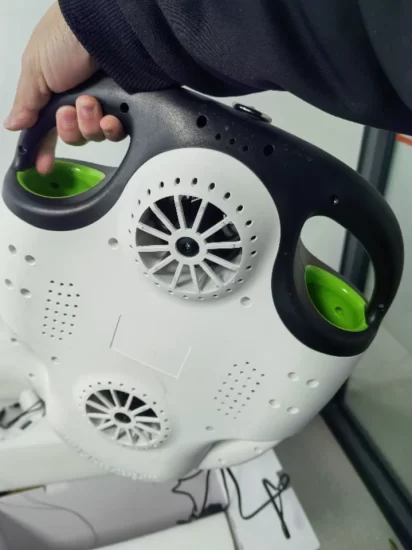
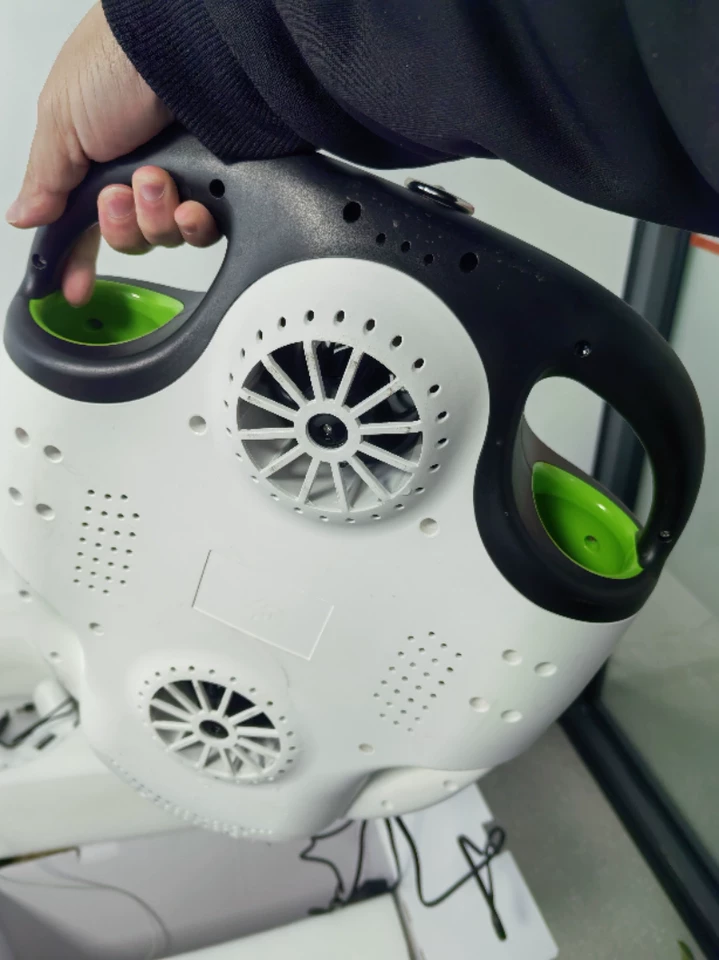
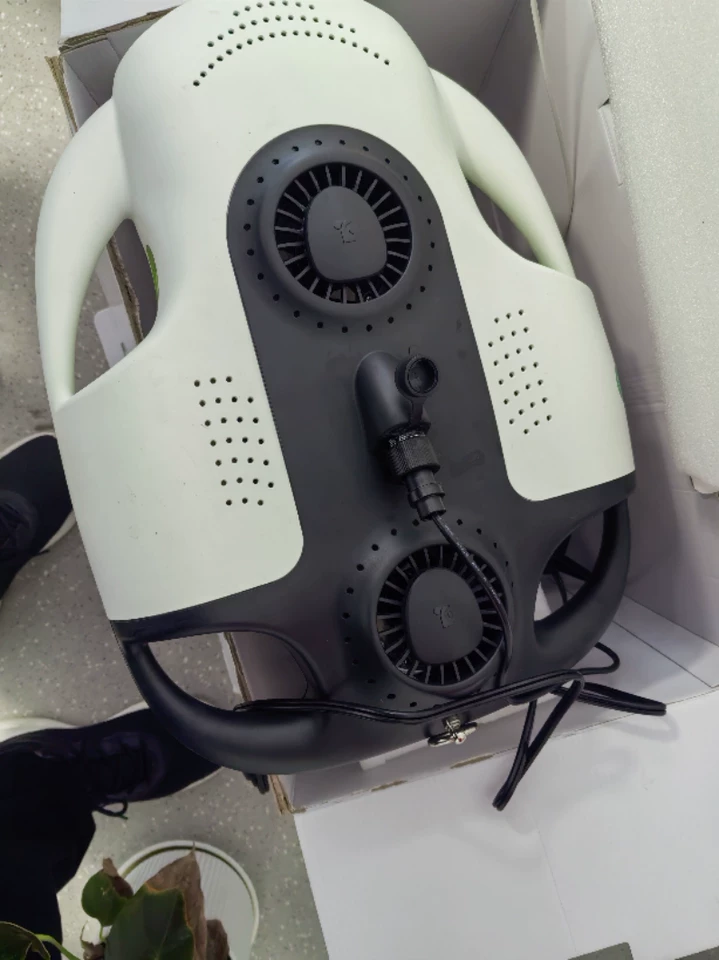
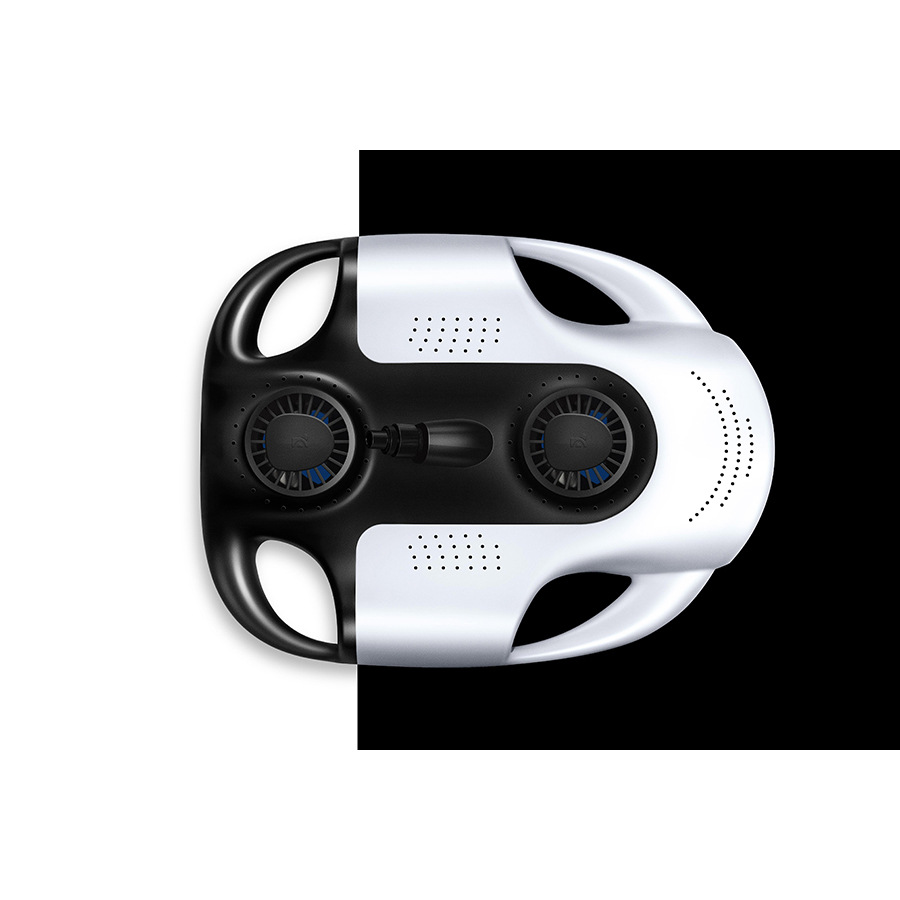
An underwater drone is a remotely operated or autonomous device designed to operate beneath the water surface. Equipped with cameras, sensors, and propulsion systems, these drones can perform various inspection and monitoring tasks.
Typical components include:
- High-definition cameras
- LED lighting systems
- Propulsion thrusters
- Depth and pressure sensors
- Water quality sensors
- Real-time data transmission systems
These features allow operators to observe and analyze underwater environments without direct human involvement.
2. Importance of Marine Inspection and Water Monitoring
Marine inspection and water quality monitoring are essential for:
- Environmental protection
- Infrastructure maintenance
- Aquaculture management
- Offshore energy operations
- Scientific research
Without proper monitoring, issues such as pollution, structural damage, and ecosystem imbalance can go unnoticed until they become serious problems.
3. Applications of Underwater Drones
3.1 Marine Infrastructure Inspection
Underwater drones are widely used to inspect:
- Bridges and piers
- Dams and reservoirs
- Offshore oil and gas platforms
- Ship hulls and propellers
They provide detailed visual data and help detect cracks, corrosion, or structural damage.
3.2 Water Quality Monitoring
Equipped with advanced sensors, underwater drones can measure:
- pH levels
- Dissolved oxygen
- Temperature
- Turbidity
- Chemical contaminants
This data is essential for environmental agencies and industries to maintain water safety standards.
3.3 Environmental Protection
Underwater drones help monitor:
- Coral reefs
- Marine biodiversity
- Pollution sources
- Illegal dumping activities
They enable continuous monitoring without disturbing marine ecosystems.
3.4 Aquaculture Management
In fish farms and aquaculture operations, underwater drones are used to:
- Monitor fish health
- Inspect cages and nets
- Detect feed waste
- Check water conditions
This improves productivity and reduces losses.
3.5 Search and Rescue Operations
Underwater drones can assist in locating:
- Missing objects
- Sunken vessels
- Accident evidence
They operate safely in conditions where human divers may face risks.
4. Advantages of Underwater Drones
4.1 Enhanced Safety
Using drones eliminates the need for divers in dangerous or deep-water environments, reducing risk significantly.
4.2 High Efficiency
Underwater drones can quickly cover large areas and provide real-time video feedback, improving operational speed.
4.3 Cost Reduction
Compared to traditional diving operations, drones require fewer personnel and less equipment, lowering overall costs.
4.4 Real-Time Data Collection
Operators receive live video and sensor data, allowing immediate analysis and decision-making.
4.5 Accessibility to Difficult Areas
Drones can access narrow, deep, or hazardous underwater locations that are difficult for humans to reach.
5. Key Technologies Behind Underwater Drones
5.1 Advanced Imaging Systems
High-resolution cameras and lighting systems provide clear visuals even in low-light conditions.
5.2 Sensor Integration
Multi-parameter sensors allow accurate water quality measurement and environmental monitoring.
5.3 Stable Navigation Systems
Thrusters and control algorithms ensure stable movement and precise positioning underwater.
5.4 Real-Time Communication
Tethered or wireless systems enable continuous communication between the drone and operator.
6. Economic and Environmental Benefits
Underwater drones contribute to both economic efficiency and environmental sustainability:
- Reduce inspection downtime
- Prevent costly infrastructure failures
- Enable early detection of pollution
- Support sustainable aquaculture practices
They provide long-term value across multiple industries.
7. Challenges and Limitations
Despite their advantages, underwater drones face some challenges:
- Limited battery life
- Signal interference underwater
- High initial investment for advanced models
- Need for skilled operators
However, ongoing technological advancements are gradually overcoming these limitations.
8. Future Development Trends
The future of underwater drone technology includes:
- AI-powered data analysis
- Autonomous navigation systems
- Longer battery life
- Enhanced sensor accuracy
- Integration with smart monitoring platforms
These innovations will further expand their applications and effectiveness.
FAQ (Frequently Asked Questions)
Q1: Are underwater drones difficult to operate?
Most modern underwater drones are designed with user-friendly controls, making them accessible even for beginners with basic training.
Q2: How deep can underwater drones go?
Depth capability varies by model, ranging from tens to thousands of meters.
Q3: Can underwater drones replace human divers?
In many inspection and monitoring tasks, yes. However, divers may still be needed for complex physical operations.
Q4: What industries benefit the most from underwater drones?
Industries such as marine engineering, aquaculture, environmental protection, and energy benefit greatly.
Conclusion
Underwater drones are revolutionizing marine inspection and water quality monitoring by offering safer, faster, and more efficient solutions. Their ability to provide real-time data, access difficult environments, and reduce operational costs makes them an essential tool in modern industries.
As technology continues to advance, underwater drones will play an even greater role in protecting marine ecosystems, supporting industrial operations, and promoting sustainable development worldwide.


No comments yet