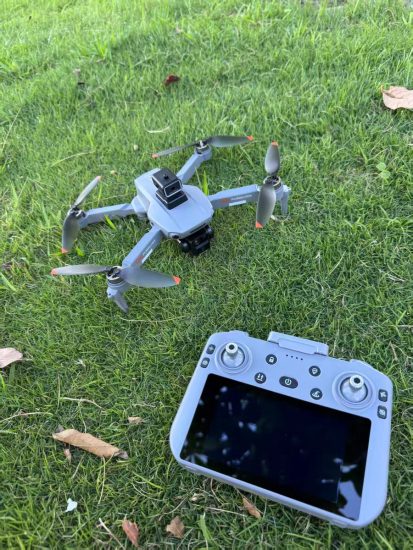




Photography drones have become essential tools for photographers, filmmakers, and hobbyists who want to capture stunning aerial imagery. With advanced cameras, gimbals, and intelligent flight features, these drones open creative possibilities previously reserved for professional film crews. However, the price of a photography drone can vary widely depending on brand, features, and intended use. This article explores the different factors affecting drone prices, typical price ranges, and what you get at each level.
1. Factors That Determine Drone Prices ⚙️
Several factors influence the cost of a photography drone:
- Camera Quality – Higher resolution cameras (4K, 6K, 8K) and larger sensors increase price. Professional drones often include adjustable apertures and RAW photo capability.
- Gimbal and Stabilization – 3-axis gimbals and advanced stabilization features ensure smooth, cinematic footage, increasing production costs.
- Flight Time and Battery – Drones with longer battery life, larger capacities, or swappable batteries are more expensive.
- Flight Intelligence – Autonomous features such as GPS navigation, obstacle avoidance, waypoint missions, follow-me modes, and AI-assisted photography affect price.
- Build Quality and Materials – Lightweight carbon fiber frames or weather-resistant designs are costlier than plastic models.
- Brand Reputation – Established brands like DJI or Autel often charge more for reliability, support, and software integration.
2. Price Ranges for Photography Drones 💵
Photography drones are typically categorized into three main price segments:
1. Entry-Level Drones ($100–$500) 🏷️
- Small, lightweight, and portable
- Basic camera quality (HD or 2.7K)
- Limited flight time (10–25 minutes)
- Minimal stabilization and fewer intelligent flight modes
- Suitable for hobbyists or beginners experimenting with aerial photography
2. Mid-Range Drones ($500–$1,500) 💼
- 4K cameras with stabilized gimbals
- Longer flight times (20–40 minutes)
- Intelligent flight modes: follow-me, waypoint missions, automatic panoramas
- Better build quality and durability
- Ideal for enthusiasts, semi-professional photographers, and small media projects
3. Professional Drones ($1,500–$5,000+) 🏆
- High-end cameras with 1-inch or larger sensors
- Adjustable aperture, RAW photo and cinema-grade video formats
- Flight time up to 50 minutes or more
- Advanced obstacle avoidance and autonomous features
- Strong, weather-resistant construction
- Often used by commercial photographers, filmmakers, surveyors, and industrial operators
⚠️ Note: Accessories such as extra batteries, carrying cases, ND filters, and spare propellers can add $100–$500+ to the total cost.
3. Additional Costs to Consider 🔧
When buying a photography drone, the price of the drone itself is only part of the total investment:
- Shipping Costs – Especially when importing from China, international shipping can range from $30 to $200 depending on weight and courier.
- Customs Duties and Taxes – Importing drones to countries like Canada may incur GST or duty fees based on the declared value.
- Software Subscriptions – Some drones require paid apps or cloud platforms for professional mapping or flight planning.
- Maintenance and Repairs – Motors, gimbals, and propellers may need replacement over time, which can add $50–$300 per incident.
4. Buying Tips for Photography Drones 💡
- Match drone features to your needs – Don’t overpay for professional features if you only need casual photography.
- Compare brands and models – Check reviews, firmware support, and after-sales service.
- Budget for extras – Batteries, filters, and protective gear are essential for prolonged use.
- Check local regulations – Compliance with registration and safety rules is crucial for legal flight.
5. Conclusion 🌟
The price of a photography drone depends heavily on its camera capabilities, flight intelligence, and build quality. Entry-level drones can cost as little as $100, while professional drones exceed $5,000. Beyond the purchase price, buyers should consider shipping, taxes, accessories, and maintenance when planning their investment.
Choosing the right drone means balancing budget, quality, and creative needs. Whether for hobby photography or professional cinematography, understanding the cost structure ensures that your investment yields both high-quality images and reliable performance. 📸🚁


No comments yet