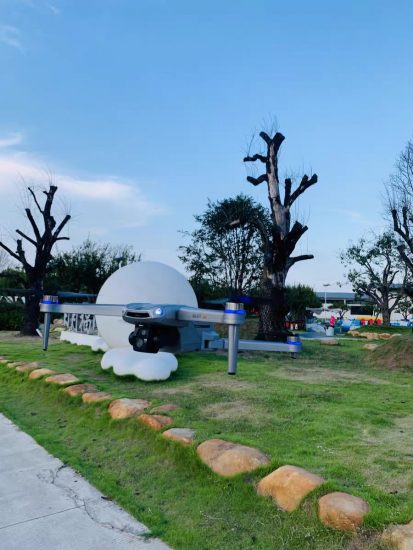


![Image [1]-Transmission Line Inspection Drone-msoen](https://www.msoen.com/wp-content/uploads/2025/12/487d5f9f2d203808-768x1024.jpg)
![Image [2]-Transmission Line Inspection Drone-msoen](https://www.msoen.com/wp-content/uploads/2025/12/5488eb51c4203807-768x1024.jpg)
![Image [3]-Transmission Line Inspection Drone-msoen](https://www.msoen.com/wp-content/uploads/2025/12/8bd3d721bf203751-768x1024.jpg)
![Image [4]-Transmission Line Inspection Drone-msoen](https://www.msoen.com/wp-content/uploads/2025/12/47dc5571e6203750-768x1024.jpg)
![Image [5]-Transmission Line Inspection Drone-msoen](https://www.msoen.com/wp-content/uploads/2025/12/5d8d4a4a0b203342-768x1024.jpg)
![Image [6]-Transmission Line Inspection Drone-msoen](https://www.msoen.com/wp-content/uploads/2025/12/ceeaf14fdc203342-768x1024.jpg)
Introduction
Electric power transmission lines form the backbone of national energy infrastructure. These lines transport electricity over long distances from power plants to cities, industrial areas, and rural communities. Because transmission networks often stretch across mountains, forests, farmland, and remote regions, maintaining them requires regular inspections to ensure safety and reliability.
Traditionally, transmission line inspections rely on manual patrol teams, tower climbing, or helicopter surveillance. These methods are often expensive, time-consuming, and dangerous for inspection personnel. In addition, difficult terrain and long transmission corridors make routine inspections challenging.
With rapid advances in unmanned aerial technology, transmission line inspection drones have become a highly efficient solution for modern power grid maintenance. These drones provide fast aerial inspections, detailed visual data, and improved safety for infrastructure monitoring.
MSOEN, a professional drone manufacturer, develops advanced industrial drone platforms designed for infrastructure inspection. MSOEN transmission line inspection drones combine intelligent flight control, high-resolution imaging systems, and durable industrial design to provide reliable inspection solutions for power utilities and infrastructure operators worldwide.
What Is a Transmission Line Inspection Drone
A transmission line inspection drone is an unmanned aerial vehicle designed specifically to inspect high-voltage transmission infrastructure. These drones are equipped with professional sensors and imaging systems that allow engineers to detect faults or structural issues along transmission corridors.
Unlike traditional inspection methods, drones can fly close to towers and cables while capturing detailed images of critical components such as insulators, connectors, and transmission wires.
Modern transmission line inspection drones usually include the following technologies:
- High-resolution zoom cameras
- Thermal imaging sensors
- GPS or RTK precision positioning
- Intelligent flight planning systems
- Long-distance communication links
- Obstacle avoidance technology
These features allow drones to operate safely around high-voltage structures while delivering accurate inspection data.
Why Transmission Line Inspection Drones Are Essential
Power transmission networks require constant monitoring to prevent failures and ensure reliable electricity delivery. Without proper inspections, small structural issues can develop into major power outages.
Transmission line inspection drones offer significant advantages for utility companies.
Improved Worker Safety
Manual inspections often require workers to climb tall transmission towers or approach high-voltage equipment. Drone inspections eliminate many of these risks by allowing remote inspection.
Faster Inspection Coverage
A drone can inspect multiple towers and long transmission corridors within a short period, greatly improving inspection efficiency.
Lower Maintenance Costs
Drone inspections reduce the need for helicopters, cranes, and large ground patrol teams.
Early Fault Detection
High-resolution cameras and thermal sensors help engineers detect damaged insulators, loose connectors, or overheating components before they cause system failures.
Key Features of MSOEN Transmission Line Inspection Drones
MSOEN transmission line inspection drones are designed specifically for energy infrastructure inspection and grid maintenance.
Professional Zoom Camera System
MSOEN drones are equipped with high-resolution cameras capable of capturing detailed images from a safe distance. Engineers can analyze small structural defects on towers, cables, and electrical components.
Thermal Imaging Detection
Thermal sensors allow the drone to detect abnormal heat patterns in electrical systems. Overheating components can be identified early, preventing equipment failures.
Intelligent Autonomous Flight
MSOEN drones support automated inspection routes. Operators can program the drone to follow transmission corridors and inspect towers automatically.
High Precision Navigation
RTK and GPS positioning systems ensure accurate navigation and stable flight along long transmission lines.
Long Endurance Flight Performance
Efficient motors and optimized power systems allow MSOEN drones to cover long distances during inspection missions.
Applications of Transmission Line Inspection Drones
Transmission line inspection drones are widely used across the energy and infrastructure sectors.
High-Voltage Transmission Line Inspection
Drones inspect transmission towers, conductors, insulators, and other critical components.
Power Corridor Monitoring
Long transmission corridors can be monitored to detect structural damage or vegetation encroachment.
Substation Infrastructure Inspection
Drones can capture aerial data of substations and electrical equipment.
Emergency Damage Assessment
After storms, earthquakes, or natural disasters, drones provide rapid damage assessment for transmission networks.
Vegetation Risk Monitoring
Drones identify trees or vegetation that may interfere with transmission lines and cause power outages.
Benefits of Using Transmission Line Inspection Drones
Reduced Inspection Risks
Drone inspections protect workers from dangerous climbing operations near high-voltage structures.
Higher Inspection Efficiency
Large sections of transmission lines can be inspected quickly.
Reduced Operational Expenses
Companies save money by reducing helicopter inspections and manual labor.
High-Quality Inspection Data
Advanced imaging systems capture detailed visual and thermal data for engineering analysis.
Improved Grid Reliability
Early detection of faults helps prevent unexpected outages and improves overall power grid stability.
How MSOEN Transmission Line Inspection Drones Improve Power Infrastructure Management
MSOEN transmission line inspection drones enable power utilities to adopt predictive maintenance strategies.
For example, drones can regularly inspect transmission towers and detect corrosion, cracked insulators, or loose fittings. Maintenance teams can then repair these components before they cause power disruptions.
Thermal imaging also allows engineers to identify overheating electrical connections, which may indicate potential equipment failure.
By providing accurate and timely inspection data, MSOEN drones help power companies improve infrastructure reliability and reduce maintenance costs.
E-E-A-T: Expertise, Experience, Authoritativeness, Trustworthiness
In infrastructure inspection applications, reliability and technical expertise are critical.
Expertise
MSOEN specializes in the development of professional drone platforms designed for industrial and infrastructure inspection tasks.
Experience
The MSOEN engineering team has extensive experience integrating advanced sensors, flight control systems, and industrial drone platforms.
Authoritativeness
MSOEN focuses on professional drone manufacturing and provides inspection solutions for energy companies and infrastructure operators globally.
Trustworthiness
MSOEN prioritizes product quality, operational safety, and long-term customer support to ensure reliable drone operations in critical infrastructure environments.
Business Opportunities in Transmission Line Drone Inspection
The global demand for drone-based infrastructure inspection continues to grow as utility companies modernize their maintenance operations.
Potential opportunities include:
- Power transmission inspection services
- Infrastructure monitoring solutions
- Drone inspection service companies
- Energy industry equipment distribution
- Drone inspection data analysis services
With expanding power grids worldwide, the need for efficient inspection technology will continue to increase.
Choosing the Right Transmission Line Inspection Drone
When selecting a transmission line inspection drone, several factors should be considered.
Camera Quality
High-resolution zoom cameras are essential for detecting small structural defects.
Thermal Sensor Capability
Thermal imaging allows early detection of overheating components.
Flight Stability
Stable flight performance is necessary when operating near tall towers and cables.
Communication Range
Long-range control and video transmission ensure reliable inspection operations across long transmission corridors.
Manufacturer Support
Reliable technical support and spare parts availability ensure long-term drone operation.
Future Development of Transmission Line Inspection Drones
Drone technology is continuously evolving in the energy industry. Future transmission line inspection drones may include:
- Artificial intelligence defect detection
- Fully autonomous inspection missions
- Real-time infrastructure analytics
- Integration with smart grid monitoring systems
- Advanced 3D mapping of transmission networks
These technologies will further improve power grid monitoring and maintenance efficiency.
Conclusion
Transmission line inspection drones are revolutionizing how power utilities maintain and monitor their infrastructure. By providing safer, faster, and more accurate inspection capabilities, drones enable energy companies to improve grid reliability while reducing operational costs.
MSOEN transmission line inspection drones combine advanced sensor technology, intelligent flight systems, and durable industrial design to deliver reliable inspection solutions for modern power networks. Whether used for routine inspections, vegetation monitoring, or emergency damage assessment, MSOEN drones provide powerful tools for efficient transmission infrastructure management.
For power utilities, infrastructure service providers, and drone operators seeking advanced inspection technology, MSOEN transmission line inspection drones represent a reliable and efficient solution for the future of smart energy infrastructure.
FAQ
What is a transmission line inspection drone
A transmission line inspection drone is an unmanned aerial vehicle used to inspect high-voltage transmission towers, cables, and electrical infrastructure.
Why use drones for transmission line inspections
Drones provide safer, faster, and more cost-effective inspection compared to manual or helicopter inspections.
Can drones detect electrical faults
Yes. With high-resolution cameras and thermal sensors, drones can detect overheating components, damaged insulators, and structural defects.
Are transmission line inspection drones suitable for long-distance inspections
Yes. Modern drones with long flight endurance and strong communication systems can inspect large transmission corridors efficiently.
Why choose MSOEN transmission line inspection drones
MSOEN drones offer professional inspection capabilities, intelligent flight systems, and reliable engineering designed specifically for power infrastructure monitoring.








No comments yet