

![Image [1]-Top Features That Matter Most in an Aerial Photography Drone-msoen](https://www.msoen.com/wp-content/uploads/2026/01/07f826db4b194838-1024x1024.jpg)
![Image [2]-Top Features That Matter Most in an Aerial Photography Drone-msoen](https://www.msoen.com/wp-content/uploads/2025/12/487d5f9f2d203808-768x1024.jpg)
![Image [3]-Top Features That Matter Most in an Aerial Photography Drone-msoen](https://www.msoen.com/wp-content/uploads/2026/01/3c01e792fe194838-768x1024.jpg)
![Image [4]-Top Features That Matter Most in an Aerial Photography Drone-msoen](https://www.msoen.com/wp-content/uploads/2026/01/529a7ff665195152-768x1024.jpg)
![Image [5]-Top Features That Matter Most in an Aerial Photography Drone-msoen](https://www.msoen.com/wp-content/uploads/2026/01/5ced0788d4195152-768x1024.jpg)
![Image [6]-Top Features That Matter Most in an Aerial Photography Drone-msoen](https://www.msoen.com/wp-content/uploads/2026/01/b100e1b304194838-1024x1024.jpg)
When people shop for an aerial photography drone, they often get distracted by marketing buzzwords, flashy videos, and exaggerated specifications. While those things can be impressive, they don’t always reflect real-world performance.
What truly matters is how a drone performs when you are actually flying, composing shots, dealing with wind, managing battery life, and trying to capture meaningful moments.
This guide focuses on the core features that genuinely affect your results as an aerial photographer. Whether you’re a beginner or an experienced pilot, these are the elements that separate average drones from truly capable aerial imaging tools.
1. Camera System: The Heart of Aerial Photography
The camera is the most important part of any aerial photography drone. No matter how advanced the flight system is, poor image quality will ruin your results.
Sensor Size
Sensor size plays a major role in:
- Low-light performance
- Dynamic range
- Noise control
- Color depth
Larger sensors generally produce cleaner, more natural-looking images.
Dynamic Range
Aerial photography often includes bright skies and dark ground areas in the same frame. A wide dynamic range allows you to retain detail in both highlights and shadows.
Without good dynamic range, skies blow out and landscapes lose detail.
RAW Photo Support
RAW images preserve much more data than compressed formats. This gives you full control during editing.
If you want professional-level results, RAW support is essential.
2. Gimbal Stabilization: The Difference Between Amateur and Professional
Stabilization is what makes aerial footage look smooth, cinematic, and professional.
A quality 3-axis gimbal:
- Cancels vibrations
- Smooths out sudden movements
- Keeps the horizon level
- Allows precise camera tilting
Without a good gimbal, even the best camera becomes nearly useless.
3. Flight Stability and Positioning Accuracy
A drone must be able to hover steadily and move smoothly.
Important elements include:
- GPS positioning
- Vision-based stabilization
- Optical flow sensors
These systems allow your drone to:
- Hold position accurately
- Avoid drifting
- Perform slow, controlled movements
Stable flight is essential for both photography and cinematic video.
4. Intelligent Flight Modes That Actually Help
Not all smart features are useful. Some are gimmicks. The best drones include intelligent modes that enhance creativity.
Subject Tracking
Keeps a moving subject in frame automatically.
Waypoints
Allows you to pre-program a route and repeat the same shot multiple times.
Orbit Mode
Creates smooth circular movements around a subject.
Reveal and Dolly Shots
Automated cinematic movements save time and reduce mistakes.
5. Battery Life: What You Get in Real Conditions
Advertised flight times are based on ideal conditions. In reality, flight time is affected by:
- Wind
- Temperature
- Speed
- Camera usage
For reliable shooting, you should:
- Carry multiple batteries
- Avoid draining batteries fully
- Monitor battery health
Battery management is part of being a professional pilot.
6. Transmission System and Live Feed Quality
A stable live feed is critical for framing shots and flying safely.
Look for:
- Low-latency transmission
- Strong signal stability
- Clear HD preview
- Long effective range
Poor transmission causes lag, dropouts, and lost shots.
7. Obstacle Avoidance and Safety Systems
Safety features are not optional.
Essential systems include:
- Forward, backward, and downward sensors
- Automatic braking
- Emergency landing
- Signal-loss return
These features protect your drone, your surroundings, and your reputation.
8. Portability and Design
Your lifestyle matters.
Compact Drones
Pros:
- Lightweight
- Easy to carry
- Quick setup
Cons:
- Smaller sensors
- Less wind resistance
Larger Drones
Pros:
- Better stability
- Larger sensors
- Higher image quality
Cons:
- Heavier
- More visible
- Slower setup
Choose based on how and where you shoot.
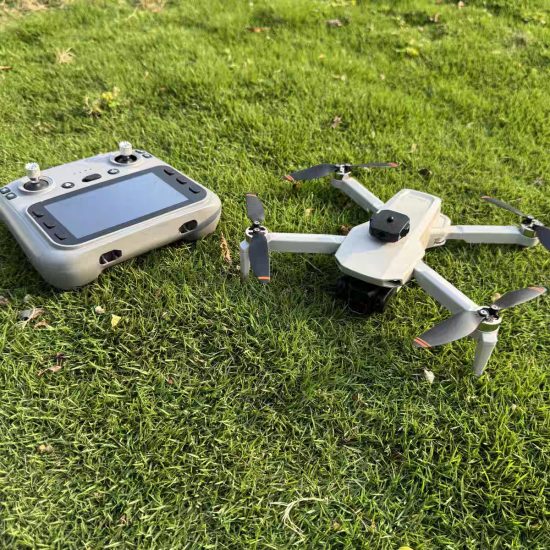
9. Controller Ergonomics and Interface
The controller is your creative tool.
A good controller should:
- Feel comfortable
- Have responsive sticks
- Offer customizable buttons
- Provide a bright, clear display
Bad ergonomics limit creativity.
10. Build Quality and Durability
Aerial photography often happens in:
- Wind
- Dust
- Cold
- Humid environments
Your drone should feel solid, not fragile.
Durable materials and well-designed joints make a huge difference over time.
11. Storage and File Management
High-quality footage creates large files.
Look for:
- Support for fast memory cards
- Reliable write speeds
- Easy file transfer
Slow storage leads to dropped frames and corrupted files.
12. Firmware and Software Support
A good drone improves over time.
Regular firmware updates can:
- Improve stability
- Add new features
- Fix bugs
- Enhance safety
Long-term software support is often overlooked but extremely important.
13. Ease of Learning
A drone should not feel intimidating.
Look for:
- Beginner modes
- Tutorials
- Simulated flight modes
- Clear UI
The faster you learn, the faster you create.
14. Cinematic Movement Capabilities
Cinematic footage depends on smooth motion.
A good drone should support:
- Slow speed modes
- Adjustable stick sensitivity
- Smooth acceleration curves
These features help you achieve professional-looking shots.
15. Weather Resistance
While no consumer drone is fully weatherproof, some handle wind and light moisture better than others.
Good wind resistance keeps footage stable and protects motors.
16. Long-Term Ownership Experience
Think long-term.
Ask:
- Are replacement parts available?
- Can batteries be replaced easily?
- Is customer support responsive?
- Does the brand update firmware?
A drone is not a short-term purchase—it’s a creative investment.
17. Features That Matter Less Than You Think
Some features sound impressive but matter less in practice:
- Extremely high digital zoom
- Excessive automatic filters
- Overly complex menus
Focus on performance, not gimmicks.
18. How These Features Affect Real-World Results
When all these features work together, you get:
- Cleaner images
- Smoother footage
- Safer flights
- Faster workflow
- Better storytelling
That’s what truly matters.
Final Thoughts
An aerial photography drone is more than a flying camera. It is a creative tool, a storytelling device, and a long-term investment.
Instead of chasing numbers, focus on real-world performance, reliability, and usability. The right features will help you create stunning images, smooth cinematic footage, and meaningful visual stories.
When you choose wisely, your drone becomes an extension of your vision—not just a piece of technology.


No comments yet