

![Image [1]-Top Drone Frames for DIY UAV Projects-msoen](https://www.msoen.com/wp-content/uploads/2026/03/20260306074142458-1000020854-1024x837.jpg)
![Image [2]-Top Drone Frames for DIY UAV Projects-msoen](https://www.msoen.com/wp-content/uploads/2026/03/20260306074132260-1000020860-1024x768.jpg)
![Image [3]-Top Drone Frames for DIY UAV Projects-msoen](https://www.msoen.com/wp-content/uploads/2026/03/20260306074023820-1000020862.jpg)
![Image [4]-Top Drone Frames for DIY UAV Projects-msoen](https://www.msoen.com/wp-content/uploads/2026/03/f909e73179010958-1024x768.jpg)
![Image [5]-Top Drone Frames for DIY UAV Projects-msoen](https://www.msoen.com/wp-content/uploads/2026/03/a477fd3c6e011114-1024x768.jpg)
![Image [6]-Top Drone Frames for DIY UAV Projects-msoen](https://www.msoen.com/wp-content/uploads/2026/03/20260306074023827-1000020858-1024x882.jpg)
![Image [7]-Top Drone Frames for DIY UAV Projects-msoen](https://www.msoen.com/wp-content/uploads/2026/03/20260306074132806-1000020859-1024x768.jpg)
![Image [8]-Top Drone Frames for DIY UAV Projects-msoen](https://www.msoen.com/wp-content/uploads/2026/03/20260306074142952-1000020856-1024x768.jpg)
Drone technology has developed rapidly in recent years, making unmanned aerial vehicles (UAVs) more accessible for hobbyists, engineers, and professional developers. One of the most important components in any drone project is the drone frame. The frame acts as the structural foundation that supports all critical components, including motors, flight controllers, batteries, cameras, and sensors.
For DIY drone builders, choosing the right frame is essential for achieving stable flight, efficient power usage, and long-term durability. Whether you are building a racing drone, an aerial photography drone, or a long-range UAV, the frame design will directly influence the performance of the entire system.
Manufacturers such as MSOEN focus on producing high-quality carbon fiber UAV frames designed for professional drone projects. These frames provide excellent strength, lightweight performance, and flexibility for customization.
In this article, we explore the top drone frame options for DIY UAV projects, key design considerations, and how to select the best frame for your build.
Why the Drone Frame Is So Important
Many beginners focus on motors, cameras, or flight controllers, but the frame plays an equally important role. A well-designed frame provides structural integrity while minimizing weight and vibration.
A high-quality drone frame ensures:
- Stable flight performance
- Balanced weight distribution
- Efficient motor placement
- Reduced vibration for sensors and cameras
- Long-term durability during flights
Poor frame design can lead to issues such as unstable flight behavior, excessive vibration, or structural failure during high-speed maneuvers.
For this reason, professional drone builders often prioritize frame quality when designing a custom UAV system.
Common Types of Drone Frames
Different drone applications require different frame designs. Understanding the common frame types helps DIY builders choose the most suitable option.
1. Quadcopter Frames
Quadcopters are the most common type of drone frame. They use four arms with motors mounted at the ends.
Advantages of quadcopter frames include:
- Simple structure
- Easy assembly
- Good stability
- Lower cost
Quadcopters are widely used for beginner drones, aerial photography, and recreational flying.
Many carbon fiber quadcopter frames produced by MSOEN are designed with modular arms and strong center plates for improved durability.
2. Hexacopter Frames
Hexacopters use six motors instead of four. This design provides more lifting power and redundancy.
Key benefits include:
- Higher payload capacity
- Greater flight stability
- Improved safety if one motor fails
Hexacopters are commonly used for professional aerial photography and industrial inspection drones.
However, they require more components and larger batteries compared to quadcopters.
3. X-Type Drone Frames
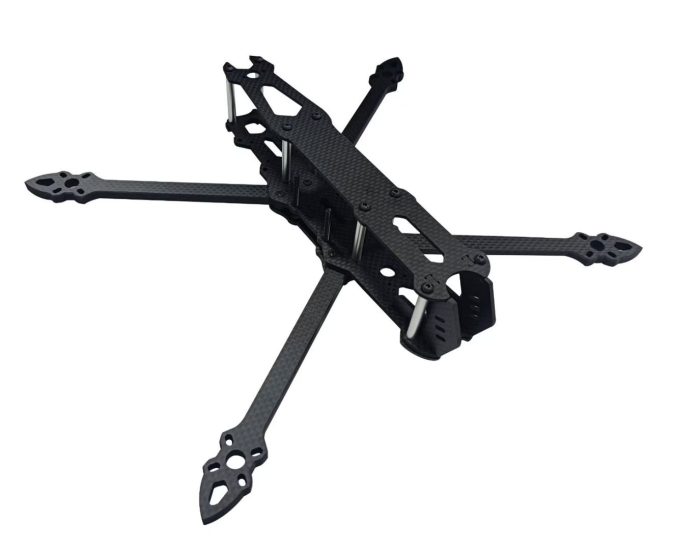
X-type frames are one of the most popular designs for FPV and racing drones. The motors are positioned in an X configuration, which allows balanced thrust and responsive maneuverability.
Advantages include:
- Excellent agility
- Balanced flight characteristics
- Compact structure
These frames are ideal for pilots who enjoy high-speed flying and freestyle drone activities.
4. H-Type Drone Frames
H-type frames feature a rectangular layout that provides more space for electronic components and cameras.
Key benefits include:
- Larger mounting area
- Stable camera platform
- Easier component installation
H-type frames are often used for aerial photography drones and research UAV systems.
Materials Used in Drone Frames
The material used in a drone frame significantly affects weight, strength, and durability.
Carbon Fiber
Carbon fiber is the most widely used material for modern drone frames.
Benefits include:
- Extremely lightweight
- High structural strength
- Excellent vibration resistance
- Corrosion resistance
Companies like MSOEN specialize in carbon fiber UAV structures because this material offers the best balance between strength and weight.
Carbon fiber frames are commonly used in both racing drones and industrial UAV systems.
Aluminum
Aluminum frames offer strong structural support and good durability.
However, they are heavier than carbon fiber frames, which can reduce flight efficiency.
Aluminum frames are sometimes used for larger industrial drones where strength is more important than weight.
Plastic Composite Frames
Plastic frames are often used in beginner drone kits.
Advantages include:
- Low cost
- Easy manufacturing
- Lightweight structure
However, plastic frames are less durable than carbon fiber frames and may break during crashes.
Popular Frame Sizes for DIY Drone Projects
Drone frames come in various sizes depending on the propeller size and intended application.
5-Inch Frames
5-inch frames are extremely popular for FPV racing drones.
Key features include:
- Lightweight structure
- High agility
- Fast acceleration
These frames are ideal for pilots who enjoy high-speed drone racing or freestyle flying.
7-Inch Frames
7-inch frames are commonly used for long-range drones.
Advantages include:
- Larger propellers for improved efficiency
- Longer flight time
- Better stability for long-distance flights
Many long-range drone builders prefer 7-inch carbon fiber frames from manufacturers like MSOEN.
10-Inch and Larger Frames
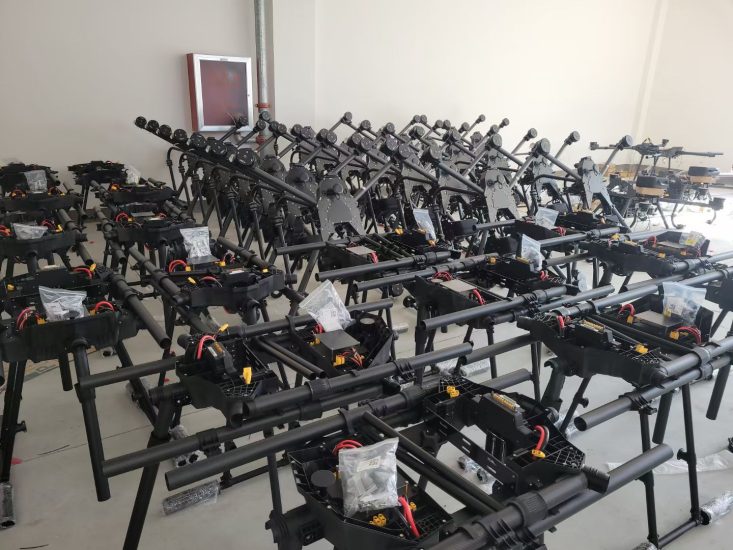
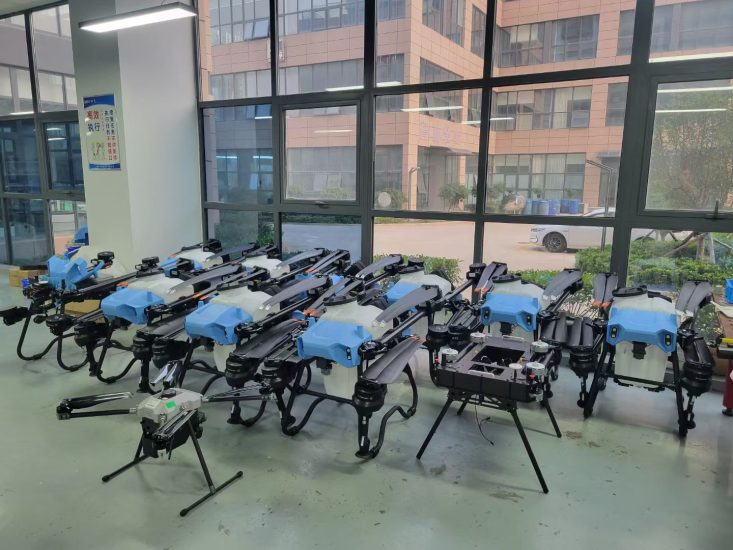
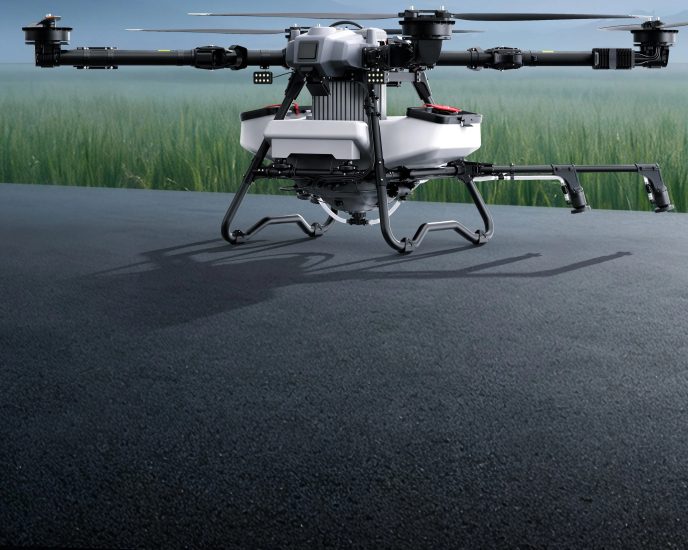
Large frames are used for heavy-lift drones and professional UAV systems.
These frames can carry:
- Large cameras
- LiDAR sensors
- Agricultural spraying systems
- Industrial inspection equipment
Because of the higher payload capacity, these frames require stronger materials and more powerful motors.
Key Factors When Choosing a Drone Frame
Selecting the right frame requires considering several technical factors.
Weight
A lighter frame improves flight efficiency and extends battery life.
However, the frame must still be strong enough to support all components.
Carbon fiber frames offer the best balance between weight and strength.
Durability
Drone frames must withstand vibrations, sudden movements, and occasional crashes.
High-quality materials and precision manufacturing ensure long-term durability.
MSOEN frames are designed with reinforced carbon fiber layers to improve structural reliability.
Mounting Compatibility
A good frame should support standard mounting patterns for components such as:
- Flight controllers
- ESC boards
- Cameras
- GPS modules
This compatibility makes assembly and upgrades easier.
Aerodynamic Design
Efficient frame geometry reduces air resistance and improves flight performance.
Slim arms and optimized motor placement can significantly improve efficiency.
How MSOEN Supports DIY UAV Builders
As the DIY drone community continues to expand, reliable frame manufacturers play an important role in supporting innovation.
MSOEN focuses on developing advanced carbon fiber UAV frames designed for both hobbyists and professional drone developers.
Key advantages of MSOEN drone frames include:
- Precision CNC carbon fiber cutting
- Lightweight structural design
- Strong vibration resistance
- Modular configuration for easy upgrades
These features allow drone builders to create high-performance UAV systems suitable for various applications.
MSOEN also provides customized UAV frame solutions for companies developing specialized drones for agriculture, mapping, and industrial inspection.
Future Trends in Drone Frame Design
Drone frame technology continues to evolve as UAV applications expand.
Several trends are shaping the future of drone frame design.
Advanced Composite Materials
New composite materials are being developed to improve strength while reducing weight.
These materials will allow drones to fly longer distances with greater payload capacity.
Modular Frame Systems
Future drone frames may include modular components that allow users to easily swap arms, landing gear, or camera mounts.
This flexibility will make drone customization much easier.
Integrated Electronics Design
Some modern drone frames integrate electronic components directly into the structure, reducing wiring complexity and improving aerodynamics.
Conclusion
The drone frame is one of the most critical components in any DIY UAV project. It provides the structural support needed to hold motors, electronics, and sensors while maintaining balance and stability during flight.
By selecting the right frame type, size, and material, drone builders can significantly improve flight performance and durability.
Carbon fiber frames remain the preferred choice for modern UAV systems because they offer exceptional strength, lightweight construction, and excellent vibration resistance.
Manufacturers like MSOEN continue to innovate in UAV structural design, providing high-quality carbon fiber frames that support both hobbyist projects and professional drone applications.
Whether you are building a racing drone, a long-range FPV drone, or an industrial UAV platform, choosing the right drone frame is the first step toward creating a successful DIY drone project.


No comments yet