




In the rapidly evolving world of remote-controlled aviation, few innovations have captured the imagination of tech enthusiasts and adrenaline junkies quite like the First Person View (FPV) racing drone. Unlike traditional drones that are flown by looking up at the sky, an immersive FPV racing drone places you directly in the pilot’s seat. By wearing specialized goggles, you see exactly what the drone sees in real-time, transforming a simple flight into a high-speed, heart-pounding journey through the skies. Whether you are an adult seeking a new hobby or looking for an exciting gadget to share with your kids, the FPV experience offers a unique blend of technology, skill, and pure excitement.
The Magic of Immersion
The defining feature of this type of quadcopter is its ability to provide a true “pilot’s eye” perspective. When you put on the FPV goggles, the outside world fades away. You are no longer standing in a field holding a controller; you are soaring through the air at speeds that can exceed 60 miles per hour. This level of immersion is made possible by a low-latency video transmission system. Latency refers to the delay between the camera capturing an image and it appearing on your screen. In FPV racing, every millisecond counts. A high-quality immersive system ensures that what you see is happening in the exact moment it occurs, allowing for split-second decisions that are crucial when navigating tight corners or performing complex aerial maneuvers.
Why Choose an FPV Racing Drone?
While standard camera drones are excellent for capturing static landscape shots, FPV racing drones are built for dynamic movement. They are designed to be agile, responsive, and incredibly fast. The inclusion of an HD camera elevates this experience further. Not only do you get the thrill of the flight, but you also capture stunning, high-definition footage that makes viewers feel as if they are flying alongside you. This dual functionality—serving as both a high-performance racer and a capable aerial camera—makes it a versatile tool for creators and competitors alike.
Designed for Everyone: From Adults to Kids
One of the most common misconceptions about FPV drones is that they are too difficult for beginners or children. However, modern engineering has bridged the gap between professional-grade performance and user-friendly operation. Many of today’s models come equipped with “Altitude Hold” and “Headless Mode,” features that simplify the learning curve significantly. Altitude Hold uses barometric pressure sensors to maintain a steady height, meaning the pilot doesn’t have to constantly adjust the throttle to stay airborne. Headless Mode, on the other hand, orients the drone’s controls relative to the pilot rather than the drone’s front, eliminating confusion during high-speed turns.
This accessibility makes the FPV racing drone a fantastic family activity. Adults will appreciate the technical challenge and the rush of adrenaline, while kids can develop hand-eye coordination and spatial awareness in a safe, controlled environment. It is a hobby that grows with you; starting with basic hovering and gradually progressing to complex acrobatic flips and competitive racing.
The Technical Heartbeat: Understanding the Quadcopter
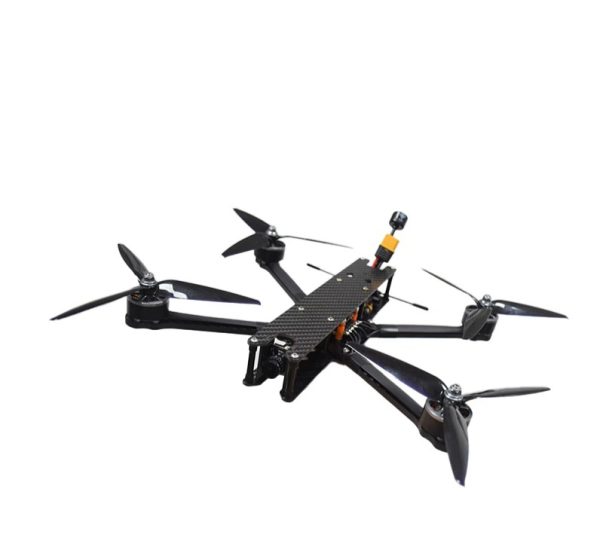
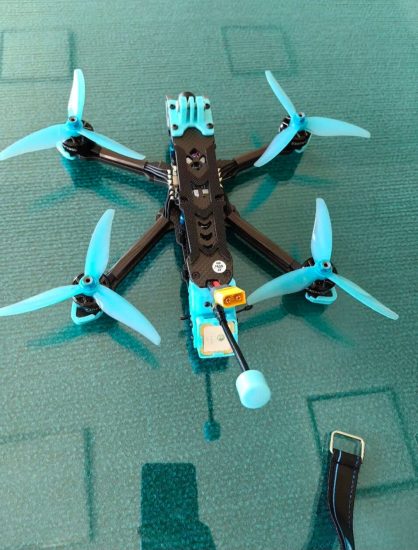
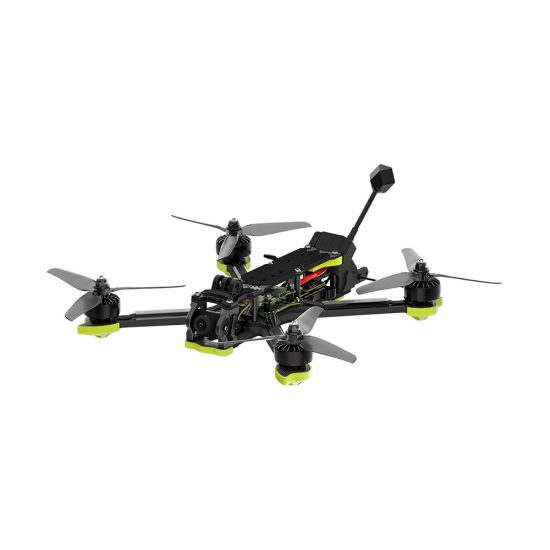
At the core of every FPV drone is the quadcopter design. With four powerful brushless motors, these machines offer unparalleled stability and lift. Brushless motors are preferred over their brushed counterparts because they generate less heat, provide more torque, and have a significantly longer lifespan. This means more time flying and less time performing maintenance.
The HD camera mounted on the front is typically housed in a protective casing, often referred to as a “camera canopy.” This protects the lens from crashes—a common occurrence when you are pushing the limits of speed and agility. Furthermore, many models feature modular batteries, allowing pilots to swap out a depleted power source in seconds and get back in the air without missing a beat.
Safety and Responsibility
With great power comes great responsibility. Because FPV drones can reach high speeds and travel far distances, safety is paramount. Pilots should always fly in open areas away from people, animals, and obstacles. The immersive nature of the goggles means you are cut off from your peripheral vision, so having a “spotter”—a friend or family member who keeps an eye on the physical drone—is highly recommended, especially for younger pilots. Additionally, understanding local regulations regarding drone flight is essential to ensure that this exciting hobby remains enjoyable and legal for everyone involved.
The Future of Flight
The community surrounding FPV racing is vibrant and growing. From local meetups to international competitions, pilots are constantly pushing the boundaries of what these machines can do. The technology continues to advance, with improvements in battery life, video resolution, and flight controller software making the experience smoother and more realistic than ever before.
Whether you are looking to enter the world of competitive drone racing or simply want to experience the joy of flight from a bird’s-eye view, an immersive FPV racing drone is your ticket to adventure. It is more than just a toy; it is a sophisticated piece of technology that offers a profound sense of freedom. So, strap on your goggles, grip the controller, and prepare to see the world from a perspective you never thought possible. The sky is no longer the limit—it is your playground.
Frequently Asked Questions (FAQ)
1. Is an FPV racing drone suitable for complete beginners?
Absolutely. While FPV flying has a steeper learning curve than standard drones, many modern quadcopters come with beginner modes and stabilization features. We recommend starting in a wide-open space and practicing with the altitude hold feature before attempting high-speed maneuvers.
2. What is the difference between FPV racing and regular drone flying?
Regular drone flying typically involves looking at the drone from the ground or watching a live feed on a smartphone screen. FPV (First Person View) involves wearing goggles that display a real-time video feed from the drone’s camera, giving you the sensation of actually sitting inside the aircraft.
3. Can kids safely use an FPV drone with HD camera?
Yes, with proper supervision. Many models are marketed for “Adults & Kids” because they include safety guards and simplified controls. However, due to the immersive nature of the goggles, it is best if an adult acts as a spotter to help the child avoid obstacles.
4. How long does the battery last on a typical FPV racing drone?
Flight times usually range from 8 to 15 minutes depending on the speed and maneuvers performed. Most pilots purchase extra batteries to extend their flying sessions without long breaks.
5. Do I need a license to fly an FPV racing drone?
Regulations vary by country and region. Generally, for recreational use, you may need to register the drone if it exceeds a certain weight limit. Always check your local aviation authority’s guidelines before your first flight.
6. What happens if I lose video signal while flying?
Most quality FPV systems have a “fail-safe” mode. If the signal is lost, the drone will either automatically land or return to its take-off point to prevent it from flying away uncontrollably.
7. Is the HD camera recording saved on the drone?
Typically, the drone streams video to the goggles in real-time. To record the HD footage, the drone usually has an SD card slot where the high-definition video is stored locally, separate from the low-latency feed sent to the goggles.
Article Link:
The Ultimate Guide to Immersive FPV Racing Drones
THE END



No comments yet