

![Image [1]-The Ultimate Guide to Drones with Cameras: Revolutionizing Aerial Photography & Videography-msoen](https://www.msoen.com/wp-content/uploads/2026/01/5ced0788d4195152-768x1024.jpg)
![Image [2]-The Ultimate Guide to Drones with Cameras: Revolutionizing Aerial Photography & Videography-msoen](https://www.msoen.com/wp-content/uploads/2026/01/b100e1b304194838-1024x1024.jpg)
![Image [3]-The Ultimate Guide to Drones with Cameras: Revolutionizing Aerial Photography & Videography-msoen](https://www.msoen.com/wp-content/uploads/2026/01/529a7ff665195152-768x1024.jpg)
![Image [4]-The Ultimate Guide to Drones with Cameras: Revolutionizing Aerial Photography & Videography-msoen](https://www.msoen.com/wp-content/uploads/2026/01/2eda0d55c5195152-768x1024.jpg)
![Image [5]-The Ultimate Guide to Drones with Cameras: Revolutionizing Aerial Photography & Videography-msoen](https://www.msoen.com/wp-content/uploads/2026/01/e46bda83bc195152-1024x768.jpg)
![Image [6]-The Ultimate Guide to Drones with Cameras: Revolutionizing Aerial Photography & Videography-msoen](https://www.msoen.com/wp-content/uploads/2026/01/76933d8539195152-768x1024.jpg)
![Image [7]-The Ultimate Guide to Drones with Cameras: Revolutionizing Aerial Photography & Videography-msoen](https://www.msoen.com/wp-content/uploads/2026/01/b0b3024095195152-768x1024.jpg)

![Image [9]-The Ultimate Guide to Drones with Cameras: Revolutionizing Aerial Photography & Videography-msoen](https://www.msoen.com/wp-content/uploads/2026/01/25b1b8e53d192813-768x1024.jpg)
![Image [10]-The Ultimate Guide to Drones with Cameras: Revolutionizing Aerial Photography & Videography-msoen](https://www.msoen.com/wp-content/uploads/2026/01/4fc1c2356c192846-768x1024.jpg)
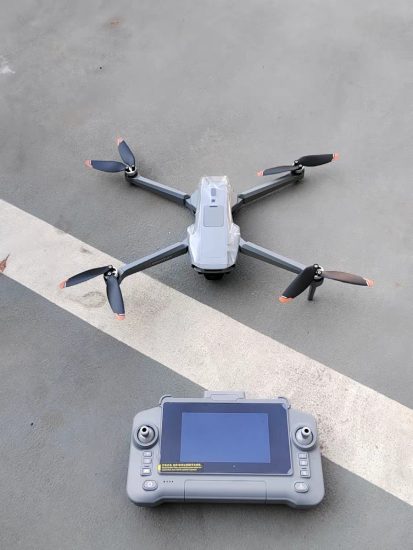
The integration of high-resolution cameras into unmanned aerial vehicles (UAVs) has transformed how we capture the world. A drone with camera is no longer a niche gadget but an essential tool for creators, professionals, and hobbyists alike. This comprehensive guide explores the technology, applications, and key considerations when choosing a camera drone, with insights tailored to elevate your aerial content.
1. What Defines a Modern Camera Drone?
A drone with camera combines three core elements:
- Aerial Platform: Stable airframe with intelligent flight controls.
- Imaging System: High-quality camera (often with gimbals for stabilization).
- Connectivity: Real-time transmission of HD footage to remote controllers.
Modern iterations like MSOEN’s flagship models push boundaries with 1-inch sensors, 5.4K video, and AI-powered tracking—all while maintaining portability.
2. Key Technology Innovations
A. Imaging Excellence
- Sensor Size Matters: Larger sensors (e.g., 1-inch) capture more light, reducing noise in low light.
- Resolution & Frame Rates: 4K/60fps for smooth motion; 5.4K for cinematic detail.
- Color Science: Advanced processing (like MSOEN’s HDR+) ensures vibrant, true-to-life colors.
B. Stabilization Systems
- 3-Axis Gimbals: Compensate for wind and movement, delivering shake-free footage.
- Horizon Leveling: Software that corrects tilt even during aggressive maneuvers.
C. Intelligent Flight Modes
- ActiveTrack: Follows subjects autonomously.
- Point of Interest: Circles landmarks or people.
- Waypoint Navigation: Pre-plans flight paths for complex shots.
D. Transmission & Safety
- OcuSync/HD FPV: Low-latency, long-range HD video feed (up to 15 km in open areas).
- Obstacle Avoidance: Sensors detect obstacles in 6 directions.
- Return-to-Home (RTH): Auto-pilots back on low battery or signal loss.
3. Applications Across Industries
A. Content Creation
- Travel Vlogging: Lightweight foldable drones (e.g., MSOEN AirLite) fit in backpacks.
- Cinematography: Dynamic shots (dolly zooms, fly-throughs) once requiring helicopters.
- Real Estate: Aerial property tours increase engagement by 40%+.
B. Professional Sectors
- Agriculture: Multispectral sensors monitor crop health.
- Construction: Site progress tracking and volumetric analysis.
- Search & Rescue: Thermal imaging locates missing persons.
C. Recreational Use
- Adventure Sports: Mountaineering, surfing, and skiing from above.
- Wildlife Documentation: Non-intrusive animal behavior studies.
4. Choosing Your Ideal Drone with Camera
A. Assess Your Needs
| User Type | Priority Features |
|---|---|
| Beginner | Ease of use, safety features, <$500 |
| Enthusiast | 4K/60fps, 30-min flight, portability |
| Pro | 1-inch sensor, 10km range, pro color modes |
B. Critical Specs Checklist
- Weight: Sub-250g models avoid FAA registration in the US/EU.
- Flight Time: Aim for 30+ minutes (e.g., MSOEN PowerMax batteries).
- Controller: Integrated screen vs. smartphone app.
- Storage: MicroSD support (V60/U3 recommended for 4K+).
C. Legal Compliance
- Registration: Mandatory for drones >250g in most countries.
- No-Fly Zones: Use apps like MSOEN FlySafe to check restrictions.
- Privacy Laws: Avoid capturing identifiable individuals without consent.
5. MSOEN: Engineering the Future of Aerial Imaging
As a leader in UAV innovation, MSOEN redefines what a drone with camera can achieve:
- Pioneering Sensor Tech: Our 1-inch CMOS sensors rival mirrorless cameras.
- Seamless Ecosystem: Sync with MSOEN Edit for one-click pro color grading.
- Global Support: 24/7 assistance in 12 languages.
Why Creators Choose MSOEN:
“The MSOEN SkyPro’s dynamic range captured sunrises over the Grand Canyon that my DSLR missed.” – Alex R., Landscape Photographer
6. Mastering Aerial Cinematography
A. Composition Rules
- Rule of Thirds: Place horizons off-center.
- Leading Lines: Use rivers/roads to guide the eye.
- Reveal Shots: Start close, then ascend to unveil landscapes.
B. Optimal Settings
- ND Filters: Reduce glare in bright conditions (MSOEN offers magnetic ND sets).
- Log Profiles: Preserve dynamic range for post-production flexibility.
- Shutter Speed: Set to 1/(2x frame rate) for natural motion blur.
C. Post-Processing Tips
- Stabilize Footage: Use software like DaVinci Resolve.
- Color Grade: Enhance contrast without oversaturating skies.
- Add Motion Blur: Simulate speed in static shots.
7. The Future: AI, Swarms, and Beyond
- AI Directors: Automatically suggest creative angles.
- Swarm Drones: Coordinated fleets for large-scale light shows.
- Solar-Powered Models: Extended flight times for environmental monitoring.
- AR Integration: Overlay data (e.g., elevation) onto live feeds.
Brands like MSOEN are already prototyping swappable payloads (LiDAR, thermal imagers) for multi-industry use.
8. Conclusion: Elevate Your Perspective
A drone with camera unlocks vantage points once reserved for birds and satellites. Whether you’re filming a wedding, surveying a construction site, or chasing auroras in Iceland, today’s technology delivers stunning results safely and intuitively.
For creators seeking reliability without compromise, MSOEN’s lineup offers cutting-edge imaging, robust safety protocols, and intuitive interfaces—proving that the sky is truly limitless.
Ready to Capture New Heights?
Explore MSOEN’s award-winning drones at [official website] and join a community of aerial pioneers reshaping visual storytelling.


No comments yet