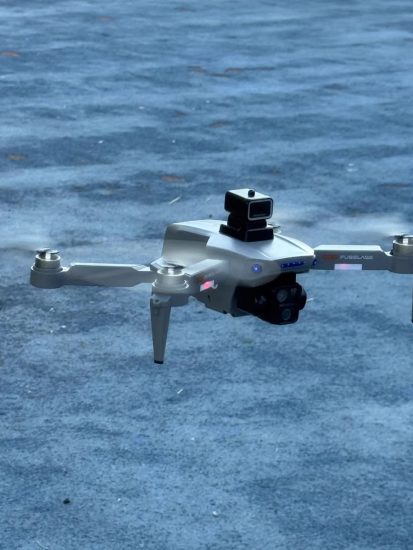



![Image [2]-The Ultimate 2026 Guide to Buying a msoen Drone for Photography: 10 Key Questions Answered-msoen](https://www.msoen.com/wp-content/uploads/2026/01/2eda0d55c5195152-768x1024.jpg)
![Image [3]-The Ultimate 2026 Guide to Buying a msoen Drone for Photography: 10 Key Questions Answered-msoen](https://www.msoen.com/wp-content/uploads/2026/01/b0b3024095195152-768x1024.jpg)
![Image [4]-The Ultimate 2026 Guide to Buying a msoen Drone for Photography: 10 Key Questions Answered-msoen](https://www.msoen.com/wp-content/uploads/2026/01/76933d8539195152-768x1024.jpg)
![Image [5]-The Ultimate 2026 Guide to Buying a msoen Drone for Photography: 10 Key Questions Answered-msoen](https://www.msoen.com/wp-content/uploads/2026/01/5ced0788d4195152-768x1024.jpg)
![Image [6]-The Ultimate 2026 Guide to Buying a msoen Drone for Photography: 10 Key Questions Answered-msoen](https://www.msoen.com/wp-content/uploads/2026/01/e46bda83bc195152-1024x768.jpg)
![Image [7]-The Ultimate 2026 Guide to Buying a msoen Drone for Photography: 10 Key Questions Answered-msoen](https://www.msoen.com/wp-content/uploads/2026/01/529a7ff665195152-768x1024.jpg)
![Image [8]-The Ultimate 2026 Guide to Buying a msoen Drone for Photography: 10 Key Questions Answered-msoen](https://www.msoen.com/wp-content/uploads/2026/01/b100e1b304194838-1024x1024.jpg)
As aerial imaging becomes increasingly accessible, selecting the right drone for photography requires balancing technical specifications, regulatory compliance, and personal creative goals. This report addresses ten critical questions surrounding msoen drones in 2026, combining data – driven analysis with practical recommendations. Whether you’re a novice or a seasoned professional, these insights will empower your aerial storytelling.
1. Which msoen Drone Should I Buy for Photography in 2026?
Model Comparison Table
| Model | Price Range | Key Features | Best For |
|---|---|---|---|
| Spark Mini 2 | 399–499 | 1/1.3″ 12MP sensor, 4K 30fps, 24 – min flight, folds to 140mm | Beginners, vloggers, casual travel |
| Air X | 999–1,199 | 1″ 48MP sensor, 8K 30fps, 45 – min flight, TrueSense 360° obstacle avoidance | Enthusiasts, landscape/architecture |
| Mavic Ultra | 2,499–2,799 | Full – frame 61MP sensor, 8K 60fps 10 – bit log, 55 – min flight, ActiveTrack Pro 3.0 | Professionals, commercial filmmaking |
Note: Weight and registration requirements vary by region (see Q2).
2. Do I Need to Register My Photography Drone in 2026?
Global Registration Rules
- Weight Threshold: Most countries (US/EU/Asia) require registration for drones >250g.
- Spark Mini 2 (249g) = Exempt
- Air X (720g) = Registration optional in some regions (e.g., Canada)
- Mavic Ultra (2.1kg) = Mandatory (FAA Part 107/CE Certification)
- Registration Process: Submit drone details via local aviation authorities (e.g., FAA’s DRONEZONE). msoen provides pre – filled forms for select models.
3. What Are the Most Important Features for Drone Photography?
Technical Priorities
- Camera Quality:
- Sensor Size: 1 – inch (Air X) > 1/1.3″ (Spark Mini 2) > Full – frame (Mavic Ultra for studio – grade).
- Resolution: 48MP (minimum for printing large formats); 61MP (Ultra) enables cropping without losing detail.
- Video: 8K 30fps (standard) vs. 8K 60fps (Ultra) for slow – motion.
- Flight Stability:
- Three – axis gimbals with 360° obstacle avoidance (Air X/Spar Mini 2) or adaptive stabilization (Ultra).
- Wind resistance: Mavic Ultra (12 m/s) outperforms Air X (9 m/s) for stormy shoots.
- AI Enhancements:
- TrueSense 360° (Air X) prevents collisions in tight spaces.
- Aerial Portrait Mode (all models) blurs backgrounds automatically.
4. Can I Still Use Old msoen Drones for Photography in 2026?
Retrofitting and Compatibility
- Sensor Upgrades: Legacy models (e.g., 2024 Spark Pro) can install 2026 – spec 1 – inch sensors via service centers ($299).
- Battery Swaps: Universal 18650 cells work across generations.
- AI Features: 2025 Air X gains 360° obstacle detection via software patch.
Example: A 2023 Mavic Air remains functional for 4K vlogging but struggles with 8K 60fps workflows due to outdated chips.
5. Which msoen Drone Is Best for Beginners?
User – Friendly Picks
- Spark Mini 2:
- One – touch takeoff/landing, pre – set “Aerial Story” templates for Instagram/TikTok.
- Weighs 249g (<250g threshold) = No registration needed globally.
- Air X:
- Intuitive app with “Magic Hour” mode for golden light optimization.
- 45 – min flight time suits extended outdoor shoots.
6. Are Drone Photography Skills More Important Than Equipment?
Skill vs. Tech Balance
- Technical Mastery: Understanding ISO/shutter speed for low – light (e.g., Night Mode on Air X) is critical.
- Creative Vision: Composition (rule of thirds) and storytelling outweigh raw megapixels.
- msoen’s Role: FlyAcademy offers free courses on framing and post – processing to bridge skill gaps.
7. Can I Use Any msoen Drone Model in All Countries?
International Restrictions
- Registration: Even lightweight drones may require permits (e.g., Japan’s “Drone Act” for all aircraft >200g).
- Flight Zones: GeoFencing 3.0 blocks sensitive areas (e.g., airports) globally.
- Export Laws: Full – frame sensors (Mavic Ultra) may trigger ITAR regulations when shipped internationally.
8. What Accessories Improve Drone Photography?
Must – Have Add – Ons
| Accessory | Purpose | msoen – Compatible Models |
|---|---|---|
| ND Filters | Control shutter speed for motion blur | All 2026 models |
| Zenith Gimbal Stabilizer | Handheld stabilization for low – altitude shots | Spark Mini 2/Air X |
| Aether Studio | Cloud – based RAW editing with AI tools | Mavic Ultra/Air X |
| Horizon Antenna | Extend FPV range to 15km | Air X/Mavic Ultra |
9. How Long Does a Drone’s Flight Last for Photography?
Battery Optimization
- Standard Ranges:
- Spark Mini 2: 24 mins (2.4km/h wind)
- Air X: 45 mins (9 m/s wind resistance)
- Mavic Ultra: 55 mins (12 m/s)
- Extended Tips:
- Use “Endurance Mode” to reduce CPU load.
- Remove unnecessary sensors (e.g., thermal cameras on Air X) to save weight.
10. Where Can I Learn Advanced Drone Photography Skills?
Educational Resources
- msoen FlyAcademy:
- Level 1 (Free): Safety, 4K basics.
- Level 2 ($99/year): Hyperlapse, RAW editing.
- Level 3 ($299/year): Aerial storytelling, obstacle avoidance coding.
- Community Engagement:
- Weekly “Golden Hour Shoot” challenges on the msoen Forum.
- Regional meetups for hands – on practice.
Conclusion: Choosing the Right Tool for Your Creative Vision
In 2026, msoen drones cater to every photographer’s needs—from casual vloggers to commercial auteurs. Prioritize these factors:
- Skill Level: Start with Spark Mini 2; upgrade to Air X/Mavic Ultra for pro workflows.
- Legal Compliance: Register drones >250g and respect local flight zones.
- Accessories: Invest in ND filters and cloud editing tools.
- Continuous Learning: Leverage msoen’s structured education programs.
Your drone is not just a device—it’s a portal to new perspectives. Fly responsibly, experiment boldly, and let your creativity take flight.


No comments yet