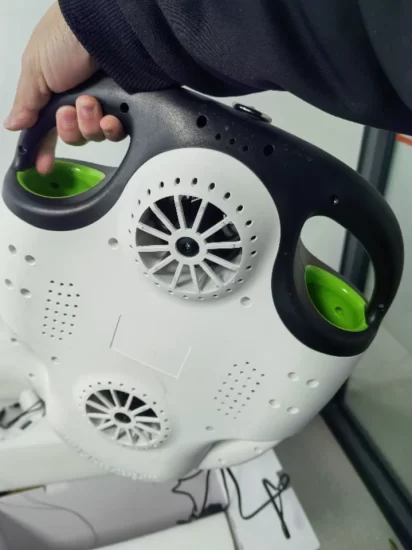


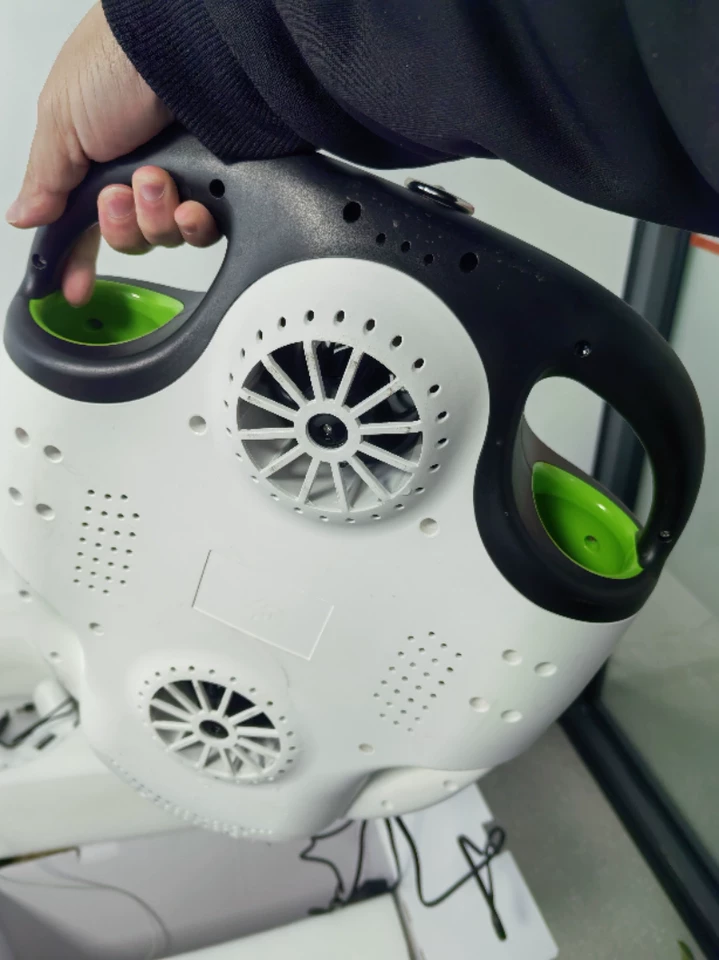
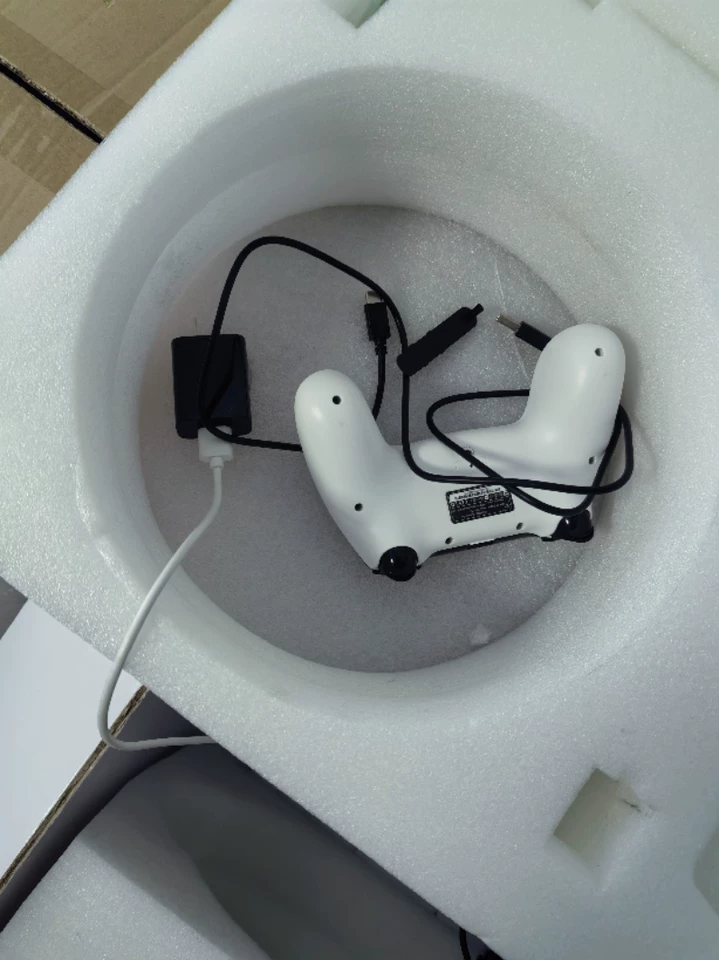
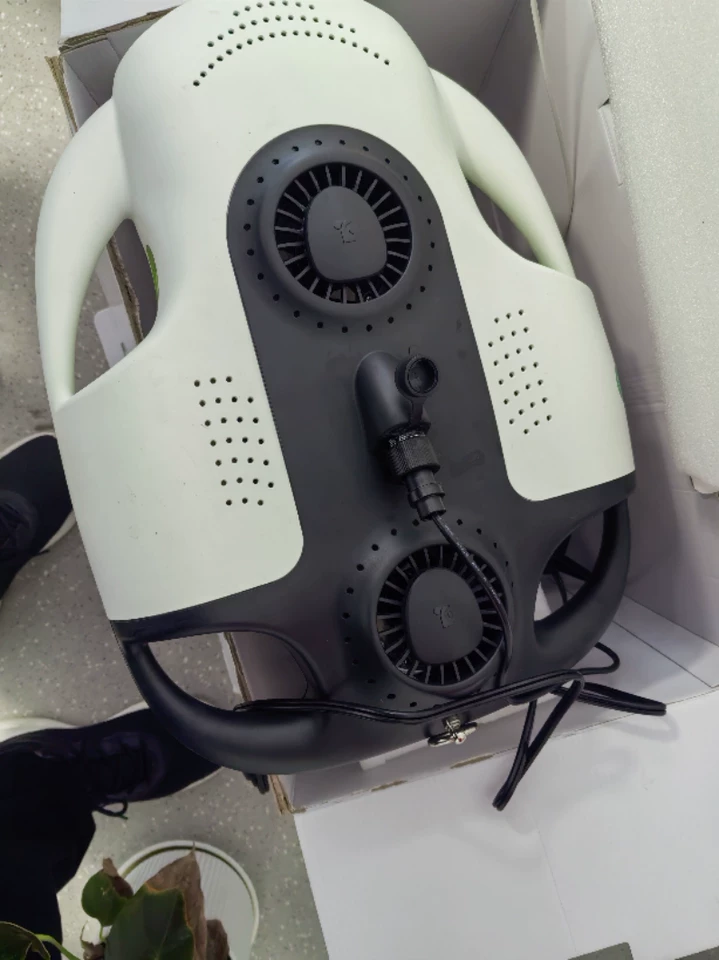

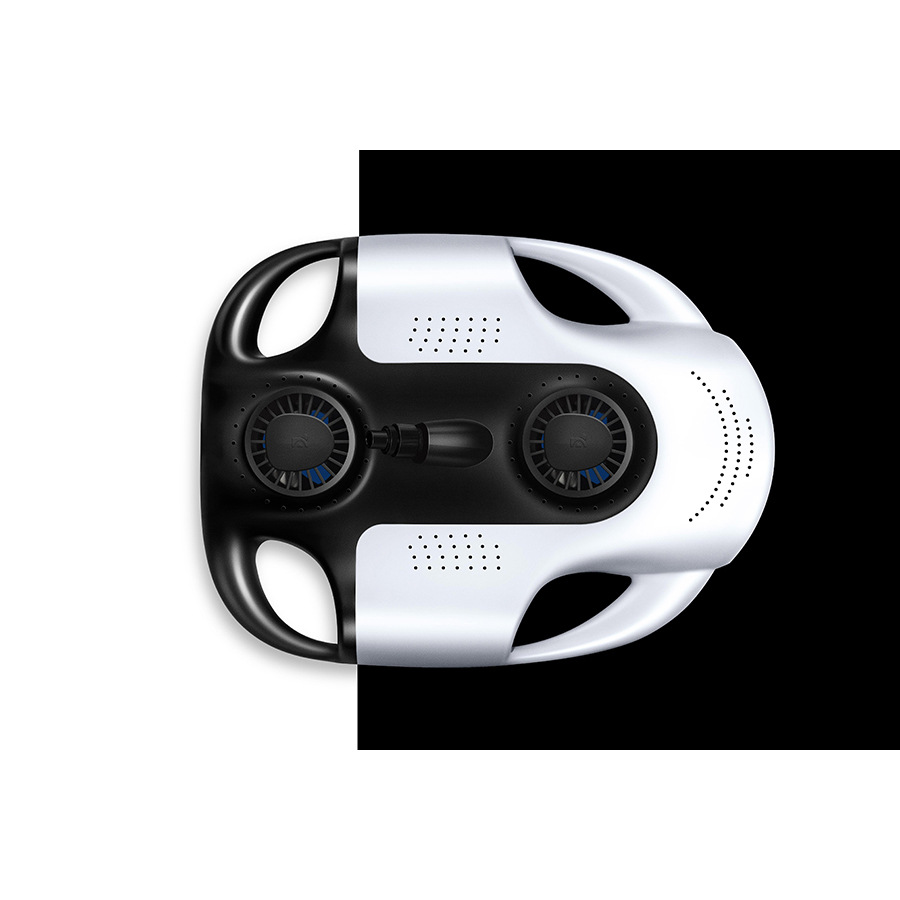

For decades, the phrase “drone technology” immediately conjured images of quadcopters buzzing through the clouds, capturing sweeping aerial vistas. However, as the sky becomes a crowded marketplace, the most exciting frontier in robotics has shifted downward. The ocean covers more than 70% of our planet, yet over 80% of it remains unmapped and unobserved.
As a premier manufacturer of Underwater Imaging Drones (also known as Remotely Operated Vehicles or ROVs), we are witnessing a global shift. From the fjords of Norway to the coral reefs of Australia, our technology is providing eyes where humans cannot easily go.
1. The Engineering Challenge: Defying the Abyss
Building a drone for the air is about managing gravity and wind. Building a drone for the ocean is about surviving a hostile environment. To export a world-class underwater drone, we focus on three core engineering pillars:
Pressure Resistance and Hydrodynamics
The deeper a drone descends, the more immense the pressure becomes. At just 100 meters, the pressure is roughly 11 times that of sea level. Our drones utilize industrial-grade polymer or carbon-fiber shells designed to maintain structural integrity while remaining light enough for a single operator to deploy.
The Physics of Light and Clarity
Water is a natural filter that absorbs colors, starting with red and ending with blue. To produce “cinematic” quality underwater, it isn’t enough to have a good sensor; you need specialized optics. Our drones integrate ultra-wide-angle lenses and high-CRI (Color Rendering Index) LED floodlights that restore the natural colors of the deep, ensuring that 4K footage looks as vibrant as reality.
Propulsion and Stability
The ocean is never still. To capture stable 4K video, a drone must fight currents. We utilize multi-thruster layouts (often 6 to 8 thrusters) that allow for “Omni-directional” movement—meaning the drone can tilt, depth-hold, and strafe simultaneously.
2. Transforming Industries: More Than Just a Camera
While “filming” is in the name, the utility of our underwater drones extends far beyond social media content. Our export partners across Europe, North America, and Southeast Asia utilize our drones for critical industrial applications.
Aquaculture and Fish Farming
The global demand for sustainable seafood is skyrocketing. Traditionally, inspecting nets for holes or monitoring fish health required commercial divers—a costly and dangerous endeavor. With our ROVs, farm managers can perform daily inspections from the safety of a pier, reducing overhead and increasing safety.
Infrastructure and Hull Inspections
Shipping is the lifeblood of global trade. However, biofouling (the buildup of barnacles) on hulls can increase fuel consumption by up to 40%. Our drones allow shipping companies to perform hull inspections and port infrastructure checks without dry-docking the vessel, saving millions in operational costs.
Marine Research and Conservation
Scientists use our drones to monitor the effects of climate change on coral bleaching. Because our drones are electric and quiet, they offer a non-invasive way to study marine life without the bubbles and noise associated with traditional SCUBA diving.
3. Key Technical Specifications for the Global Market
When we export our units, we ensure they meet the rigorous demands of international professionals. Here is what sets our current generation apart:
| Feature | Specification | Benefit |
|---|---|---|
| Depth Rating | 100m – 200m | Covers 95% of recreational and light industrial needs. |
| Video Resolution | 4K UHD @ 30/60fps | Professional-grade footage for broadcasting and research. |
| Battery Life | 4 Hours (Swappable) | Allows for full-day field operations without downtime. |
| Tether System | Zero-Buoyancy Kevlar | Ensures high-speed data transmission without tangling. |
| AI Integration | Smart Tracking | Automatically follows a diver or a specific aquatic species. |
4. Overcoming the “Signal Gap”: Why Tethers Matter
A common question from those used to aerial drones is: “Why does it need a cable?”
Physics dictates that high-frequency radio waves (like Wi-Fi or GPS) cannot penetrate water effectively. To deliver a latency-free 4K live stream to the pilot on the surface, a physical tether is essential. Our tethers are engineered using Kevlar-reinforced fibers, acting as both a data highway and a “life leash” to retrieve the drone in case of power failure.
5. The Future: AI and Autonomy
The next step for our manufacturing line is the integration of Artificial Intelligence. We are currently developing:
- Automatic Obstacle Avoidance: Using sonar to “see” in murky water where cameras fail.
- Real-time Image Enhancement: Algorithmic “de-hazing” to clear up muddy water in real-time.
- Structure-from-Motion (SfM): Allowing the drone to create 3D maps of underwater objects just by flying around them.
6. Why Partner With a Specialized Manufacturer?
As an exporter, we understand that “one size does not fit all.” Whether you are a distributor in the Mediterranean looking for consumer-friendly dive-buddies, or a Canadian firm needing a rugged tool for freezing Great Lakes inspections, we provide:
- Modular Payload Options: Need a “grabber arm”? A dissolved oxygen sensor? A laser scaler for measuring fish? Our drones are designed as “platforms” that can be customized.
- Global Compliance: All our units carry CE, FCC, and RoHS certifications, ensuring smooth entry into any international market.
- After-Sales Support: We provide comprehensive digital training modules and modular spare parts to ensure your drone stays in the water, not on a shelf.
Conclusion: Join Us Beneath the Surface
The underwater drone market is no longer a futuristic concept—it is a present-day necessity. As we continue to push the boundaries of what is possible in marine robotics, we invite global partners to join us in exploring the final frontier.
Our drones are more than just cameras; they are tools for discovery, instruments for conservation, and guardians of subsea infrastructure. The ocean is calling, and for the first time in history, we have the technology to answer that call clearly, safely, and in 4K resolution.


No comments yet