



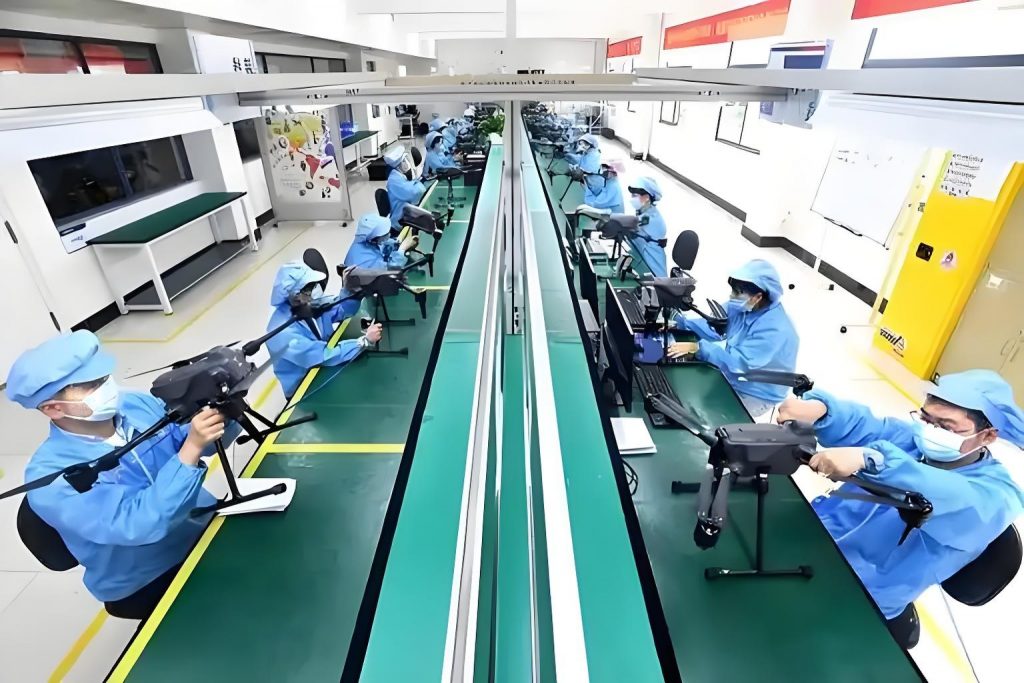
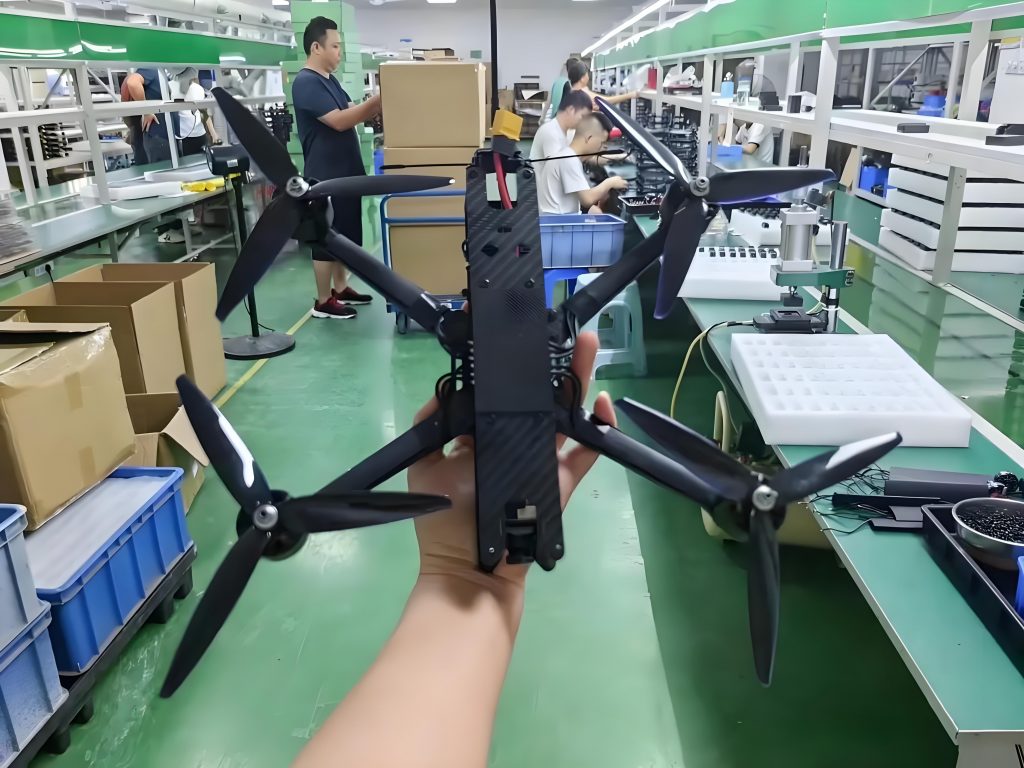
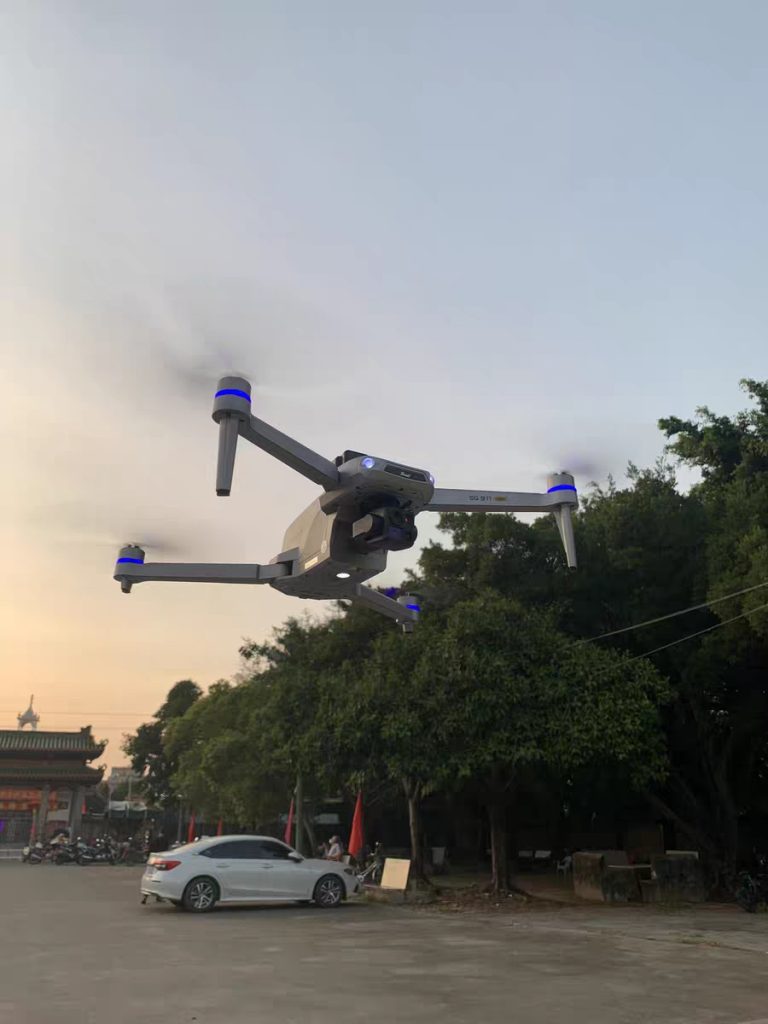
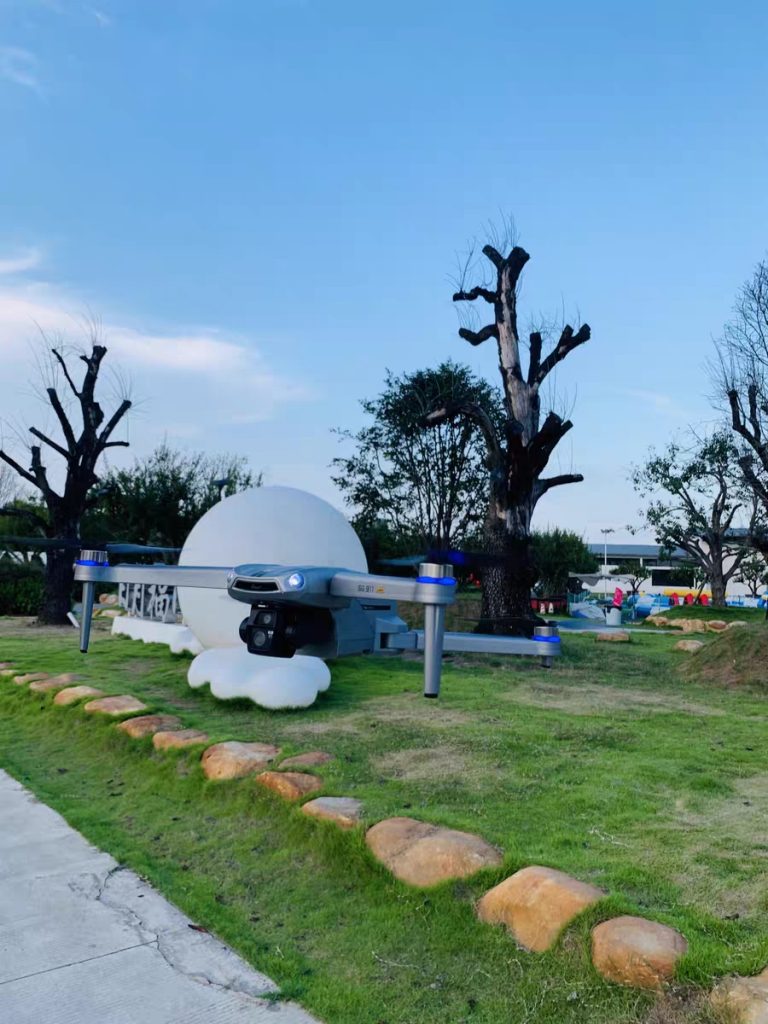
 Drones, also known as unmanned aerial vehicles (UAVs), have evolved from military tools into versatile devices transforming industries, commerce, and personal life. Once restricted to reconnaissance and combat missions, drones now serve in agriculture, logistics, aerial photography, surveying, emergency response, and even entertainment. This article provides a comprehensive exploration of drones, their development, technological principles, applications, challenges, and the future of this groundbreaking technology.
1. A Brief History of Drones
The history of drones dates back over a century. Early concepts emerged during World War I, when inventors experimented with radio-controlled aircraft for target practice. In the 1930s and 1940s, advances in aviation and electronics led to the creation of more sophisticated UAVs. However, it wasn’t until the late 20th century that drones began to gain prominence in military operations.
Military applications drove early innovations. Drones were used for intelligence, surveillance, and reconnaissance (ISR), reducing the need for manned missions in hostile territories. With the miniaturization of sensors, GPS technology, and advancements in battery power, drones gradually entered civilian markets. The early 2000s witnessed the emergence of consumer drones, primarily for aerial photography and hobbyist use.
Today, drones are indispensable tools across various sectors, from agriculture to disaster management, reflecting a remarkable transformation in both capability and accessibility.
2. How Drones Work: Basic Principles
At their core, drones are flying robots controlled either remotely by a human operator or autonomously through onboard computers. Understanding their operation requires an overview of their key components:
-
Frame and Structure
Most drones have lightweight frames, often made of carbon fiber or reinforced plastic, designed to maximize strength while minimizing weight. Multirotor designs, like quadcopters, hexacopters, or octocopters, are popular due to stability and maneuverability. -
Propulsion System
Drones use electric motors to spin propellers, generating lift. The number of propellers affects stability and payload capacity. Advanced drones may employ variable-pitch propellers to optimize flight efficiency. -
Power Source
Battery technology, primarily lithium-polymer (LiPo), is critical. Flight duration depends on battery capacity, drone weight, and payload. High-end industrial drones may incorporate hybrid systems or fuel cells to extend flight times. -
Control System
Drones are controlled via radio signals or Wi-Fi from a ground control station. Modern UAVs feature GPS navigation, autopilot software, and obstacle avoidance sensors to enable autonomous flight. -
Sensors and Cameras
Drones carry cameras, LiDAR, infrared sensors, or multispectral sensors depending on their mission. These sensors collect real-time data for mapping, inspection, agriculture, or security. -
Communication and Data Transmission
Long-range drones transmit video and telemetry data to operators via radio frequency, 4G/5G, or satellite links. Encryption ensures secure data transfer, crucial for commercial and governmental applications.
3. Commercial Applications of Drones
Drones have moved beyond recreational use into a wide array of commercial applications:
3.1 Agriculture
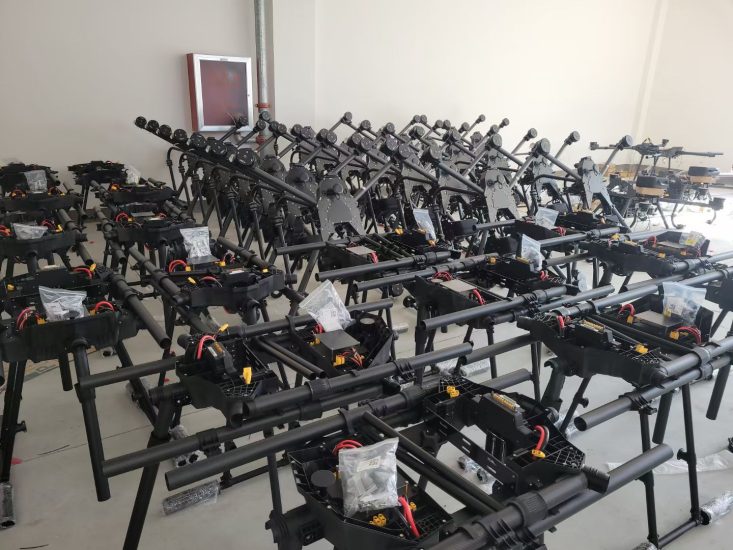
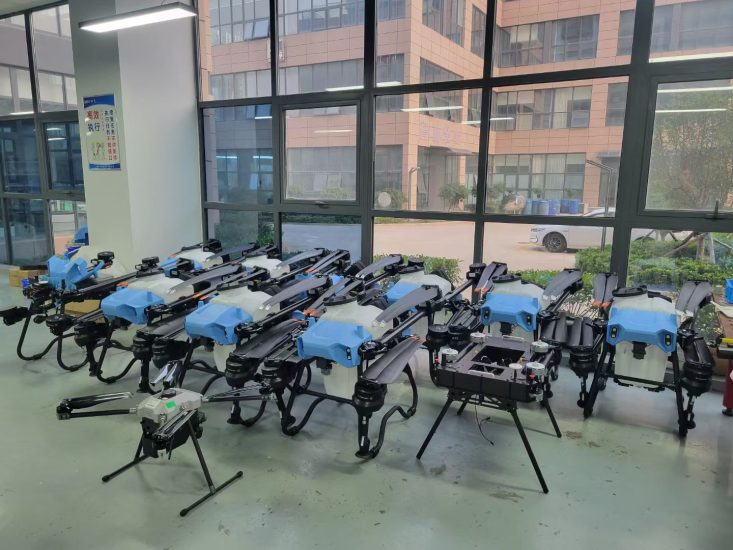
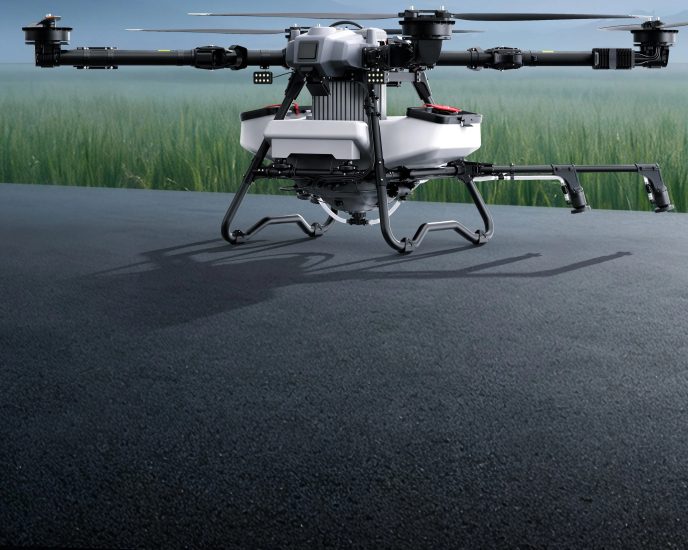
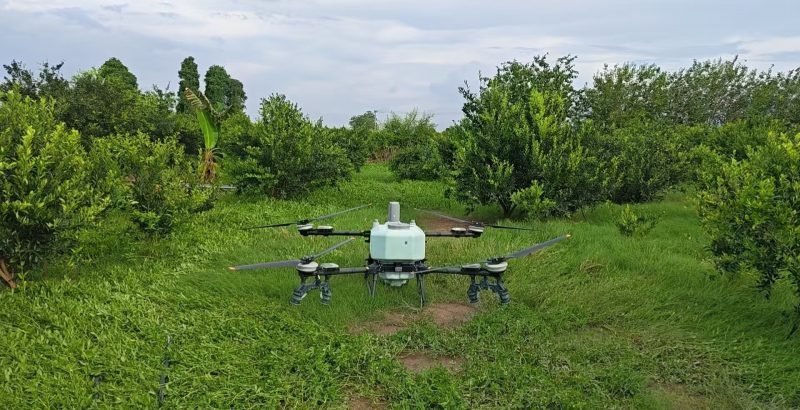
Agricultural drones are transforming modern farming. Equipped with multispectral cameras, drones monitor crop health, assess soil conditions, and identify pest infestations. Spraying drones apply fertilizers and pesticides efficiently, reducing labor costs and environmental impact. By providing real-time data, drones help farmers make informed decisions, increase yields, and optimize resource use.
Example: A rice farm in Asia may use drones for automated pesticide spraying, covering acres in a fraction of the time traditional methods require.
3.2 Logistics and Delivery
E-commerce giants are experimenting with drone delivery for lightweight parcels. UAVs can bypass traffic congestion, delivering goods to remote or urban locations faster than conventional methods. Medical logistics also benefit, with drones transporting vaccines, blood, and emergency medical supplies to hard-to-reach areas.
Example: In Africa, drones have been used to deliver blood samples to hospitals in under 30 minutes, saving critical time in emergencies.
3.3 Infrastructure Inspection
Drones equipped with high-resolution cameras and LiDAR sensors inspect bridges, pipelines, and power lines. They reduce the need for dangerous manual inspections, allowing engineers to detect structural issues, corrosion, or faults safely and efficiently.
3.4 Media and Entertainment
Aerial cinematography has been revolutionized by drones. Filmmakers, news agencies, and event organizers use drones to capture dynamic shots previously achievable only with helicopters. Drones also enable live streaming, immersive experiences, and virtual reality content creation.
3.5 Emergency Response and Disaster Management
Drones provide rapid situational awareness during natural disasters. Equipped with thermal cameras, UAVs locate victims in floods, earthquakes, or wildfires. They assist in damage assessment, search and rescue, and delivery of emergency supplies.
3.6 Environmental Monitoring
Environmental scientists use drones to monitor wildlife, track deforestation, and study climate change impacts. Multispectral imaging helps assess water quality, crop health, and biodiversity, enabling informed conservation strategies.
4. Military Applications of Drones
While civilian uses dominate headlines, military applications continue to advance drone technology. Modern combat UAVs carry out reconnaissance, target acquisition, and precision strikes with minimal risk to personnel. Swarming drones, autonomous formations, and AI-assisted targeting are reshaping modern warfare.
However, these applications raise ethical questions about autonomous weapons, civilian safety, and international regulation.
5. Challenges and Limitations
Despite their versatility, drones face several challenges:
- Battery Life: Most commercial drones have limited flight times (20–60 minutes). Extended missions require either battery swaps or hybrid power solutions.
- Regulatory Constraints: Governments impose restrictions on flight altitude, no-fly zones, and pilot licensing, which can limit operations.
- Weather Dependency: Wind, rain, and extreme temperatures can affect flight stability and sensor accuracy.
- Data Security: UAVs can be vulnerable to hacking, signal jamming, and privacy breaches.
- Payload Limitations: Small drones cannot carry heavy cargo, limiting their delivery and industrial applications.
6. Drone Technology Trends
The drone industry is evolving rapidly. Emerging trends include:
-
Artificial Intelligence Integration
AI enables autonomous navigation, obstacle avoidance, and real-time decision-making. AI-powered drones can map terrains, inspect infrastructure, or track wildlife with minimal human intervention. -
Swarm Technology
Swarm drones operate collaboratively, similar to a flock of birds. Applications include surveillance, search-and-rescue, and agricultural seeding, allowing large areas to be covered efficiently. -
Long-Range and Endurance Improvements
Hybrid drones, solar-powered UAVs, and improved battery chemistry are extending flight times, enabling long-distance delivery and high-altitude monitoring. -
5G and IoT Connectivity
High-speed, low-latency networks allow real-time control and data transmission, enabling advanced commercial operations like urban logistics, remote inspections, and live event coverage. -
Hybrid and VTOL Designs
Vertical take-off and landing (VTOL) drones combine the vertical lift of a helicopter with the efficiency of fixed-wing aircraft, improving payload capacity and flight range.
7. Market Growth and Economic Impact
The global drone market is experiencing exponential growth. According to industry reports, the commercial drone market alone is projected to exceed USD 30 billion by 2030. Factors driving growth include:
- E-commerce demand for faster deliveries
- Agricultural modernization and precision farming
- Infrastructure monitoring for smart cities
- Disaster management and humanitarian missions
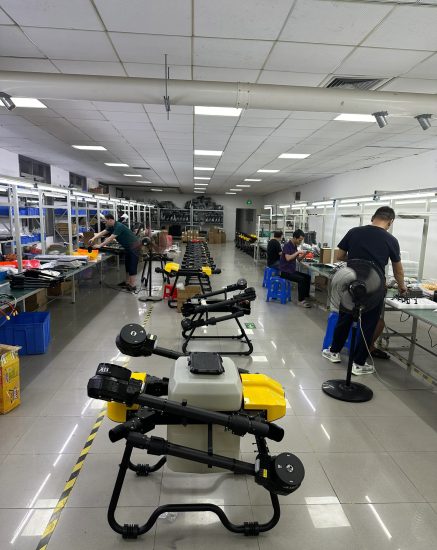
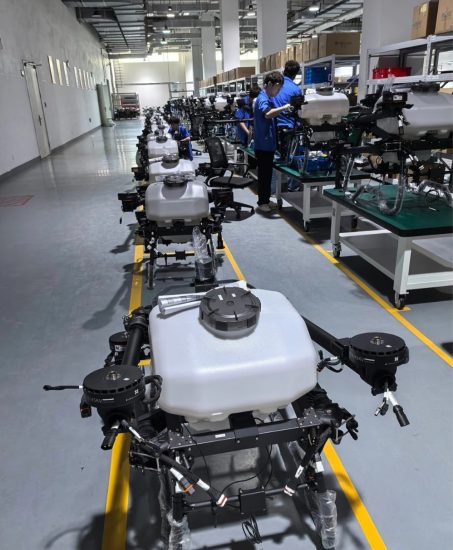
Leading drone manufacturers, including DJI, Parrot, Autel Robotics, and emerging Chinese OEMs, are expanding globally, offering both consumer and industrial UAVs. Startups are innovating in niche markets like drone taxis, autonomous delivery, and AI-powered surveying.
8. Legal and Ethical Considerations
The rapid adoption of drones raises legal and ethical concerns:
- Privacy: Aerial surveillance can infringe on personal privacy. Laws are evolving to protect citizens while enabling drone operations.
- Airspace Management: Integrating UAVs into crowded airspaces requires coordinated traffic management systems and clear regulations.
- Autonomous Decision-Making: AI-driven drones must balance operational efficiency with safety and ethical responsibility.
- Environmental Impact: While drones reduce vehicle emissions for deliveries, mass manufacturing and battery disposal pose sustainability challenges.
9. Future Prospects
The future of drones is promising and transformative:
- Urban Air Mobility (UAM): Drone taxis and passenger drones could alleviate urban congestion, offering rapid, eco-friendly transport.
- Advanced Delivery Networks: Automated drone fleets may operate 24/7, integrating with smart logistics systems to serve global markets.
- Precision Agriculture Expansion: AI and multispectral sensors will make farming more efficient, reducing waste and improving yields.
- Disaster Preparedness: Drones will become indispensable in preemptive monitoring, early warning systems, and rapid response efforts.
- Scientific Exploration: From volcano monitoring to polar expeditions, drones will continue to extend humanity’s reach in hostile environments.
10. Conclusion
Drones have transitioned from military curiosities to indispensable tools across industries. Their versatility in agriculture, logistics, infrastructure, media, emergency response, and environmental monitoring underscores their revolutionary potential. As technology advances, integrating AI, swarm intelligence, and IoT connectivity, drones will become smarter, more autonomous, and even more pervasive.
While challenges such as regulation, battery limitations, and ethical concerns remain, the opportunities are vast. Businesses, governments, and innovators must balance innovation with responsibility, ensuring drones contribute positively to society. The sky is no longer the limit—drones are redefining what is possible in technology, commerce, and everyday life.


No comments yet