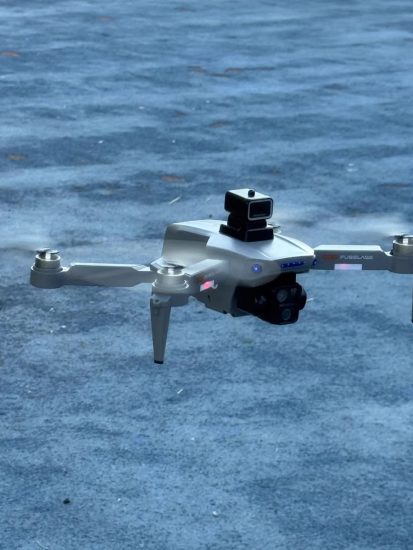




In the heart of China’s industrial landscape, a quiet revolution is taking flight. Amidst sprawling factory complexes and precision assembly lines, a new generation of aerial drone manufacturers is redefining how we see the world—and how the world sees itself. These factories, often operating under the radar of global headlines, are not just producing machines; they are engineering the future of imaging, agriculture, logistics, and even disaster response. With a blend of cutting-edge technology, relentless innovation, and a deep understanding of user needs, Chinese drone factories have emerged as global leaders in the unmanned aerial vehicle (UAV) industry, transforming skies into canvases for creativity and efficiency.
From Humble Beginnings to Global Dominance
China’s journey into the drone manufacturing arena began modestly. In the early 2000s, drones were largely niche tools used by hobbyists or specialized sectors like military reconnaissance. But as consumer demand for high-quality aerial photography grew—fueled by the rise of social media and the desire for unique perspectives—Chinese entrepreneurs saw an opportunity. Unlike their Western counterparts, who focused on niche markets, these pioneers aimed to democratize drone technology: making it affordable, accessible, and versatile enough for everyone from filmmakers to farmers.
Early factories were small workshops, staffed by engineers passionate about robotics and aviation. They experimented with lightweight materials, compact designs, and intuitive controls. The breakthrough came when they realized that drones didn’t need to be complex to be revolutionary. By simplifying the user interface and optimizing battery life, they created devices that could be operated by beginners yet deliver professional-grade results. This “user-first” philosophy became the cornerstone of China’s drone industry, distinguishing its products from competitors worldwide.
Inside the Factory: Precision Meets Innovation
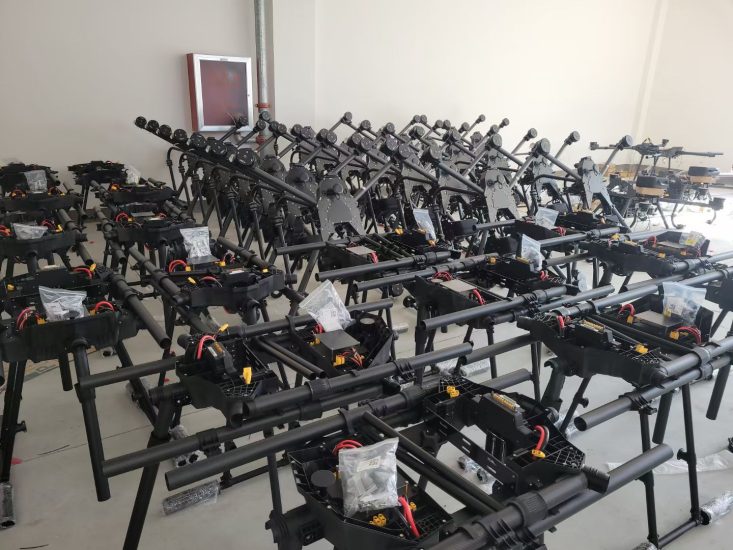
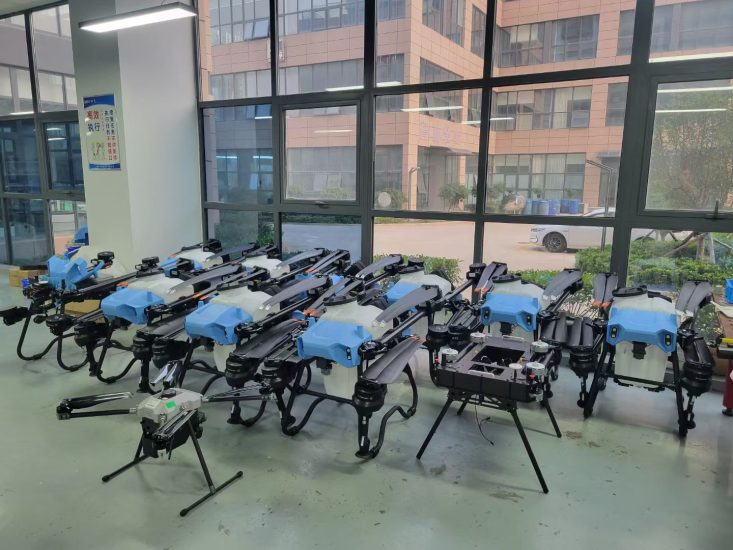
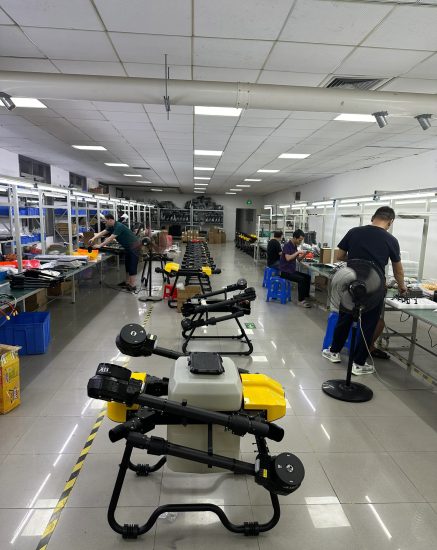
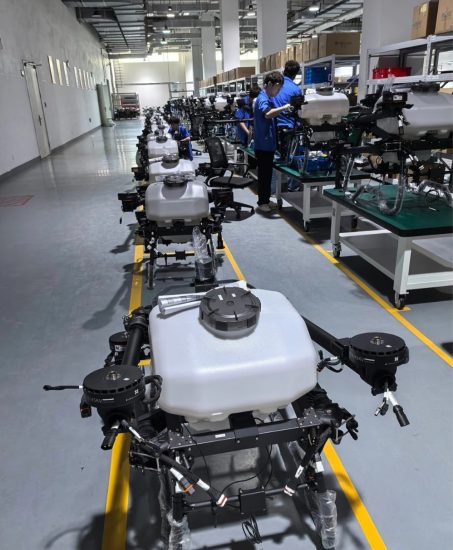
Stepping into one of these modern drone factories feels like entering a fusion of science fiction and meticulous craftsmanship. Spanning acres of clean, organized space, the facilities are divided into specialized zones: research labs, component testing rooms, assembly lines, and quality control hubs. Every stage of production is governed by strict standards, ensuring that each drone meets rigorous safety and performance benchmarks.
Design and Prototyping: Where Ideas Take Flight
Before any drone rolls off the line, it begins as a concept in the design studio. Here, engineers collaborate with industrial designers to balance aesthetics with functionality. Aerodynamics play a critical role—every curve and angle is optimized to reduce wind resistance while maximizing stability. For example, foldable arms, now a staple feature, were born from this phase: designers sought ways to make drones portable without compromising structural integrity.
Prototyping involves rapid iteration. Engineers build multiple versions of a design, testing them in simulated environments—wind tunnels, vibration chambers, and extreme temperature labs—to identify flaws. Feedback loops between designers and test pilots ensure that prototypes evolve quickly, incorporating improvements like enhanced obstacle avoidance sensors or quieter propellers.
Component Manufacturing: The Building Blocks of Excellence
Drones are marvels of miniaturization, requiring components that are both powerful and lightweight. Chinese factories excel at sourcing and producing these parts locally. Advanced CNC machines carve intricate frames from carbon fiber composites, which offer strength comparable to aluminum but weigh significantly less. Motors are calibrated for precision, delivering consistent thrust across varying altitudes and payloads. Cameras, often developed in-house, boast high-resolution sensors and gimbals that stabilize footage even during aggressive maneuvers.
A key innovation lies in modular design. Many drones are built with interchangeable parts—batteries, cameras, or payload modules—allowing users to customize their devices for specific tasks. This flexibility reduces waste and extends product lifespans, aligning with growing demands for sustainability in tech manufacturing.
Assembly and Testing: Ensuring Reliability
On the assembly line, robots and skilled technicians work in harmony. Automated arms handle repetitive tasks like soldering circuit boards or attaching motors, while humans oversee delicate operations such as calibrating sensors or installing camera lenses. Quality checks are embedded at every step: after assembly, each drone undergoes a series of tests, including flight simulations, stress tests, and software diagnostics.
One critical test is the “drop test,” where drones are dropped from various heights to assess durability. Another evaluates battery performance under load, ensuring that the device can complete its mission even in cold or hot conditions. Only after passing all these checks does a drone earn the right to be packaged and shipped.
Technology at the Core: Pushing Boundaries
What sets Chinese drone factories apart is their commitment to pushing technological boundaries. While many focus on incremental improvements, these manufacturers invest heavily in R&D, exploring areas like artificial intelligence (AI), 5G connectivity, and advanced materials.
AI and Autonomous Flight
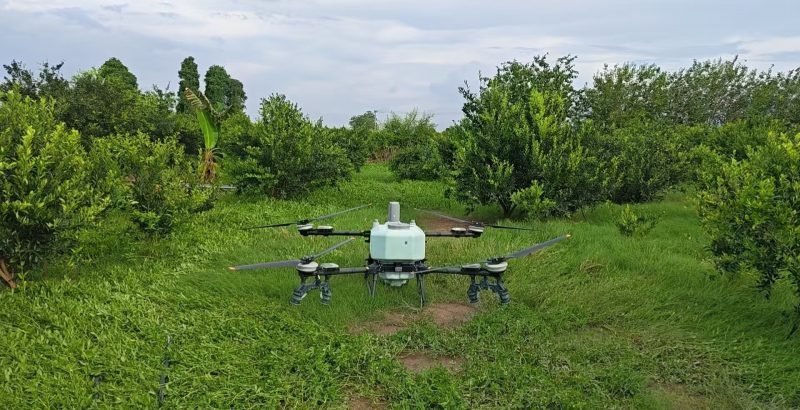
Modern drones are more than flying cameras; they are intelligent systems capable of making decisions in real time. Chinese factories integrate AI algorithms that enable features like object detection, follow-me mode, and automated return-to-home functions. For instance, a farmer using a drone to monitor crops can set it to automatically avoid trees or power lines, while a filmmaker can use subject-tracking to keep a moving target in frame.
These capabilities rely on sophisticated software development. Engineers train machine learning models using vast datasets of images and flight patterns, allowing drones to recognize obstacles, predict weather changes, and adapt to dynamic environments. The result is a tool that feels less like a machine and more like a reliable partner.
5G and Real-Time Data Transmission
The rollout of 5G networks has opened new possibilities for drone applications. Chinese manufacturers are leveraging this technology to enable real-time, high-definition video streaming and data transfer. A rescue team, for example, can use a drone to survey a disaster zone and send live footage to command centers, helping coordinators make faster decisions. Similarly, construction companies can use drones to map sites in real time, updating blueprints as work progresses.
To support these features, factories develop custom communication modules that ensure stable connections even in remote areas. This focus on connectivity has made Chinese drones indispensable in industries where speed and accuracy are paramount.
Sustainability: Green Skies, Cleaner Earth
As environmental concerns grow, Chinese drone factories are leading the charge toward greener manufacturing. Many have adopted renewable energy sources, such as solar panels, to power their facilities. Waste reduction is another priority: scrap materials from production are recycled, and water-based paints replace toxic solvents.
In product design, there’s a shift toward energy efficiency. Drones are being engineered to consume less power, extending flight times and reducing the need for frequent battery replacements. Some models even use biodegradable components, minimizing their environmental footprint once decommissioned.
Beyond Production: A Holistic Ecosystem
The success of Chinese drone factories is not just about building great products; it’s about creating an ecosystem that supports users at every stage. From online tutorials to local service centers, these manufacturers prioritize customer experience, ensuring that even first-time users can master their devices.
Software and App Development
A drone is only as good as the software that runs it. Chinese factories invest heavily in developing user-friendly apps that allow operators to control their devices, edit footage, and access cloud storage. These apps often include community features, where users can share tips, showcase their work, and connect with other enthusiasts.
For professionals, the software offers advanced tools like 3D mapping, thermal imaging, and data analytics. A surveyor, for example, can use a drone to create detailed topographical maps, while a wildlife researcher can track animal movements over large areas.
Training and Support
Recognizing that not everyone is a tech expert, many factories provide comprehensive training programs. Online courses cover everything from basic flight skills to advanced cinematography techniques. In some regions, they partner with local schools and organizations to offer hands-on workshops, fostering a new generation of drone pilots.
After-sales support is equally robust. Service centers are equipped to repair drones, update software, and replace parts. Some manufacturers even offer insurance plans, giving users peace of mind in case of accidents.
Challenges and the Road Ahead
Despite their success, Chinese drone factories face challenges. Regulatory hurdles vary by country, with some imposing strict rules on UAV usage. To address this, manufacturers work closely with governments to develop safety standards and promote responsible flying.
Competition is another factor. As the market grows, more players are entering the fray, driving down prices and increasing pressure to innovate. To stay ahead, Chinese factories must continue investing in R&D, exploring emerging technologies like hydrogen fuel cells for longer flight times or swarming capabilities for large-scale operations.
There’s also the issue of public perception. Drones are sometimes associated with privacy concerns or security risks. To counter this, manufacturers emphasize transparency, implementing features like geofencing (which restricts drones from flying in sensitive areas) and anonymization tools for data collection.
Conclusion: Soaring to New Heights
The story of China’s aerial drone factories is one of vision, perseverance, and innovation. What started as a niche industry has grown into a global powerhouse, changing how we capture the world, manage resources, and respond to crises. These factories are not just manufacturing devices; they are empowering people to see beyond the horizon, to explore the unknown, and to turn imagination into reality.
As technology continues to advance, the role of these factories will only become more significant. Whether it’s monitoring climate change, delivering medical supplies to remote areas, or inspiring artists with breathtaking views, Chinese-made drones are proving that the sky is not the limit—it’s just the beginning. In the end, the true measure of their success lies not in the number of units sold, but in the impact they have on lives and the world we live in. And as the sun rises on a new day, the hum of drones taking flight serves as a reminder: the future is here, and it’s soaring above us.
THE END


No comments yet