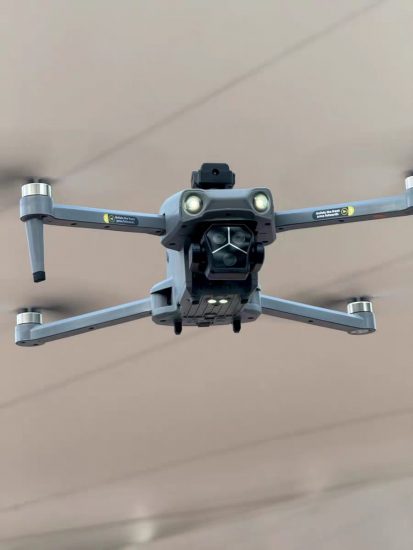




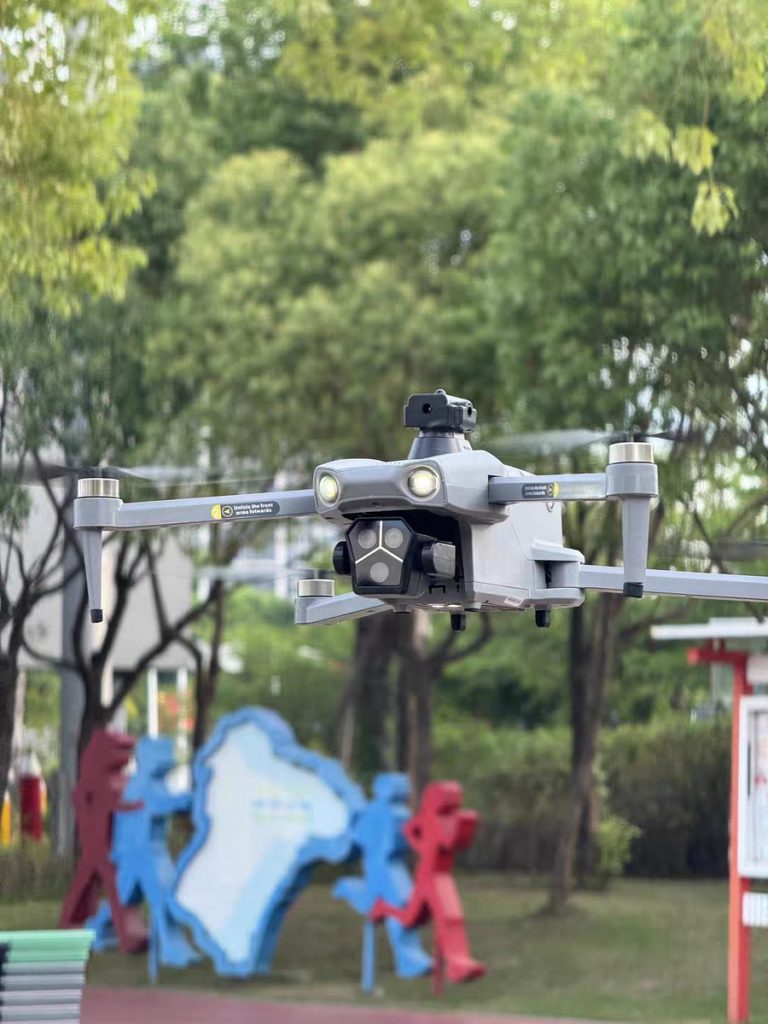
 Unmanned aerial vehicles, commonly known as drones, have transformed from niche military tools into versatile platforms that are reshaping industries across the globe. Today, drones are used in agriculture, logistics, photography, construction, energy inspection, disaster response, environmental monitoring, and many other fields. Their rapid development is driven by advances in materials science, battery technology, sensors, artificial intelligence, and communication systems. This article explores the evolution of drone technology, core components, major application scenarios, regulatory challenges, and future trends shaping the global drone industry.
1. The Origins and Evolution of Drone Technology
The concept of unmanned flight dates back more than a century. Early experiments focused on remotely controlled aircraft for military training and target practice. During the mid-20th century, drones were primarily developed for reconnaissance and surveillance missions, allowing militaries to gather intelligence without risking pilot lives.
The true turning point came in the early 21st century with the convergence of several key technologies:
- Lightweight composite materials
- High-energy-density lithium batteries
- Miniaturized sensors and cameras
- GPS navigation and satellite positioning
- Advanced flight control algorithms
These innovations drastically reduced costs and complexity, making drones accessible to commercial users and consumers. What was once restricted to defense budgets became available to startups, farmers, filmmakers, and industrial service providers.
2. Core Components of a Modern Drone
A modern drone is an integrated system composed of hardware, software, and communication modules. Understanding these components helps explain how drones achieve stability, autonomy, and reliability.
Airframe and Structure
The airframe determines a drone’s durability, payload capacity, and aerodynamic efficiency. Common materials include carbon fiber, aluminum alloys, and high-strength plastics. Multirotor drones emphasize stability and maneuverability, while fixed-wing and hybrid VTOL designs focus on range and endurance.
Propulsion System
Brushless motors and precision propellers generate lift and thrust. Efficient propulsion systems reduce power consumption and improve flight time. Electronic speed controllers regulate motor output based on real-time flight data.
Power System
Lithium-polymer and lithium-ion batteries dominate the drone market due to their high energy density and discharge rates. Battery management systems monitor voltage, temperature, and current to ensure safety and performance.
Flight Control and Navigation
The flight controller acts as the drone’s brain. It processes data from gyroscopes, accelerometers, magnetometers, barometers, and GPS modules to maintain stable flight. Advanced controllers enable autonomous missions, waypoint navigation, and return-to-home functions.
Sensors and Payloads
Cameras, multispectral sensors, thermal imagers, LiDAR, and radar expand drone capabilities beyond visual observation. Payload design is critical for professional applications such as mapping, inspection, and precision agriculture.
Communication Systems
Drones rely on radio links, Wi-Fi, LTE, or satellite communication to transmit control signals and data. Reliable communication ensures safe operation, especially for long-range or beyond-visual-line-of-sight missions.
3. Key Types of Drones
Drones can be categorized based on design and function:
Multirotor Drones
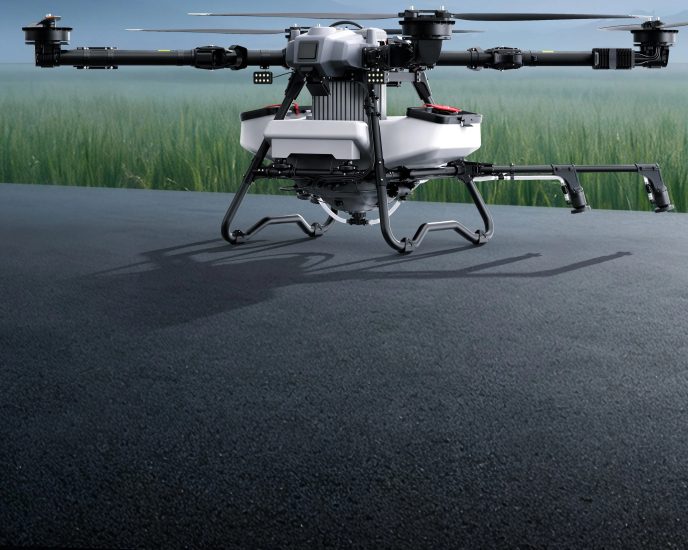
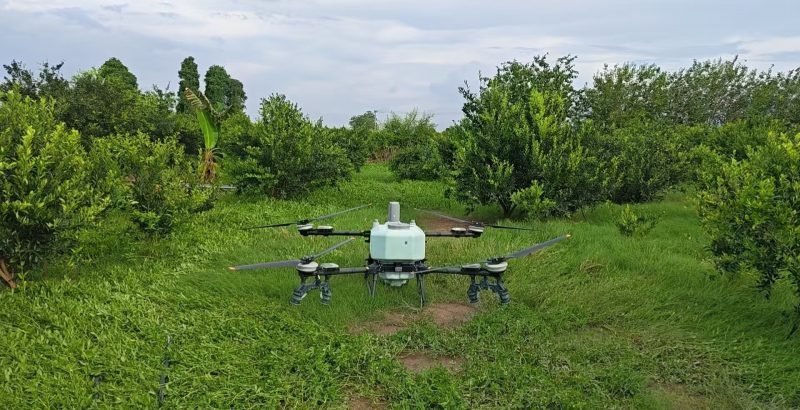
These include quadcopters, hexacopters, and octocopters. They are easy to operate, capable of hovering, and ideal for photography, inspection, and spraying applications.
Fixed-Wing Drones
Fixed-wing drones resemble traditional aircraft. They offer longer flight times and greater coverage, making them suitable for mapping, surveying, and long-distance monitoring.
Hybrid VTOL Drones
Combining vertical takeoff with fixed-wing efficiency, hybrid drones address limitations of both designs. They are increasingly used in logistics, agriculture, and emergency response.
4. Industrial and Commercial Applications
Agriculture and Precision Farming
Agricultural drones enable crop monitoring, pesticide spraying, seed distribution, and soil analysis. Multispectral imaging helps farmers detect stress, pests, and nutrient deficiencies early, reducing costs and improving yields.
Logistics and Delivery
Drone delivery systems are being tested for medical supplies, e-commerce parcels, and remote-area logistics. Drones reduce delivery time and access hard-to-reach locations, especially during emergencies.
Infrastructure Inspection
Energy companies use drones to inspect power lines, wind turbines, pipelines, and solar farms. Compared to manual inspection, drones improve safety, reduce downtime, and lower operational costs.
Construction and Surveying
Drones generate high-resolution maps and 3D models of construction sites. They support progress tracking, volume calculation, and site planning with remarkable accuracy.
Media and Entertainment
Aerial photography and cinematography have been revolutionized by drones. They provide dynamic perspectives previously achievable only with helicopters, at a fraction of the cost.
Public Safety and Disaster Response
During natural disasters, drones assist in search and rescue, damage assessment, and real-time situational awareness. Thermal cameras help locate survivors in low-visibility conditions.
5. Software, AI, and Autonomy
The true power of modern drones lies in software. Artificial intelligence and machine learning are transforming drones from remotely piloted tools into intelligent autonomous systems.
Computer Vision
AI-driven vision allows drones to recognize objects, avoid obstacles, and track targets. This is essential for autonomous navigation in complex environments.
Data Processing and Analytics
Drones generate massive amounts of data. Cloud platforms and edge computing process imagery into actionable insights, such as crop health reports or infrastructure defect detection.
Swarm Technology
Drone swarms coordinate multiple units to perform tasks collaboratively. Applications include large-area mapping, disaster response, and even artistic performances.
6. Regulations and Safety Considerations
As drone usage expands, governments worldwide are developing regulatory frameworks to ensure safety and privacy. Key regulatory aspects include:
- Pilot certification and training
- Aircraft registration and identification
- Airspace restrictions and geofencing
- Operational limits such as altitude and visual line-of-sight
Compliance with regulations is critical for commercial drone operators. Manufacturers increasingly integrate safety features such as fail-safe landing, collision avoidance, and remote identification to meet regulatory requirements.
7. Challenges Facing the Drone Industry
Despite rapid growth, the drone industry faces several challenges:
Battery Limitations
Flight time remains constrained by battery technology. Although incremental improvements continue, energy density is a bottleneck for long-range missions.
Airspace Integration
Integrating drones into existing airspace with manned aircraft requires advanced traffic management systems and reliable communication infrastructure.
Cybersecurity
Drones are connected devices and vulnerable to hacking or signal interference. Secure communication protocols and encryption are essential.
Public Perception and Privacy
Concerns about noise, safety, and data privacy can slow adoption. Transparent policies and responsible operation help build public trust.
8. The Role of Manufacturing and OEM/ODM Services
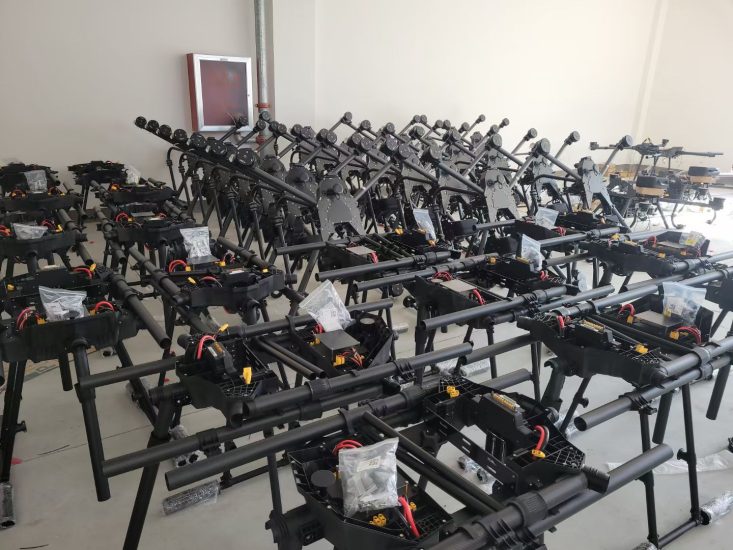
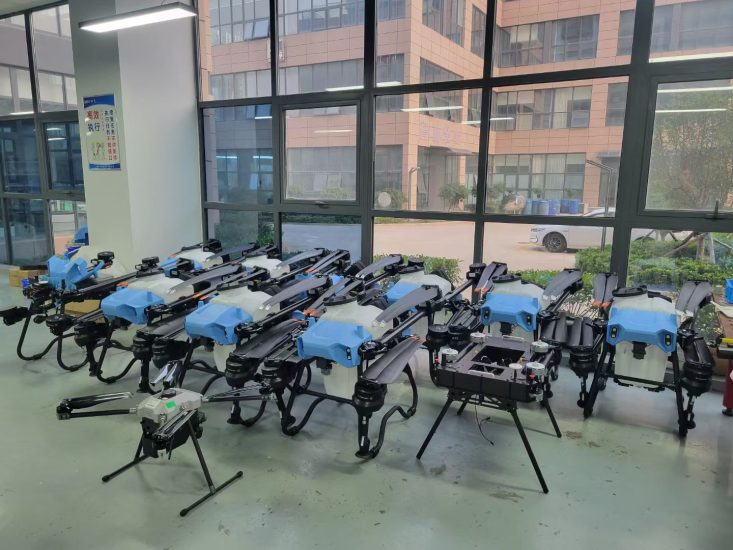
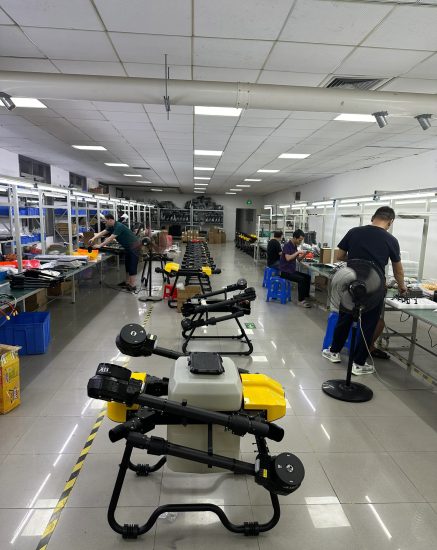
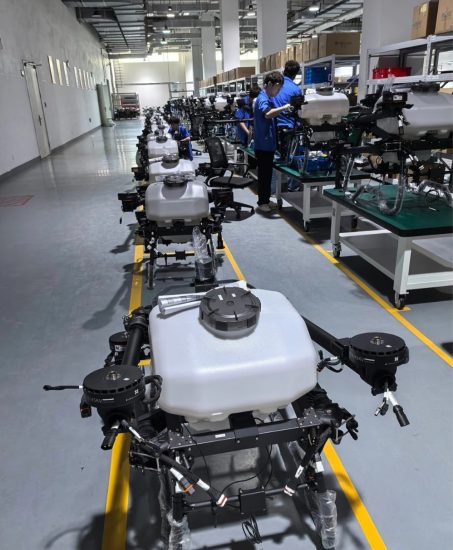
Drone manufacturing has evolved into a global industry with specialized supply chains. Original equipment manufacturers and original design manufacturers play a vital role in meeting diverse market needs.
OEM and ODM services allow brands to customize drones for specific applications, from agricultural spraying to industrial inspection. Customization may include airframe design, payload integration, software development, and branding. This flexibility accelerates innovation and enables faster market entry.
9. Future Trends in Drone Technology
Longer Endurance and New Power Sources
Hydrogen fuel cells, solar-assisted flight, and hybrid power systems promise significant increases in flight duration.
Full Autonomy
Future drones will require minimal human intervention, executing complex missions with AI-driven decision-making.
Urban Air Mobility
Passenger drones and air taxis are under development, potentially transforming urban transportation.
Deeper Industry Integration
Drones will become standard tools integrated with enterprise systems, IoT platforms, and digital twins.
Global Standardization
International standards for drone operations and certification will facilitate cross-border use and global market growth.
10. Conclusion
Drones have evolved from experimental machines into essential tools across multiple industries. Their ability to collect data, access challenging environments, and perform tasks efficiently makes them invaluable in a rapidly digitizing world. As technology continues to advance, drones will become smarter, safer, and more autonomous, unlocking new possibilities for businesses and societies alike.
From agriculture and logistics to infrastructure and emergency response, drones are no longer a futuristic concept—they are a present-day reality shaping the future of work, transportation, and data-driven decision-making. Companies that invest in drone technology, manufacturing capabilities, and regulatory compliance today will be well-positioned to lead in the next era of unmanned aviation.


No comments yet