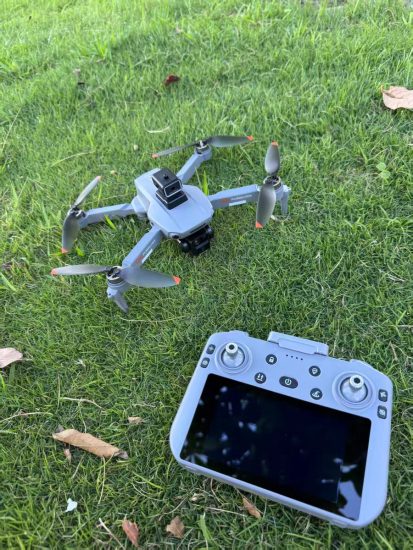




In an era where visual content dominates digital landscapes, aerial photography has emerged as a transformative medium—capturing perspectives once reserved for birds or satellites. From sweeping landscapes to intricate architectural details, drones have democratized access to the skies. Yet, as demand grows for unique, high-quality footage, off-the-shelf drones often fall short of specialized needs. This is where customized aerial photography drones step in: tailored machines designed not just to fly, but to tell stories with precision, creativity, and reliability.
Why Customization Matters in Aerial Photography
Standard drones excel at general-purpose tasks like hobbyist videography or basic surveying. However, professional photographers, filmmakers, environmental researchers, and industrial inspectors face challenges that generic models cannot address. Consider a filmmaker needing ultra-smooth tracking shots around moving subjects, or a wildlife biologist requiring silent flight to avoid disturbing endangered species. Off-the-shelf drones may offer adjustable settings, but they rarely accommodate niche requirements like payload capacity for specialized cameras, extended flight times for remote expeditions, or stealth capabilities for sensitive environments.
Customization bridges this gap by aligning technology with purpose. It transforms a drone from a tool into an extension of the creator’s vision—whether that vision involves capturing the aurora borealis under extreme cold, mapping a dense rainforest canopy without harming foliage, or filming a luxury real estate property with cinematic elegance. By prioritizing client-specific demands, custom drones unlock possibilities that generic alternatives leave unexplored.
Core Components of Custom Drone Design
Building a drone tailored for aerial photography involves meticulous attention to five key components: airframe, flight system, camera integration, power management, and software. Each element must work in harmony to deliver exceptional performance while adapting to unique operational contexts.
1. Airframe: The Foundation of Stability and Adaptability
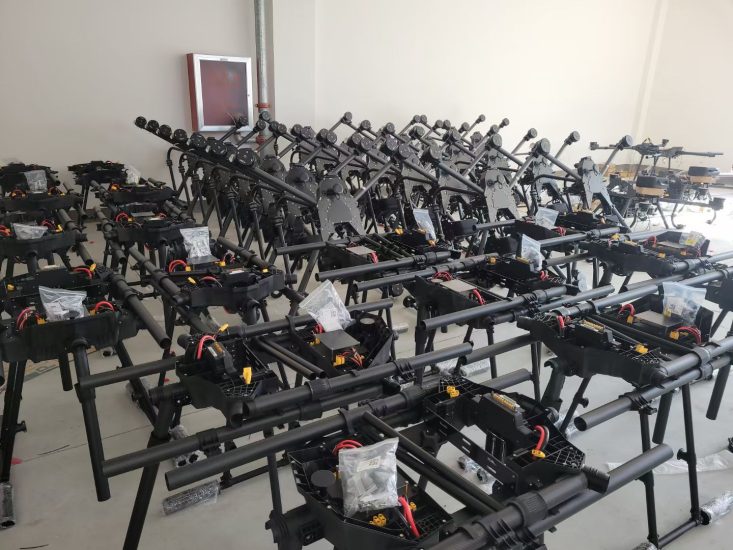
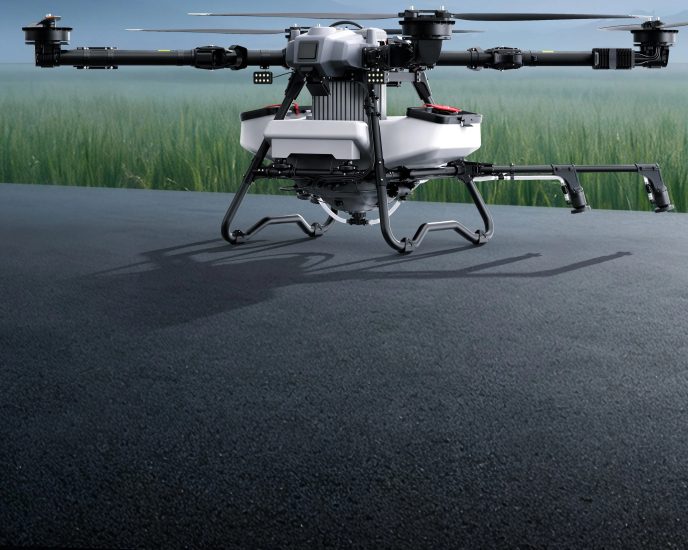
The airframe dictates a drone’s agility, durability, and compatibility with accessories. For aerial photography, stability is paramount—even minor vibrations can blur images or disrupt smooth video pans. Custom airframes often feature lightweight yet rigid materials like carbon fiber or reinforced composites to minimize weight without sacrificing strength. Modular designs are also popular: interchangeable arms allow adjustments for different camera setups, while foldable structures simplify transport for on-location shoots.
For example, a client focused on mountaineering documentaries might require a compact, wind-resistant airframe with skid landing gear to handle rocky terrain. In contrast, a user targeting urban architecture could opt for a sleek, low-profile design to navigate tight spaces between buildings.
2. Flight System: Precision in Every Movement
A drone’s ability to execute precise maneuvers—from slow, cinematic orbits to rapid ascents—depends on its flight control system. Customization here often involves selecting or developing flight controllers (FCs) with advanced algorithms. These FCs integrate data from GPS, accelerometers, gyroscopes, and barometers to maintain stable flight even in challenging conditions like high winds or low light.
For applications requiring absolute stillness, such as time-lapse photography, gimbal stabilization is paired with “position hold” modes that lock the drone in place using visual or laser sensors. Some custom systems even incorporate obstacle avoidance technology, using LiDAR or stereo cameras to navigate complex environments like forests or construction sites.
3. Camera Integration: Capturing the Unseen
The heart of any aerial photography drone is its imaging system. Unlike standard drones that limit users to built-in cameras, custom models allow integration of professional-grade equipment. This could mean mounting a full-frame mirrorless camera for 4K/8K video, a thermal sensor for night or low-visibility work, or a multispectral lens for agricultural analysis.
Key considerations include vibration damping (to prevent image blur), power supply (ensuring the camera operates without draining the drone’s battery), and real-time data transmission (for live monitoring). For instance, a client shooting wildlife might pair a high-resolution camera with a long-range transmitter to stream footage to a ground station miles away, minimizing disturbance to animals.
4. Power Management: Extending the Creative Window
Flight time is a critical constraint for all drones, but it becomes a make-or-break factor for professional use. Standard consumer drones typically offer 20–30 minutes of flight; custom builds can double or triple this through optimized power systems. This might involve using high-capacity lithium-polymer batteries, efficient brushless motors, or solar panels for long-duration missions.
For example, a team conducting a week-long survey of a large wetland would benefit from a drone with swappable batteries and a fast charging system, allowing continuous operation without returning to base. Similarly, a client needing to film a sunrise-to-sunset timelapse could opt for a solar-assisted power source to extend flight time beyond what batteries alone permit.
5. Software: The Brain Behind the Lens
Software ties all components together, enabling features like automated flight paths, object tracking, and post-processing tools. Custom software solutions can be developed to meet specific needs: a real estate agent might use a program that automatically generates 3D models of properties, while a conservationist could employ software that overlays thermal data with visible-light imagery to identify heat signatures of poachers.
User interface (UI) design is equally important. Intuitive controls ensure that even non-technical operators can focus on composition rather than troubleshooting. For instance, a filmmaker might request a simplified UI with one-touch “cinematic mode” presets, while a researcher could need advanced data logging for scientific analysis.
Applications: Where Custom Drones Shine
The versatility of customized aerial photography drones makes them invaluable across industries. Here are a few examples of how tailoring technology to purpose delivers unmatched results:
-
Cinematography & Filmmaking: Directors seeking unique angles for blockbuster films or indie projects can use drones with silent motors and stabilized gimbals to capture close-ups of actors in action, or wide shots of natural landscapes that were previously impossible. A custom drone with a payload capacity for a RED Komodo camera, for example, could film a high-speed chase scene with minimal noise interference.
-
Environmental Research: Scientists studying climate change, deforestation, or animal behavior rely on drones that can carry specialized sensors (e.g., gas analyzers, thermal imagers) and fly for hours. A custom model with a weatherproof airframe and de-icing systems, for instance, could monitor polar ice caps in subzero temperatures.
-
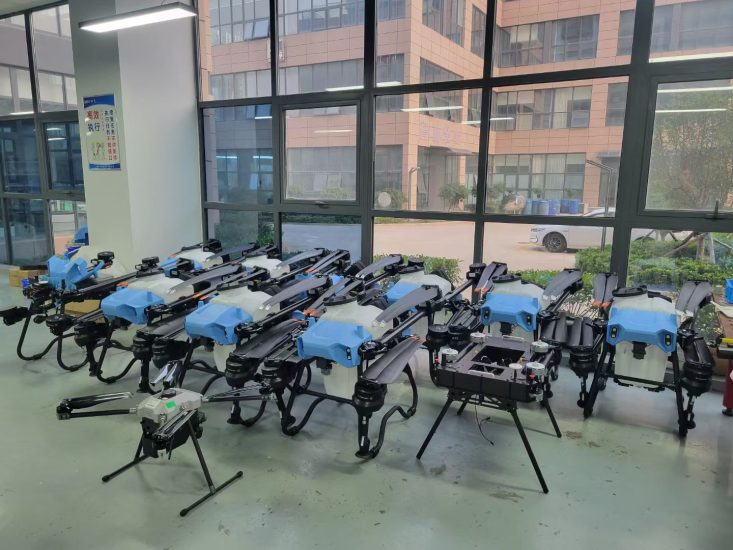
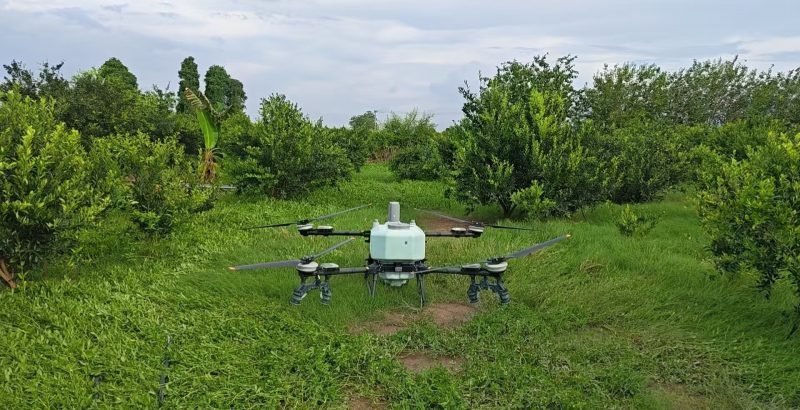
Agriculture & Land Management: Farmers use drones to assess crop health, map irrigation systems, and detect pest infestations. A custom drone with multispectral sensors and automated flight paths can cover large fields efficiently, providing data that helps optimize yields.
-
Infrastructure Inspection: Engineers inspecting bridges, power lines, or oil rigs need drones that can access hard-to-reach areas and capture detailed images. A custom build with a zoom camera and magnetic attachment for close-up shots of metal structures could identify cracks or corrosion invisible to the naked eye.
The Customization Process: From Vision to Sky
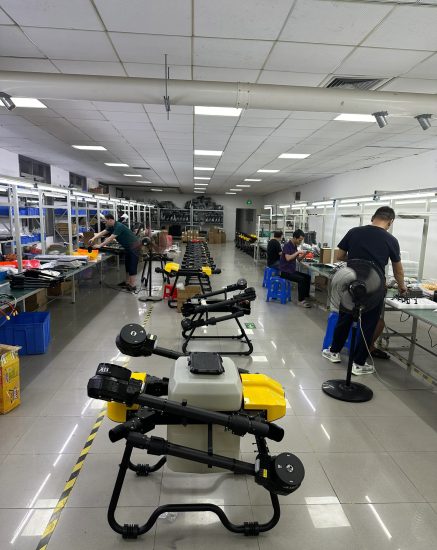
Designing a custom aerial photography drone is a collaborative journey. It begins with understanding the client’s goals, whether that’s achieving a specific aesthetic, meeting technical requirements, or operating in a unique environment. This is followed by prototyping, testing, and iteration:
-
Needs Assessment: The process starts with a deep dive into the client’s use case. Questions like “What type of footage do you need?” “Where will the drone operate?” and “What are your budget and timeline?” help define priorities.
-
Conceptual Design: Based on the assessment, engineers draft a design, selecting components and outlining the airframe structure. 3D modeling software allows clients to visualize the final product before production begins.
-
Prototyping & Testing: A prototype is built and tested in real-world conditions. This phase identifies potential issues—like wind resistance, camera stability, or battery life—and refines the design accordingly.
-
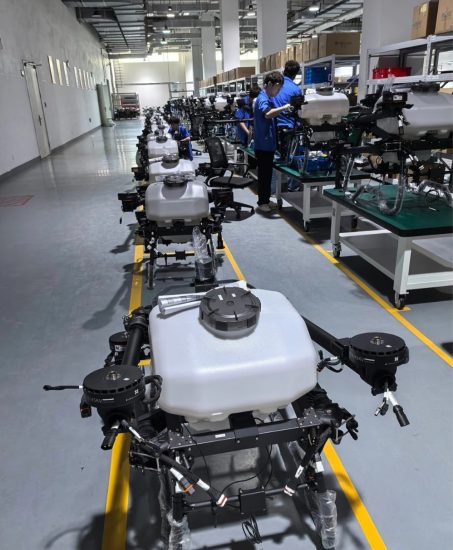
Final Build & Training: Once the design is validated, the drone is assembled with high-quality components. Clients receive training on operation, maintenance, and safety protocols, ensuring they can maximize the machine’s potential.
Challenges and Solutions in Custom Drone Development
While customization offers immense benefits, it also presents challenges. Balancing weight, power, and cost requires trade-offs: adding a heavier camera might reduce flight time, while upgrading the motor could increase expenses. To address this, developers use simulation tools to model performance under different scenarios, helping clients make informed decisions.
Regulatory compliance is another consideration. Custom drones must adhere to local aviation laws, which vary by country. Experienced designers stay updated on regulations, ensuring the final product meets requirements for registration, flight altitude, and no-fly zones.
The Future of Custom Aerial Photography Drones
As technology advances, so does the potential for customization. Emerging trends like AI-driven flight planning, swarming capabilities (multiple drones working in tandem), and improved energy storage promise to expand the creative and practical uses of custom drones. For example, AI could enable drones to automatically adjust camera settings based on lighting conditions, while swarms could capture 360-degree views of events in real time.
Moreover, the rise of open-source hardware and software is making customization more accessible. Enthusiasts and small businesses can now modify existing platforms to suit their needs, though professional-grade results still require expert design.
Conclusion
In a world saturated with visual content, standing out requires more than just a good camera—it demands a tool that aligns with your unique vision. Customized aerial photography drones are not just machines; they are partners in storytelling, research, and innovation. By tailoring every component to the task at hand, they turn the sky into a canvas, a laboratory, or a window into the unknown.
Whether you’re a filmmaker chasing the perfect shot, a scientist uncovering hidden patterns, or a business owner showcasing your work, a custom drone can elevate your project from ordinary to extraordinary. After all, the best view isn’t always the highest—it’s the one that tells your story exactly as you imagined.
THE END


No comments yet