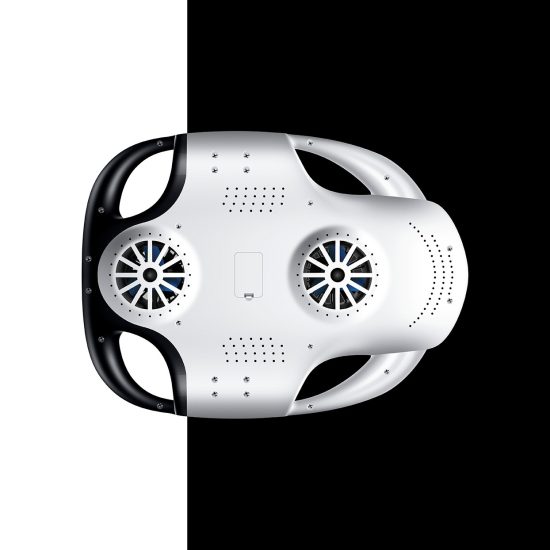



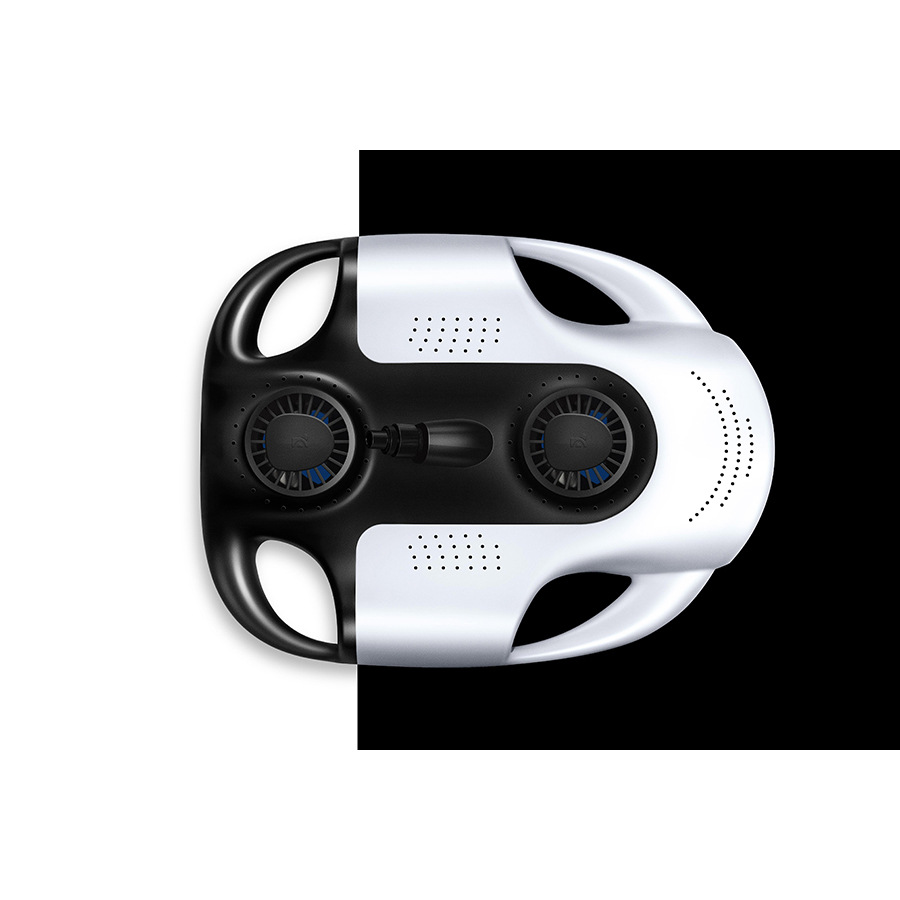

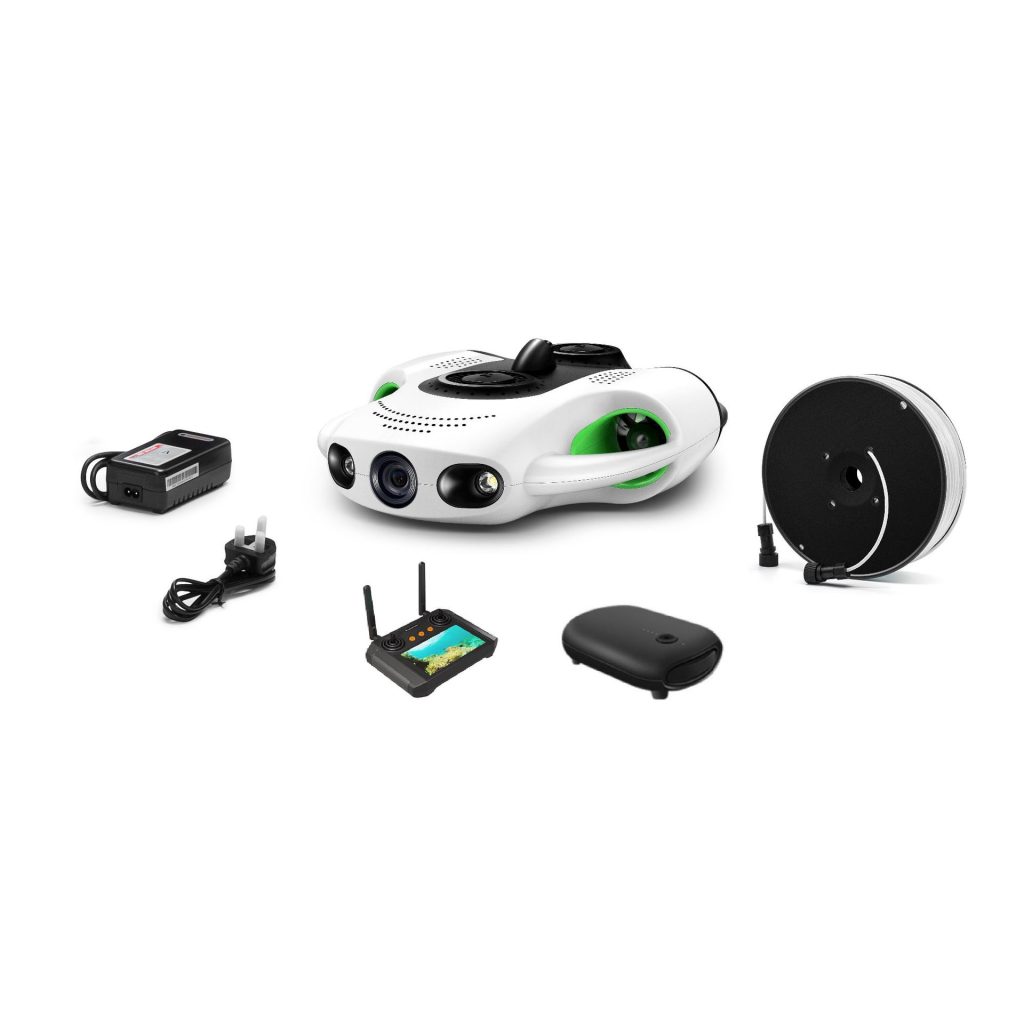
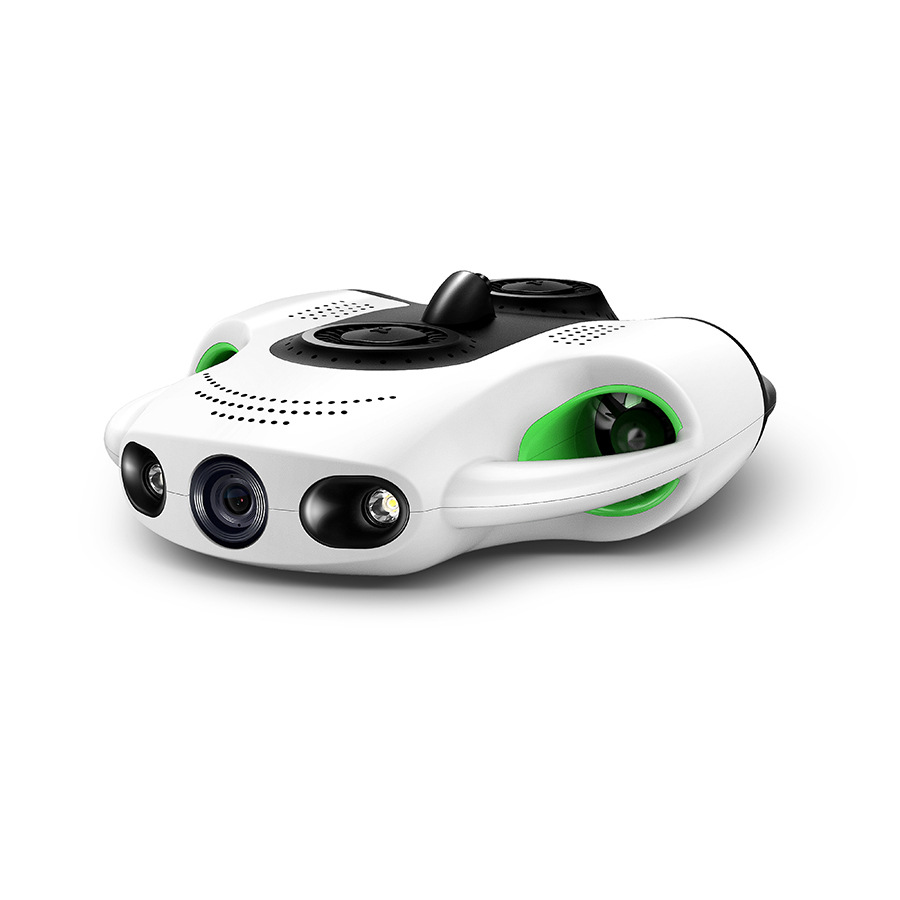
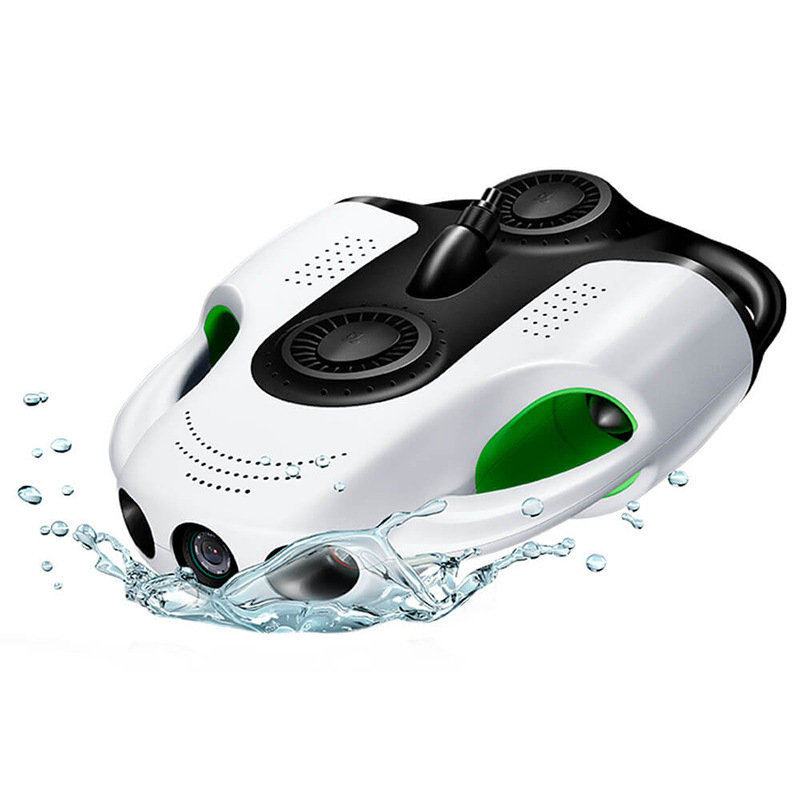
In 2026, underwater drones (ROVs/UUVs) have evolved into versatile unmanned systems used in scientific research, commercial inspection, underwater cinematography, and defense applications.
This comprehensive guide offers expert insight into selecting high-value underwater drones, highlights the top models on the market, and breaks down procurement considerations from performance to cost-effectiveness.
1. Why Underwater Drones Are Transforming Marine Operations
Underwater drones — also called remotely operated vehicles (ROVs) or unmanned underwater vehicles (UUVs) — have revolutionized how industries work below the surface.
From my experience working with marine research institutions, offshore engineering firms, and defense contractors, modern underwater drones:
- Increase safety by eliminating diver risk
- Extend operational depth beyond human limits
- Enable real-time data and video analysis
- Reduce long-term operational cost
- Support repeatable precision missions
Unlike traditional manned submersibles, drones offer modularity, remote control, and scalable payload integration, making them indispensable tools by 2026.
2. Core Features to Consider When Choosing an Underwater Drone
Selecting the right underwater drone requires evaluating several key performance areas:
2.1 Operational Depth
Depth capability determines mission suitability:
- Recreational/Inspection ROVs: 30–100 m
- Scientific/Survey ROVs: 100–300 m
- Professional/Industrial: 300–1,000+ m
Always match depth rating with your use case.
2.2 Propulsion & Maneuverability
Rotor count and configuration affect stability and thrust. A good underwater drone should offer:
- Smooth station hold capability
- Precision lateral/vertical movement
- Redundant thrusters for loss resilience
More complex missions demand vector thrust control for precise navigation.
2.3 Sensors & Imaging
Top systems include:
- HD/4K underwater cameras
- Sonar (forward/side scan / imaging)
- Depth sensors
- IMUs (Inertial Measurement Units)
For research or inspection, an integrated sonar dramatically increases mapping accuracy.
2.4 Payload Flexibility
Payload options extend capability:
- Manipulator arms
- Water sampling devices
- Laser measurement systems
- Environmental sensors
Ensure the vehicle’s power and bus supports your mission payload.
2.5 Connectivity & Control Systems
High-value drones use:
- Low-latency fiber or wireless tethers
- Advanced ground control stations (GCS)
- Real-time telemetry & mission logging
Ease of control and data overlay makes operators more effective and confident.
3. What 2026 Market Trends Are Driving Underwater Drone Innovation
Several trends are shaping the underwater drone landscape:
- AI-powered navigation & obstacle avoidance
- Modular payload ecosystems
- Improved battery performance / hybrid power systems
- Integrated SLAM (Simultaneous Localization and Mapping)
- Enhanced marine environmental sensing
These advancements increase mission value and reduce operator workload.
4. Understanding the MSOEN Advantage
MSOEN (品牌 MSOEN) has emerged as one of the industry’s most respected brands due to:
- Long-term marine engineering expertise
- Iterative real-world testing
- Modular design philosophy
- Strong after-sales and global support channels
- Durable marine-grade components
Throughout 2025–2026, MSOEN ROVs have attracted attention for high cost-performance ratios — combining professional capabilities with competitive pricing.
5. How We Selected the Top Underwater Drone Models
We evaluated each model using criteria including:
- Performance and reliability
- Mission adaptability
- Depth capability
- Imaging and sensor suite
- Cost-effectiveness
- After-sales support & supply chain stability
- Real-world user feedback
Our recommendations balance professional needs with value.
Top 5 Best Underwater Drones for 2026
🔝 1. MSOEN Aquanaut-X1 – Premium All-Around Workhorse
Best For:
Scientific research, offshore inspection, survey missions
Key Specs:
- Depth rating: 500 m
- Camera: 4K HDR + low-light imaging
- Sonar: Optional forward scanning
- Max Speed: 3–4 knots
- Payload: Manipulator + sensor units
Why We Recommend It:
With a robust modular system and premium imaging suite, Aquanaut-X1 excels in data-rich missions. Its control system integrates real-time telemetry, GPS logging, and optional AI navigation support.
Best Feature: Expandable payload bay and field-upgradeable modules.
🔝 2. MSOEN Voyager-500 – Industrial and Commercial Classic
Best For:
Offshore infrastructure inspection, hull monitoring, subsea maintenance
Key Specs:
- Depth rating: 300–400 m
- Camera: HD with zoom
- Thrusters: 6 vectored stations
- Controller: Smart tether + GCS
Why We Recommend It:
Voyager-500 balances strong inspection capability and stable control with a cost-effective price tag. Easy to deploy and strong in current environments.
🔝 3. Neptune Marine Explorer – Survey & Mapping Specialist
Best For:
Seabed mapping, archaeological survey, environmental monitoring
Key Specs:
- Depth rating: 300 m
- Mapping Sonar: Built-in side-scan
- Battery: Long endurance pack
- Integration: GIS & mission planning software
Why We Recommend It:
Combines professional survey tools with ease of data export. Excellent for research institutions and survey contractors.
🔝 4. Triton Light Pro – High-Value Recreational & Commercial Hybrid
Best For:
Port security, recreational exploration, light inspection
Key Specs:
- Depth rating: 100–150 m
- Camera: 4K
- Battery: Swappable smart pack
- Controller: Smartphone / tablet integration
Why We Recommend It:
Perfect entry point for commercial operators who need versatility with top imaging and intuitive control.
🔝 5. DeepSea Titan– Heavy-Duty Industrial ROV
Best For:
Offshore construction support, dredging inspection, subsea rig tasks
Key Specs:
- Depth rating: 800–1,000+ m
- Dual manipulators
- Multi-sonar suite
- Heavy payload capacity
Why We Recommend It:
True deep-water industrial platform with redundant safety systems and long operational hours. Designed for demanding subsea tasks.
6. Selecting the Right Drone for Your Mission
✦ Research & Science
Prioritize survey tools, environmental sensors, and stable data logging.
Recommended: Neptune Marine Explorer / MSOEN Aquanaut-X1
✦ Infrastructure Inspection
Focus on manipulators, low-light imaging, and tether reliability.
Recommended: MSOEN Voyager-500 / DeepSea Titan
✦ Recreational or Commercial Exploration
Balance imaging and affordable deployment.
Recommended: Triton Light Pro
7. How to Evaluate Performance Before You Buy
Ask suppliers for:
- Video samples from actual depth tests
- Sensor calibration reports
- Third-party inspection certificates
- Component lifecycle data
- After-sales support timelines
A manufacturer with transparent test data and technical documentation is more credible and reliable.
8. Deployment, Training & After-Sales Support
World-class suppliers provide:
- Onsite deployment training
- Remote technical assistance
- Spare parts availability
- Firmware and software updates
- Maintenance scheduling
Quality after-sales support significantly reduces downtime and increases ROI.
FAQ — Your Most Common Questions Answered
1. Can you custom-build an underwater drone for a specific mission?
Yes. We support OEM & ODM services for mission-specific customization, including:
- Custom sensor packages
- Specialized payload integration
- AI navigation systems
- Environments with strong currents
Technical consultation is provided before proposal.
2. What’s the MOQ (Minimum Order Quantity) for custom ROVs?
MOQ depends on the product:
| Model Type | MOQ |
|---|---|
| Standard consumer / recreational | 1 unit |
| Commercial/inspection ROV | 1–5 units |
| Custom OEM models | Negotiable (depends on customization) |
Custom factory runs may require higher MOQ depending on tooling and design changes.
3. What is the typical lead time?
| Order Type | Lead Time |
|---|---|
| In-stock standard models | 7–14 days |
| Bespoke configurations (OEM/ODM) | 30–60 days |
| Preproduction prototype | 45–90 days |
Lead time depends on component availability and testing scope.
4. Do you have models in stock?
Yes. Some high-value standard models are maintained in inventory for quick delivery.
Stock availability varies by model and component supply chain.
Contact us for current status and ready-to-ship options.
5. Can I get samples before placing a large order?
Yes. Sample purchase and pre-delivery inspection are available.
Samples help verify performance, component quality, and compatibility.
6. What warranties & technical support are offered?
Standard technical guarantees include:
- 1–3 year warranty on core electronics and frame
- Lifetime firmware updates (for supported models)
- Remote diagnostics
- Spare parts supply
Extended support packages are available.
Closing Thoughts: Making the Right Investment
Choosing the right underwater drone in 2026 means balancing:
- Mission needs
- Performance capability
- Long-term reliability
- Total lifecycle cost
The models listed in this guide represent the best cost-performance options available today. Whether for scientific research, industrial inspection, or recreational exploration, modern ROV platforms are robust, adaptable, and engineered for real-world performance.
Invest in quality, demand transparent technical documentation, and choose a manufacturing partner that supports you beyond the sale — that is the foundation of a smart, trustworthy underwater drone procurement strategy.


No comments yet