





Quick Overview
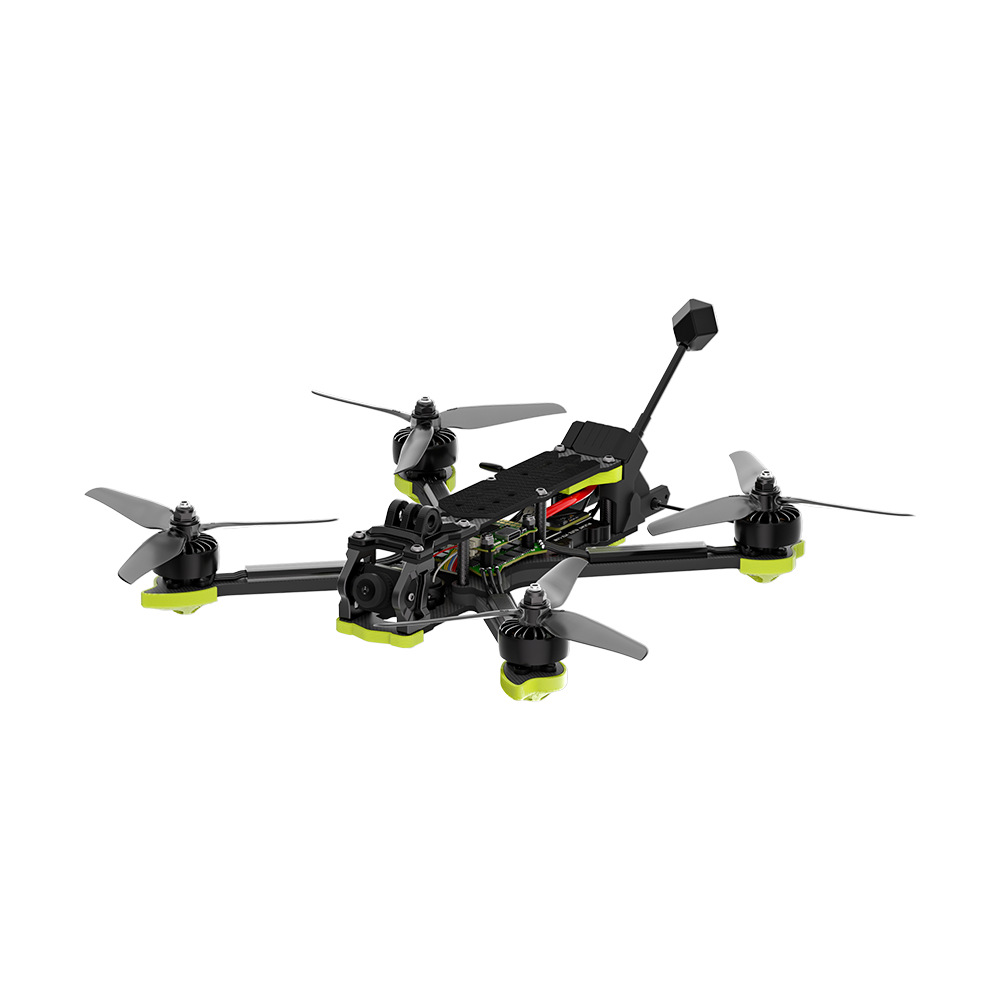
Teaching drones are specially designed unmanned aerial systems used in education and training environments. They provide hands-on learning in programming, engineering, and flight control, helping students and professionals build real-world skills in a rapidly evolving technological landscape.
Introduction
In today’s technology-driven world, education is shifting from traditional theory-based learning to practical, experience-oriented training. One of the most exciting tools enabling this transformation is the teaching drone.
Teaching drones are not just flying devices—they are comprehensive educational platforms that allow students to explore robotics, coding, physics, and data analysis in an interactive way. From primary schools to universities and professional training centers, teaching drones are becoming essential tools for modern education.
This article explores the concept, features, applications, and benefits of teaching drones, along with guidance on selecting the right system for educational use.
What Is a Teaching Drone?
A teaching drone is a UAV designed specifically for instructional purposes. Unlike consumer drones focused on photography or entertainment, teaching drones emphasize safety, programmability, and ease of use.
They are widely used in:
- Schools and STEM programs
- Universities and engineering departments
- Vocational training institutions
- Drone pilot training centers
- Robotics and coding workshops
Teaching drones provide a practical platform for learning how drones work, how to control them, and how to develop applications based on drone technology.
Key Features of Teaching Drones
1. Beginner-Friendly Design
Teaching drones are designed with simplicity in mind. They often include intuitive controls, stable flight systems, and safety features such as propeller guards.
2. Programmable Flight Control
Many teaching drones support programming languages such as Python, Scratch, or block-based coding systems. This allows students to learn coding through real-world applications.
3. Durable Structure
Frequent use in training environments requires strong and durable materials. Teaching drones are built to withstand minor crashes and repeated handling.
4. Safety Features
Safety is a top priority in education. Features may include:
- Automatic landing
- Low battery alerts
- Emergency stop functions
- Obstacle avoidance
5. Modular Components
Some teaching drones allow users to modify hardware components, such as sensors and cameras, to enhance learning opportunities.
6. Indoor and Outdoor Capability
Teaching drones are often designed for both indoor classrooms and outdoor training fields.
Applications of Teaching Drones
STEM Education
Teaching drones are widely used in STEM programs to teach students about science, technology, engineering, and mathematics.
Coding and Programming
Students can write code to control drone movements, enabling practical learning of programming concepts.
Engineering Training
Drones help students understand aerodynamics, electronics, and system integration.
Drone Pilot Training
Training institutions use teaching drones to prepare students for professional drone operation.
Robotics Competitions
Teaching drones are used in competitions to encourage innovation and teamwork.
Benefits of Teaching Drones in Education
Hands-On Learning Experience
Students learn by doing, which improves understanding and retention.
Increased Engagement
Interactive drone activities make learning more exciting and motivating.
Skill Development
Students gain valuable skills in coding, problem-solving, and critical thinking.
Future Career Preparation
Drone technology is widely used in industries such as agriculture, logistics, and emergency services. Learning these skills early provides a competitive advantage.
Interdisciplinary Learning
Teaching drones combine multiple fields, including physics, computer science, and engineering.
How to Choose the Right Teaching Drone
Skill Level
Choose a drone suitable for the learners’ experience level, from beginners to advanced users.
Programming Support
Ensure the drone supports coding platforms relevant to your curriculum.
Durability
Select a drone that can withstand frequent use and minor crashes.
Safety Features
Look for built-in safety mechanisms, especially for younger students.
Battery Life
Longer flight time allows for more effective training sessions.
Expandability
Consider whether the drone can be upgraded with additional components or sensors.
Challenges in Using Teaching Drones
Initial Learning Curve
Students may need time to understand drone operation and controls.
Maintenance
Regular maintenance is required to keep drones in good condition.
Regulatory Compliance
Drone usage must follow local regulations and safety guidelines.
Budget Constraints
High-quality teaching drones may require a higher initial investment.
Future Trends in Teaching Drones
The development of teaching drones continues to evolve with new technologies:
- AI-assisted learning systems
- Cloud-based drone programming platforms
- Virtual reality training simulations
- Swarm drone education systems
- Advanced autonomous flight capabilities
These innovations will further enhance the effectiveness of drone-based education.
Inquiry Diary: Real Buyer Scenario
Date: March 10
Client Location: Middle East
Application: School Drone Training Program
“We are planning to introduce drone education into our school curriculum and are looking for a reliable teaching drone solution. The system should be easy for beginners, support programming, and include safety features for classroom use. We are also interested in bulk purchase options and long-term cooperation. Please provide specifications and pricing.”
Response Summary:
- Recommended beginner-friendly teaching drone system
- Supports block-based and Python programming
- Equipped with safety features for classroom environments
- Durable design suitable for frequent use
- Indoor and outdoor operation supported
- Delivery time: 7–12 days
- Custom training kits and OEM options available
Follow-up Result:
The client requested a pilot batch and is planning to expand the program across multiple schools.
Why Teaching Drones Are Important
As technology becomes increasingly integrated into daily life, education must evolve to prepare students for the future. Teaching drones offer a unique opportunity to combine theory with practical experience.
They help institutions:
- Modernize their curriculum
- Improve student engagement
- Develop future-ready skills
- Encourage innovation and creativity
Teaching drones are not just tools—they are gateways to the future of education.
FAQ
Q1: Are teaching drones safe for students?
Yes, most teaching drones are designed with multiple safety features to ensure safe operation.
Q2: Can beginners use teaching drones?
Absolutely. Teaching drones are specifically designed for beginners and learners.
Q3: Do teaching drones require programming knowledge?
No, beginners can start with basic controls, and programming can be learned gradually.
Q4: How long can a teaching drone fly?
Flight time typically ranges from 10 to 30 minutes depending on the model.
Q5: Can teaching drones be used indoors?
Yes, many models are suitable for indoor use with stable flight systems.
Conclusion
Teaching drones are revolutionizing education by providing an interactive and practical learning platform. They help students understand complex concepts through real-world application and prepare them for careers in technology and innovation.
As educational institutions continue to embrace digital transformation, teaching drones will play an increasingly important role in shaping the future of learning.
If you are looking to enhance your educational programs with advanced teaching tools, investing in a high-quality teaching drone system is a smart and forward-thinking decision.


No comments yet