

![Image [1]-Tea Plantation Spraying Drone-msoen](https://www.msoen.com/wp-content/uploads/2025/04/0f937885e9184642.jpg)
![Image [2]-Tea Plantation Spraying Drone-msoen](https://www.msoen.com/wp-content/uploads/2025/04/27fe7401e7184641.jpg)
![Image [3]-Tea Plantation Spraying Drone-msoen](https://www.msoen.com/wp-content/uploads/2025/04/cf792326a8203530.png)
![Image [4]-Tea Plantation Spraying Drone-msoen](https://www.msoen.com/wp-content/uploads/2025/04/a51983609d210354.png)
![Image [5]-Tea Plantation Spraying Drone-msoen](https://www.msoen.com/wp-content/uploads/2025/04/086e34a941203340.jpg)
Tea is one of the most valuable and widely consumed agricultural products in the world. From Asia to Africa and South America, tea plantations play a vital role in local economies and global trade. However, maintaining healthy tea plants requires consistent pest control, disease prevention, and nutrient management. Traditionally, tea farmers rely on manual labor to spray pesticides and fertilizers across plantations. While this method has been used for generations, it is often slow, labor-intensive, and inefficient.
Tea plantations are usually located in mountainous or hilly regions where terrain is complex and difficult to access with traditional machinery. Workers must walk long distances carrying heavy spraying equipment, which increases labor costs and exposes them to chemicals. As labor shortages continue to affect agricultural industries worldwide, tea farmers are searching for more efficient solutions.
The tea plantation spraying drone has emerged as a powerful tool that transforms crop protection in tea farming. With advanced flight systems, precision spraying technology, and intelligent route planning, drones allow farmers to manage large tea plantations faster, safer, and more efficiently than ever before.
For tea plantation owners, agricultural service companies, and distributors, adopting spraying drone technology can significantly improve productivity while reducing operational costs.
What Is a Tea Plantation Spraying Drone
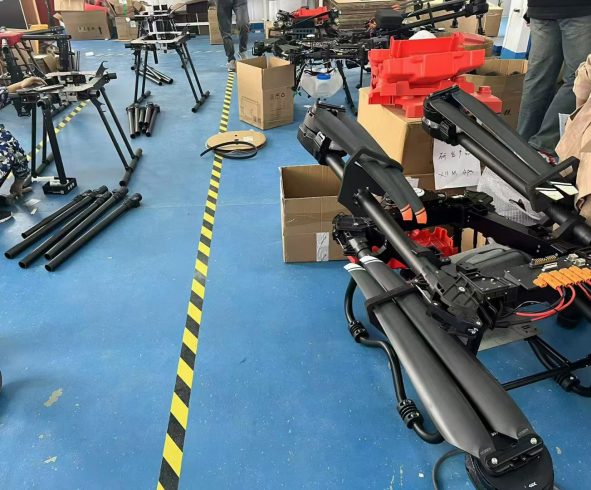
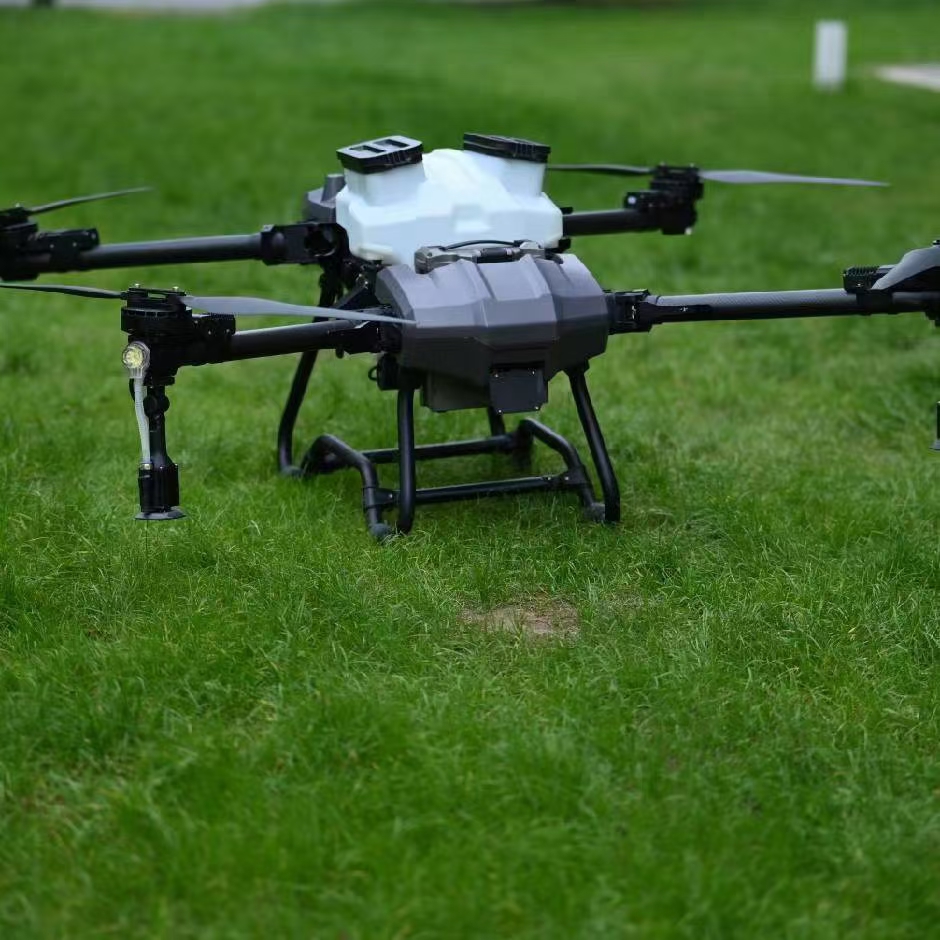
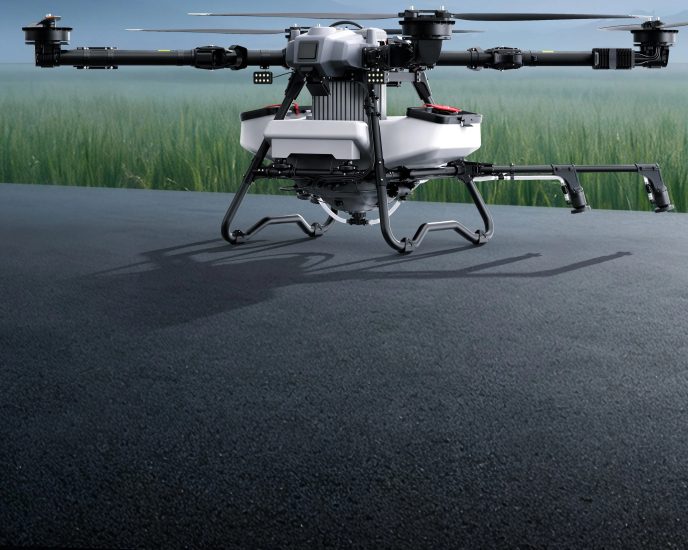
A tea plantation spraying drone is a specialized agricultural unmanned aerial vehicle designed to spray pesticides, fungicides, herbicides, and liquid fertilizers across tea gardens. Unlike traditional ground sprayers, the drone flies above the crop canopy and distributes chemicals evenly over the plants.
The drone uses a combination of advanced technologies to ensure efficient spraying:
- High-capacity liquid tank
- Precision spray nozzles
- Intelligent flight control system
- GPS positioning and route planning
- Terrain-following radar sensors
- Powerful brushless motors and propellers
These features allow the drone to navigate complex plantation landscapes and deliver accurate spraying results.
Challenges in Tea Plantation Crop Protection
Tea plantations face unique challenges that make traditional spraying methods difficult.
Complex Terrain
Many tea gardens are located in mountainous regions or on terraced slopes. Ground vehicles cannot easily operate in these environments, forcing farmers to rely on manual spraying.
Dense Plant Canopies
Tea plants grow closely together and form dense foliage. Conventional sprayers often struggle to distribute pesticides evenly through the canopy.
High Labor Demand
Manual spraying requires large numbers of workers. As rural labor shortages increase, it becomes harder for plantation owners to maintain efficient crop protection operations.
Worker Safety Concerns
Pesticides and fungicides used in tea farming can be harmful if workers are exposed for long periods. Manual spraying increases the risk of chemical exposure.
These challenges make the tea plantation spraying drone an attractive solution.
How Spraying Drones Improve Tea Plantation Management
Faster Spraying Operations
A tea plantation spraying drone can cover large areas in a short amount of time. What previously required many workers and several days can now be completed in just a few hours.
This dramatically improves operational efficiency during critical pest control periods.
Precision Application
Drone spraying systems produce fine droplets that penetrate dense tea foliage. This ensures pesticides reach both the upper and lower surfaces of leaves where pests often hide.
Precision spraying reduces chemical waste and improves treatment effectiveness.
Easy Access to Difficult Terrain
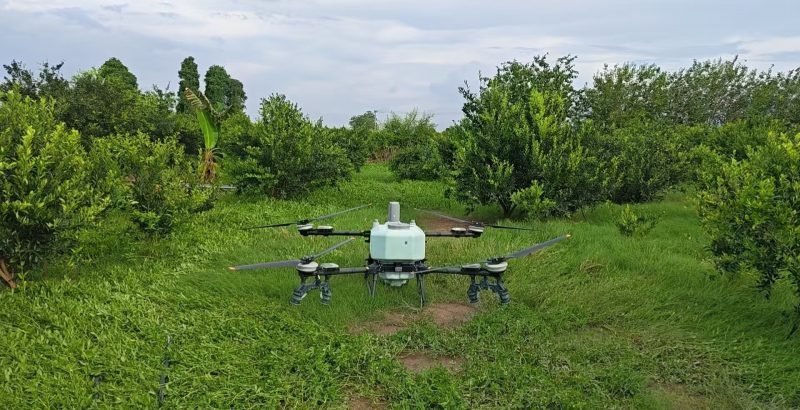
Drones are not limited by terrain. They can easily fly over steep slopes, terraces, and narrow plantation paths where traditional machinery cannot operate.
This makes them ideal for mountainous tea-growing regions.
Reduced Crop Damage
Ground equipment may accidentally damage tea plants while moving through narrow rows. Aerial spraying eliminates physical contact with crops, protecting plant structure and improving yield quality.
Key Features of Tea Plantation Spraying Drones
Intelligent Flight Planning
Modern agricultural drones use GPS-based flight planning systems. Operators can map the plantation area and set automatic flight routes for precise spraying coverage.
This automation reduces human error and ensures consistent spraying results.
Terrain Following Technology
Tea plantations often have uneven landscapes. Terrain-following radar allows the drone to maintain a constant height above the crop canopy, ensuring uniform spraying across the entire plantation.
High-Efficiency Spray System
Professional spraying drones use centrifugal or pressure-based nozzles to create fine droplets. These droplets disperse evenly and penetrate deep into the tea canopy.
Large Capacity Tanks
Agricultural spraying drones typically include tanks ranging from 10 to 40 liters. Larger tanks allow operators to cover more land before refilling.
Quick Battery Replacement
High-capacity batteries power the drone’s motors and spraying system. Many models support quick battery swapping, allowing continuous operations during peak spraying seasons.
Pest and Disease Control in Tea Plantations
Tea crops are vulnerable to a variety of pests and diseases that can reduce both yield and leaf quality.
Common Tea Pests
Some common pests affecting tea plantations include:
- Tea mosquito bugs
- Leafhoppers
- Caterpillars
- Aphids
- Red spider mites
If these pests are not controlled quickly, they can spread rapidly and cause significant crop losses.
Drone spraying allows farmers to respond quickly to pest outbreaks and apply pesticides efficiently across large areas.
Fungal and Bacterial Diseases
Tea plants can also suffer from diseases such as:
- Blister blight
- Leaf spot
- Root rot
- Anthracnose
Applying fungicides using drones ensures even coverage and improves disease control effectiveness.
Increasing Plantation Productivity
The use of spraying drones can significantly improve productivity in tea farming.
Higher Yield
Effective pest and disease control helps maintain healthy tea plants, which leads to higher leaf production.
Improved Leaf Quality
Consistent crop protection ensures that tea leaves remain healthy and suitable for high-quality tea processing.
Reduced Labor Costs
A single drone operator can replace multiple workers performing manual spraying tasks.
Faster Response to Crop Threats
Drones allow farmers to quickly treat affected areas before pests or diseases spread throughout the plantation.
Environmental Advantages
Tea plantation spraying drones also support more sustainable farming practices.
Lower Chemical Usage
Precision spraying ensures pesticides are applied only where needed, reducing chemical waste.
Reduced Water Consumption
Drone spraying systems use optimized spray technology that requires less water than traditional spraying methods.
Less Soil Disturbance
Because drones operate in the air, they do not compact soil or damage plantation paths.
Easy Operation and Training
Modern spraying drones are designed to be user-friendly. Even operators without advanced technical knowledge can learn to use them quickly.
Typical operation steps include:
- Mapping the tea plantation using the drone software
- Setting spraying parameters such as speed and flow rate
- Filling the tank with pesticide or fertilizer solution
- Launching the automated spraying mission
With minimal training, plantation workers can efficiently manage drone spraying operations.
Economic Benefits for Tea Plantation Owners
Investing in a tea plantation spraying drone can generate significant economic benefits.
Lower Operational Costs
Reduced labor requirements and optimized pesticide usage help lower overall production costs.
Increased Efficiency
Large plantations can be sprayed much faster, allowing farmers to manage multiple fields more effectively.
Long-Term Investment
High-quality agricultural drones are durable and designed for long-term use, providing years of reliable service.
For many plantation owners, the return on investment becomes clear after just a few growing seasons.
Choosing the Right Tea Plantation Spraying Drone
When selecting a spraying drone for tea farming, several important factors should be considered.
Payload Capacity
A higher payload capacity allows the drone to carry more liquid and cover larger areas.
Flight Stability
Stable flight performance ensures accurate spraying even in windy conditions.
Durability
Agricultural drones must withstand humidity, dust, and frequent outdoor use.
Technical Support
Reliable after-sales service and spare parts availability are essential for maintaining continuous operations.
Future of Drone Technology in Tea Farming
The use of drones in agriculture is rapidly evolving. In the future, tea plantation spraying drones may integrate additional smart technologies.
Potential developments include:
- AI-powered pest detection
- Real-time crop monitoring
- Automated fertilizer application
- Drone swarm operations for large plantations
- Integration with smart farm management systems
These innovations will further improve efficiency and sustainability in tea production.
Conclusion
The tea plantation spraying drone is transforming modern tea farming by providing a faster, safer, and more efficient method for crop protection. With advanced spraying systems, intelligent flight control, and the ability to operate in complex terrain, drones offer significant advantages over traditional spraying methods.
By adopting spraying drone technology, tea plantation owners can reduce labor costs, improve pesticide efficiency, protect worker health, and maintain high-quality tea production.
As global demand for tea continues to grow, modern agricultural solutions such as spraying drones will play an increasingly important role in helping tea farmers achieve higher productivity and sustainable plantation management.
For tea plantation operators, agricultural service providers, and distributors looking to upgrade their crop protection capabilities, investing in a reliable tea plantation spraying drone is a smart and forward-thinking decision.


No comments yet