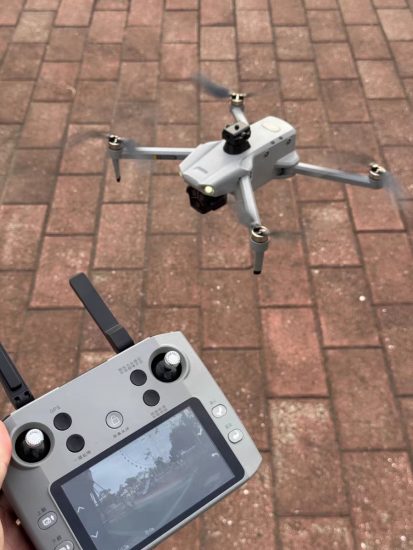



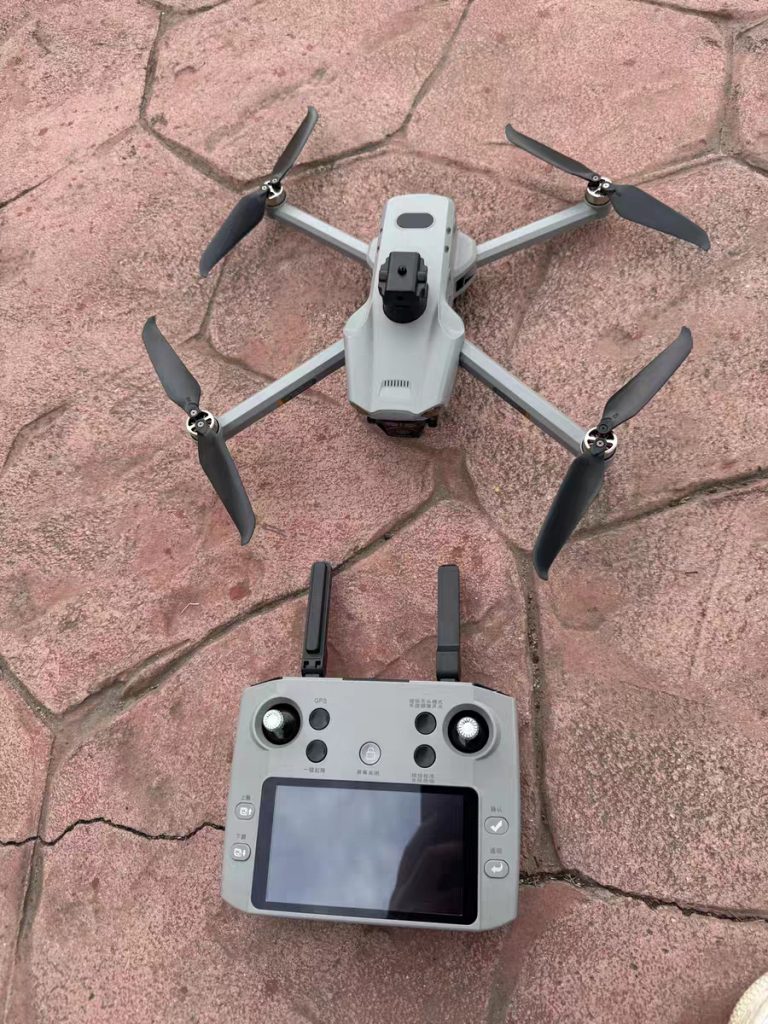

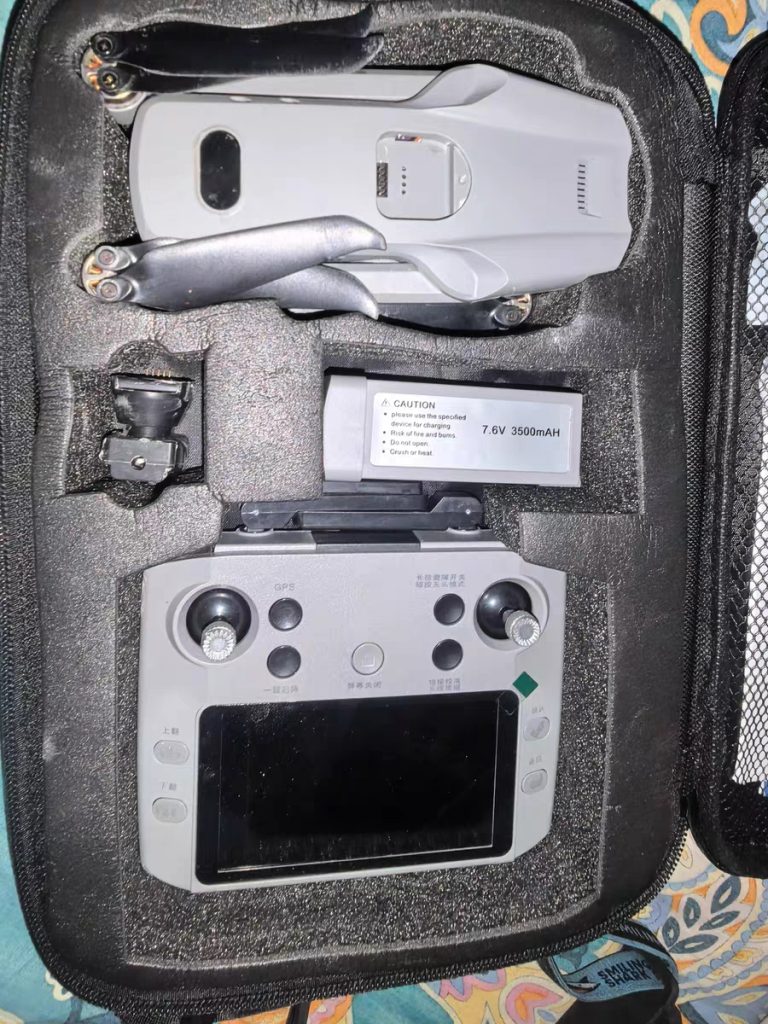


In an era where environmental responsibility is reshaping global industries, the demand for sustainable aerial photography drones is soaring. Buyers—from eco-conscious brands to industries like agriculture and conservation—seek drones that minimize ecological impact without compromising performance. As a sustainable aerial photography drone manufacturer, we’ve embedded green principles into every stage of production, from material selection to end-of-life recycling. This article explores why sustainability matters in drone manufacturing, the eco-friendly solutions we offer, and how partnering with an environmentally responsible factory drives both planetary and business value.
Why Sustainability Is Non-Negotiable for Modern Drone Buyers
The aerial imaging industry, while innovative, faces growing scrutiny over its environmental footprint:
-
Resource Consumption: Traditional drone production relies on non-recyclable plastics, rare-earth metals, and energy-intensive manufacturing.
-
E-Waste: Short product lifecycles and limited recycling options contribute to landfill accumulation.
-
Operational Impact: Drones with inefficient motors or batteries consume excess energy, increasing carbon emissions during use.
For B2B buyers, sustainability is no longer a “nice-to-have”—it’s a competitive differentiator. Brands prioritizing eco-friendly products attract conscious consumers, comply with regulations (e.g., EU Green Deal), and reduce long-term costs through resource efficiency. As a sustainable drone manufacturer, we turn these challenges into opportunities.
Our Eco-Friendly Factory: Green Solutions from Design to Disposal
At our factory, sustainability is woven into our DNA. We combine cutting-edge technology with circular economy principles to deliver drones that are as kind to the planet as they are powerful.
1. Sustainable Material Selection: Reduce, Reuse, Recycle
We replace traditional plastics and metals with eco-friendly alternatives:
-
Bio-Based Composites: Frames use flax fiber-reinforced polymers (instead of carbon fiber), reducing carbon footprint by 40% while maintaining strength (tensile strength: 2800MPa).
-
Recycled Aluminum: 60% of metal components (e.g., motor casings, antenna mounts) are made from post-consumer recycled aluminum, cutting mining demand.
-
Biodegradable Packaging: Molded pulp and cornstarch-based foam replace plastic bubble wrap, with 100% compostability.
Impact: Our drones contain 35% less virgin plastic than industry averages, and 90% of materials are recyclable.
2. Energy-Efficient Production: Low-Carbon Manufacturing
Our factory operates on renewable energy and lean processes:
-
Solar-Powered Facility: 50% of energy comes from rooftop solar panels (1MW capacity), reducing CO₂ emissions by 200 tons/year.
-
Water Recycling: Closed-loop systems treat and reuse 80% of water used in cleaning and cooling processes.
-
Lean Assembly Lines: Automated robots minimize material waste, with scrap rates below 2% (vs. 5–8% industry norm).
Certification: We hold ISO 14001 (Environmental Management) and B Corp pending status, validating our commitment.
3. Circular Lifecycle Design: Extend Use, Enable Recycling
We design drones for longevity and end-of-life recovery:
-
Modular Components: Easily replaceable batteries, motors, and cameras extend product life to 5+ years (vs. 3 years for disposable models).
-
Take-Back Program: Buyers can return old drones for free; we refurbish (40%) or recycle (60%) parts, diverting 95% of e-waste from landfills.
-
Upgradeable Software: Firmware updates add new features (e.g., AI flight modes) without replacing hardware.
4. Low-Impact Drone Technology: Efficient in the Air
Sustainability doesn’t stop at production—our drones are optimized for energy-efficient operation:
| Feature | Eco-Friendly Innovation | Benefit |
|---|---|---|
| Motors | Brushless motors with regenerative braking (captures energy during descent) | 15% lower energy use per flight. |
| Batteries | Li-ion cells with 300+ charge cycles (vs. 200 industry avg.) + solar-assisted charging ports | Reduces battery replacement frequency. |
| Propellers | Bio-composite blades (flax fiber + PLA) with optimized aerodynamics | Quieter operation (5dB less noise) + 10% less energy waste. |
| Flight Modes | “Eco Mode” limits speed/power for non-critical tasks (e.g., mapping) | Extends flight time by 20% on a single charge. |
Applications: Sustainable Drones Driving Green Outcomes
Our eco-friendly drones serve industries where sustainability and performance intersect:
1. Environmental Conservation
-
Wildlife Monitoring: Silent, low-impact drones track endangered species (e.g., sea turtles, birds) without disturbing habitats.
-
Deforestation Detection: Multispectral sensors identify illegal logging in real time, enabling rapid intervention.
2. Precision Agriculture
-
Reduced Chemical Use: Drones with targeted spraying systems cut pesticide/fertilizer use by 30%, minimizing runoff pollution.
-
Soil Health Analysis: Multispectral cameras detect nutrient deficiencies early, preventing overuse of resources.
3. Renewable Energy Maintenance
-
Solar/Wind Farm Inspections: Thermal cameras identify panel inefficiencies or turbine wear, extending asset life and reducing downtime.
4. Urban Sustainability
-
Air Quality Monitoring: Drones equipped with gas sensors map pollution hotspots, guiding city planning for green spaces.
Why Partner with Our Sustainable Aerial Drone Manufacturer?
Choosing us means aligning your brand with environmental leadership while gaining tangible benefits:
1. Meet Regulatory & Consumer Demands
-
Compliance: Our drones meet EU Taxonomy, EPA Energy Star, and other green standards.
-
Marketing Edge: Highlight “eco-friendly drone” credentials to attract conscious buyers—68% of consumers pay more for sustainable brands (Nielsen).
2. Lower Total Cost of Ownership (TCO)
-
Energy Savings: Efficient motors/batteries reduce operational costs by 15–20%.
-
Longevity: Modular design cuts replacement costs by 30% over 5 years.
3. Customizable Sustainability
-
Tailored Materials: Choose bio-composites, recycled metals, or carbon-neutral packaging.
-
White-Label Green Branding: Add your eco-certifications (e.g., “Made with 100% Recycled Aluminum”) to packaging and marketing.
4. Transparent Impact Reporting
We provide buyers with annual sustainability reports detailing:
-
Carbon footprint per drone (e.g., 12kg CO₂e vs. 20kg industry avg.).
-
Material recycling rates (90%+).
-
Energy saved via solar production (200 tons CO₂e/year).
How to Choose a Sustainable Drone Manufacturer
Not all “green” claims are equal. Ask these questions:
-
What’s their material composition? Look for % recycled/biobased content.
-
Do they have environmental certifications? ISO 14001, B Corp, or EPEAT are key.
-
What’s their e-waste policy? Take-back programs and recycling rates matter.
-
Can they share lifecycle impact data? Request carbon footprint reports for specific models.
Conclusion: Fly Greener with Sustainable Drone Solutions
Sustainability and performance are no longer mutually exclusive in aerial imaging. As a sustainable aerial photography drone manufacturer, we prove that eco-friendly design can enhance—rather than hinder—drone capabilities. From bio-composite frames to solar-powered factories, every choice we make prioritizes the planet without compromising quality.
Whether you’re a brand launching a green product line, an NGO monitoring ecosystems, or an industry player reducing operational impact, our drones deliver.
Contact us today to discuss your sustainable drone needs, request a lifecycle impact report, or explore customization options. Let’s build a cleaner future—one flight at a time.
THE END








No comments yet