




 In recent years, drones—also known as unmanned aerial vehicles (UAVs)—have evolved from simple remote-controlled aircraft into intelligent, data-driven tools used across multiple industries. Powered by advancements in artificial intelligence, sensor technology, and manufacturing precision, modern drones are no longer just flying machines. They are smart systems capable of autonomous decision-making, real-time data processing, and seamless integration with digital platforms. This article explores how intelligent drones are transforming industrial operations, improving efficiency, and shaping the future of aerial technology.
1. What Makes a Drone “Smart”? 🤖
A smart drone goes beyond manual flight control. It integrates hardware and software to perform complex tasks with minimal human intervention. Key characteristics include:
- Autonomous navigation and mission planning
- Real-time obstacle detection and avoidance
- AI-based image recognition and analysis
- Cloud connectivity and data synchronization
These capabilities allow drones to operate in dynamic environments while maintaining safety and accuracy.
2. Core Technologies Behind Intelligent Drones ⚙️
🧠 Artificial Intelligence and Machine Learning
AI enables drones to recognize objects, analyze terrain, and detect anomalies. For example, an inspection drone can automatically identify cracks on a bridge or damaged components on a power line.
👁️ Advanced Sensors
Smart drones are equipped with a wide range of sensors, including:
- RGB and HD cameras
- Multispectral sensors
- Thermal imaging cameras
- LiDAR systems
These sensors collect high-quality data that can be processed into actionable insights.
🛰️ Precision Navigation Systems
By combining GPS, RTK positioning, inertial measurement units, and visual positioning systems, drones achieve centimeter-level accuracy, even in complex or low-signal environments.
3. Industrial Applications of Smart Drones 🏭
🌾 Precision Agriculture
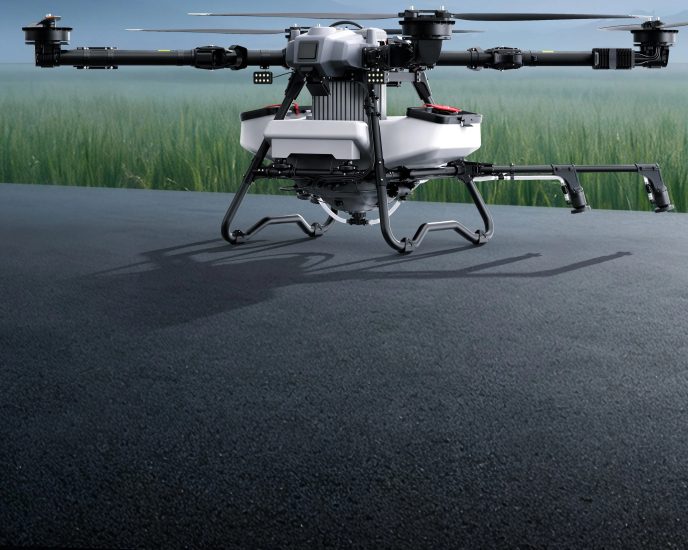
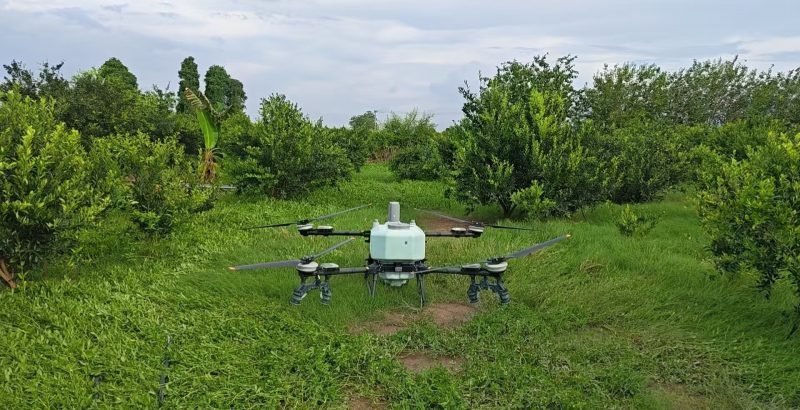
Agricultural drones monitor crop health, detect pests, and optimize irrigation. Smart spraying drones adjust flow rates automatically based on crop density, reducing chemical usage and environmental impact.
⚡ Energy and Infrastructure Inspection
In the energy sector, drones inspect wind turbines, transmission lines, pipelines, and solar panels. AI-powered analysis identifies overheating, corrosion, or structural defects without shutting down operations.
🏗️ Construction and Engineering
Drones generate 3D models, progress reports, and volume calculations. Smart flight planning ensures consistent data collection throughout the project lifecycle.
🚑 Emergency Response and Public Safety
During disasters, intelligent drones provide real-time aerial views, locate survivors using thermal imaging, and support decision-making for rescue teams.
4. Autonomous Flight and Mission Execution ✈️
Autonomous flight is a defining feature of modern drones. Operators can define waypoints, altitude, and task parameters before launch. Once airborne, the drone:
- Adjusts flight paths dynamically
- Avoids obstacles automatically
- Returns safely when battery levels are low
This level of autonomy reduces pilot workload and minimizes human error.
5. Data Collection and Analytics 📊
Smart drones are powerful data generators. However, the real value lies in data processing and interpretation.
Captured data is often uploaded to cloud platforms where it is:
- Processed into maps or 3D models
- Analyzed using AI algorithms
- Shared across teams and systems
This transforms drone operations into scalable, enterprise-level solutions.
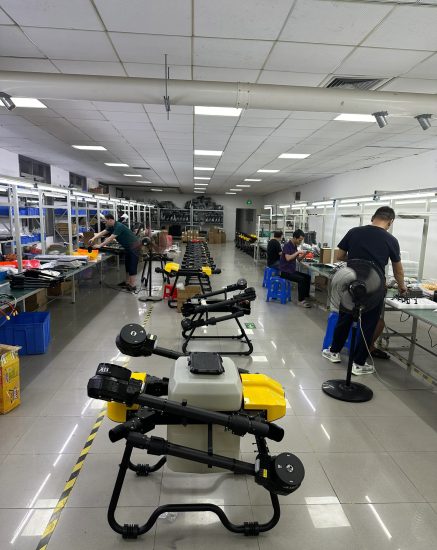
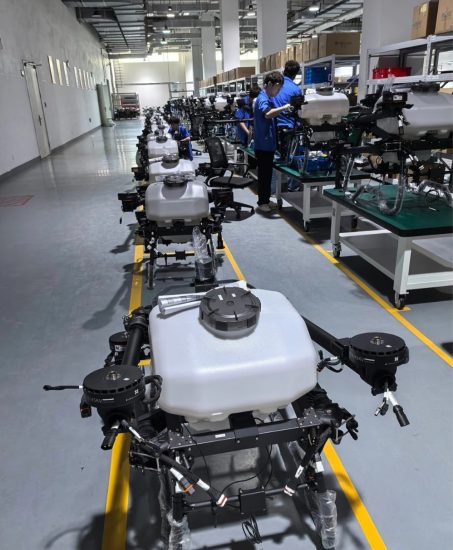
6. Manufacturing Smart Drones: From Design to Deployment 🏭
🧩 Modular Design
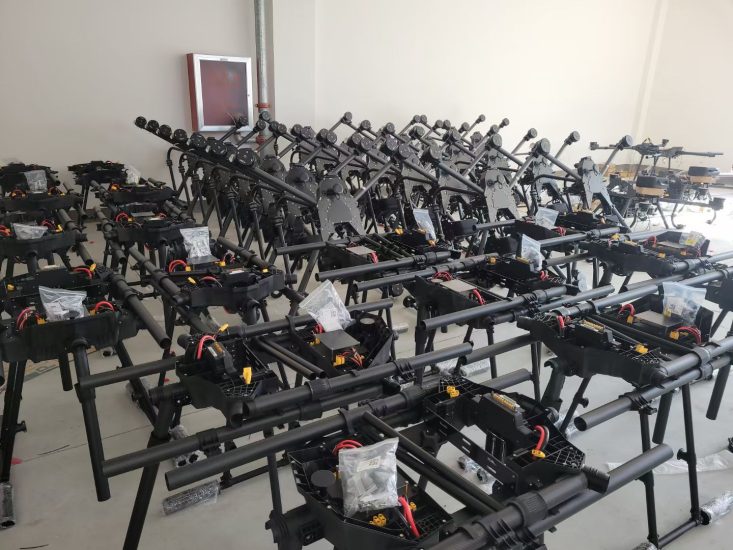
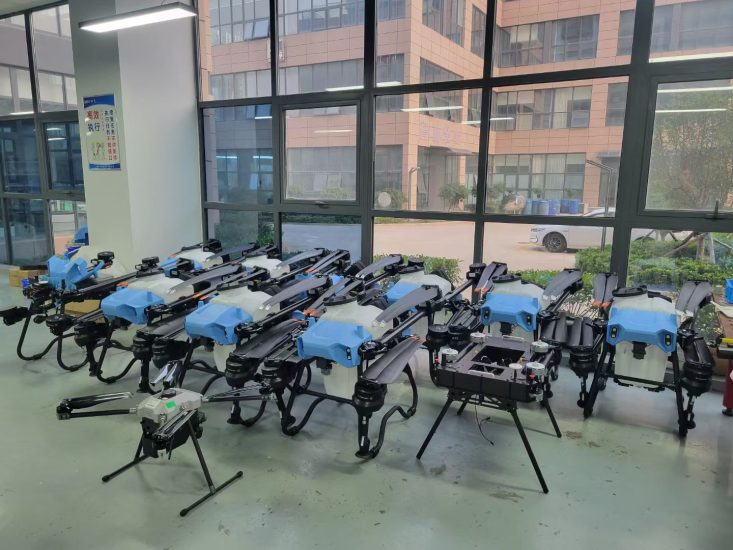
Modern drones are designed with modular components, allowing easy upgrades and maintenance. Payloads, batteries, and arms can be swapped based on mission requirements.
🛠️ OEM and ODM Capabilities
Many manufacturers offer OEM and ODM services, enabling customized drones for specific industries such as agriculture, logistics, or security. Customization may include hardware design, software features, and branding.
🔍 Quality Control and Testing
Before deployment, drones undergo extensive testing, including flight simulations, environmental stress tests, and real-world trials to ensure reliability and safety.
7. Regulatory Compliance and Safety 🔒
As drone usage increases, regulations play a crucial role. Smart drones are increasingly built with compliance features such as:
- Geofencing to restrict flight zones
- Remote identification systems
- Automatic altitude and speed limits
- Fail-safe landing functions
These features help operators meet regulatory requirements and ensure responsible use.
8. Challenges Facing Intelligent Drones ⚠️
Despite rapid progress, challenges remain:
- 🔋 Limited battery endurance
- 🌦️ Sensitivity to extreme weather
- 🔐 Cybersecurity risks
- 👥 Public concerns over privacy and noise
Ongoing innovation and clear regulations are essential to overcoming these barriers.
9. Future Trends in Smart Drone Development 🚀
The next generation of drones will feature:
- Longer flight times using hydrogen or hybrid power
- Fully autonomous operations with minimal supervision
- Swarm technology for coordinated missions
- Integration with smart cities, IoT, and digital twins
These advancements will further embed drones into everyday industrial workflows.
Conclusion 🌍
Smart drones are transforming industries by combining intelligent flight, advanced sensors, and powerful data analytics. From agriculture and energy to construction and emergency response, they offer safer, faster, and more cost-effective solutions.
As technology continues to evolve, intelligent drones will become standard tools in the global digital economy. Businesses that adopt smart drone solutions today will gain a competitive advantage in efficiency, data accuracy, and operational innovation—positioning themselves at the forefront of the unmanned aerial future. 🚁✨


No comments yet