


📌 Introduction:
Smart drones are reshaping the world of aerial operations by integrating advanced AI, automated flight systems, and intelligent sensing technology. These drones go beyond traditional UAVs, offering autonomous navigation, precise data collection, and real-time analysis. Whether for commercial, industrial, or recreational purposes, smart drones are essential tools for achieving efficiency, accuracy, and innovation in the sky.
What is a Smart Drone?
A smart drone is a UAV equipped with artificial intelligence, computer vision, and sensor-based systems that allow it to fly autonomously, avoid obstacles, and perform complex tasks. Unlike conventional drones that rely heavily on manual control, smart drones can:
- Navigate complex environments autonomously
- Track and follow moving targets
- Detect obstacles and avoid collisions automatically
- Collect and process data in real time
These capabilities make smart drones highly valuable for precision operations and industrial applications.
Key Advantages of Smart Drones
1. Autonomous Operation
Smart drones can fly independently using pre-programmed flight paths or AI-driven navigation, reducing the need for continuous manual control. This allows operators to focus on data analysis and mission objectives.
2. Advanced Sensing and AI
Equipped with high-definition cameras, LiDAR, and thermal sensors, smart drones can analyze environments, detect anomalies, and make real-time decisions, improving accuracy in various applications.
3. Increased Efficiency
Smart drones perform repetitive or complex tasks more quickly and accurately than human operators. This enhances productivity in sectors such as agriculture, surveying, inspection, and security.
4. Versatile Applications
Smart drones are widely used in:
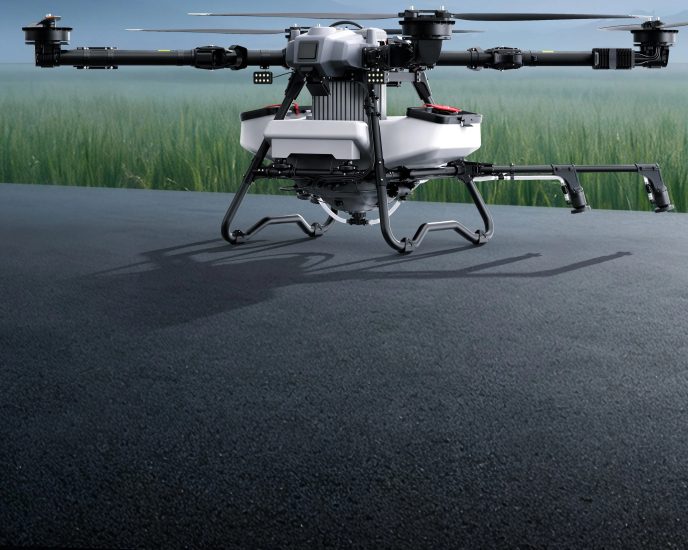
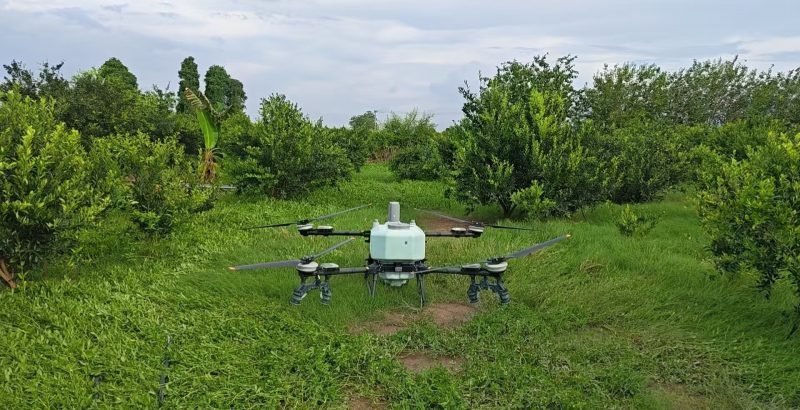
- Agriculture: Crop monitoring, automated spraying, precision farming
- Infrastructure: Power line and bridge inspection, construction monitoring
- Security & Surveillance: Autonomous patrols and emergency response
- Environmental Research: Wildlife tracking, forest monitoring, and data collection
Features to Consider When Choosing a Smart Drone
Selecting the right smart drone ensures maximum performance and safety. Key factors to evaluate include:
- Autonomy Level: Determine whether you need fully autonomous drones or semi-autonomous drones with manual override.
- Sensors and Cameras: High-resolution cameras, LiDAR, and thermal sensors provide precise data for your applications.
- Flight Time & Battery Life: Longer flights increase coverage and operational efficiency.
- Obstacle Avoidance: Advanced AI sensors reduce the risk of crashes in complex environments.
- Payload Capacity: Ensure the drone can carry required tools, sensors, or spray tanks if necessary.
- Durability & Weather Resistance: Protects the drone during operations in adverse conditions.
Applications of Smart Drones
Agriculture
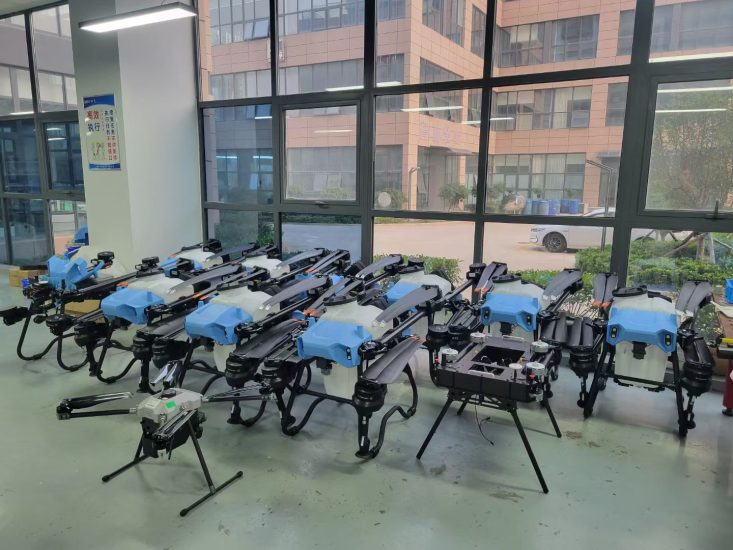
Smart drones transform modern farming by enabling automated crop monitoring, spraying, and precision mapping. AI-powered analysis helps detect plant health issues, irrigation needs, and pest infestations, improving productivity and reducing labor costs.
Infrastructure & Construction
Engineers rely on smart drones for autonomous inspections of bridges, towers, and construction sites. High-resolution imaging and AI analysis allow early detection of structural issues, ensuring safety and cost efficiency.
Security & Emergency Response
Smart drones enhance surveillance by autonomously patrolling large areas, detecting intruders, and providing real-time alerts. In disaster zones, drones can quickly map affected areas and locate stranded individuals, saving lives.
Environmental Monitoring
Researchers use smart drones to track wildlife, monitor forests, and collect environmental data efficiently. Autonomous navigation ensures minimal disturbance while covering vast areas.
How to Operate Smart Drones Safely
Proper operation is essential for maximizing the benefits of smart drones:
- Pre-Flight Planning: Analyze the flight area, weather conditions, and potential obstacles.
- Compliance: Follow local drone regulations, including altitude limits, restricted zones, and safety protocols.
- Battery and System Checks: Ensure batteries are fully charged and sensors are functional.
- Monitor AI Functions: While drones are autonomous, occasional supervision ensures mission success.
- Maintenance: Regularly inspect motors, propellers, sensors, and communication systems to maintain reliability.
FAQ: Smart Drones
Q1: What makes a drone “smart”?
A1: A smart drone integrates AI, advanced sensors, and autonomous flight capabilities, allowing it to perform tasks independently and make real-time decisions.
Q2: Can smart drones fly long distances?
A2: Yes, many smart drones are designed with extended flight ranges and strong communication links for long-distance operations.
Q3: Are smart drones suitable for beginners?
A3: Some models feature beginner-friendly modes, but understanding basic drone operations is recommended before using autonomous functions.
Q4: Which industries benefit most from smart drones?
A4: Agriculture, construction, security, surveying, and environmental research gain the most from smart drone technology.
Q5: Can smart drones carry payloads?
A5: Yes, depending on the model, smart drones can carry cameras, sensors, or spraying equipment for specialized tasks.
Why Invest in a Smart Drone
Smart drones are game-changers in aerial technology, offering unmatched precision, efficiency, and data-driven insights. They help organizations save time, reduce costs, and achieve professional results in challenging environments.
📩 Inquiry Today:
Ready to experience the power of smart drones? Contact us now to discuss your requirements and receive a personalized solution tailored for your industry. Unlock efficiency, intelligence, and precision in your aerial operations today.


No comments yet