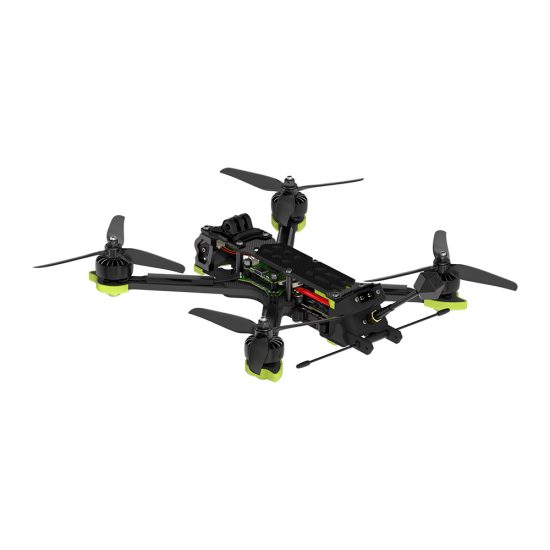



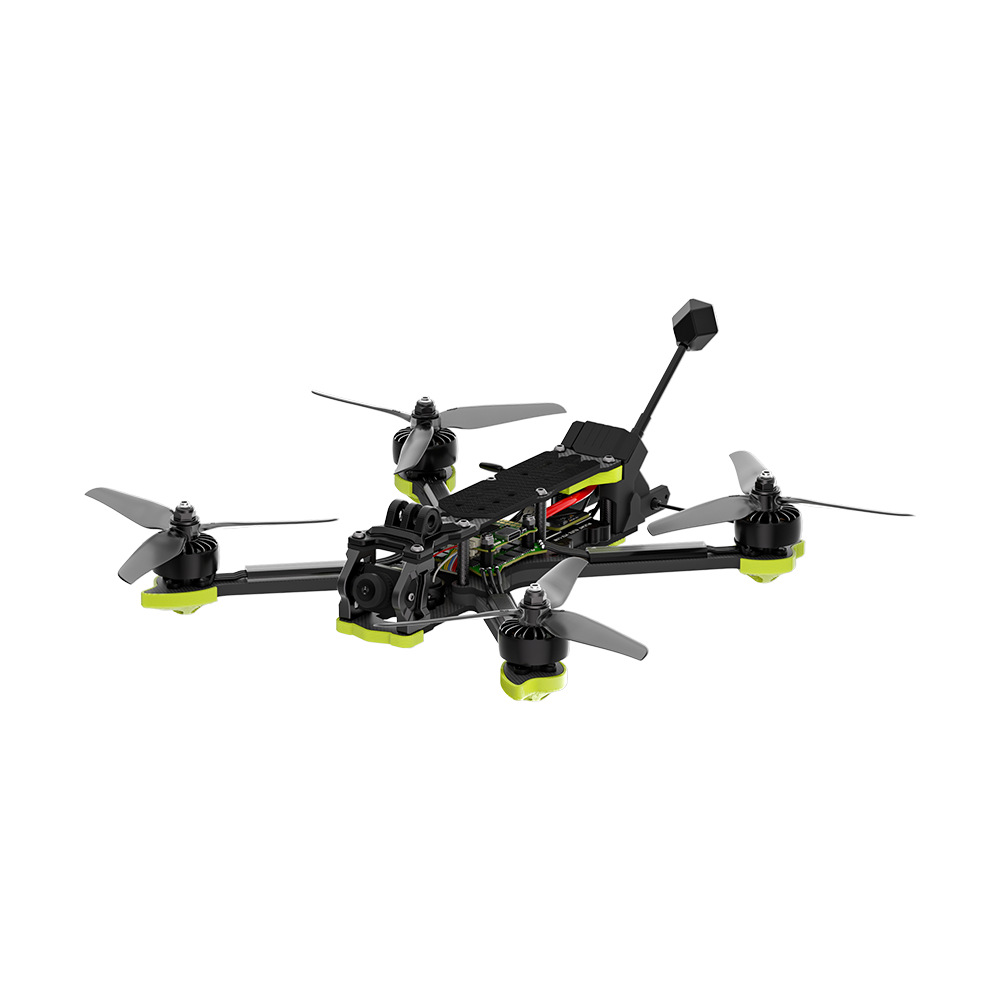


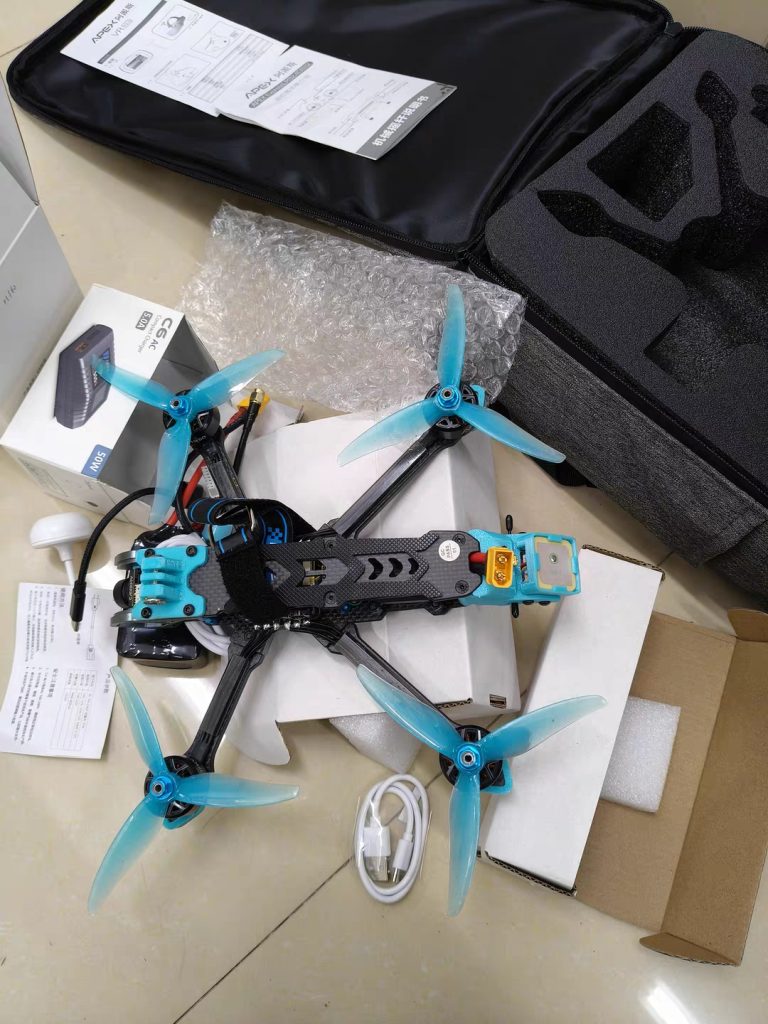
Smart drone flight technology is transforming the way industries, businesses, and hobbyists interact with the sky. By integrating artificial intelligence, autonomous navigation, and advanced sensors, smart drones deliver precise, efficient, and safe flight operations. Whether for commercial inspections, agricultural monitoring, emergency response, or recreational purposes, smart drone flight solutions provide enhanced control, accurate data, and innovative aerial perspectives.
What is Smart Drone Flight?
Smart drone flight refers to the autonomous or semi-autonomous operation of drones powered by AI, computer vision, GPS, and intelligent control systems. Unlike traditional drones that require manual piloting, smart drones can:
- Navigate complex environments independently
- Avoid obstacles using intelligent sensors
- Track moving objects with precision
- Collect and process data in real-time
These capabilities allow operators to focus on mission objectives rather than constant manual control, increasing efficiency and reducing operational risk.
Advantages of Smart Drone Flight
1. Autonomous Navigation
Smart drones follow predefined flight paths or AI-calculated routes, reducing human error and ensuring consistent coverage for inspections, surveys, or aerial photography.
2. Intelligent Obstacle Avoidance
Equipped with ultrasonic, LiDAR, and vision sensors, smart drones can detect and avoid obstacles, ensuring safer flights even in complex or cluttered environments.
3. Real-Time Data and Monitoring
Smart drones can capture high-resolution images, videos, and sensor data while streaming information in real-time to control stations or mobile devices. This feature is essential for applications requiring immediate insights.
4. Enhanced Operational Efficiency
Autonomous flight reduces the need for multiple operators, enabling a single pilot to manage complex missions, monitor multiple drones, and cover larger areas in less time.
5. Versatile Applications
Smart drone flight is widely applied in:
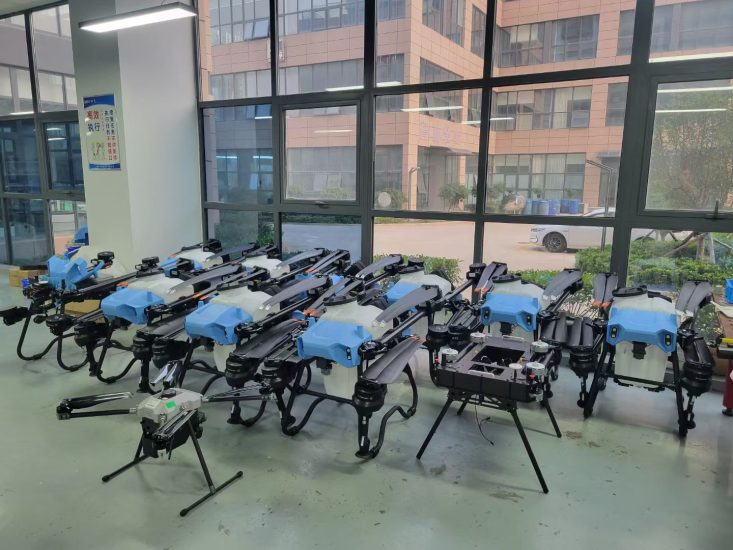
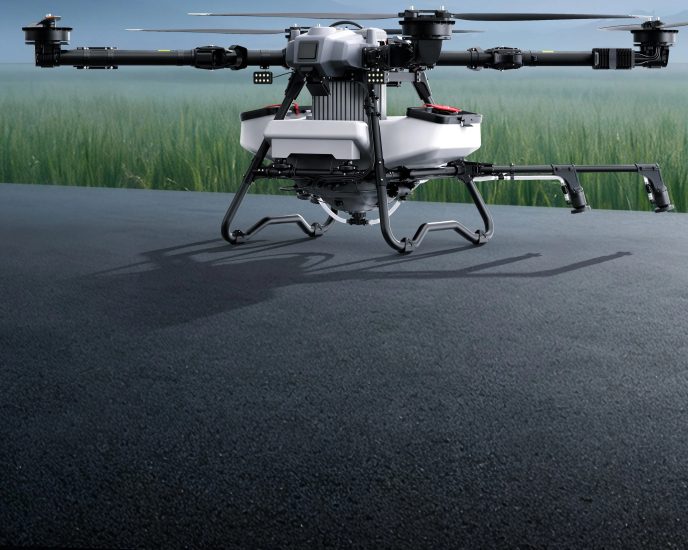
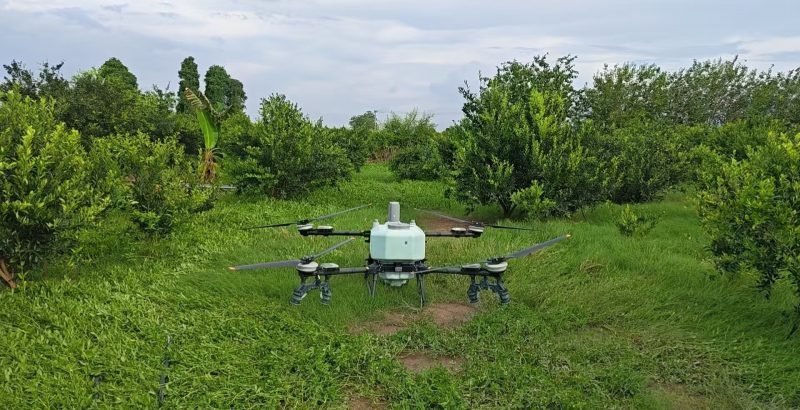
- Agriculture: Automated spraying, crop health monitoring
- Infrastructure: Bridge, tower, and powerline inspections
- Security & Surveillance: Facility monitoring, border patrols
- Environmental Monitoring: Wildlife tracking, forest assessment
- Filmmaking: Cinematic aerial shots and live streaming
Key Features of Smart Drone Flight Systems
When selecting smart drone flight solutions, consider these critical aspects:
- Autonomy Level: Fully autonomous drones reduce manual intervention, while semi-autonomous drones allow operator control.
- Sensor Integration: High-definition cameras, thermal imaging, LiDAR, and GPS provide accurate data collection.
- Flight Time & Range: Longer endurance and extended transmission range ensure comprehensive coverage.
- AI Flight Algorithms: Intelligent path planning, object tracking, and collision avoidance enhance safety.
- Durability & Weather Resistance: Rugged designs allow operations in diverse environmental conditions.
- Control Interface: User-friendly apps or ground stations simplify mission planning and real-time monitoring.
Applications of Smart Drone Flight
Agriculture
Smart drone flight automates aerial operations for precision farming:
- Monitoring crop growth and health
- Detecting pest infestations or irrigation issues
- Spraying fertilizers or pesticides with precision
- Mapping large fields efficiently
This enhances yield, reduces chemical use, and saves labor costs.
Infrastructure & Construction
Engineers rely on smart drone flight to:
- Inspect bridges, towers, and pipelines
- Track construction progress
- Generate 3D maps and site models
- Perform safety checks in high-risk areas
Autonomous flight ensures accurate data collection and reduced inspection time.
Security & Surveillance
Smart drones provide advanced aerial monitoring:
- Real-time perimeter surveillance
- Crowd monitoring during events
- Intruder detection
- Rapid emergency response
AI-driven flight paths allow drones to patrol areas efficiently without constant manual control.
Environmental Monitoring
Researchers utilize smart drones to:
- Track wildlife movements
- Map forests and rivers
- Detect environmental changes
- Monitor natural disasters or climate conditions
Autonomous flight covers large areas with minimal human intervention and disturbance.
Filmmaking & Media Production
Smart drones enable:
- Cinematic aerial shots
- Smooth, stable footage with AI stabilization
- Automated tracking of moving subjects
- Live-streaming for events
Filmmakers can focus on creativity while the drone handles navigation and stabilization.
How to Operate Smart Drones Safely
Proper operation ensures successful missions and minimal risk:
- Pre-Flight Planning: Analyze terrain, weather, flight path, and no-fly zones.
- Check Regulations: Ensure compliance with local UAV laws and commercial licenses.
- Battery and System Check: Inspect batteries, sensors, and propellers before every flight.
- Monitor Autonomous Functions: Even fully autonomous drones benefit from occasional human supervision.
- Regular Maintenance: Keep software updated and perform mechanical inspections for reliability.
FAQ: Smart Drone Flight
Q1: Can smart drones fly fully autonomously?
A1: Yes, many smart drones feature autonomous flight, AI path planning, and automated data collection, while still allowing manual override if needed.
Q2: Are smart drones suitable for beginners?
A2: Some models offer beginner-friendly modes, but basic drone operation knowledge is recommended.
Q3: How long can smart drones fly per battery charge?
A3: Flight times vary by model, typically ranging from 25 to 60 minutes, depending on payload and environmental conditions.
Q4: Can smart drones operate in hazardous environments?
A4: Yes, weatherproof and rugged designs allow flights in challenging conditions, although extreme weather may limit performance.
Q5: What industries benefit most from smart drone flight?
A5: Agriculture, construction, infrastructure inspection, security, environmental monitoring, and filmmaking gain significant advantages.
Why Invest in Smart Drone Flight Technology
Smart drone flight solutions provide efficiency, accuracy, and safety in aerial operations. Businesses gain:
- Faster, more accurate data collection
- Reduced operational costs and labor requirements
- Safer inspections and monitoring in hazardous areas
- Scalable, AI-driven solutions tailored to industry needs
📩 Inquiry Today:
Take your aerial operations to the next level with smart drone flight solutions. Contact us now for personalized advice, product specifications, and tailored solutions for your industry. Unlock the full potential of autonomous, intelligent flight today.


No comments yet