

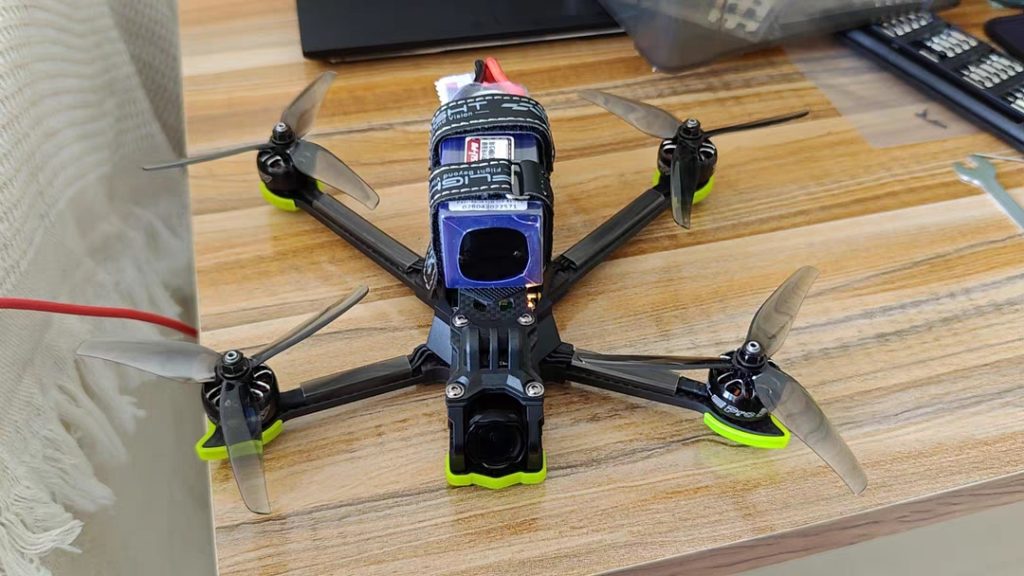

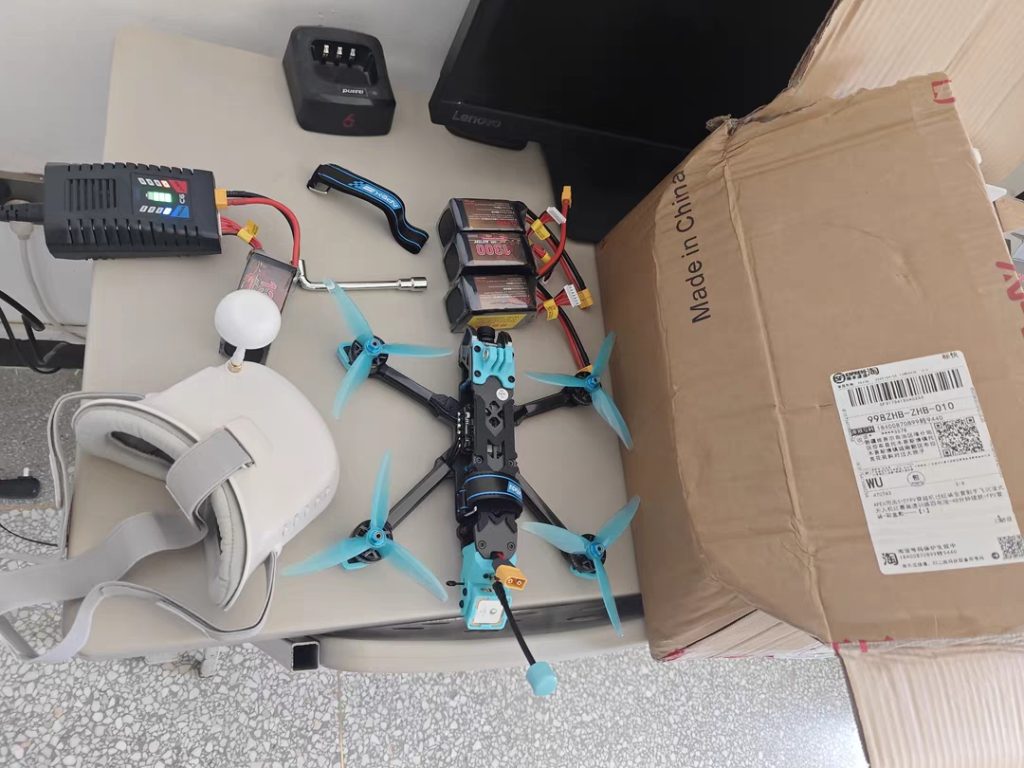
In today’s rapidly evolving world, security challenges are becoming more complex and widespread. From urban environments and industrial facilities to critical infrastructure and remote locations, the demand for efficient and intelligent surveillance systems has never been greater. Traditional monitoring methods, such as fixed cameras and human patrols, often struggle to provide comprehensive coverage and real-time responsiveness. Security surveillance drones have emerged as a powerful solution, offering advanced capabilities that redefine modern security operations.
These unmanned aerial systems provide mobility, flexibility, and high-precision data collection, enabling organizations to monitor large areas, detect threats, and respond quickly. As a result, security surveillance drones are becoming an essential part of modern security strategies across multiple sectors.
What Are Security Surveillance Drones?
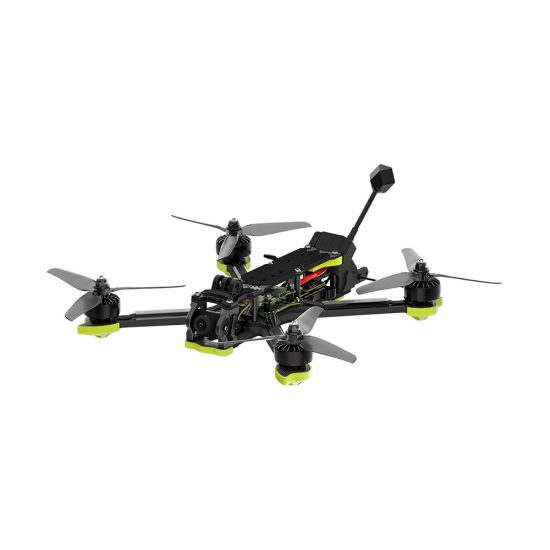
Security surveillance drones are unmanned aerial vehicles designed specifically for monitoring and surveillance purposes. They are equipped with high-definition cameras, thermal imaging sensors, communication systems, and intelligent software that allow them to capture and transmit real-time data.
Unlike traditional surveillance systems, these drones are not fixed in one position. They can move freely across different areas, providing dynamic coverage and access to locations that are difficult or dangerous for human personnel.
How Security Surveillance Drones Work
The operation of security surveillance drones involves a coordinated process:
1. Mission Planning
Operators define surveillance zones, flight paths, and monitoring objectives. These missions can be scheduled for routine patrols or activated in response to specific events.
2. Autonomous or Remote Flight
The drone follows a predefined route or is controlled manually. Advanced navigation systems ensure stable and accurate flight.
3. Data Collection
During flight, the drone captures high-resolution video, images, and thermal data. Sensors continuously monitor the environment for unusual activity.
4. Real-Time Transmission
Data is transmitted instantly to a control center, where operators monitor and analyze the situation.
5. Detection and Response
Artificial intelligence systems can identify suspicious behavior and trigger alerts, enabling rapid response.
Core Technologies Behind Security Surveillance Drones
High-Definition Cameras
These cameras provide clear, detailed visuals for monitoring and evidence collection.
Thermal Imaging Sensors
Thermal cameras detect heat signatures, allowing effective surveillance in low-light or nighttime conditions.
GNSS Navigation Systems
Accurate positioning ensures reliable flight paths and precise coverage.
AI-Based Analytics
Artificial intelligence enables object recognition, motion tracking, and anomaly detection.
Obstacle Avoidance Systems
Sensors allow drones to navigate safely in complex environments.
Secure Communication Systems
Encrypted communication ensures that sensitive data remains protected.
Advantages of Security Surveillance Drones
Wide Area Coverage
Drones can monitor large areas quickly and efficiently.
Real-Time Monitoring
Live video feeds provide immediate situational awareness.
Rapid Deployment
Drones can be launched quickly in response to incidents.
Cost Efficiency
They reduce the need for large security teams and expensive infrastructure.
Enhanced Safety
Drones allow personnel to monitor dangerous areas without direct exposure.
Flexible Operation
They can adapt to different environments and mission requirements.
Applications of Security Surveillance Drones
Industrial Security
Factories, warehouses, and energy facilities use drones to monitor perimeters and detect intrusions.
Public Safety
Drones assist in crowd monitoring, event security, and emergency response.
Critical Infrastructure Protection
They monitor power plants, pipelines, and communication networks.
Residential and Commercial Security
Private properties and commercial complexes use drones for enhanced surveillance.
Border and Coastal Monitoring
Drones support security operations in large and remote areas.
Disaster Management
They provide real-time data during emergencies, helping coordinate rescue efforts.
Comparison with Traditional Surveillance Methods
| Feature | Traditional Surveillance | Drone Surveillance |
|---|---|---|
| Coverage Area | Limited | Extensive |
| Response Speed | Moderate | Fast |
| Flexibility | Low | High |
| Cost | High | Lower |
| Safety | Risky | Safer |
Challenges and Limitations
Despite their many advantages, security surveillance drones face certain challenges:
Regulatory Restrictions
Drone operations must comply with aviation and privacy laws.
Privacy Concerns
The use of drones for surveillance raises concerns about data protection and ethical use.
Weather Conditions
Rain, wind, and fog can affect flight performance and data quality.
Battery Life
Limited flight time requires efficient mission planning.
Cybersecurity Risks
Protecting data from unauthorized access is essential.
Best Practices for Deployment
To maximize effectiveness, operators should follow these best practices:
- Define clear surveillance objectives
- Ensure compliance with legal regulations
- Use AI systems for automated detection
- Maintain equipment regularly
- Train operators thoroughly
- Implement strong data security measures
Future Trends in Security Surveillance Drones
Autonomous Surveillance Systems
Future drones will operate with minimal human intervention.
AI-Driven Threat Detection
Advanced AI will improve detection accuracy and reduce false alarms.
Extended Flight Capabilities
Improved battery technology will allow longer missions.
Drone Swarm Technology
Multiple drones will work together for comprehensive coverage.
Integration with Smart Security Systems
Drones will connect with sensors, cameras, and control systems.
Importance of Security Surveillance Drones
Security surveillance drones play a vital role in modern security strategies. Their ability to provide real-time, accurate, and wide-area monitoring enhances operational efficiency and improves response capabilities.
By integrating drones into surveillance systems, organizations can reduce risks, improve situational awareness, and ensure better protection of assets and people. These advantages make them an indispensable tool in today’s security landscape.
Conclusion
Security surveillance drones have transformed the way surveillance and monitoring are conducted. Their combination of mobility, intelligence, and efficiency makes them a powerful solution for modern security challenges.
As technology continues to advance, these drones will become even more capable, offering greater autonomy, improved detection, and enhanced integration with other systems. For organizations seeking to strengthen their security infrastructure, adopting drone-based surveillance solutions is a strategic and forward-thinking decision.
Security surveillance drones are not just an innovation—they represent the future of intelligent, efficient, and proactive security management.



No comments yet