




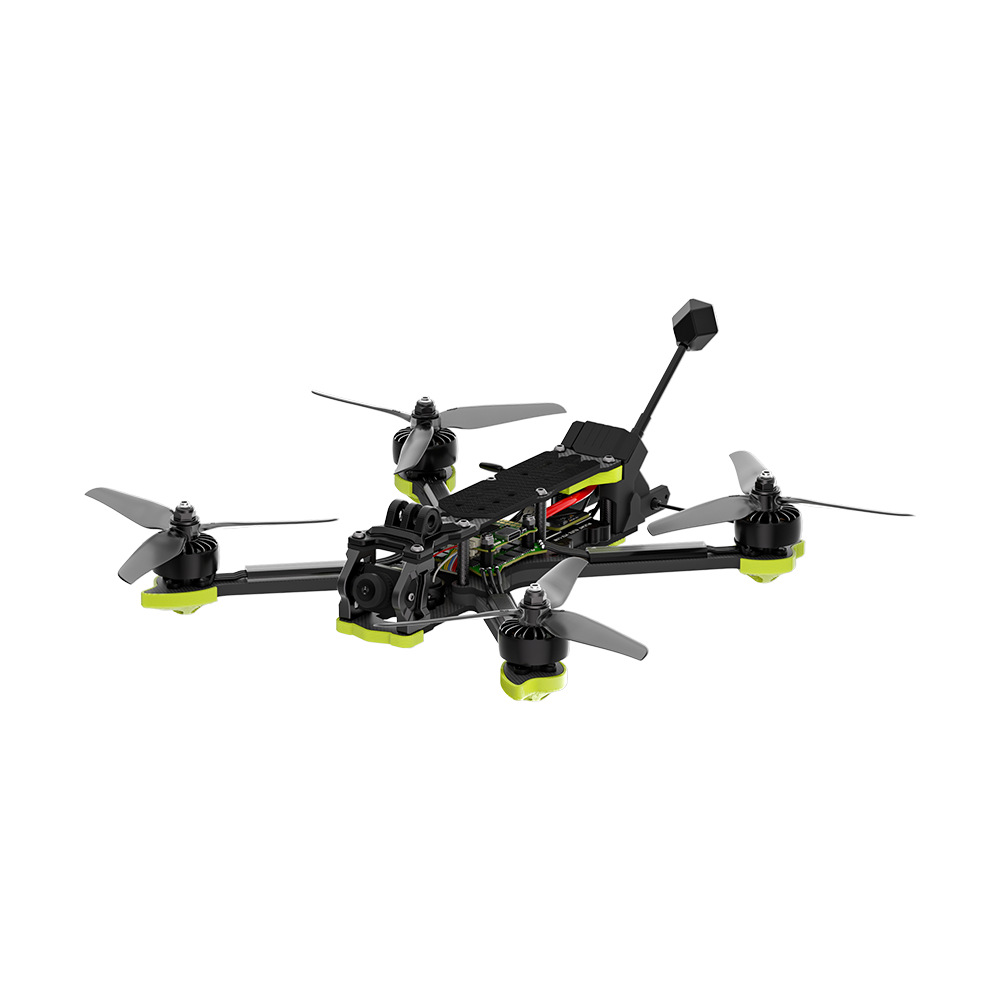


In an age where security challenges are becoming increasingly complex, traditional surveillance methods are often no longer sufficient to ensure comprehensive protection. The need for real-time monitoring, rapid response, and wide-area coverage has led to the rise of advanced technological solutions. Among these, security patrol drones have emerged as a powerful tool, transforming how security operations are conducted across industries.
Security patrol drones are now widely used in public safety, industrial security, border monitoring, and private property protection. Their ability to operate autonomously, capture high-quality data, and respond quickly to potential threats makes them an essential component of modern security systems.
What Are Security Patrol Drones?
Security patrol drones are unmanned aerial vehicles designed specifically for surveillance and monitoring tasks. Equipped with advanced cameras, sensors, and communication systems, these drones can patrol designated areas, detect unusual activity, and transmit real-time data to control centers.
Unlike traditional security systems such as fixed cameras or human guards, drones offer mobility, flexibility, and a wider field of view. They can access hard-to-reach areas and provide continuous aerial surveillance without fatigue.
How Security Patrol Drones Work
The operation of security patrol drones involves several coordinated steps:
1. Mission Planning
Operators define patrol routes, surveillance zones, and response protocols using specialized software. The system can schedule routine patrols or activate drones based on specific triggers.
2. Autonomous Patrol
The drone follows a predefined path using GPS or GNSS navigation. During the flight, it continuously scans the environment using cameras and sensors.
3. Real-Time Monitoring
Captured video and data are transmitted to a control center, where security personnel monitor activities in real time.
4. Threat Detection
Advanced systems use artificial intelligence to identify suspicious behavior, unauthorized access, or anomalies.
5. Response and Action
When a potential threat is detected, the system can alert operators, trigger alarms, or guide security teams to the location.
Core Technologies Behind Security Patrol Drones
High-Definition Cameras
Security drones are equipped with HD or 4K cameras that provide clear images and video for surveillance purposes.
Thermal Imaging Sensors
Thermal cameras detect heat signatures, making it possible to monitor areas in low-light or nighttime conditions.
AI-Based Analytics
Artificial intelligence enables automatic detection of unusual patterns, motion tracking, and object recognition.
GNSS Navigation Systems
Precise positioning ensures accurate patrol routes and reliable navigation.
Obstacle Avoidance Systems
Sensors help drones avoid collisions with buildings, trees, and other obstacles.
Secure Communication Systems
Encrypted data transmission ensures that surveillance information remains protected.
Advantages of Security Patrol Drones
Wide Area Coverage
Drones can monitor large areas much more efficiently than stationary cameras or patrol teams.
Real-Time Surveillance
Live video feeds allow immediate awareness of security situations.
Rapid Response
Drones can quickly reach incident locations, reducing response times.
Cost Efficiency
They reduce the need for large security teams and extensive infrastructure.
Enhanced Safety
Security personnel can avoid dangerous situations by relying on drones for initial assessment.
24/7 Operation
With proper scheduling and battery management, drones can provide continuous monitoring.
Applications of Security Patrol Drones
Industrial Facility Security
Factories, warehouses, and power plants use drones to monitor perimeters and detect unauthorized access.
Public Safety and Law Enforcement
Drones assist in crowd monitoring, event security, and emergency response.
Border and Coastal Surveillance
They patrol large border areas and coastlines, identifying potential security threats.
Residential and Commercial Property Protection
Private properties and commercial complexes use drones for enhanced security coverage.
Critical Infrastructure Monitoring
Drones help secure airports, railways, and communication networks.
Disaster Response and Search Operations
They assist in locating individuals and assessing damage during emergencies.
Comparison with Traditional Security Methods
| Feature | Traditional Security | Drone-Based Security |
|---|---|---|
| Coverage Area | Limited | Extensive |
| Response Speed | Moderate | Fast |
| Cost | High | Lower |
| Flexibility | Low | High |
| Safety | Risky | Safer |
Challenges and Limitations
Despite their many advantages, security patrol drones also face several challenges:
Regulatory Restrictions
Drone operations must comply with local laws, especially in urban or sensitive areas.
Privacy Concerns
The use of drones for surveillance raises concerns about data privacy and ethical use.
Weather Conditions
Rain, wind, and fog can affect flight performance and visibility.
Battery Life
Limited flight duration requires efficient scheduling and charging systems.
Cybersecurity Risks
Ensuring secure communication and data protection is critical to prevent unauthorized access.
Best Practices for Security Drone Deployment
To maximize effectiveness, operators should follow these best practices:
- Define clear patrol routes and security protocols
- Use AI systems for automated threat detection
- Ensure compliance with legal and privacy regulations
- Maintain and inspect equipment regularly
- Train operators thoroughly
- Implement secure data transmission systems
Future Trends in Security Patrol Drones
Autonomous Security Systems
Future drones will operate fully autonomously, requiring minimal human intervention.
AI-Driven Threat Detection
Advanced AI will improve accuracy in identifying potential threats and reducing false alarms.
Swarm Technology
Multiple drones will work together to provide coordinated and comprehensive coverage.
Extended Flight Time
Improved battery technology will allow longer patrol durations.
Integration with Smart Security Systems
Drones will integrate with cameras, sensors, and control systems to create unified security networks.
Importance of Security Patrol Drones
Security patrol drones play a vital role in modern security strategies. Their ability to provide real-time, accurate, and wide-area surveillance enhances the effectiveness of security operations.
By integrating drones into security systems, organizations can improve situational awareness, reduce risks, and respond more effectively to incidents. These advantages make them an indispensable tool for both public and private security applications.
Conclusion
Security patrol drones have revolutionized the way surveillance and security operations are conducted. Their combination of mobility, intelligence, and efficiency makes them a powerful solution for modern security challenges.
As technology continues to evolve, these drones will become even more advanced, offering greater autonomy, improved detection capabilities, and enhanced integration with other systems. For organizations seeking to strengthen their security infrastructure, adopting drone-based patrol solutions is a strategic and forward-looking decision.
Security patrol drones are not just an innovation—they represent the future of intelligent, proactive, and efficient security management.



No comments yet