

![Image [1]-Rice Field Spraying Drone-msoen](https://www.msoen.com/wp-content/uploads/2025/04/3ea0601715184639-1024x768.jpg)
![Image [2]-Rice Field Spraying Drone-msoen](https://www.msoen.com/wp-content/uploads/2025/04/0f937885e9184642-1024x849.jpg)
![Image [3]-Rice Field Spraying Drone-msoen](https://www.msoen.com/wp-content/uploads/2025/04/27fe7401e7184641-1024x768.jpg)
![Image [4]-Rice Field Spraying Drone-msoen](https://www.msoen.com/wp-content/uploads/2025/04/2caef68db4184641-768x1024.jpg)
![Image [5]-Rice Field Spraying Drone-msoen](https://www.msoen.com/wp-content/uploads/2025/04/4e0da2d332214638-768x1024.jpg)
![Image [6]-Rice Field Spraying Drone-msoen](https://www.msoen.com/wp-content/uploads/2025/04/4e0d9ec2ca214327-576x1024.jpg)
![Image [7]-Rice Field Spraying Drone-msoen](https://www.msoen.com/wp-content/uploads/2025/04/164e113f97214114-576x1024.jpg)
![Image [8]-Rice Field Spraying Drone-msoen](https://www.msoen.com/wp-content/uploads/2025/04/0e151c96c1214759-768x1024.jpg)
Rice is one of the most important staple crops in the world, feeding billions of people every day. Maintaining healthy rice crops requires effective pest control, disease management, and nutrient application throughout the growing season. However, traditional pesticide spraying methods in rice fields can be inefficient, labor-intensive, and sometimes dangerous for farm workers.
A rice field spraying drone provides a modern and efficient solution for crop protection in rice farming. By using advanced aerial spraying technology, farmers can apply pesticides and fertilizers accurately across rice paddies without stepping into flooded fields. This greatly improves efficiency, reduces labor requirements, and ensures better crop protection.
With the rapid development of precision agriculture, rice field spraying drones are becoming an essential tool for modern rice farms, agricultural cooperatives, and crop protection service providers.
What Is a Rice Field Spraying Drone
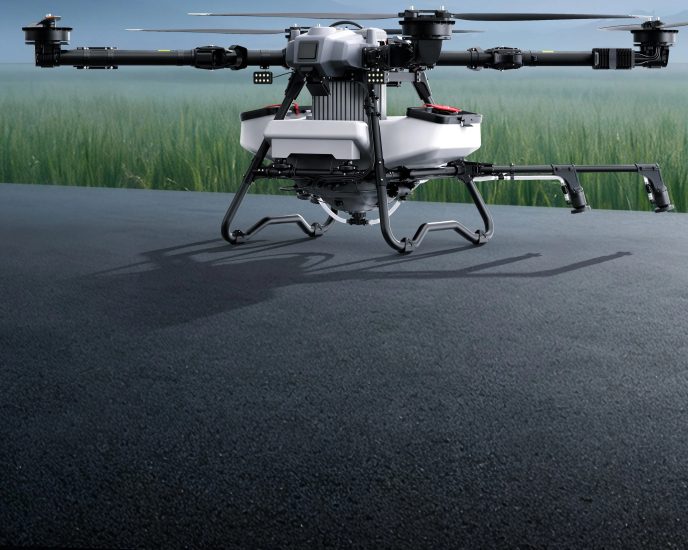
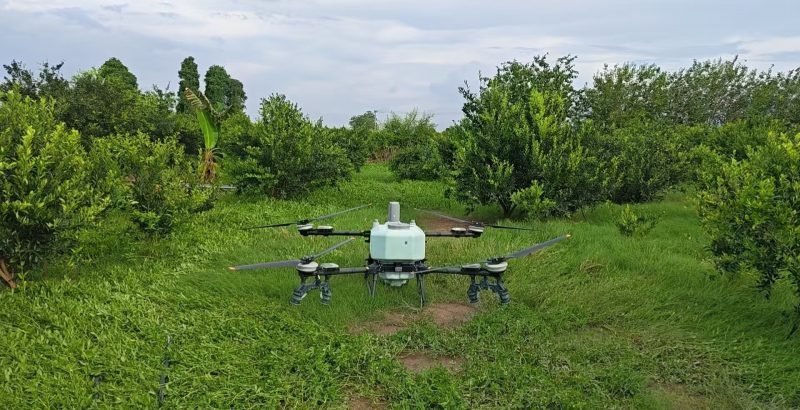
A rice field spraying drone is a specialized agricultural unmanned aerial vehicle designed to spray pesticides, herbicides, fungicides, and liquid fertilizers over rice paddies.
Unlike traditional backpack sprayers or tractor-mounted spraying equipment, the drone flies above the rice field and distributes chemicals evenly through a controlled spraying system.
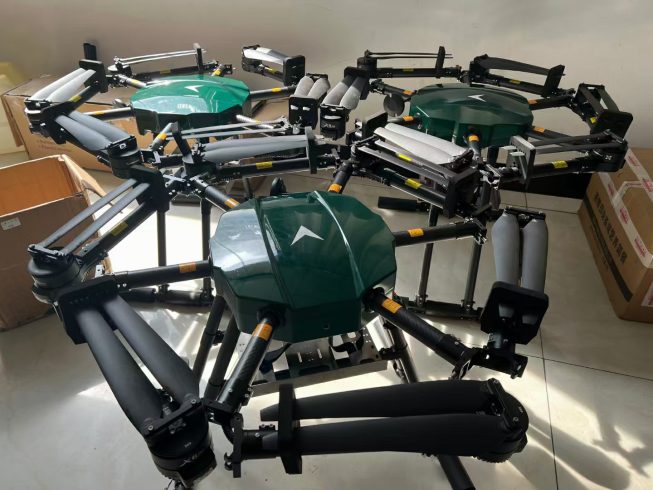
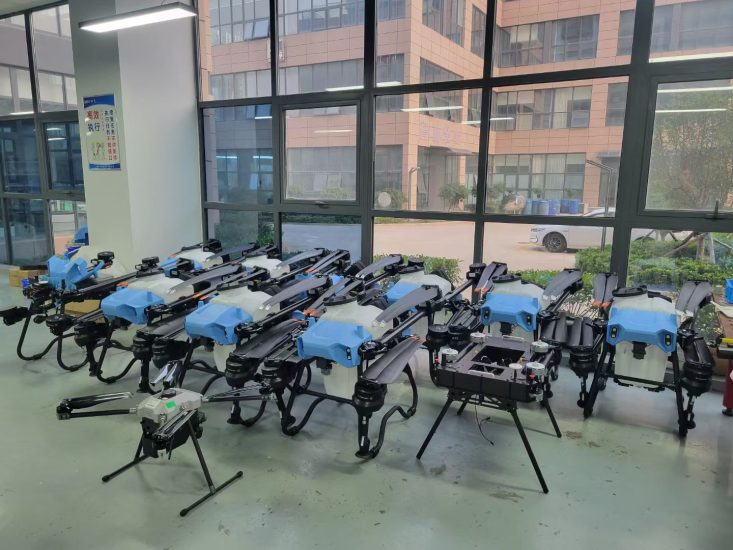
A professional rice field spraying drone typically includes several important components:
A large liquid tank for carrying pesticides or fertilizers.
A high-efficiency spraying system equipped with multiple nozzles.
An intelligent flight control system for automated spraying routes.
Powerful motors and propellers that generate strong airflow.
GPS or RTK positioning technology for precise navigation.
These technologies allow drones to perform efficient aerial spraying operations even in difficult agricultural environments.
Challenges of Traditional Rice Field Spraying
Rice fields present unique challenges that make traditional spraying methods less efficient.
Flooded Fields
Rice paddies are usually filled with water, making it difficult for tractors or vehicles to enter without damaging crops or soil structure.
High Labor Requirements
Manual spraying often requires workers to walk through muddy fields carrying heavy spraying equipment. This process is slow and physically demanding.
Health Risks
Farm workers applying pesticides manually may be exposed to harmful chemicals during spraying operations.
Uneven Coverage
Manual spraying can result in uneven pesticide distribution, which may lead to ineffective pest control and wasted chemicals.
Because of these challenges, many rice farmers are turning to drone technology for more efficient crop protection.
Advantages of Rice Field Spraying Drones
Rice field spraying drones provide several significant advantages for rice growers.
High Spraying Efficiency
A professional agricultural spraying drone can cover large rice fields quickly. Depending on the drone model and tank capacity, it may spray between 10 and 20 hectares per hour.
This allows farmers to complete spraying tasks much faster than traditional methods.
Reduced Labor Costs
Instead of requiring multiple workers to spray fields manually, a drone can be operated by a single trained operator.
This reduces labor costs and increases farm productivity.
Precision Spraying
Modern drones use GPS navigation and automated flight routes to ensure consistent spraying coverage across the rice field.
Precision spraying reduces chemical waste and improves pest control effectiveness.
Improved Worker Safety
Because the operator controls the drone remotely, there is less direct contact with pesticides.
This reduces health risks associated with chemical exposure.
Suitable for Wet and Soft Terrain
Rice paddies often have muddy soil conditions that make ground equipment difficult to use. Drones operate entirely from the air, making them ideal for spraying flooded fields.
How Rice Field Spraying Drones Work
The spraying process using a rice field drone is simple and efficient.
First, the operator prepares the pesticide solution and fills the drone’s spray tank.
Second, the operator uses a flight control system to map the spraying area and create an automated flight route.
Third, the drone takes off and flies along the planned route while spraying the rice crops evenly.
The drone maintains a stable altitude above the rice plants while distributing pesticides through multiple nozzles.
After completing the route, the drone returns automatically for battery replacement or tank refilling.
This automated operation allows farmers to complete crop protection tasks quickly and efficiently.
Key Features of Professional Rice Field Spraying Drones
Choosing the right rice field spraying drone is important for achieving the best spraying performance.
Large Capacity Tank
Professional agricultural drones typically have tanks ranging from 10 liters to 40 liters or more.
A larger tank allows the drone to spray larger areas before refilling.
High Efficiency Spray System
Advanced spraying systems produce fine droplets that adhere well to rice leaves, improving pesticide effectiveness.
Intelligent Flight Planning
Modern drones support automated route planning that ensures complete coverage of rice fields.
Long Flight Time
High-capacity batteries allow drones to fly longer and spray more land during each operation.
Stable Flight Performance
Powerful motors and propellers ensure stable flight even in windy conditions.
Rice Crops That Benefit From Drone Spraying
Rice field spraying drones are widely used in many rice-producing regions.
They are suitable for:
Large commercial rice farms.
Agricultural cooperatives managing multiple rice fields.
Rice plantations in Southeast Asia and other major rice-producing regions.
Rice farms located in areas where labor shortages make manual spraying difficult.
Using drones allows these farms to perform fast and efficient pest control operations during critical crop growth stages.
Economic Benefits for Rice Farmers
Adopting rice field spraying drones can provide significant financial benefits.
First, drones reduce labor costs by replacing manual spraying operations.
Second, precision spraying ensures better pest control, which helps protect crop yields.
Third, drones reduce chemical waste, lowering pesticide expenses.
Fourth, faster spraying allows farmers to respond quickly to pest outbreaks and prevent crop damage.
These advantages help rice farmers increase profitability and improve farm management efficiency.
Business Opportunities in Rice Field Drone Services
In addition to direct farm use, rice field spraying drones also create new business opportunities.
Many agricultural entrepreneurs are starting drone spraying service companies that provide crop protection services to local rice farmers.
Possible business opportunities include:
Providing rice field spraying services.
Selling agricultural drones to rice farms.
Offering drone training programs for farm operators.
Supplying agricultural equipment and spare parts.
As rice farming continues to modernize, the demand for agricultural drone services will continue to grow.
Why Choose MSOEN Rice Field Spraying Drones
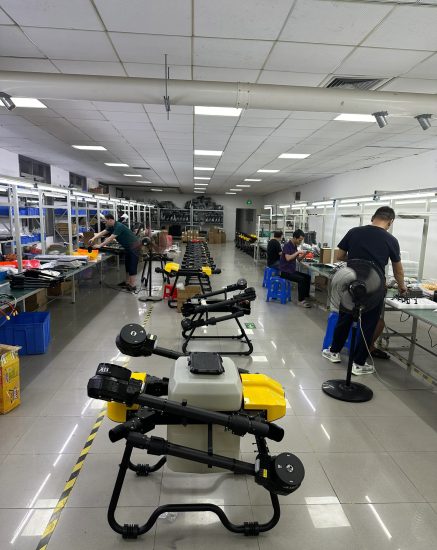
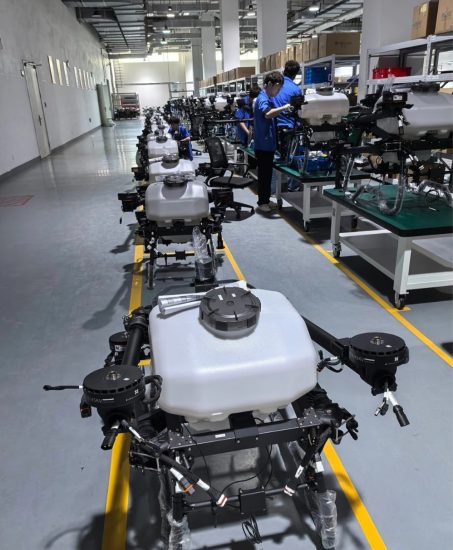
MSOEN is a professional drone manufacturer focused on developing advanced agricultural drone technology.
Our rice field spraying drones are designed for high efficiency, durability, and ease of operation.
Key advantages of MSOEN drones include:
Large capacity pesticide tanks for large rice farms.
High-performance motors that generate strong airflow for better spraying penetration.
Advanced flight control systems for precise spraying routes.
Industrial-grade construction designed for long-term agricultural use.
User-friendly operation suitable for farmers and agricultural service providers.
MSOEN agricultural drones are widely used by farms, agricultural companies, and drone spraying service providers.
Global Demand for Rice Field Spraying Drones
The global agricultural drone market is growing rapidly as farmers adopt precision farming technologies.
Rice farming regions in Asia, South America, and other parts of the world are increasingly using drones for crop protection.
Several factors are driving this demand:
Increasing labor shortages in agriculture.
The need for higher crop yields.
Rising demand for efficient farm management technology.
Growing awareness of precision agriculture solutions.
These trends make rice field spraying drones an important tool for the future of rice farming.
Contact Us
If you are looking for a reliable rice field spraying drone supplier, MSOEN can provide advanced agricultural drone solutions designed for modern rice farming.
Our team can assist with product specifications, pricing, and partnership opportunities.
Whether you are a rice farmer, agricultural equipment distributor, or crop protection service company, MSOEN can help you find the right drone solution for your business.
Contact us today to learn more about MSOEN rice field spraying drones and discover how drone technology can improve the efficiency of rice farming.
Frequently Asked Questions
How much land can a rice field spraying drone cover per hour
Depending on the drone model, a professional agricultural drone can spray approximately 10 to 20 hectares per hour.
Can drones operate in flooded rice fields
Yes. Because drones spray crops from the air, they are ideal for flooded rice paddies where ground machinery cannot operate easily.
Is it difficult to operate a rice field spraying drone
Most modern drones include automated flight systems that make operation simple after basic training.
Are rice field spraying drones suitable for small farms
Yes. Small farms can use drones directly or hire drone spraying services during critical crop protection periods.


No comments yet