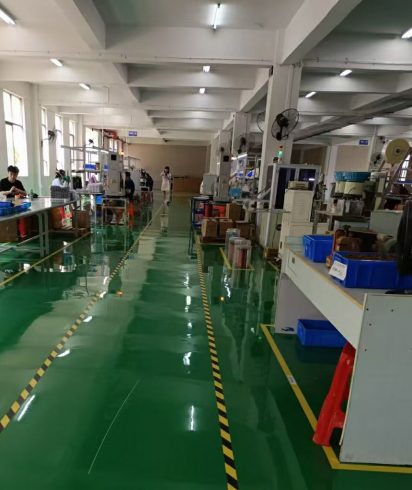


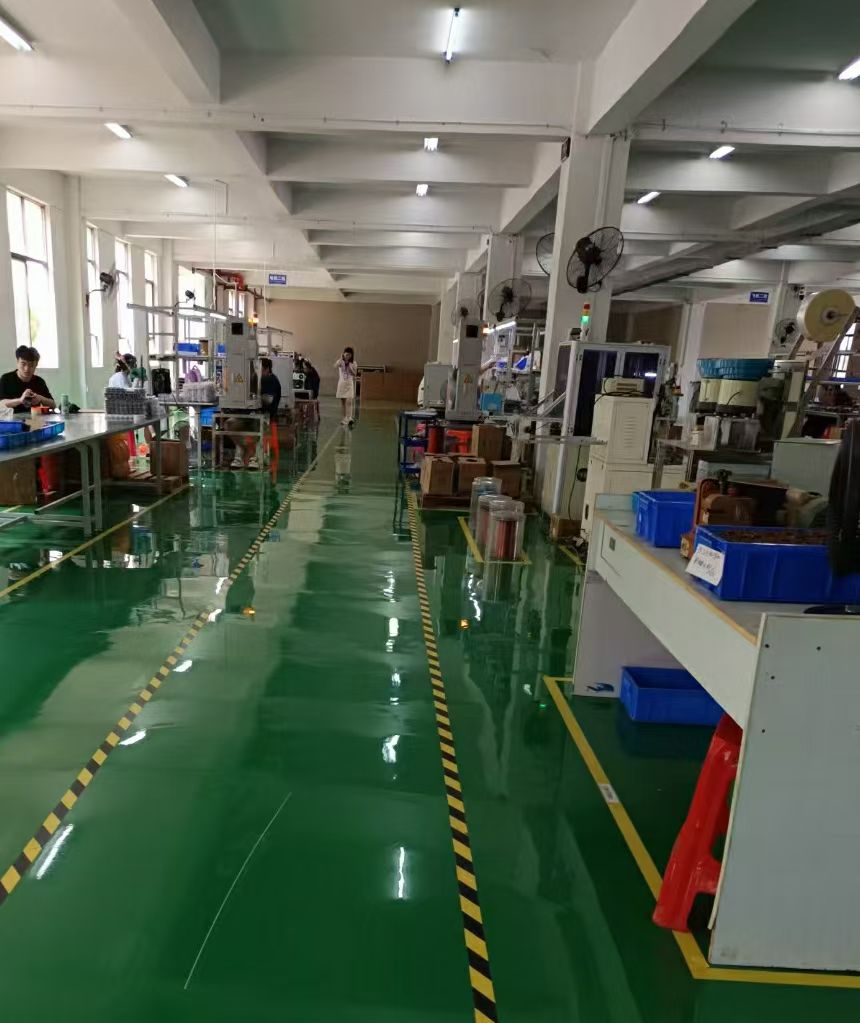
The agricultural industry is experiencing a technological renaissance, driven by the urgent need to improve efficiency, reduce costs, and ensure sustainable farming practices. Among the most transformative innovations are agricultural drones — sophisticated unmanned aerial vehicles (UAVs) designed specifically to meet the complex demands of modern farming. As a leading manufacturer of agricultural drones, we are at the forefront of this revolution, delivering tools that enhance productivity, optimize resource use, and empower farmers worldwide.
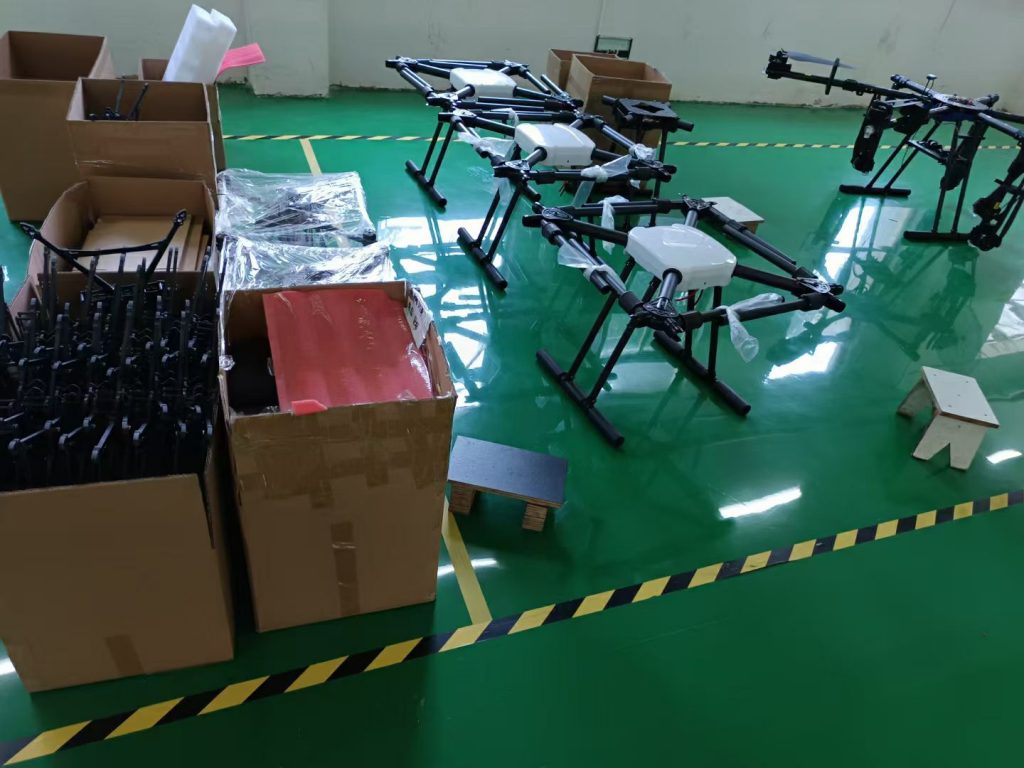
1. The Evolution of Agricultural Technology
Agriculture has always evolved alongside technology. From the plow to the tractor, mechanization has consistently reshaped farming practices. In the 21st century, digitalization and automation are the driving forces behind this transformation. Agricultural drones, equipped with advanced sensors, GPS systems, and AI-powered software, allow farmers to manage their crops with precision, significantly reducing waste and maximizing output.
Unlike traditional methods, drones provide real-time data collection and analysis, enabling farmers to monitor plant health, soil conditions, and pest infestations at a level of detail that was previously impossible. This shift toward precision agriculture marks a critical step in feeding a growing global population while preserving natural resources.
2. Core Features of Agricultural Drones
Modern agricultural drones incorporate multiple advanced technologies designed to optimize farming efficiency:
a. Precision Crop Spraying
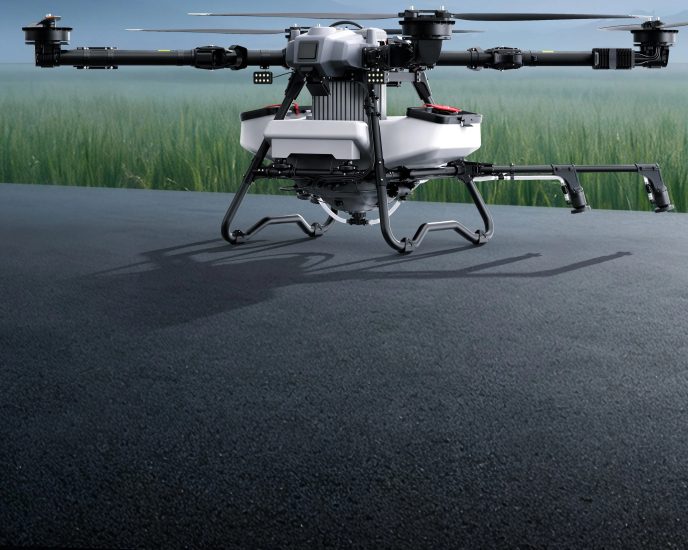
High-accuracy spraying systems enable drones to deliver fertilizers, pesticides, and herbicides directly to targeted areas. This approach reduces chemical waste, lowers operational costs, and minimizes the environmental impact of excessive chemical use.
b. Remote Sensing and Imaging
Equipped with multispectral and thermal cameras, drones can detect crop stress, nutrient deficiencies, and pest activity. Early detection allows farmers to take proactive measures, preventing losses and improving crop yield.
c. Autonomous Navigation
Using GPS mapping and AI-assisted flight planning, agricultural drones can navigate complex terrains and adjust their routes in real-time. This reduces the need for manual labor, ensures consistent performance, and saves valuable time during critical farming periods.
d. Data-Driven Decision Making
Drones collect extensive data that is processed through cloud-based analytics platforms. Farmers gain actionable insights into crop health, irrigation needs, and soil conditions, enabling more informed decisions that improve overall productivity.
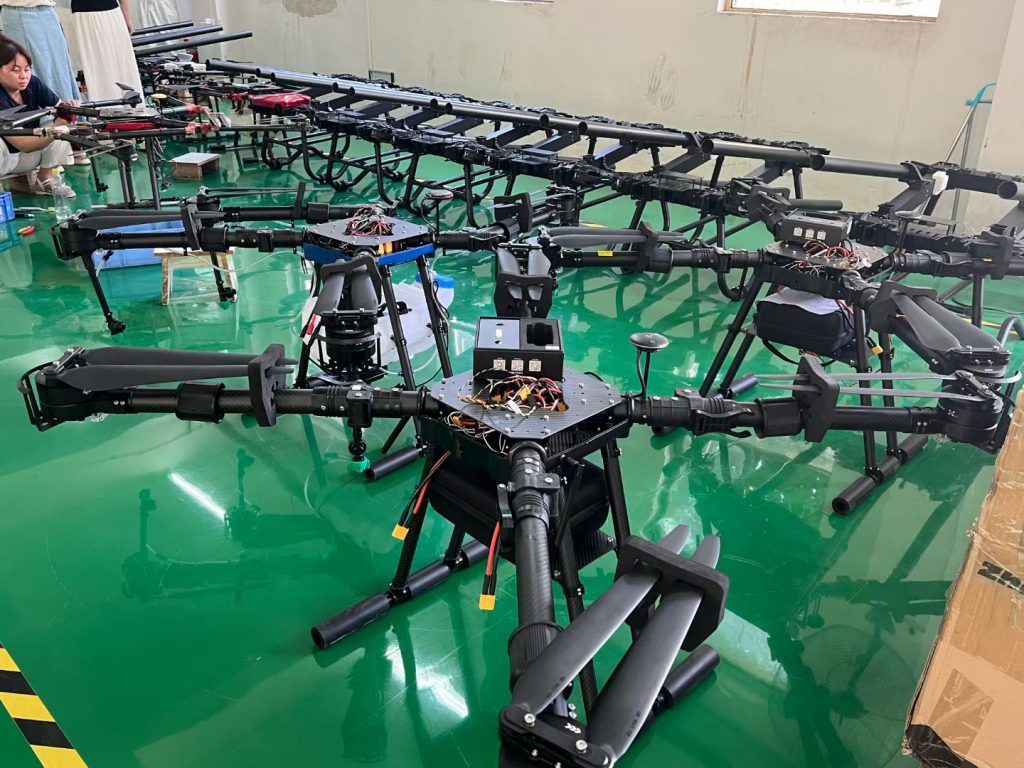
3. Advantages of Integrating Drones in Farming
The adoption of drone technology in agriculture brings numerous benefits:
- Enhanced Efficiency: Large areas can be surveyed and treated quickly, reducing manual labor requirements.
- Cost Savings: Optimized use of fertilizers, pesticides, and water results in lower production costs.
- Higher Yield and Quality: Timely interventions based on real-time monitoring improve crop health and output.
- Environmental Sustainability: Targeted application of chemicals reduces runoff and protects local ecosystems.
- Improved Safety: Drones minimize direct human contact with potentially hazardous substances.
4. Versatile Applications Across Crops
Agricultural drones can be customized for a wide variety of crop types and farming needs.
| Crop | Drone Functions | Key Benefits |
|---|---|---|
| Rice | Fertilizer and pesticide spraying | Uniform coverage, reduced labor |
| Corn | Growth monitoring, nutrient analysis | Improved yield, optimized fertilizer use |
| Vegetables | Disease detection, precision irrigation | Enhanced quality, efficient water use |
| Wheat | Seeding, pest control | Time-saving, reduced chemical use |
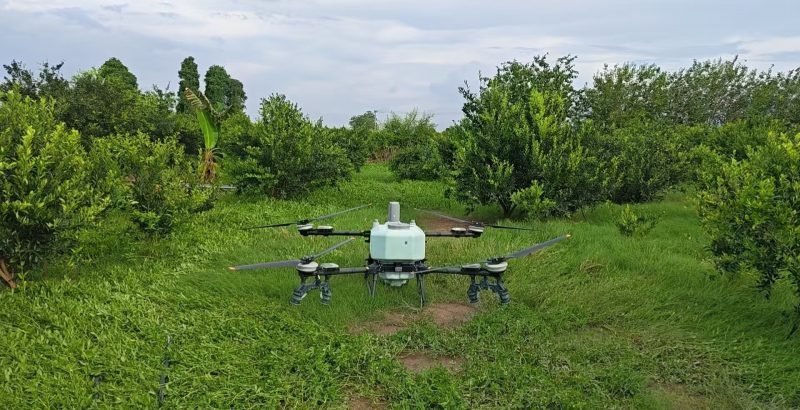
| Orchards | Fruit monitoring, targeted spraying | Higher fruit quality, minimized crop loss |
By tailoring drone applications to specific crops, farmers can maximize efficiency and minimize operational risks.
5. Overcoming Challenges
While agricultural drones offer immense potential, several challenges must be addressed:
- Regulatory Restrictions: UAV operations are subject to local and international aviation regulations. Our drones comply with all major regulatory standards to ensure safe deployment.
- Initial Investment Costs: While high-quality drones represent a significant initial investment, they quickly pay for themselves through increased productivity and reduced labor costs.
- Technical Expertise: Operating drones effectively requires knowledge and training. We provide comprehensive support, user manuals, and intuitive software interfaces to simplify adoption.
- Environmental Factors: Weather conditions such as wind or heavy rain can affect drone operations. Our drones are designed for durability and reliability, performing efficiently in diverse environments.
6. The Future of Drone-Powered Agriculture
The future of agriculture is intertwined with the advancement of drone technology. Innovations such as autonomous swarming drones, AI-driven predictive analytics, and integration with IoT farm systems will further enhance efficiency, productivity, and sustainability. Future drones are expected to:
- Handle multiple farm operations simultaneously, including planting, spraying, and harvesting.
- Provide predictive insights based on historical and real-time crop data.
- Operate with greater endurance and payload capacity for large-scale farms.
- Integrate seamlessly into digital farm management platforms for fully automated workflows.
As a manufacturer, we are committed to continuous innovation, delivering drones that evolve with the needs of modern agriculture and contribute to a sustainable food future.
7. Conclusion
Agricultural drones represent a paradigm shift in farming, combining cutting-edge technology with practical applications to revolutionize the way we cultivate crops. From enhancing efficiency and reducing costs to promoting sustainability and improving crop health, drones are transforming agriculture into a smarter, more precise, and environmentally responsible industry.
By choosing our agricultural drones, farmers gain access to reliable, high-performance UAV solutions that empower them to achieve higher yields, optimize resource management, and embrace the future of smart farming.


No comments yet