



Quick Overview
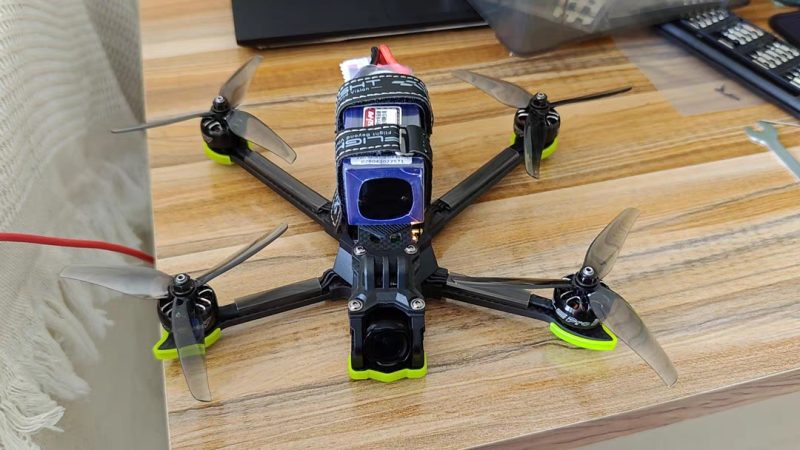
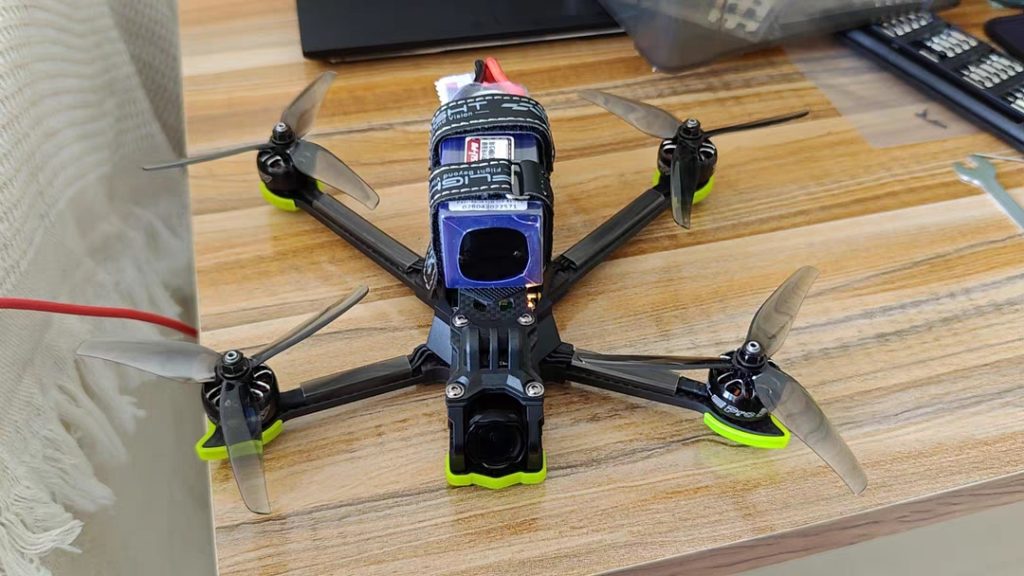
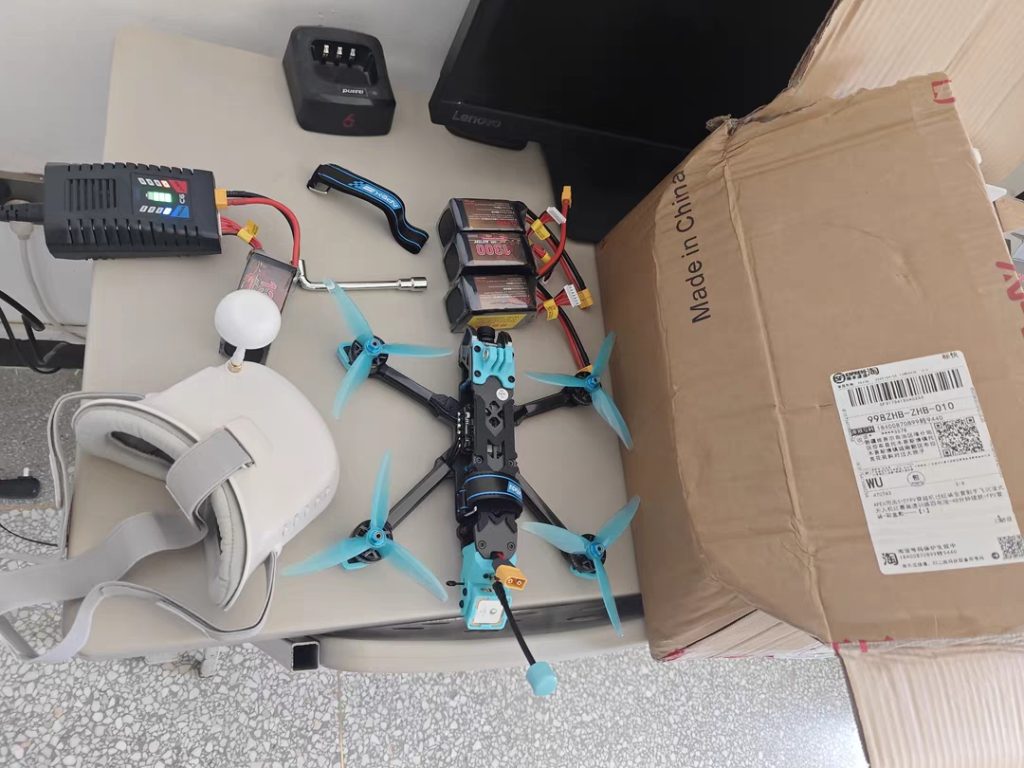
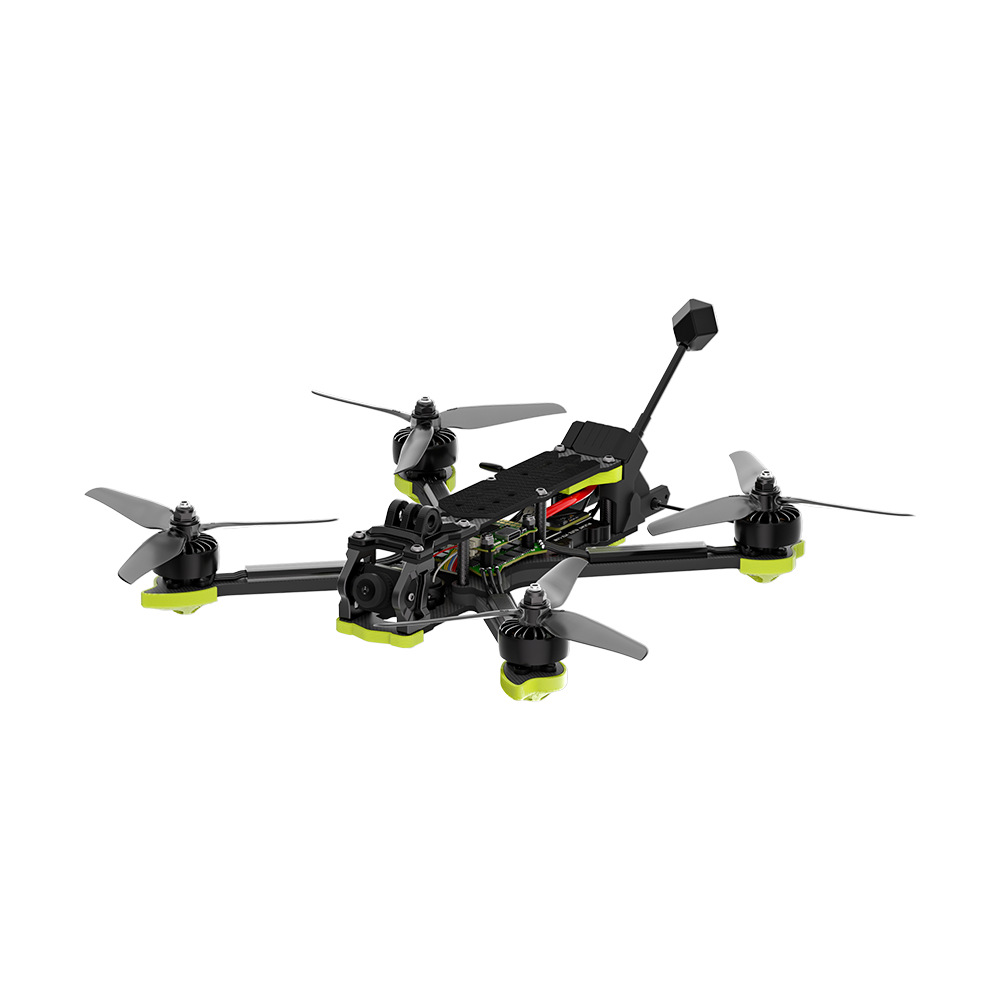
Research and experimental drones are advanced unmanned aerial systems designed for scientific studies, data collection, and experimental applications. They provide flexible platforms for universities, laboratories, and research institutions to conduct experiments safely and efficiently.
Introduction
Drones have transformed modern research, providing tools that enable precise data collection, experimentation, and observation in a wide range of scientific fields. Research and experimental drones are specifically designed to meet the rigorous requirements of scientific studies. Unlike consumer drones, these UAVs are modular, programmable, and equipped with multiple sensors to support detailed experimentation.
From environmental monitoring to engineering experiments, research drones allow scientists to perform tasks that were previously challenging or impossible. They combine stability, adaptability, and data-driven capabilities to advance research across disciplines.
This article explores research and experimental drones, their key features, applications, advantages, and practical considerations for research institutions.
What Is a Research and Experimental Drone?
A research and experimental drone is an unmanned aerial vehicle tailored for laboratory and field studies. Its design focuses on flexibility, safety, and data collection efficiency. These drones are widely used in:
- University and institutional research
- Environmental and ecological studies
- Engineering and robotics experiments
- Agricultural trials and monitoring
- Disaster assessment and safety testing
The primary goal of these drones is to facilitate scientific experimentation, enabling researchers to explore complex phenomena in real-world or controlled environments.
Key Features of Research and Experimental Drones
1. Modular Design
Research drones feature a modular structure, allowing easy integration of various sensors, cameras, and experimental payloads. This enables researchers to customize drones according to specific experimental needs.
2. High-Precision Flight Control
Advanced flight systems ensure stability and accuracy, which are critical for experimental data collection. Features often include:
- GPS-based navigation
- Autonomous waypoint missions
- Obstacle avoidance
- Stabilized camera and sensor mounts
3. Multi-Sensor Integration
Research drones can integrate multiple types of sensors simultaneously, such as:
- High-resolution RGB cameras for imaging
- Thermal and infrared sensors for heat analysis
- LiDAR for 3D mapping
- Environmental sensors for temperature, humidity, or air quality measurements
4. Programmable Operation
These drones allow programmable flight and data collection protocols, supporting:
- Python, C++, or SDK-based control
- Automated mission execution
- Real-time feedback integration
Programming enables repeatable experiments and complex data acquisition routines.
5. Real-Time Data Transmission
Researchers can receive live data during flight, allowing immediate analysis and adjustment of experimental parameters.
6. Simulation and Testing Support
Many research drones support virtual simulation environments to test experimental setups before field deployment, reducing the risk of damage or errors.
Applications of Research and Experimental Drones
Environmental Research
- Monitoring ecosystems and wildlife
- Tracking pollution and climate changes
- Collecting data in remote or hazardous locations
Agricultural Studies
- Crop health monitoring
- Precision agriculture experiments
- Soil and irrigation analysis
Engineering and Robotics
- Testing control algorithms
- Evaluating autonomous flight systems
- Mechanical and aerodynamics research
Disaster Management
- Assessing damage from earthquakes, floods, or fires
- Conducting rescue simulations
- Mapping and data collection in hazardous zones
Scientific Experiments
- Atmospheric studies
- Thermal analysis of structures
- Research on autonomous systems and AI applications
Benefits of Research and Experimental Drones
Accurate and Reliable Data
Stable flight and high-precision sensors ensure reliable data for scientific analysis.
Cost Efficiency
Drones provide a cost-effective alternative to manned aircraft or ground-based data collection.
Safety
They allow researchers to perform experiments in dangerous environments without risking human safety.
Flexibility
Modular systems can adapt to various experimental needs, enabling a wide range of research applications.
Innovation and Development
Research drones support experimentation, innovation, and testing of new concepts in engineering, AI, and environmental science.
How to Choose the Right Research and Experimental Drone
Define Research Objectives
Determine the type of experiments, data collection requirements, and field conditions.
Sensor Requirements
Choose drones that support the necessary sensors for your study.
Flight Accuracy
High-precision navigation is essential for repeatable and reliable experiments.
Data Handling
Ensure the drone supports real-time data transmission and is compatible with analysis tools.
Programmability
Select drones with coding and SDK support for customized experiments.
Budget and Maintenance
Balance initial cost with long-term usage and support for spare parts and maintenance.
Challenges in Using Research and Experimental Drones
Technical Complexity
Advanced drones require skilled operators and researchers familiar with programming and data handling.
Maintenance Needs
Regular maintenance and calibration are essential for accurate experiments.
Environmental Limitations
Weather conditions such as wind, rain, or extreme temperatures can affect drone performance.
Regulatory Compliance
Research drones must follow local aviation laws and safety regulations.
Future Trends in Research and Experimental Drones
The future of research drones is advancing rapidly:
- AI-powered autonomous experimental drones
- Swarm drone systems for collaborative experiments
- Cloud-based data integration and real-time analysis
- Advanced sensor modules for specialized studies
- Integration with augmented and virtual reality for simulation-based research
These trends will enhance the efficiency, accuracy, and capabilities of research drones in scientific studies.
Inquiry Diary: Real Buyer Scenario
Date: March 24
Client Location: Asia
Application: University Research Laboratory
“We are looking to purchase research drones for our university lab. The drones should support multiple sensors, programmable operation, real-time data transmission, and stable flight performance for various experiments. We are interested in bulk purchase and potential long-term collaboration. Please provide detailed specifications and pricing.”
Response Summary:
- Recommended modular research drone system
- Supports RGB, thermal, LiDAR, and environmental sensors
- Programmable via Python and C++
- Real-time data transmission enabled
- High-stability flight system for precise experiments
- Delivery time: 10–18 days
- OEM/ODM customization available
Follow-up Result:
The client requested a sample batch for pilot testing and plans to expand procurement after successful trials.
Why Research and Experimental Drones Are Important
Research and experimental drones are essential tools for advancing scientific knowledge. They allow:
- Precise data collection in challenging environments
- Safe experimentation without risking human safety
- Flexible adaptation for multiple research disciplines
- Development and testing of new technology and AI applications
Institutions that adopt research drones gain a significant advantage in research efficiency, data accuracy, and technological innovation.
FAQ
Q1: Can research drones be used by beginners?
Yes, but advanced features may require trained operators.
Q2: What sensors can be integrated with research drones?
Common sensors include RGB cameras, thermal sensors, LiDAR, and environmental modules.
Q3: Are research drones suitable for outdoor experiments?
Yes, but performance depends on weather and environmental conditions.
Q4: Do these drones support programmable operations?
Yes, most research drones support coding in Python, C++, and SDK-based environments.
Q5: How long do research drones fly per mission?
Flight time varies, typically ranging from 15 to 45 minutes depending on payload and battery configuration.
Conclusion
Research and experimental drones are transforming scientific studies by providing versatile, safe, and precise platforms for data collection and experimentation. With their modular design, programmable features, and sensor integration, these drones empower researchers to explore, innovate, and advance knowledge across multiple fields.
For universities, research labs, and scientific institutions, investing in research and experimental drones ensures more accurate results, efficient operations, and enhanced innovation capabilities.







No comments yet