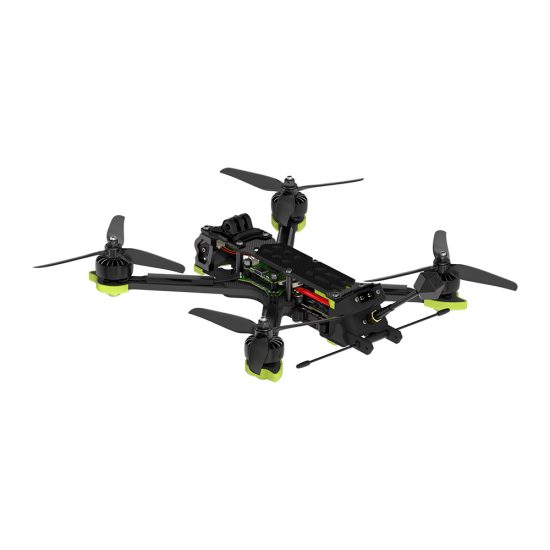



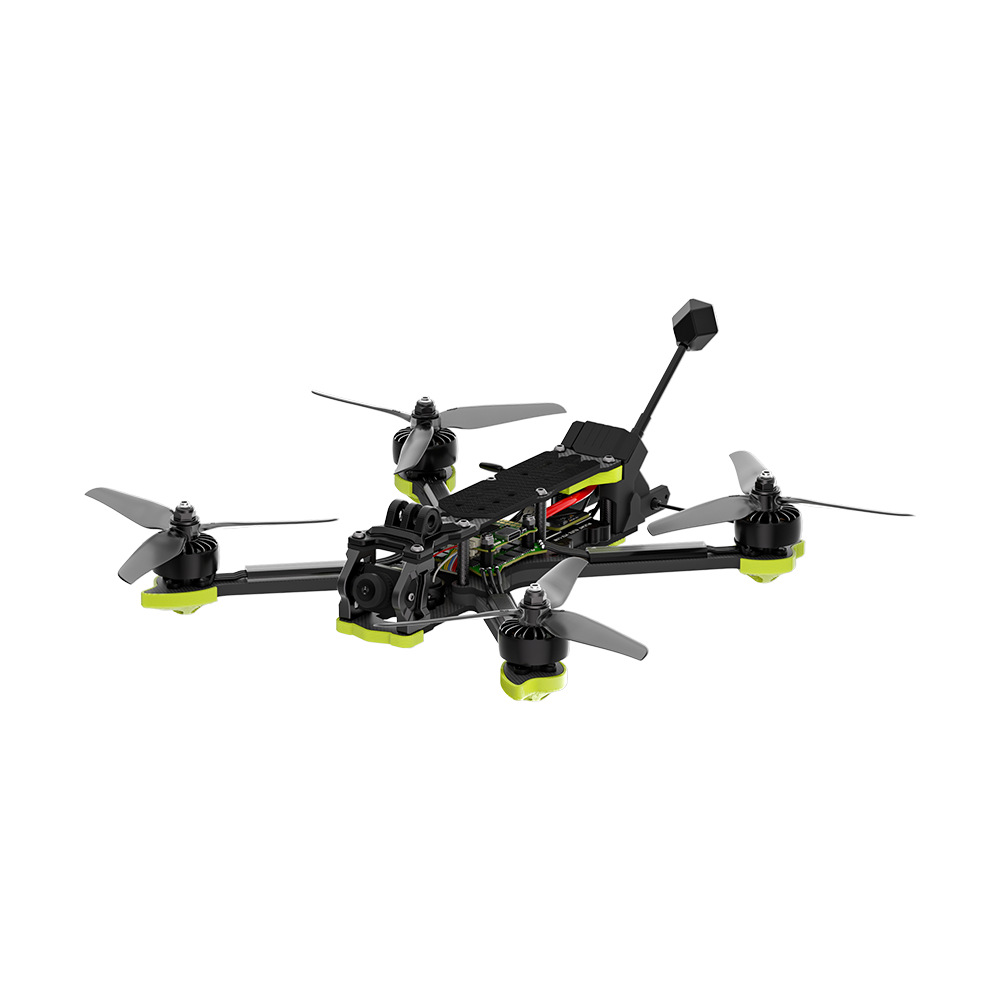


Quick Overview
Programming drones are advanced UAV platforms designed for coding, automation, and intelligent control. They allow users to write software that directly controls flight behavior, making them powerful tools for education, research, and technological innovation.
Introduction
As technology continues to evolve, programming skills are becoming essential across industries. Combining coding with real-world applications is one of the most effective ways to learn—and programming drones offer exactly that opportunity.
A programming drone is more than just a flying device. It is a dynamic platform where software meets hardware, enabling users to develop, test, and deploy code in real-time environments. From students learning their first lines of code to researchers developing autonomous systems, programming drones are transforming how people interact with technology.
This article provides a comprehensive guide to programming drones, including their features, applications, benefits, and how to choose the right system.
What Is a Programming Drone?
A programming drone is an unmanned aerial vehicle that can be controlled through custom-written code rather than only manual remote control. These drones are designed to support software development, automation, and artificial intelligence applications.
They are widely used in:
- STEM education programs
- Universities and research institutions
- Robotics and AI development labs
- Training centers for drone technology
- Innovation and prototyping projects
Programming drones allow users to create customized flight paths, automate tasks, and integrate intelligent systems.
Key Features of Programming Drones
1. Open Software Development Platform
Programming drones support multiple coding environments, including:
- Python for beginners and rapid development
- C++ for advanced control and performance
- JavaScript or SDK-based interfaces
This flexibility allows users to develop a wide range of applications.
2. API and SDK Support
Application Programming Interfaces (APIs) and Software Development Kits (SDKs) provide direct access to drone functions such as:
- Flight control
- Camera operation
- Sensor data retrieval
- Navigation systems
These tools make it easier to build custom applications.
3. Autonomous Flight Capability
Programming drones can execute automated missions, including:
- Waypoint navigation
- Object tracking
- Area scanning
- Scheduled patrols
This reduces manual intervention and improves efficiency.
4. Sensor Integration
These drones can integrate multiple sensors, such as:
- Cameras for vision-based programming
- GPS modules for navigation
- LiDAR for mapping
- Environmental sensors for data collection
5. Real-Time Data Feedback
Programming drones provide instant feedback, allowing users to monitor performance and adjust code in real time.
6. Simulation Support
Simulation environments allow developers to test code before deploying it on actual hardware, reducing risks and improving efficiency.
Applications of Programming Drones
Coding Education
Programming drones are widely used to teach coding concepts through interactive learning.
Robotics Development
They serve as platforms for building and testing robotic systems.
Artificial Intelligence
Developers use drones to train and deploy AI models for object detection, tracking, and decision-making.
Autonomous Systems Research
Programming drones are used to study autonomous navigation and intelligent control systems.
Industrial Prototyping
Companies use drones to test new technologies and automation processes.
Benefits of Programming Drones
Hands-On Learning
Users gain practical experience by applying coding skills in real-world scenarios.
Increased Engagement
Interactive drone programming makes learning more exciting and effective.
Skill Development
Users develop valuable skills in coding, problem-solving, and system design.
Innovation Opportunities
Programming drones encourage experimentation and creativity.
Real-World Applications
Skills learned can be applied in industries such as logistics, agriculture, and surveillance.
How to Choose the Right Programming Drone
Programming Compatibility
Ensure the drone supports the programming languages and tools you need.
API Accessibility
Choose a drone with a well-documented API and SDK.
Hardware Expandability
Look for systems that allow sensor integration and upgrades.
Flight Stability
Stable flight performance is essential for accurate testing and development.
Simulation Support
Simulation capability is important for safe and efficient development.
Budget Considerations
Balance cost with features and long-term usability.
Challenges in Programming Drones
Technical Complexity
Programming drones requires knowledge of coding and system integration.
Debugging Difficulties
Identifying and fixing errors in real-world environments can be challenging.
Hardware Limitations
Processing power and battery life may limit advanced applications.
Regulatory Compliance
Drone operations must follow local laws and safety guidelines.
Future Trends in Programming Drones
The future of programming drones is driven by innovation:
- AI-powered autonomous drones
- Cloud-based development platforms
- Swarm drone programming
- Edge computing for real-time processing
- Integration with IoT systems
These advancements will expand the capabilities of programming drones and open new possibilities.
Inquiry Diary: Real Buyer Scenario
Date: March 22
Client Location: Europe
Application: Drone Programming Lab Setup
“We are setting up a drone programming lab and need a reliable platform that supports Python and C++ development. The drone should provide API access, stable flight performance, and compatibility with simulation tools. We are also interested in bulk purchasing and long-term cooperation. Please provide detailed specifications and pricing.”
Response Summary:
- Recommended programming drone platform with open SDK
- Supports Python and C++ development
- API access for full flight and sensor control
- Simulation environment included
- Stable flight system for testing and development
- Delivery time: 8–15 days
- OEM/ODM customization available
Follow-up Result:
The client confirmed a sample order and is planning a large-scale deployment for training and research purposes.
Why Programming Drones Are Important
Programming drones represent the intersection of software and hardware, making them essential tools for modern education and innovation. They enable users to:
- Learn coding through real-world applications
- Develop autonomous systems
- Explore artificial intelligence
- Build practical engineering skills
Organizations that adopt programming drones gain a competitive advantage in technology development and education.
FAQ
Q1: Do I need coding experience to use a programming drone?
No, beginners can start with basic programming tools and gradually learn advanced concepts.
Q2: What programming languages are supported?
Most programming drones support Python, C++, and SDK-based interfaces.
Q3: Can programming drones be used for AI development?
Yes, they are widely used for AI and machine learning applications.
Q4: Are programming drones suitable for beginners?
Yes, many models are designed for both beginners and advanced users.
Q5: Can I test code without flying the drone?
Yes, simulation environments allow safe testing before real-world deployment.
Conclusion
Programming drones are revolutionizing how people learn coding and develop technology. By combining software development with real-world applications, they provide a powerful platform for education, research, and innovation.
As industries increasingly rely on automation and intelligent systems, programming drones will play a crucial role in shaping the future of technology.
If you are looking to build advanced coding skills, develop autonomous systems, or establish a modern training program, investing in a high-quality programming drone is a smart and future-ready decision.


No comments yet