



🟦 Introduction
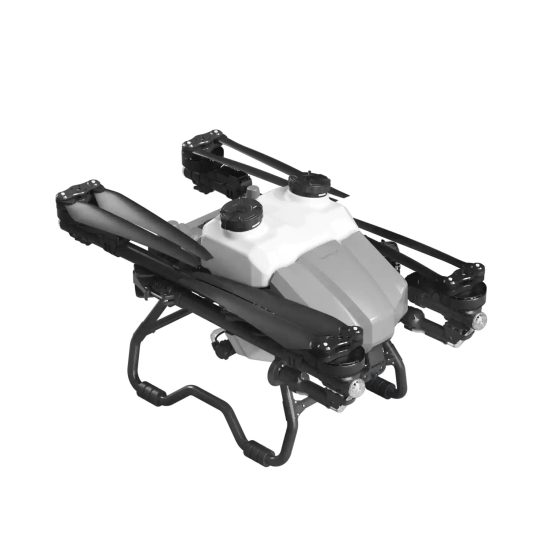
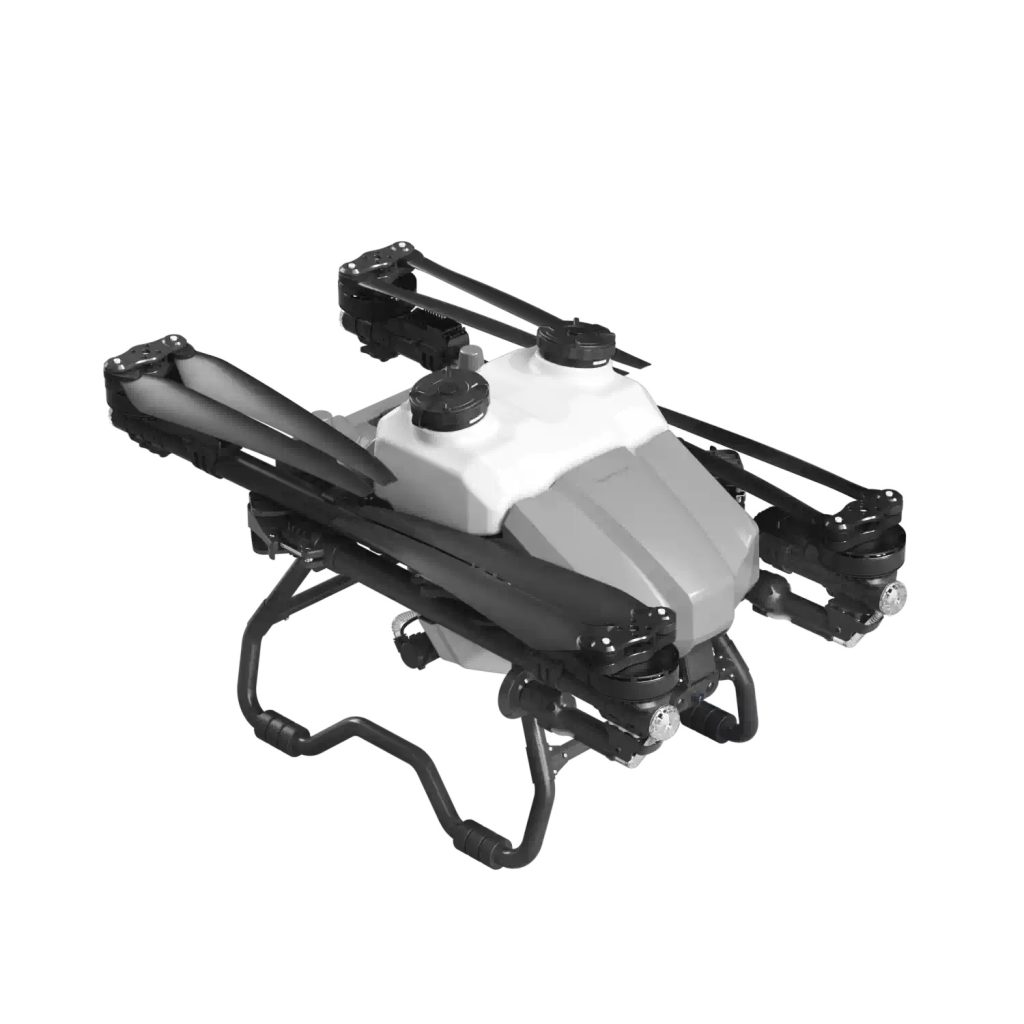
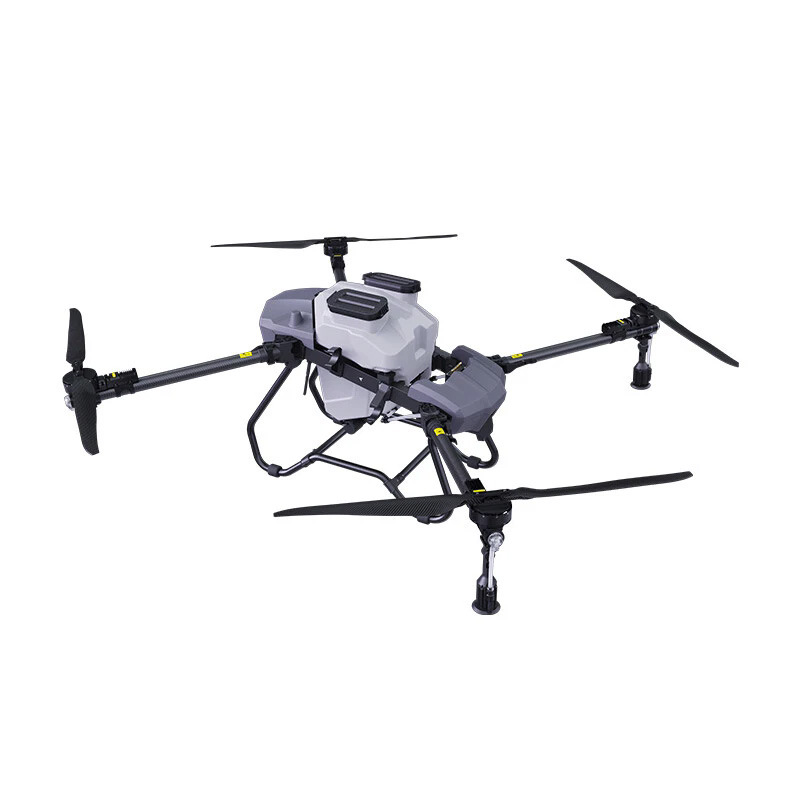
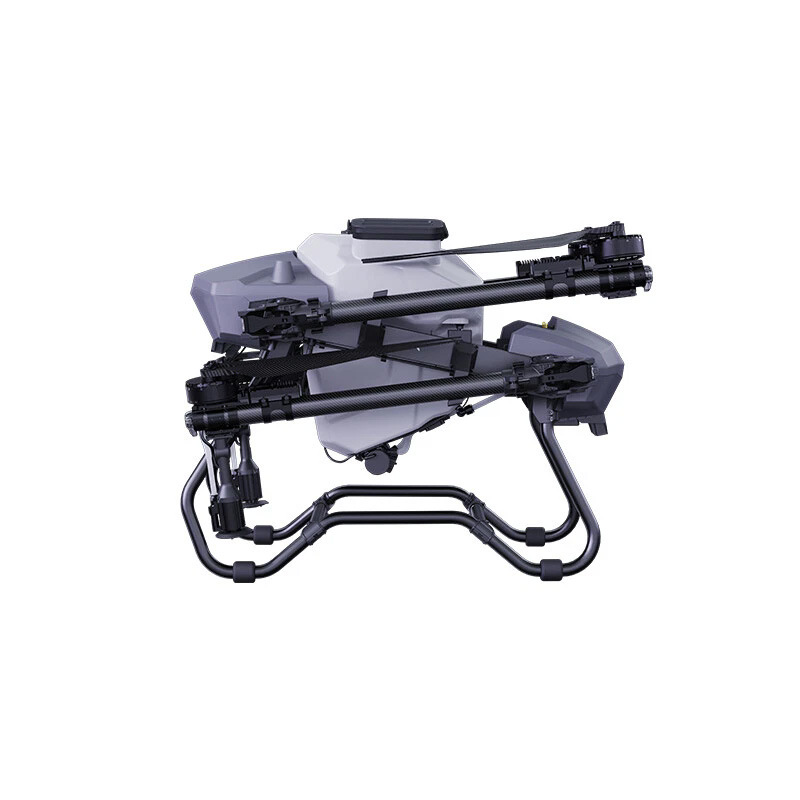
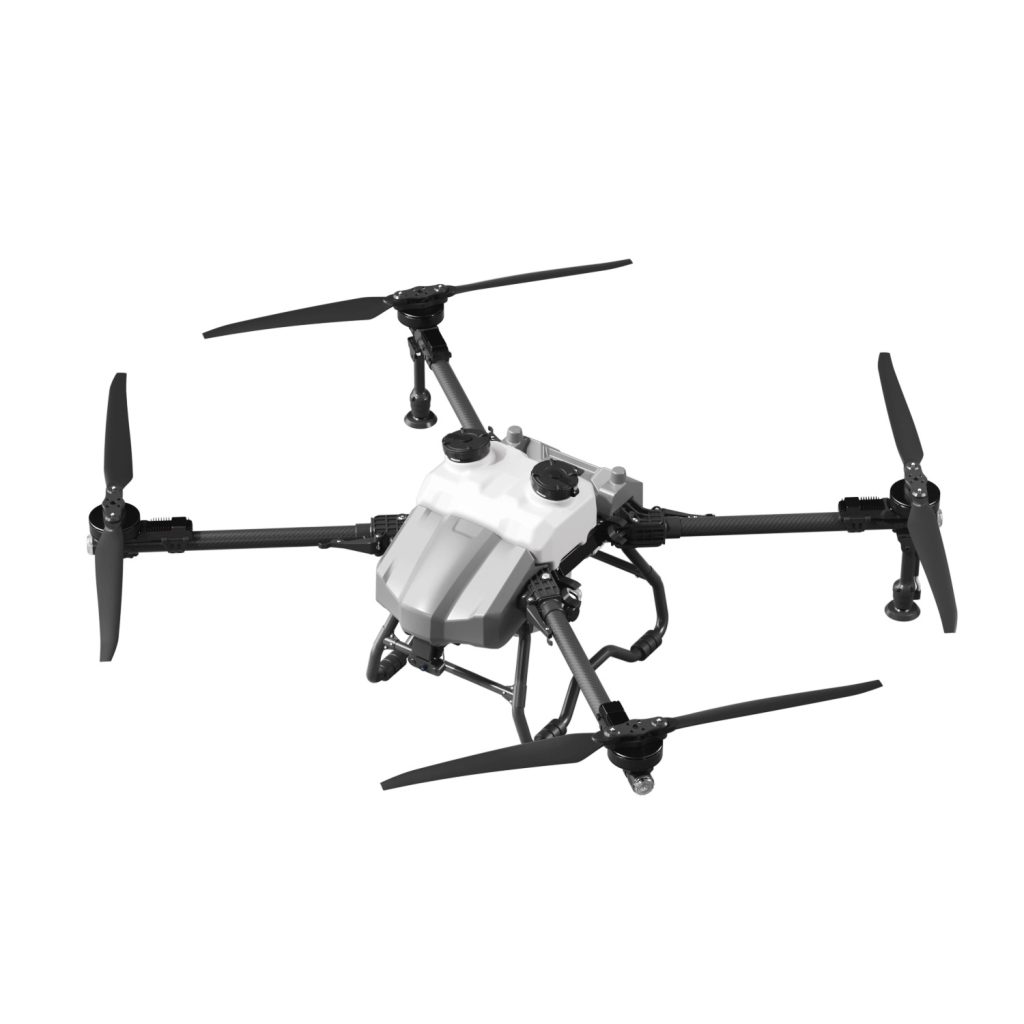
Are you looking for a professional solution to protect your crops effectively and efficiently? Professional plant protection drones are designed to help farmers apply pesticides, herbicides, and fertilizers with precision, while reducing labor costs and chemical waste. These drones are transforming modern agriculture by providing automated, high-performance spraying systems that enhance crop health and boost farm productivity.
Whether you manage a small family farm or a large-scale agricultural operation, professional plant protection drones can help you achieve consistent results, save time, and improve yields. In this article, we will explore the advantages, features, and operational tips for these drones, showing why they are a smart investment for modern farmers.
The Rise of Professional Plant Protection Drones
Traditional farming methods for spraying chemicals are often inefficient and labor-intensive. Workers must carry heavy tanks, manually spray crops, and navigate uneven or difficult terrain. This can lead to inconsistent application, wasted chemicals, and significant labor costs.
Professional plant protection drones eliminate these challenges. They combine precise flight control, automated spraying, and advanced monitoring technology to ensure crops receive exactly what they need. By using drones, farmers can increase operational efficiency, reduce chemical usage, and respond quickly to pest or disease outbreaks.
Key Benefits of Professional Plant Protection Drones
1. Precision Spraying for Maximum Efficiency
Professional drones are equipped with GPS-guided spraying systems that deliver chemicals with exact precision. Each plant receives the correct dosage, minimizing waste and preventing over-application. The precision also reduces environmental impact, protecting soil, water, and surrounding vegetation.
2. Significant Time Savings
Spraying large fields manually can take days. Professional drones can cover the same area in just hours. Automated flight paths allow drones to work continuously, completing spraying operations quickly without constant supervision. This helps farmers focus on other important tasks.
3. Reduced Labor Costs
By using drones, farms can decrease reliance on manual labor teams. One drone can replace multiple workers, reducing labor expenses while improving consistency in spraying operations. The result is cost savings and safer working conditions for staff.
4. Environmental and Safety Advantages
Battery-powered drones reduce carbon emissions compared to gas-powered machinery. Their precision spraying systems minimize chemical runoff, protecting the environment. Additionally, workers are not directly exposed to pesticides, enhancing safety on the farm.
5. Multi-Functional Capabilities
Beyond spraying, professional plant protection drones can perform crop monitoring, aerial mapping, seed sowing, and data collection. This multi-functionality makes drones a valuable investment, capable of handling multiple agricultural tasks efficiently.
Features to Look for in Professional Plant Protection Drones
When selecting a drone, consider these essential features:
- Payload Capacity: Choose drones with sufficient tank size (10–30 liters) to reduce refilling trips.
- Spray Width & Flow Rate: Wider spray coverage and adjustable flow rates increase efficiency.
- Battery Life and Swappable Batteries: Longer flight times and battery swapping allow uninterrupted operations.
- Intelligent Flight Control: GPS-guided routes, auto-height adjustment, and obstacle avoidance improve precision and safety.
- Weather Resistance: Ensure drones can operate in moderate wind and light rain for flexible scheduling.
- Monitoring Systems: Onboard cameras and sensors allow real-time monitoring and post-operation analysis.
How Professional Drones Improve Crop Management
1. Uniform Crop Treatment
Precision spraying ensures each plant receives the correct chemical dosage, preventing over- or under-treatment.
2. Early Detection of Pests and Diseases
Equipped with cameras and sensors, drones can detect signs of pest infestations or disease before they spread, allowing timely intervention.
3. Reduced Human Error
Automation ensures consistent coverage and eliminates mistakes common in manual spraying, such as missed areas or excessive chemical use.
4. Enhanced Productivity and Cost Efficiency
By reducing labor and chemical use, professional drones increase overall farm productivity while lowering operational costs.
Step-by-Step Workflow for Using Professional Drones
- Field Mapping: Use GPS and drone software to create accurate maps of your fields and plan optimal spraying routes.
- Chemical Preparation: Load the pesticide or fertilizer into the drone tank, following safety guidelines.
- Flight Programming: Set automated flight paths to cover the entire field efficiently.
- Real-Time Monitoring: Track the drone’s progress and spraying performance using onboard sensors or mobile apps.
- Post-Operation Analysis: Review data collected by the drone to assess coverage, chemical usage, and crop health, improving future operations.
Safety and Maintenance Guidelines
- Pre-Flight Check: Inspect propellers, nozzles, and battery levels before each flight.
- Protective Measures: Wear gloves, masks, and safety gear when handling chemicals.
- Battery Management: Follow correct charging and storage practices to extend battery life.
- Software Updates: Keep the drone’s firmware and flight software updated to ensure peak performance.
- Weather Precautions: Avoid flying during storms, high winds, or other unsafe conditions.
FAQ (Frequently Asked Questions)
Q1: How much land can a professional drone spray in one day?
A: Depending on the drone and field conditions, coverage can range from 50 to 200 acres per day.
Q2: Are professional drones difficult for beginners?
A: Modern drones are user-friendly and come with automated flight modes and intuitive apps. Minimal training is required.
Q3: Can drones spray all types of pesticides?
A: Most drones are compatible with liquid pesticides, herbicides, and fertilizers. Always follow safety and local agricultural regulations.
Q4: Do drones work in different weather conditions?
A: High-quality drones can operate safely in moderate wind and light rain. Avoid heavy storms for safety.
Q5: How often is maintenance needed?
A: Regular maintenance includes cleaning nozzles, inspecting propellers, checking battery health, and updating software. Routine care ensures consistent performance.
Icons/Visual Suggestions
- 🌾 Precision spraying
- 🛰️ GPS-guided navigation
- 🔋 Long battery life and swappable batteries
- 📷 Crop monitoring and sensors
- 👨🌾 Labor reduction and efficiency
Call to Action (CTA)
Upgrade your farm operations with professional plant protection drones. Contact us today for detailed information and personalized recommendations.
✅ Fill out our inquiry form or contact us via email/WhatsApp. Our team will guide you to select the best drone based on your farm size, crop type, and spraying needs.
Sample User Review:
“Using professional drones has transformed our farm operations. Spraying is faster, safer, and more precise than manual methods. It’s an essential tool for modern agriculture!” – Liam, Farm Owner 🇦🇺
Order Reference: #MSOEN-PPD-2026








No comments yet