




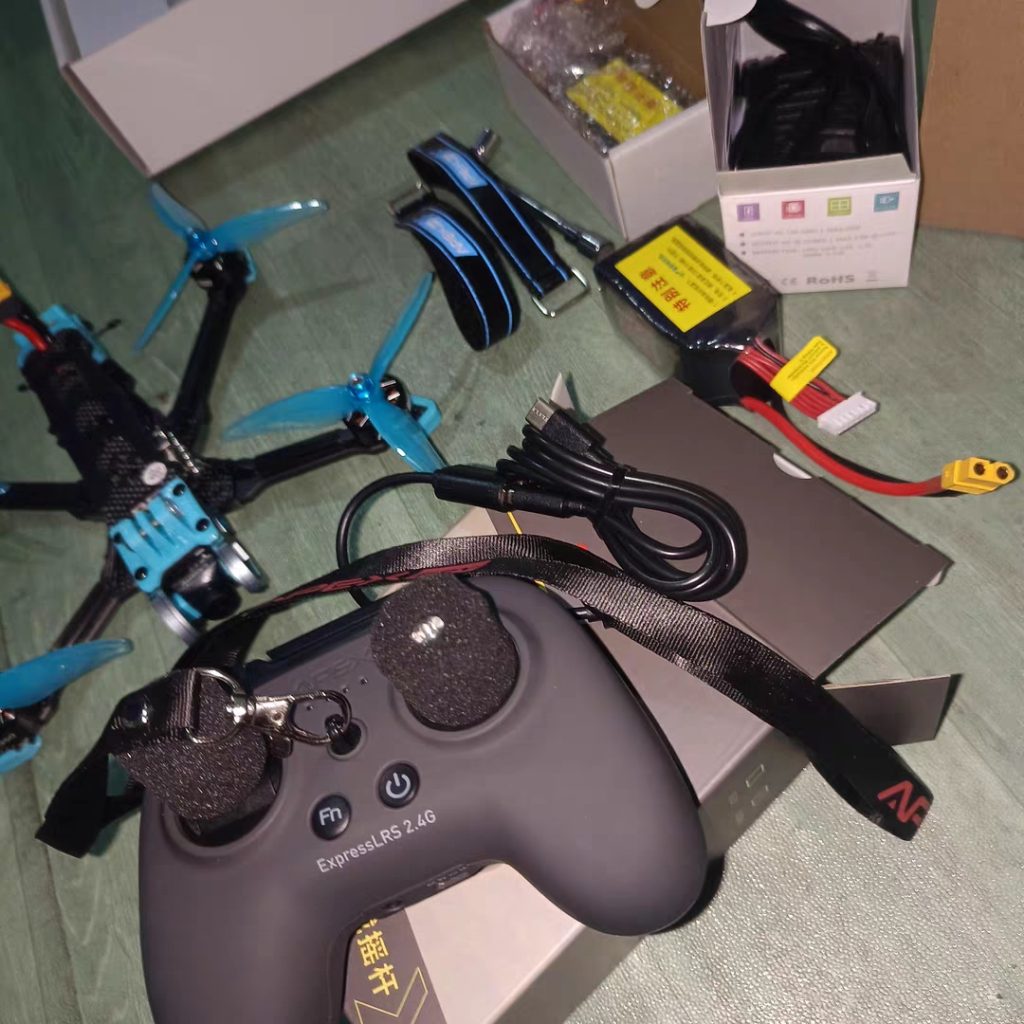

In recent years, FPV (First Person View) drone technology has expanded far beyond recreational flying. Many industries are now using professional FPV drones for inspection, monitoring, and operational tasks that require precision and efficiency. With real-time video transmission and agile flight capabilities, FPV drones provide operators with a unique perspective that significantly improves inspection accuracy.
Professional FPV drones are increasingly used in infrastructure inspection, construction monitoring, energy facility surveys, and industrial safety assessments. Their ability to access difficult or dangerous locations allows companies to reduce risks while improving operational efficiency.
This article explores how professional FPV drones are transforming industrial inspection and why they are becoming essential tools in modern industrial operations.
What Is a Professional FPV Drone?
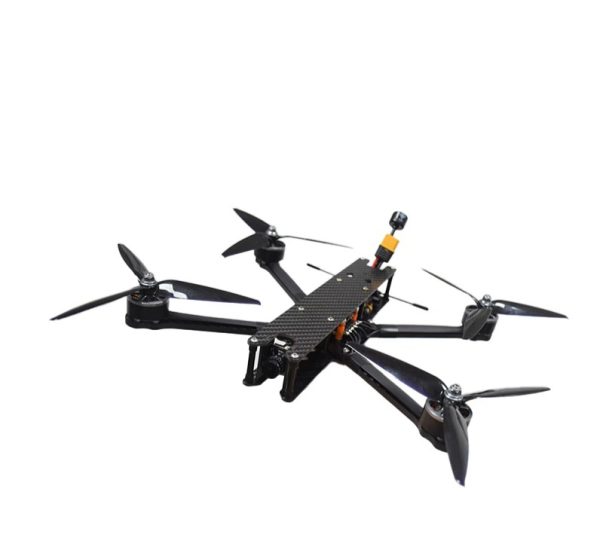
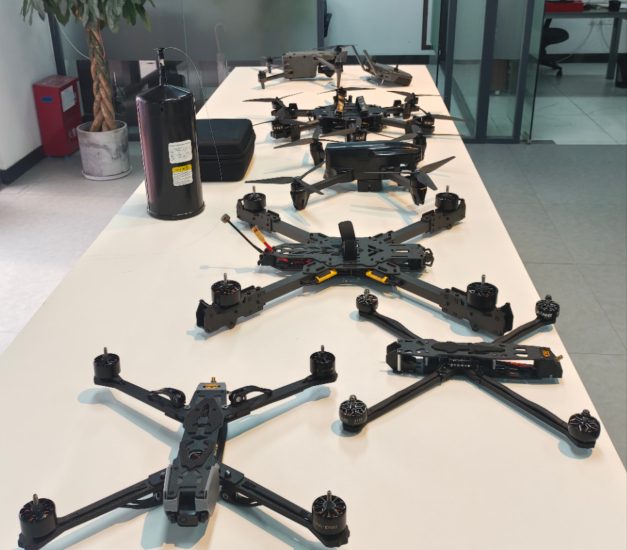
A professional FPV drone is a high-performance unmanned aerial vehicle designed for demanding operational environments. Unlike entry-level recreational drones, professional models are equipped with advanced systems that provide reliability, stability, and high-quality imaging.
Typical features include:
- High-definition FPV camera systems
- Powerful brushless motors
- Long-distance video transmission
- Durable industrial-grade frame
- Stable flight control systems
These features allow operators to perform detailed inspections in locations that may be difficult or dangerous to access manually.
Advantages of FPV Drones in Industrial Inspection
Real-Time Visual Feedback
One of the most important advantages of FPV drones is the real-time video feed. Operators can see exactly what the drone sees, allowing them to inspect structures with high accuracy.
This capability is particularly useful for:
- Examining structural damage
- Identifying cracks or corrosion
- Monitoring mechanical equipment
Real-time feedback ensures that inspectors can make immediate decisions during the operation.
Access to Difficult Locations
Many industrial structures are difficult to inspect using traditional methods. Examples include:
- High towers
- Bridges
- Wind turbines
- Industrial pipelines
- Power transmission lines
FPV drones can easily reach these locations, reducing the need for scaffolding, cranes, or manual climbing.
Improved Safety
Industrial inspections often involve dangerous working conditions. Workers may need to climb tall structures or operate in hazardous environments.
Using FPV drones reduces these risks by allowing inspections to be performed remotely. Operators remain on the ground while the drone conducts the inspection, improving safety for personnel.
Cost Efficiency
Traditional inspection methods can be expensive due to equipment rental, labor costs, and safety requirements. FPV drones significantly reduce operational costs by streamlining the inspection process.
Companies benefit from:
- Reduced labor requirements
- Faster inspection times
- Lower equipment costs
- Less operational downtime
These advantages make drone inspection a highly cost-effective solution.
Key Features for Industrial FPV Drones
High-Resolution Camera Systems
Industrial inspections require clear and detailed visual data. Professional FPV drones often use high-definition or ultra-high-definition cameras capable of capturing detailed images and videos.
These cameras help operators detect small structural defects that might otherwise go unnoticed.
Stable Flight Control Systems
Industrial environments can present challenging flying conditions, including wind, confined spaces, and obstacles. A stable flight control system ensures the drone maintains precise positioning during inspection.
Advanced stabilization allows operators to perform slow and controlled flights around critical structures.
Long-Range Transmission
Industrial inspection often requires covering large areas such as power lines or construction sites. Long-range video transmission systems ensure that operators maintain a clear connection with the drone even at extended distances.
Reliable communication between the drone and pilot is essential for safe and effective inspections.
Durable Frame Construction
Professional FPV drones must withstand demanding environments. Industrial-grade materials such as carbon fiber provide strength while maintaining lightweight performance.
Durable frames help protect sensitive electronics and ensure long-term reliability.
Common Industrial Applications
Professional FPV drones are widely used across multiple industries.
Infrastructure Inspection
Engineers use drones to inspect bridges, buildings, and roads. Drones allow inspectors to examine structural components without interrupting traffic or requiring large equipment.
Power Line Monitoring
Electric utilities use FPV drones to inspect transmission lines and power towers. These inspections help detect damage or wear that could lead to outages.
Wind Turbine Inspection
Wind turbines require regular inspection to maintain efficiency and safety. FPV drones can quickly examine turbine blades and tower structures without shutting down operations for long periods.
Construction Site Monitoring
Construction companies use drones to track project progress and inspect hard-to-reach areas of buildings under construction.
Real-time aerial views help project managers identify issues early and maintain efficient workflows.
Industrial Facility Inspection
Factories and industrial plants often contain complex equipment and large structures. FPV drones allow maintenance teams to inspect machinery, roofs, pipelines, and storage facilities safely.
Benefits for Businesses
Companies adopting FPV drone technology gain several strategic advantages.
Higher efficiency – Inspections can be completed faster than traditional methods.
Improved safety – Reduced exposure to hazardous environments.
Lower operational costs – Fewer personnel and equipment required.
Better data collection – High-quality visual documentation supports maintenance planning.
These benefits make FPV drones valuable assets for modern industrial operations.
Best Practices for Industrial Drone Operations
To ensure safe and effective inspections, operators should follow several best practices.
Pre-Flight Planning
Carefully plan the flight path and inspection points before launching the drone. This ensures efficient data collection and reduces unnecessary flight time.
Equipment Inspection
Check all drone components including motors, propellers, and batteries before each flight.
Proper equipment maintenance prevents technical failures during critical operations.
Environmental Awareness
Operators should evaluate environmental conditions such as wind, obstacles, and electromagnetic interference before starting inspections.
Compliance with Regulations
Drone operations must comply with local aviation regulations and safety standards.
Professional operators should always follow legal requirements when conducting industrial drone flights.
The Future of Industrial FPV Drones
The use of FPV drones in industrial sectors is expected to continue growing. Future advancements may include:
- Artificial intelligence for automated inspections
- Advanced sensors for structural analysis
- Longer battery endurance
- Improved digital video systems
These innovations will further expand the capabilities of drone-based inspections.
Conclusion
Professional FPV drones are transforming the way industries conduct inspections and monitoring tasks. Their ability to access difficult locations, provide real-time video feedback, and improve operational safety makes them powerful tools for modern businesses.
From infrastructure inspection to energy facility monitoring, FPV drones offer efficient and cost-effective solutions that improve both productivity and safety.
As drone technology continues to evolve, professional FPV systems will play an increasingly important role in industrial operations worldwide.
FAQ
Q1: Are FPV drones suitable for industrial inspections?
Yes. Their real-time video transmission and agile flight capabilities make them ideal for inspecting complex structures and equipment.
Q2: Can FPV drones inspect tall structures safely?
Yes. FPV drones can reach high locations such as towers and wind turbines while operators remain safely on the ground.
Q3: Do industrial FPV drones require trained pilots?
Professional training is recommended to ensure safe operation and accurate inspection results.
Q4: Are FPV drones cost-effective for businesses?
Yes. They reduce labor costs, improve efficiency, and minimize operational risks during inspection processes.



No comments yet