




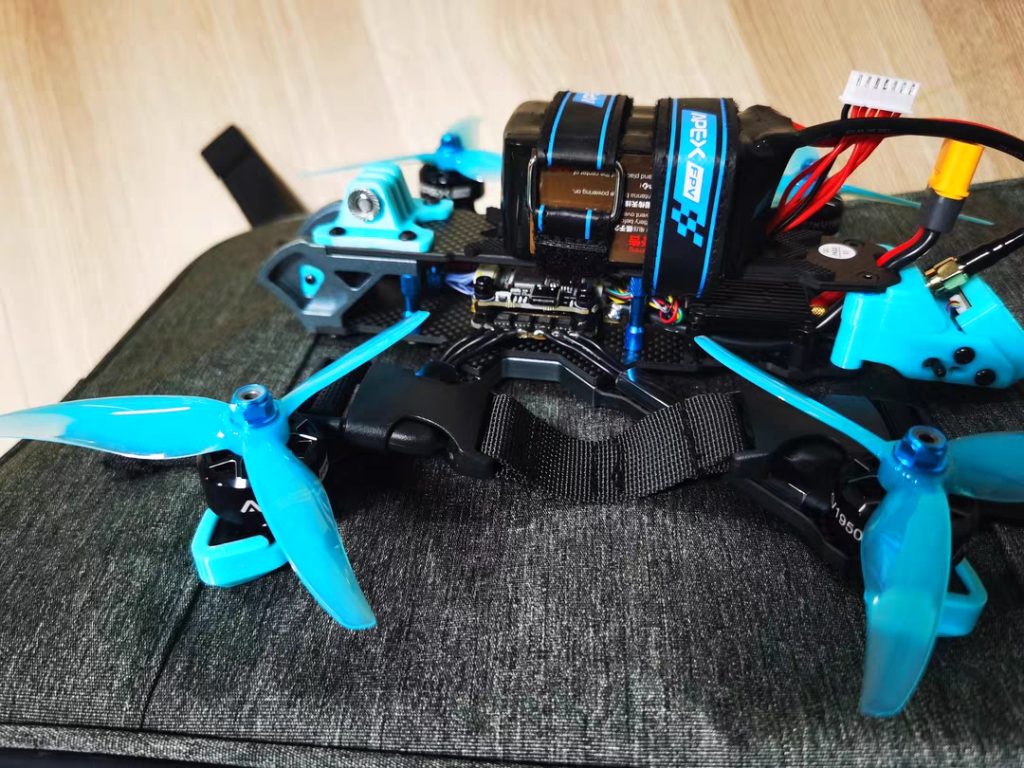
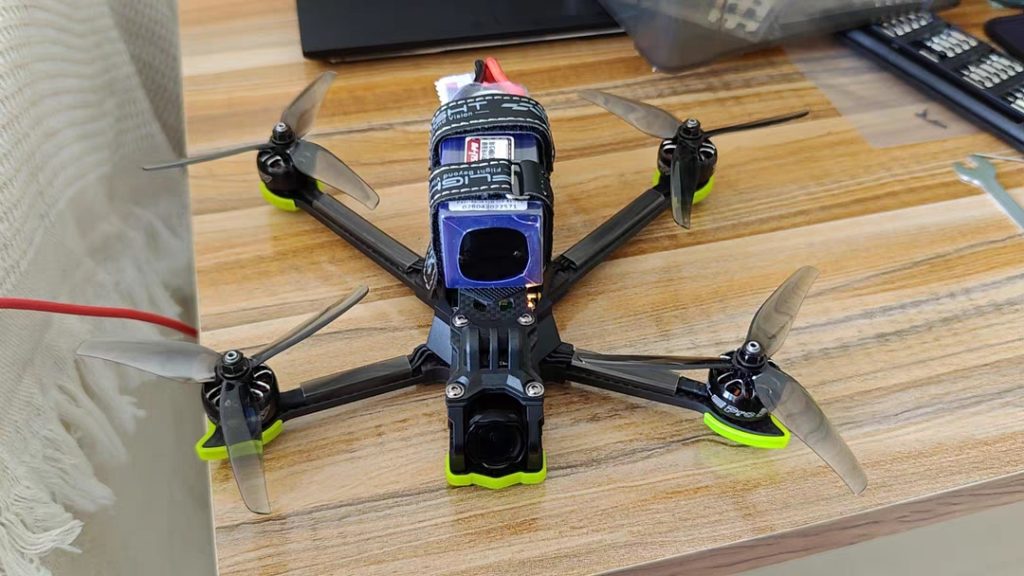
In modern filmmaking, aerial visuals have become a powerful storytelling tool. From sweeping landscapes to fast-paced action shots, FPV drones have transformed how creators capture dynamic footage. Unlike traditional camera drones, FPV drones offer unmatched flexibility, speed, and immersion, making them ideal for cinematic production.
A professional FPV drone is specifically designed to meet the demands of filmmakers who require stability, precision, and high-quality image capture. Whether shooting commercials, movies, or social media content, these drones provide a unique perspective that elevates visual storytelling.
This article explores the features, benefits, and applications of professional FPV drones for aerial cinematography.
What Is a Professional FPV Drone?
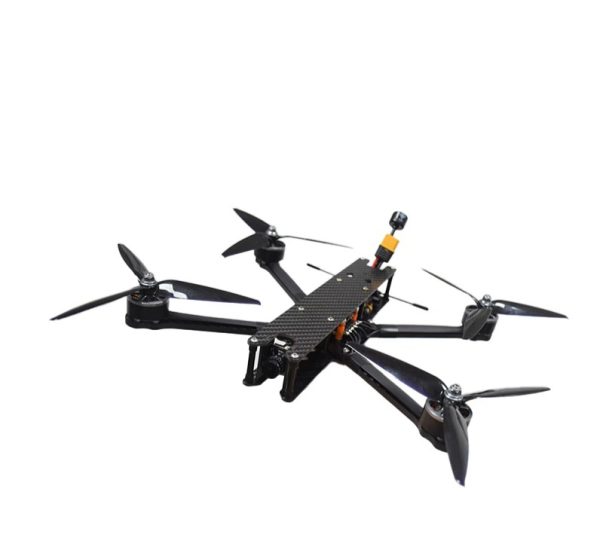
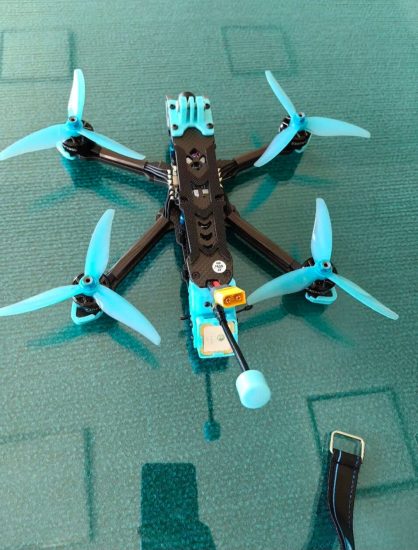
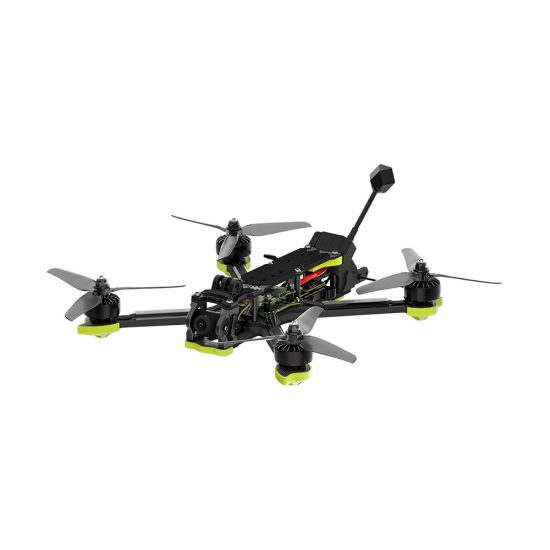
A professional FPV drone is an advanced unmanned aerial system built for high-performance filming and precision control.
Key characteristics include:
- High-definition camera support
- Stable flight control systems
- Smooth and responsive maneuverability
- Durable and reliable frame construction
- Advanced video transmission systems
These drones are optimized to capture cinematic footage in challenging environments.
Why Use FPV Drones for Cinematography?
Immersive Camera Movement
FPV drones allow pilots to fly through tight spaces, follow moving subjects closely, and create immersive shots that traditional drones cannot achieve.
This enables filmmakers to produce:
- Continuous tracking shots
- Indoor-to-outdoor transitions
- High-speed chase sequences
Creative Freedom
Unlike conventional drones, FPV drones offer complete manual control, allowing pilots to execute complex and artistic flight paths.
This opens up new possibilities for storytelling and visual creativity.
Dynamic Angles and Perspectives
FPV drones can capture unique angles, including:
- Low-altitude fly-through shots
- Rapid dives and climbs
- Close proximity tracking
These perspectives enhance the overall cinematic experience.
Key Features of Professional FPV Drones
High-Quality Camera Integration
Professional FPV drones support advanced cameras capable of capturing high-resolution video.
This ensures:
- Clear image quality
- Accurate color reproduction
- Smooth video output
Stabilized Flight Performance
Although FPV drones are highly agile, professional models are equipped with advanced flight controllers that help maintain stability during filming.
Durable Frame Construction
Filming often involves complex environments. A strong and durable frame ensures the drone can handle minor impacts and continue operating reliably.
Advanced Video Transmission
Low-latency, high-definition video transmission allows pilots to see real-time footage clearly, enabling precise control during filming.
Customizable Setup
Professional FPV drones can be customized to suit different filming requirements, including camera mounts, battery configurations, and control systems.
Applications in Filmmaking
Commercial Video Production
FPV drones are widely used in advertising to create eye-catching visuals that capture audience attention.
Film and Television
Production teams use FPV drones to film action scenes, transitions, and cinematic sequences that would be difficult or expensive with traditional equipment.
Real Estate and Architecture
FPV drones can showcase properties with smooth indoor and outdoor fly-through shots, providing a unique viewing experience.
Sports and Action Filming
Capturing fast-moving subjects is one of the strongest advantages of FPV drones. They can follow athletes and vehicles closely, delivering dynamic footage.
Social Media Content Creation
Content creators use FPV drones to produce engaging videos that stand out on platforms like YouTube and Instagram.
Advantages of Professional FPV Drones
Professional FPV drones offer several benefits:
- Unique and immersive camera angles
- High-speed tracking capabilities
- Flexible and creative flight control
- High-quality video capture
- Adaptability for different filming scenarios
These advantages make them essential tools for modern filmmakers.
Tips for Cinematic FPV Flying
Plan Your Shots
Before flying, plan the flight path and camera angles to achieve the desired result.
Practice Smooth Control
Smooth and consistent control inputs result in more stable and professional-looking footage.
Use Proper Camera Settings
Adjust camera settings such as exposure and frame rate based on lighting conditions.
Fly Safely
Always ensure a safe flying environment, especially when filming near people or structures.
Review and Improve
After each flight, review footage and refine techniques to improve future results.
Challenges in FPV Cinematography
Skill Requirement
Flying FPV drones for cinematic purposes requires experience and precise control.
Equipment Setup
Proper configuration and calibration are necessary to achieve optimal performance.
Environmental Factors
Wind, lighting, and obstacles can affect flight stability and video quality.
Future Trends in FPV Filmmaking
The use of FPV drones in filmmaking continues to grow, with advancements in:
- Camera technology
- Digital video transmission
- AI-assisted flight control
- Lightweight materials
These developments will further enhance the capabilities of professional FPV drones.
Conclusion
Professional FPV drones are redefining aerial cinematography by offering unmatched speed, flexibility, and creative freedom. Their ability to capture dynamic and immersive footage makes them an essential tool for filmmakers and content creators.
As technology continues to evolve, FPV drones will play an even greater role in shaping the future of visual storytelling.
FAQ
Q1: Are FPV drones better than traditional drones for filming?
They offer more dynamic and immersive shots but require higher skill levels.
Q2: Can beginners use professional FPV drones?
Beginners can learn, but training and practice are necessary for safe and effective use.
Q3: What type of camera is used on FPV drones?
High-definition cameras designed for aerial filming are commonly used.
Q4: Is FPV filming suitable for commercial projects?
Yes, many industries use FPV drones for professional video production.



No comments yet