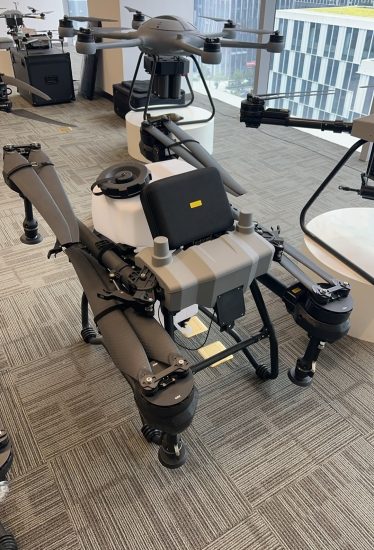



The global shift toward precision agriculture is driven by a single, undeniable imperative: apply the right amount of input, in the right place, at the right time. For modern farming operations, the agricultural drone sprayer has become the primary tool for achieving this goal. When that tool is engineered and certified in Switzerland, it represents a convergence of precision engineering, environmental compliance, and manufacturing excellence that is difficult to match anywhere else in the world.
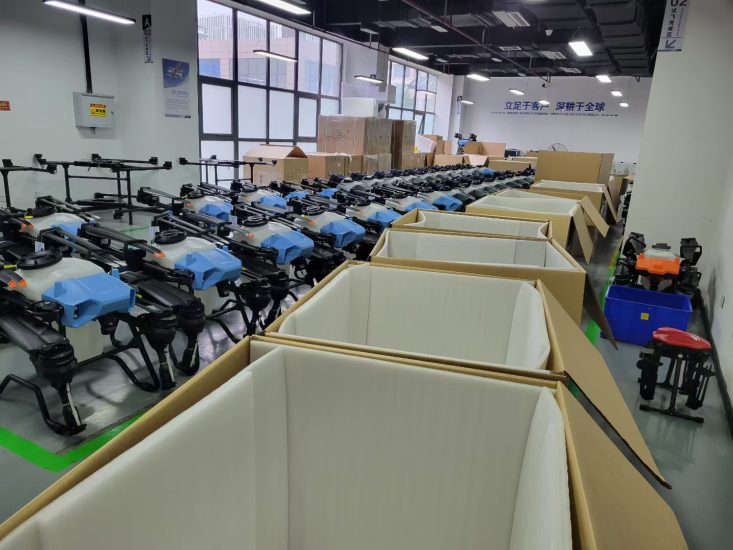
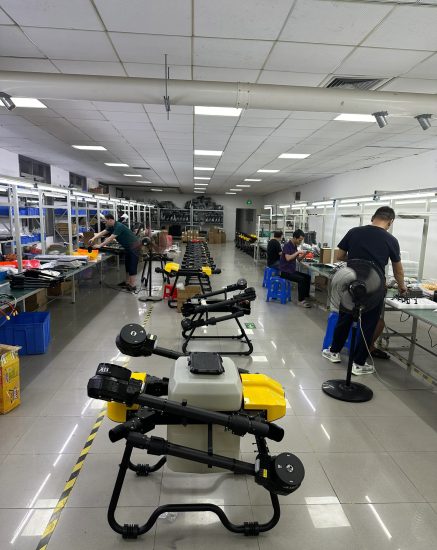
Sourcing a precision agriculture drone sprayer from Switzerland means partnering with a Swiss certified manufacturer whose entire production ecosystem—from component sourcing and flight controller programming to final calibration and quality assurance—is governed by some of the world’s most rigorous standards. This article provides a comprehensive overview of what defines a Swiss-certified precision spraying UAV, the technologies that power it, and the procurement advantages it offers to global distributors and commercial growers.
What “Swiss Certified Manufacturer” Really Means
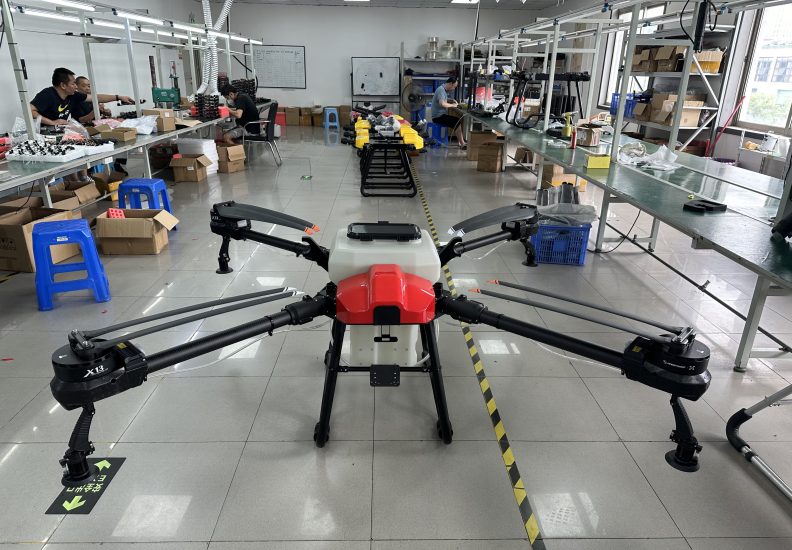
In the context of agricultural UAV production, “Swiss certified” is not a casual marketing phrase. It reflects a manufacturing operation that has undergone independent audits, maintains documented quality management systems, and adheres to Swiss federal regulations regarding environmental responsibility, worker safety, and product traceability.
Key elements of Swiss certification include:
-
ISO 9001 Quality Management — A certified manufacturer operates under a formalized quality system that covers every stage of production, from incoming component inspection to final flight testing.
-
Component Traceability — Every critical component—flight controllers, motors, ESCs, pumps, and batteries—is tracked through a documented supply chain. If a technical issue arises, the root cause can be traced to a specific batch or supplier.
-
Environmental Compliance — Swiss manufacturing facilities must comply with strict federal environmental regulations. For agricultural drone sprayers, this translates into designs that minimize chemical drift, reduce waste, and operate with clean electric propulsion.
-
Audited Production Processes — Regular third-party audits verify that manufacturing processes match documented procedures. This consistency is what allows a Swiss-certified UAV to perform identically from one unit to the next.
For distributors and large-scale growers, this certification provides a level of procurement confidence that is difficult to obtain from uncertified or loosely regulated sources. It reduces the risk of equipment failure, regulatory rejection, and supply chain disruption.
Core Technologies of a Swiss Precision Agriculture Drone Sprayer
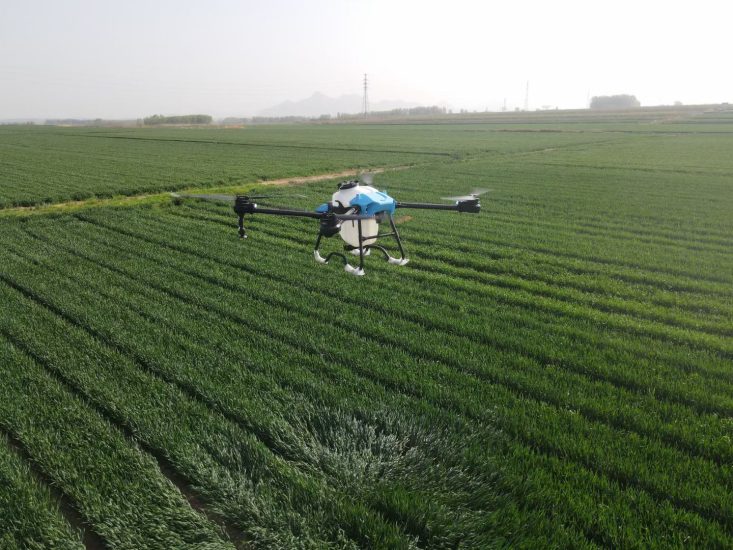
A precision agriculture drone sprayer from a Swiss certified manufacturer integrates several advanced technologies that work together to deliver centimeter-accurate application.
RTK Centimeter-Level Positioning
Real-Time Kinematic (RTK) positioning is the foundation of precision spraying. By using a ground-based reference station or a network of continuously operating reference stations (CORS), the drone corrects GNSS signals in real time, achieving positional accuracy of 1 to 3 centimeters.
This precision enables:
-
Zero-overlap flight paths — Eliminates double-spraying, reducing chemical costs by up to 30%.
-
Terrain-following flight — Maintains a constant distance from the crop canopy, even on slopes or uneven ground.
-
Boundary accuracy — Allows spraying within tight buffer zones near water sources or sensitive areas.
-
Automated landing — Returns to within 10 cm of the takeoff point for rapid battery and liquid exchange.
Variable Rate Application (VRA)
Precision agriculture is defined by the ability to vary input rates based on crop need. A Swiss-certified sprayer supports VRA through:
-
Prescription map integration — Operators upload field maps with variable application zones. The drone automatically adjusts flow rate as it enters each zone.
-
Sensor-based triggering — Some platforms integrate multispectral or RGB sensors that detect crop health in real time, adjusting spray output on the fly.
-
GPS-tagged application logs — Every liter of spray is recorded with its exact GPS coordinates, creating a verifiable application record for regulatory compliance or subsidy reporting.
Centrifugal Atomization and Flow Control
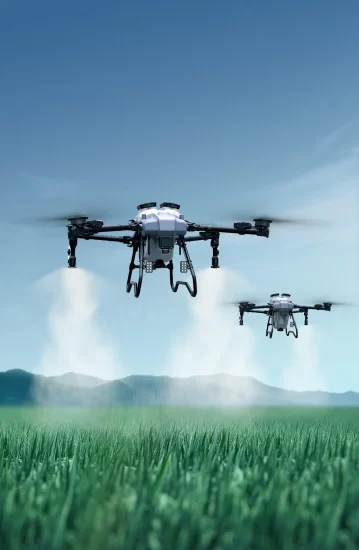
Swiss precision sprayers use high-speed centrifugal nozzles rather than conventional pressure nozzles. A rotating disc generates uniformly sized droplets, with diameter adjustable from 50 to 300 microns depending on:
-
Crop type and canopy density
-
Wind conditions
-
Chemical properties
-
Flight speed
The spray system is controlled by a closed-loop flow control module that communicates directly with the flight controller. As ground speed changes, the flow rate adjusts automatically to maintain a constant application rate in liters per hectare. This eliminates the most common cause of uneven spraying: manual throttle variation.
Electric Propulsion and Low Noise
All Swiss-certified agricultural UAVs use electric propulsion systems. This design choice is driven by both environmental regulation and operational practicality:
-
Zero direct emissions at the application site
-
Significantly lower noise levels than gasoline-powered alternatives
-
Reduced mechanical maintenance (no engines, fuel lines, or exhaust systems)
-
Compatibility with renewable energy charging systems
Engineering for Environmental Sustainability
Switzerland is home to some of the world’s strictest environmental protection laws. A Swiss certified manufacturer designs its sprayers to comply with these regulations as a baseline, which means the resulting product is pre-optimized for markets that are tightening their own environmental standards.
Drift Reduction
Swiss precision sprayers undergo drift assessment aligned with ISO 22866 standards. This involves measuring off-target deposit at multiple distances from the application zone under controlled conditions. The data is used to optimize:
-
Nozzle height and orientation
-
Droplet size distribution
-
Flight speed and altitude
-
Boom geometry
The result is a drone that can operate within the tight buffer zones required by Swiss law—and increasingly, by EU, UK, and North American regulations.
Chemical Handling Safety
Swiss manufacturers prioritize closed-loop chemical handling. Many platforms are designed to be compatible with automated filling stations that eliminate manual mixing. This protects the operator from exposure to concentrated pesticides and reduces the risk of spills or contamination.
Global Regulatory Advantage
One of the most compelling reasons to source from a Swiss certified manufacturer is the completeness of the regulatory documentation. A precision agriculture drone sprayer from Switzerland typically ships with:
Certification |
Purpose |
|---|---|
CE Marking (EMC + RED) |
European market access for electronics and radio equipment |
FCC Part 15B |
North American electromagnetic compliance |
UN38.3 |
Safe global transport of lithium batteries |
MSDS |
Material safety data for battery and chemical system components |
ISO 9001 |
Quality management system verification |
ISO 22866 Drift Reports |
Documented drift measurement for regulatory submission |
Noise Level Certificates |
Compliance with local noise regulations |
For distributors entering new markets, this documentation package can reduce the time required to obtain local type approvals from months to weeks. Customs authorities and aviation regulators recognize Swiss certification as a mark of thorough testing and regulatory readiness.
Procurement Guide for Global Buyers
When evaluating a Swiss certified manufacturer for a precision agriculture drone sprayer, distributors and procurement professionals should follow this assessment framework:
1. Verify Certification Status
Request current copies of:
-
ISO 9001 certificate
-
CE declaration of conformity
-
UN38.3 test reports
-
Drift measurement reports
Confirm that the certificates match the specific product model and are within their validity period.
2. Evaluate Precision Capabilities
-
Confirm RTK is included as standard, not an optional add-on
-
Request a demonstration of VRA using a prescription map
-
Verify that flow control is closed-loop and integrated with the flight controller
-
Ask for sample flight logs showing application rate consistency
3. Assess After-Sales Infrastructure
-
Spare parts lead times and regional stocking options
-
Remote diagnostics capability
-
Training programs for technicians and operators
-
Software update policy and long-term support commitment
4. Review OEM and Customization Options
-
Minimum order quantities for white-label or private-label configurations
-
Customization possibilities for local crop types and regulations
-
Exclusive territory rights and intellectual property protection
Frequently Asked Questions
Q: What is the difference between a “Swiss certified manufacturer” and a company that simply assembles drones in Switzerland?
A: A Swiss certified manufacturer has undergone independent audits to verify that its quality management systems, production processes, and regulatory compliance meet recognized standards (such as ISO 9001). Certification requires documented procedures, traceable components, and regular audits. A company that assembles drones without certification may not have the same level of process control, documentation, or regulatory readiness.
Q: How does RTK positioning improve precision agriculture spraying?
A: RTK (Real-Time Kinematic) positioning corrects GPS signal errors in real time using a ground reference station, achieving 1–3 cm accuracy instead of the 1–5 m error common with standard GPS. This allows the drone to fly perfectly parallel passes with zero overlap, maintain consistent altitude on slopes, follow field boundaries within centimeters, and return to an exact landing point. The result is uniform coverage, reduced chemical waste, and the ability to operate within tight regulatory buffer zones.
Q: Can a Swiss precision agriculture drone sprayer perform Variable Rate Application (VRA)?
A: Yes. Swiss-certified sprayers support VRA through prescription map integration and, on some platforms, sensor-based real-time adjustment. Operators upload a field map with variable application zones, and the drone automatically adjusts its spray rate as it moves between zones. All application data is GPS-tagged and logged for compliance reporting.
Q: What environmental standards do Swiss precision sprayers meet?
A: Swiss-manufactured sprayers are designed to comply with Switzerland’s strict federal environmental regulations, which include buffer zone requirements, drift-reduction mandates, and chemical handling safety. Most platforms undergo ISO 22866-compliant drift testing, use electric propulsion for zero direct emissions, and are engineered for compatibility with closed-loop filling systems that protect operators from chemical exposure.
Q: What is the typical flight time and coverage of a Swiss precision agriculture drone sprayer?
A: Flight time depends on payload and configuration. With a 20L liquid tank, a typical mission lasts 8–12 minutes of active spraying. Coverage per flight is approximately 1,500–2,500 m², depending on application rate and flight speed. With a 2–3 battery rotation, a single operator can treat 2–5 hectares per day under normal conditions.
Q: Are spare parts available for international distributors?
A: Yes. Swiss certified manufacturers typically provide a recommended spare parts inventory based on Mean Time Between Failures (MTBF) data. Critical components—propellers, nozzles, pumps, batteries, ESCs, and flight controllers—are stocked at the factory and can be shipped globally within 48–72 hours. High-volume distributors may qualify for regional spare parts depot arrangements.
Q: How do I verify that a manufacturer’s “Swiss certified” claims are legitimate?
A: Request copies of current certification documents, including the ISO 9001 certificate, CE declarations, and any industry-specific certifications. Verify that the certification body is an accredited third-party organization. For the “Swiss made” designation specifically, confirm that the manufacturer can provide documentation proving the required percentage of production costs originate in Switzerland and that final manufacturing occurs on Swiss soil.
Q: Is the flight data and application logging compatible with third-party farm management software?
A: Most Swiss precision agriculture drone sprayers use open communication protocols for telemetry and mission data. Application logs are typically exportable in standard formats (CSV, shapefile, GeoJSON) that can be imported into a wide range of farm management and precision agriculture platforms. API documentation for deeper integration is usually available under a non-disclosure agreement.
Conclusion
A precision agriculture drone sprayer from Switzerland, sourced from a Swiss certified manufacturer, represents more than an equipment purchase. It is an investment in a fully documented, regulatorily compliant, and technically superior crop protection system. For distributors building a premium product line, and for growers who require the highest standards of precision and environmental responsibility, the Swiss-certified UAV sets the global benchmark.
In a market where agricultural regulations are tightening and profit margins depend on input efficiency, the combination of Swiss engineering, RTK centimeter-level accuracy, and comprehensive certification is not merely an advantage—it is the foundation of a sustainable, professional operation.
About Swiss Precision Agriculture Drone Sprayers: This article is written for global agricultural distributors, procurement professionals, and commercial farming operations evaluating precision crop protection UAVs from Swiss certified manufacturers. All technical specifications and regulatory references reflect industry-standard practices for Swiss agricultural drone manufacturing. For detailed technical documentation, certification verification, OEM program details, or distribution inquiries, contact a verified Swiss certified agricultural drone manufacturer directly.
THE END


No comments yet