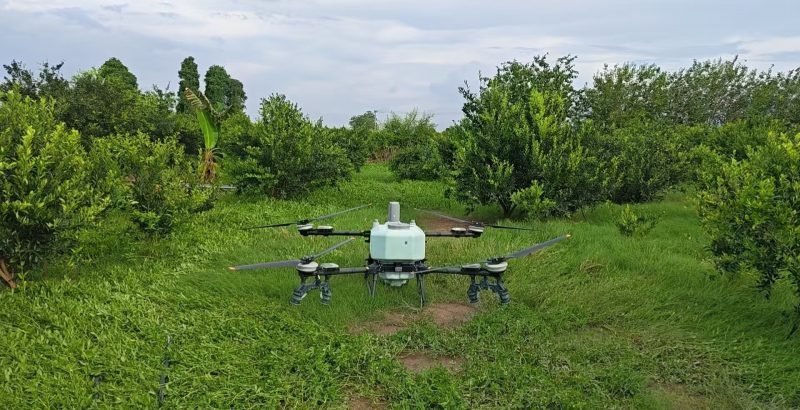



Agricultural spraying drones are becoming an important tool for modern crop management. They can be used for pesticide application, liquid fertilizer spraying, crop protection and other agricultural operations, particularly in fields where traditional ground equipment is difficult to use.
MSOEN provides agricultural spraying drone solutions from China for farmers, agricultural service companies, distributors and international buyers.
Agricultural Drones for Pesticide Spraying
Pesticide spraying requires consistent liquid delivery and careful control of application parameters.
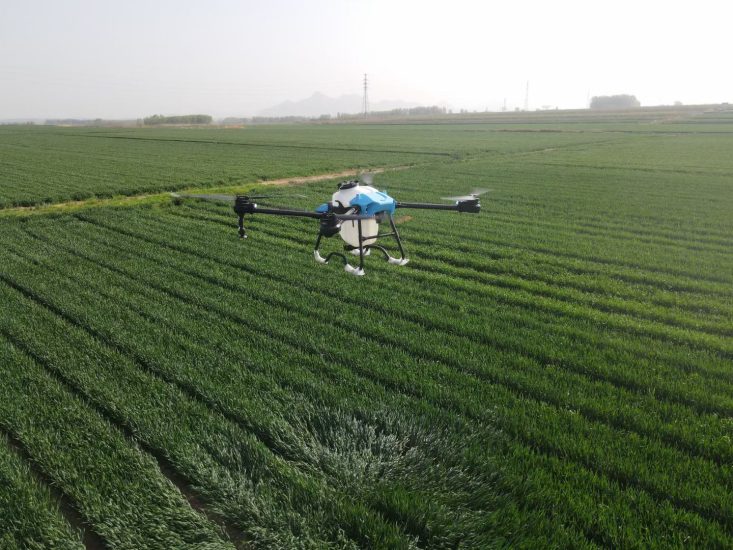
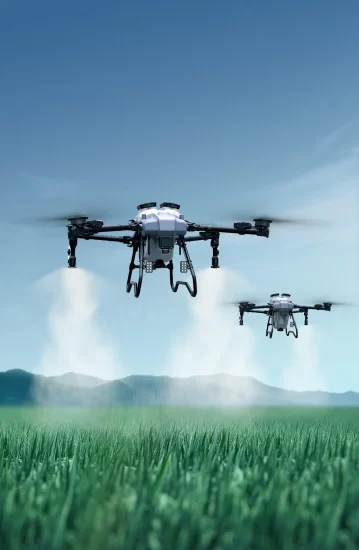
An agricultural drone combines a flight platform with a tank, pump and nozzle system. During operation, the drone flies above the crop while the spraying system distributes the liquid.
Depending on the selected configuration, agricultural drones can be used for:
-
Rice pest control
-
Wheat spraying
-
Corn crop protection
-
Vegetable farms
-
Fruit orchards
-
Vineyards
-
Cotton fields
-
Other commercial crops
The actual application should always follow the pesticide manufacturer’s instructions and the agricultural regulations applicable in the destination country.
Liquid Fertilizer Application
Agricultural spraying drones can also be used for liquid fertilizer and nutrient applications.
Compared with some conventional ground equipment, aerial application can be useful when farmers need to avoid driving machinery directly through crops.
For example, wet fields may be difficult for tractors to enter without damaging soil or crops. A drone can operate above the field while carrying out the required application.
Key Components of a Spraying Drone
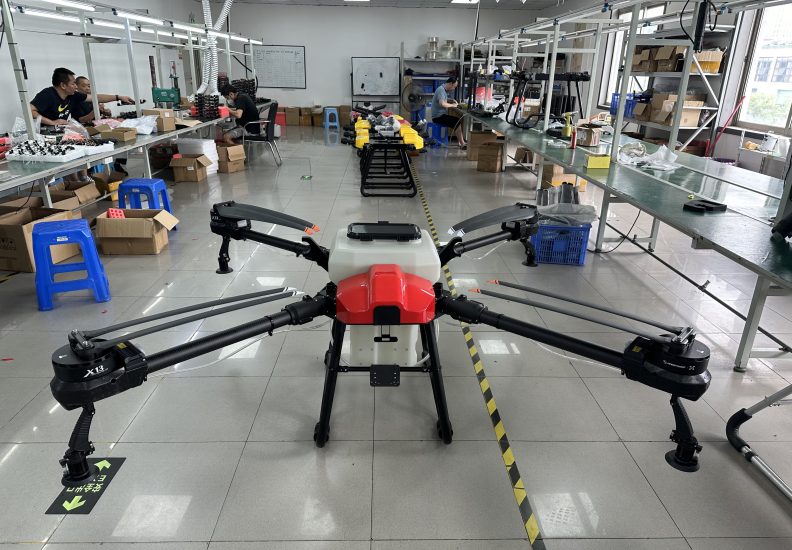
A professional agricultural spraying drone is made up of several systems working together.
1. Flight Platform
The aircraft needs sufficient stability and lifting capacity for the intended payload.
2. Spray Tank
Tank capacity determines how much liquid can be carried during each flight.
3. Pump
The pump controls the movement of liquid from the tank to the nozzles.
4. Nozzles
Nozzle selection affects spray distribution and application characteristics.
5. Battery
The battery provides the energy required for flight and affects operating time.
6. Remote Controller
The operator uses the controller to manage flight and spraying functions.
How to Choose the Right Agricultural Drone
Buyers should not select a drone based solely on tank capacity.
Consider the following factors:
Requirement |
Questions to Ask |
|---|---|
Crop |
What crops will be treated? |
Farm size |
How large is the operating area? |
Terrain |
Is the land flat, sloped or irregular? |
Application |
Pesticide, fertilizer or another liquid? |
Tank |
What capacity is appropriate? |
Battery |
How many batteries are required? |
Spray system |
What flow rate and spray pattern are needed? |
Service |
Are spare parts and technical support available? |
Regulations |
Is commercial drone operation permitted locally? |
Providing this information to the manufacturer can make the quotation and product selection more accurate.
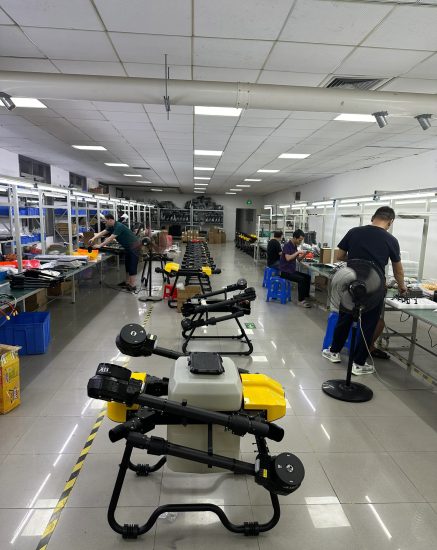
Why Buy from a China Agricultural Drone Supplier?
China has a large manufacturing ecosystem for agricultural drone components and equipment.
For international buyers, sourcing directly from China can offer advantages such as:
Product selection:
Buyers can compare different configurations and capacities.
Competitive manufacturing:
Direct factory sourcing can provide attractive pricing for distributors and commercial buyers.
OEM cooperation:
Some buyers may require their own brand, packaging or product configuration.
Spare parts:
A long-term agricultural operation requires access to replacement components.
Wholesale supply:
Distributors can purchase according to their local market requirements.
MSOEN Agricultural Drone Supply
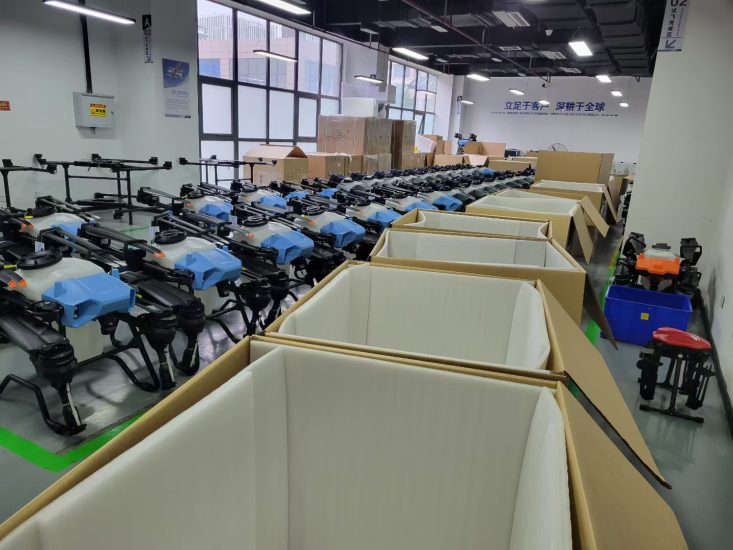
MSOEN focuses on agricultural spraying drones for international markets.
For overseas buyers, a complete purchasing discussion should cover:
-
Drone model
-
Tank capacity
-
Spray system
-
Battery specifications
-
Charger
-
Remote controller
-
Spare parts
-
Packaging
-
Warranty
-
Production time
-
Shipping method
-
OEM requirements
This helps avoid misunderstandings between the buyer and supplier.
Pesticide Spraying Requires Correct Operation
Agricultural drones can improve spraying efficiency, but the equipment must be operated correctly.
Operators should pay attention to:
-
Weather conditions
-
Wind speed
-
Flight height
-
Flight speed
-
Spray flow
-
Nozzle configuration
-
Crop growth stage
-
Liquid concentration
-
Buffer zones
-
Local pesticide regulations
The drone itself does not determine the correct pesticide dosage. Chemical application must follow the product label and applicable agricultural requirements.
Fertilizer Spraying Considerations
Liquid fertilizers can have different densities and characteristics. Therefore, buyers should confirm compatibility between the liquid being applied and the drone’s pump and spraying system.
Before commercial use, operators should verify:
-
Liquid compatibility
-
Flow rate
-
Nozzle selection
-
Application rate
-
Tank cleaning procedures
-
Battery requirements
-
Operating conditions
Proper calibration is important for achieving consistent application.
Wholesale and OEM Cooperation
For distributors entering the agricultural drone market, it is usually better to start by testing the product.
A practical purchasing process can be:
-
Select the target drone model.
-
Explain your crop and market requirements.
-
Confirm specifications.
-
Request a complete quotation.
-
Purchase a sample or initial units.
-
Test the drones locally.
-
Evaluate performance and operator feedback.
-
Confirm spare-parts requirements.
-
Discuss wholesale pricing.
-
Expand the order after successful testing.
This approach reduces the risk of purchasing a large quantity before understanding local market requirements.
FAQ
Can agricultural drones spray both pesticides and fertilizer?
Many agricultural spraying drones can be used for both applications, provided the spraying system is suitable and the liquid is compatible with the equipment.
What crops can MSOEN agricultural drones spray?
Potential applications include rice, wheat, corn, vegetables, orchards, vineyards and other commercial crops. The appropriate configuration depends on the crop and operating environment.
How do I choose the correct tank capacity?
Consider the farm size, crop type, refill conditions, drone payload capacity and desired operating efficiency.
Can I become an MSOEN distributor?
International agricultural equipment distributors can discuss wholesale and distribution cooperation according to their target market and purchasing requirements.
Can MSOEN provide spare parts?
Spare-parts availability should be confirmed for the specific model. Buyers should consider ordering commonly required replacement components for long-term operations.
Can agricultural drones be exported with batteries?
Battery transportation has specific shipping and packaging requirements. The actual transportation method and documentation should be confirmed according to the destination and shipment.
Do agricultural drones require registration?
Requirements differ by country. Buyers should check local aviation, radio-equipment and agricultural regulations before commercial operation.
A reliable agricultural drone supplier should provide more than an aircraft. International buyers should evaluate the spraying system, battery configuration, spare parts, technical support, export service and long-term cooperation.
For buyers looking for a China agricultural drone supplier, MSOEN offers agricultural spraying drone solutions for pesticide application, fertilizer spraying and modern crop-protection operations.
THE END


No comments yet