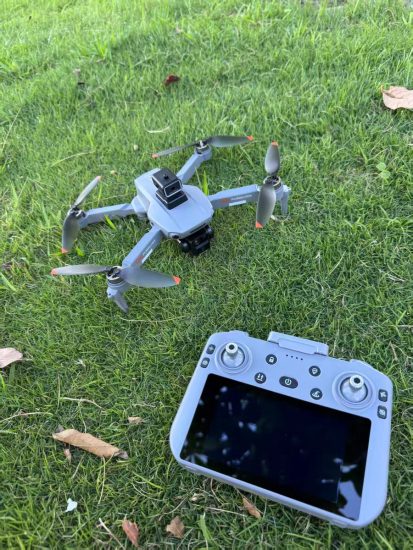




 Photography drones have transformed the way we capture the world. Once limited to helicopters, cranes, or expensive aerial rigs, breathtaking aerial imagery is now accessible to photographers, filmmakers, media agencies, and content creators of all levels. With compact designs, intelligent flight systems, and high-performance cameras, photography drones are redefining visual storytelling by offering new perspectives, creative freedom, and technical precision.
This article explores the evolution of photography drones, their core technologies, practical applications, creative techniques, and future trends in aerial imaging.
1. The Rise of Photography Drones 🌍
Aerial photography has always been about perspective. The introduction of consumer and professional photography drones has lowered the barrier to entry while dramatically expanding creative possibilities.
Key factors driving their popularity include:
- Affordable high-resolution camera systems
- Intelligent stabilization and gimbal technology
- User-friendly flight controls
- Compact, portable designs
Today, photography drones are essential tools in media production, tourism promotion, real estate marketing, and social media content creation.
2. Core Components of a Photography Drone ⚙️
🎥 Camera Systems
Modern photography drones are equipped with powerful cameras capable of capturing:
- 4K to 8K video
- High-resolution RAW photos
- HDR and low-light imagery
Larger sensors and adjustable apertures allow better dynamic range, color accuracy, and depth control.
🧭 3-Axis Gimbal Stabilization
The gimbal is critical for smooth, cinematic footage. It stabilizes the camera across pitch, roll, and yaw axes, compensating for wind, vibration, and sudden movements.
🧠 Intelligent Flight Control
Advanced flight controllers ensure stable hovering, precise movement, and smooth tracking, even in challenging environments.
🛰️ Positioning and Navigation
GPS, visual positioning systems, and obstacle sensors allow accurate positioning and safe flight, enabling photographers to focus on composition rather than control.
3. Intelligent Features for Aerial Photography 🤖
Photography drones are no longer just flying cameras—they are intelligent imaging platforms.
Key smart features include:
- Subject tracking and follow modes
- Waypoint-based cinematic routes
- Automatic panorama and hyperlapse modes
- Obstacle avoidance during filming
These tools make complex shots achievable with minimal manual input.
4. Creative Applications of Photography Drones 🎬
🏞️ Landscape and Nature Photography
Drones reveal patterns, symmetry, and scale invisible from the ground. Coastlines, mountains, forests, and deserts become dynamic compositions when viewed from above.
🏡 Real Estate and Architecture
Aerial images showcase property layout, surroundings, and access points, significantly increasing listing appeal and buyer engagement.
🎥 Film and Commercial Production
Photography drones deliver cinematic camera movements such as reveals, flyovers, and orbit shots without costly equipment or crew.
🌍 Travel and Tourism Content
Tourism boards and travel creators use drones to capture iconic landmarks and immersive destination visuals.
📱 Social Media and Digital Marketing
Short-form aerial videos and striking overhead shots perform exceptionally well on social platforms, driving engagement and brand awareness.
5. Mastering Aerial Composition Techniques ✨
Great drone photography requires more than flying high.
Effective techniques include:
- 🧭 Top-down (flat lay) compositions
- 📐 Leading lines such as roads, rivers, or bridges
- 🔄 Orbit shots for dynamic framing
- 🌅 Golden-hour lighting for dramatic shadows
Understanding light, altitude, and camera angles is essential for professional results.
6. Image Quality and Post-Processing 🎨
Photography drones generate high-quality image data that benefits greatly from post-processing.
Common enhancements include:
- Color grading for cinematic tones
- Shadow and highlight recovery
- Sharpening and noise reduction
- Stitching panoramas and HDR images
Professional workflows often integrate drone footage into larger photo and video production pipelines.
7. Safety and Regulations for Photography Drones ⚠️
Responsible drone photography requires compliance with aviation laws and respect for privacy.
Typical regulations involve:
- Maximum flight altitude limits
- No-fly zones and geofencing
- Visual line-of-sight requirements
- Restrictions over crowds and private property
Modern photography drones include built-in safety features such as automatic return-to-home, obstacle detection, and geofencing alerts.
8. Portability and User Experience 🎒
One major advantage of photography drones is portability. Foldable designs, lightweight materials, and compact controllers allow photographers to travel easily with their equipment.
User-friendly mobile apps offer:
- Real-time live view
- Camera parameter control
- Automated shooting modes
- Instant content sharing
This accessibility empowers solo creators and small teams.
9. Challenges in Drone Photography ⚡
Despite their advantages, photography drones face certain limitations:
- Battery life constraints
- Sensitivity to strong wind and weather
- Limited sensor size compared to ground cameras
- Legal restrictions in certain regions
Skill, planning, and equipment choice are key to overcoming these challenges.
10. The Future of Photography Drones 🚀
The next generation of photography drones will feature:
- Larger sensors and improved low-light performance
- AI-powered composition assistance
- Enhanced obstacle avoidance in complex environments
- Longer flight times and quieter propulsion
As technology advances, aerial photography will become even more immersive, precise, and accessible.
Conclusion 🌟
Photography drones have revolutionized visual storytelling by placing the sky within reach of creators worldwide. By combining intelligent flight systems, advanced camera technology, and creative flexibility, they enable photographers to capture images that were once impossible or impractical.
Whether used for professional filmmaking, commercial marketing, or artistic expression, photography drones are no longer optional tools—they are essential companions in the modern visual landscape. As innovation continues, the sky is not the limit; it is just the beginning. 📸🚁


No comments yet